Thermal-Assisted Hog Guide Packages
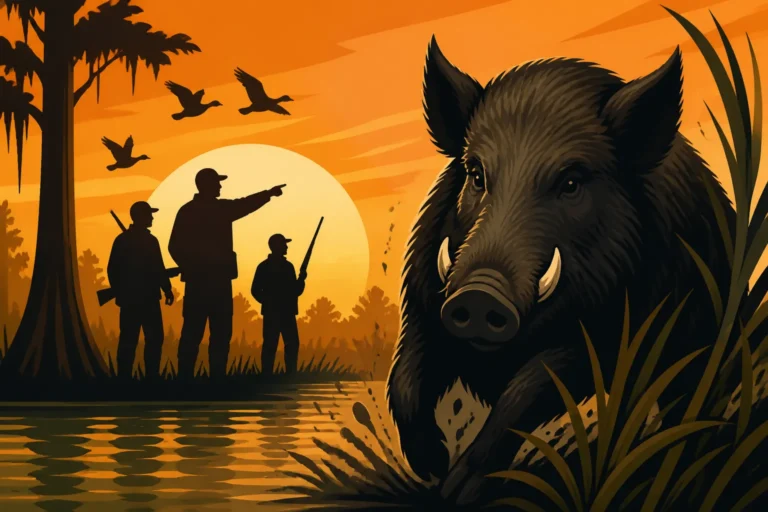
If you've spent any time at all around Louisiana's wild lands, you know our feral hog problem isn't just an inconvenience – it's a full-blown ecological challenge. These intelligent, destructive animals are notoriously difficult to control with traditional methods, often disappearing into the cover of night. That's why many hunters are now turning to thermal-assisted guide packages, offering an exciting, effective way to get after these nocturnal nuisances and experience a completely different kind of hunt.
What are Thermal-Assisted Hog Guide Packages?
Stepping into the world of thermal hog hunting is like gaining a superpower after dark. It's a specialized approach that leverages cutting-edge technology to give hunters an undeniable edge against the wily, destructive feral hog population that thrives across Louisiana. These aren't your typical deer stand hunts; they're dynamic, often adrenaline-fueled pursuits under the cover of darkness.
Defining Thermal Imaging for Hunting
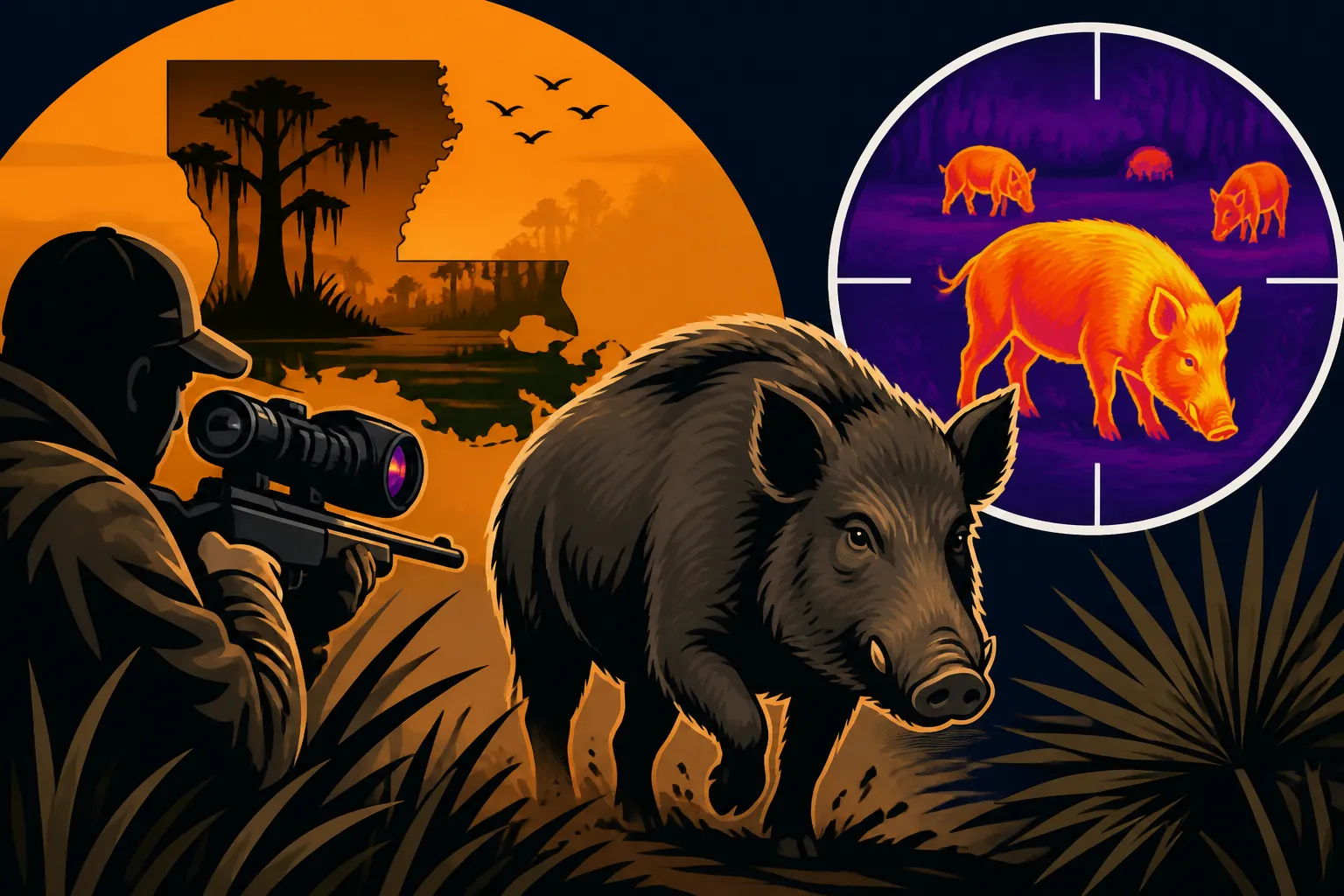
Let's cut to the chase: thermal imaging doesn't see light; it sees heat. Instead of amplifying ambient light like traditional night vision, thermal optics detect infrared radiation, translating heat signatures into visible images on a screen. Imagine a hog tucked deep in a dense palmetto thicket or a cypress stand at 2 AM. To the naked eye, or even standard night vision, it's just a black mass. But with thermal, that hog glows bright against the cooler background, making it virtually impossible for them to hide. This technology has revolutionized nighttime hunting, allowing hunters to detect, identify, and engage targets safely and effectively in conditions where traditional methods simply fail. It’s a game-changer for ethical and successful nocturnal hunting, giving you eyes in the dark like never before.
The Package Concept: What's Included
When you book a thermal-assisted hog guide package, you're not just paying for a guide; you're investing in an experience complete with specialized equipment that would be incredibly expensive to acquire on your own. Most reputable guides will provide top-tier thermal scopes, monoculars, or binoculars, often mounted on suppressed firearms. The suppression is key, as it minimizes noise, allowing for quicker follow-up shots or even shots on multiple hogs without spooking the entire sounder immediately. Transportation, often in customized off-road vehicles, is typically part of the deal, getting you into those hard-to-reach areas where hogs are abundant. Some packages even include things like post-hunt processing or breakfast/coffee at the camp. It’s an all-encompassing service designed to maximize your chances of success and enjoyment, eliminating the worry about equipment or logistics.
The Thrill of Night Hunting
There's something uniquely primal and exhilarating about hunting after sunset. The world transforms, sounds carry differently, and your senses become incredibly heightened. Add thermal technology to the mix, and you're entering a whole new dimension of engagement. Stalking silently through the dark, your thermal scope painting the landscape in shades of heat, suddenly picking up the tell-tale glow of a sounder of hogs rooting in a field or moving through a treeline – it's an experience that gets your heart pounding like no other. The close quarters often involved in thermal hunting, combined with the focus required to operate the equipment and make an ethical shot under pressure, creates a truly unforgettable adventure. It's a dance between predator and prey where technology balances the scales, offering a deep satisfaction when you successfully contribute to managing these nuisance animals.
Why Hunt Hogs with Thermal in Louisiana?
Louisiana's unique landscape, from its dense bottomland hardwoods to expansive coastal marshes and agricultural fields, provides a perfect breeding ground for feral hogs. These animals thrive here, and conventional hunting methods often struggle to keep up with their destructive tendencies and nocturnal habits. Thermal hunting offers a much-needed solution.
The Feral Hog Problem in Louisiana
Let's be honest, if you live in Louisiana or spend any time outdoors, you've seen the damage. Feral hogs are an absolute menace. They tear up agricultural fields, costing farmers untold millions in crop damage. They compete with native wildlife like deer and turkeys for food sources, destroy sensitive wetland habitats, and even carry diseases that can affect livestock and humans. Their population numbers are staggering, and their reproductive rate is off the charts, making them incredibly difficult to control. How Many Feral Hogs Louisiana Has is a question that probably keeps many landowners up at night. They're smart, they're resilient, and they've learned to avoid human contact, especially during daylight hours. This is why traditional hunting alone, while important, often feels like trying to empty the Mississippi River with a Dixie cup.
Limitations of Traditional Hog Hunting
Daylight hunting for feral hogs in Louisiana can be challenging, to say the least. These animals are largely nocturnal, especially in areas with significant hunting pressure. They'll bed down deep in thick cover during the day, making them incredibly hard to spot or stalk. Even when you do find them, they often bolt at the first sign of human presence. Trapping is effective, but it requires significant time and effort, and even then, smart hogs can learn to avoid traps. Hunting Hogs Without Bait or Dogs can be a frustrating endeavor during the day. The sheer density of cover in many parts of Louisiana, combined with their natural wariness, means that hunters relying solely on visual detection during the day are often at a disadvantage. You might catch a glimpse of a hog or two at dawn or dusk, but wiping out a whole sounder effectively is rare.
The Unfair Advantage of Thermal Technology
This is where thermal imaging shines. Hogs, being warm-blooded creatures, are easily visible through thermal optics, even in complete darkness, dense fog, or thick brush. They literally glow on your screen. This allows hunters to locate entire sounders that would be invisible otherwise, providing an opportunity for multiple shots or more strategic approaches. The ability to hunt effectively at night, when hogs are most active and comfortable, means you're targeting them during their prime movement hours. This isn't just about making the hunt easier; it's about making it vastly more efficient and impactful in terms of population control. For landowners and hunters alike, thermal-assisted hunts offer the best chance to put a serious dent in the local hog population, turning what was once an impossible task into a realistic one.
What to Expect on a Thermal Hog Hunt
Embarking on a thermal hog hunt in Louisiana is unlike any other hunting experience you've had. It's a night operation, requiring a different set of skills, equipment, and a unique mindset. Understanding what to expect will help you prepare for a successful and memorable adventure.
Nighttime Tactics and Stalking
Your guide will typically start the evening with a briefing, covering safety, the plan for the night, and how to operate the thermal gear. Once darkness falls, the hunt truly begins. You'll often cover ground in a UTV or truck equipped with large thermal spotters, scanning fields, timber edges, and clearings for heat signatures. When a sounder is located, the real fun starts. The guide will devise a stalk strategy, using wind direction and terrain to approach within shooting range. This often involves careful, quiet movements on foot through the darkness, relying entirely on the thermal scope for navigation and target acquisition. Communication with your guide is paramount, often whispered or through hand signals. It’s a highly focused and intense experience, demanding your full attention and patience. Night Hunting Hogs With Lights on Private Land shares some similarities, but thermal offers a much more discreet and often more effective approach without the need for bright lights spooking the hogs from a distance.
Understanding the Equipment Provided
One of the biggest advantages of booking a guided thermal hunt is the access to high-end equipment. Your guide will provide a suppressed rifle, usually chambered in a common caliber like .308 or 6.5 Creedmoor, topped with a sophisticated thermal scope. They'll also typically carry a handheld thermal monocular or binocular for spotting. It’s crucial to listen carefully during the equipment briefing. Learn how to activate the scope, adjust focus, and understand its reticle. Practice dry-firing and shouldering the rifle so you're comfortable with its feel and balance. These devices are incredibly powerful but require a steady hand and a quick mind in the field. Don't hesitate to ask questions; your guide wants you to be confident and safe with the gear. They've invested heavily in this technology, and they know it inside and out.
Safety Protocols and Ethical Considerations
Safety is always the number one priority, especially when hunting at night with advanced optics. Your guide will go over strict firearm safety rules, emphasizing target identification and backdrop awareness. Because thermal images can sometimes make it difficult to discern fine details or distinguish between hogs of different sizes, it’s essential to confirm your target with the guide before taking a shot. They'll use their experience and often a higher-resolution spotter to ensure you're shooting at a legal and appropriate target. Ethical hunting practices, even for nuisance animals like hogs, remain paramount. This includes striving for clean, humane shots and understanding the limitations of the equipment and the environment. Also, be aware of Louisiana Feral Hog Regulations, especially concerning private land and night hunting rules, as some aspects of hog hunting are more liberal due to their destructive nature.
Choosing the Right Thermal Hog Guide
With the increasing popularity of thermal hog hunting, more guides are offering these packages. However, not all guides are created equal. Vetting your guide and asking the right questions is crucial for a safe, successful, and enjoyable experience.
Vetting Guide Experience and Reputation
Just like you wouldn't pick a doctor blindfolded, you shouldn't pick a guide without doing your homework. Look for guides with a proven track record specifically in thermal hog hunting. Experience matters immensely when it comes to navigating property at night, locating hogs with thermal, and safely orchestrating a stalk and shot. Check online reviews, testimonials, and social media presence. Are there photos of happy clients with their harvests? Do the comments speak to professionalism, safety, and a good overall experience? Sites like BookYourHunt can be a great place to start your search, offering a platform where you can compare different outfitters and read client feedback. A guide's reputation is built on consistency and client satisfaction, so delve into what others have to say about their service.
Questions to Ask Before Booking
Don't be shy about asking specific questions before you commit. Here's a table of crucial inquiries:
| Question Category | Specific Questions to Ask | Why It Matters |
|---|---|---|
| Experience & Logistics | How many years have you been conducting thermal hog hunts? | Indicates expertise and safety track record. |
| What type of terrain do you typically hunt (fields, swamps, timber)? | Helps manage expectations and prepare appropriate clothing/footwear. | |
| What's your average group size for a thermal hunt? | Affects individual attention and dynamics of the hunt. | |
| Equipment & Safety | What specific thermal equipment and firearms are provided? | Ensures you'll be comfortable with the gear or know what to expect. |
| Do you provide suppressed firearms? | Suppressors are vital for follow-up shots and minimizing noise. | |
| What are your safety protocols, especially for night hunting? | Crucial for your well-being and preventing accidents. | |
| Success & Post-Hunt | What's your typical success rate for putting clients on hogs? | Provides a realistic expectation (but remember, it's hunting, not grocery shopping). |
| What happens after the harvest? Is processing included or arranged? | Important for handling your game meat and potential trophy preparation. | |
| Is there a "no kill, no pay" policy or similar guarantee? | Some guides offer this, reducing risk for the client. | |
| Booking & Cost | What is the total cost, and what exactly does it include/exclude? | Avoids hidden fees; ensures clarity on what you're paying for. |
| What are your deposit and cancellation policies? | Understand financial obligations and flexibility. | |
| Do you require a hunting license, and if so, which one? | Essential for legal compliance. |
Asking these questions helps you paint a clear picture of what you're getting into and ensures that the guide's offerings align with your expectations and priorities.
Understanding Package Inclusions and Exclusions
It's tempting to focus solely on the price tag, but the real value lies in what's included and, just as importantly, what's not. Some "Thermal Hog Hunt Package Costs" might seem low, but then you find out they don't include ammunition, or they charge extra for hog removal/disposal, or there's a separate fee for processing the animal. A comprehensive package might cover the guide fee, use of thermal equipment and suppressed firearms, ammunition, transportation during the hunt, and even initial field dressing. Other guides might expect you to bring your own specific rifle or provide only the thermal optic for rent. Always clarify the fine print. Don't assume anything. Knowing precisely what you're paying for prevents any unpleasant surprises when you arrive at camp.
Booking Your Thermal Hog Hunt
Once you've done your research and chosen a reputable guide, the next step is the actual booking process. This involves understanding how to navigate online platforms, grasp the financial commitment, and consider the best time of year for your hunt.
Navigating Booking Platforms
Many reputable thermal hog hunting guides list their services on specialized booking platforms designed for hunters. Websites like BookYourHunt are excellent resources, allowing you to browse different guide services, compare package details, read reviews from other hunters, and often book directly. These platforms can simplify the process, offering secure payment options and a clear breakdown of what each package entails. Another valuable resource is GoHunt, which can provide insights into specific regions or help you scout areas that might be prime for hog hunting, potentially leading you to smaller, local guides not always on larger platforms. Even with these platforms, it's always a good idea to follow up with a direct phone call or email to the guide to ask any remaining questions and establish a personal connection. This direct communication is invaluable for confirming details and ensuring a smooth experience.
Understanding the Cost Structure
Thermal hog guide packages vary in price significantly based on duration, inclusions, guide experience, and location. You might find anything from a single-night, basic hunt to multi-day, all-inclusive experiences. Typically, the price will cover the guide's expertise, the use of high-end thermal gear (which is a substantial investment for the guide), suppressed firearms, and transportation during the hunt. Some guides offer a flat rate per hunter, while others might charge per hog harvested, or a combination. Ensure you understand if there are any limits on the number of hogs you can take, or if trophy fees apply for exceptionally large animals, though this is less common with nuisance hog hunts. Always get a written quote that clearly outlines all costs and what is covered, including deposits and payment schedules. Remember, you're paying for specialized equipment and expertise that dramatically increases your chances of a successful and exciting hunt.
Seasonal Considerations for Hog Hunting
One of the great things about feral hogs in Louisiana is that there’s generally Hunting Louisiana's Year-Round Feral Hogs. Unlike deer or turkey, there isn't a strict "season" that limits your ability to hunt them. However, weather and hog behavior do influence the best times for a thermal hunt. Hogs tend to be most active at night when temperatures are cooler, making summer and early fall nights excellent for thermal hunting. During colder months, they might be active earlier in the evenings or later in the mornings, but still highly nocturnal. Rain can affect visibility and hog movement, but thermal often cuts through light fog or drizzle better than traditional optics. Discuss with your guide the best time of year for their specific property and your preferred hunting style. If you're looking to minimize heat and humidity for comfort, the cooler months might be preferable, but hogs are present and active all year long.
Preparing for Your Thermal Hog Adventure
A successful thermal hog hunt isn't just about showing up; it requires a bit of preparation on your part. From physical readiness to packing the right gear and knowing how to handle your harvest, being prepared will enhance your experience.
Physical and Mental Readiness
While thermal hog hunting often involves less strenuous physical activity than, say, a mountainous elk hunt, it's still a physical endeavor, especially during the stalking phase. You might be walking quietly for extended periods in uneven terrain, through mud, or over obstacles, all in the dark. Good physical condition will make this much more enjoyable. Mentally, be prepared for long hours, often starting late in the evening and extending into the pre-dawn hours. Patience is key, as is the ability to stay focused and alert in low-light conditions. Operating thermal optics and suppressed firearms effectively under pressure requires concentration. It’s a hunt that demands quiet, deliberate movements and clear communication with your guide. Embrace the darkness and the heightened senses it brings.
Personal Gear Checklist
You might not need your big deer rifle, but you'll still need personal essentials for a night hunt. Here’s a basic checklist:
- Clothing: Dress in layers appropriate for Louisiana's unpredictable weather, even at night. Dark, quiet clothing is preferred. Long sleeves and pants are a must for protection against insects and brush. Consider insect repellent (non-scented is best).
- Footwear: Comfortable, waterproof boots are essential. You'll be walking in damp, potentially muddy conditions.
- Headlamp: A small headlamp with a red or green light option is invaluable for setting up, packing, and moving between vehicles, but turn it off during the actual hunt!
- Small Backpack: For water, snacks, extra layers, and your headlamp.
- Gloves: Can protect hands from brush and help with grip on the rifle.
- Eye Protection: Safety glasses are always a good idea, even at night.
- License: Don't forget your valid Louisiana hunting license and any required endorsements. Louisiana Resident Hunting License Options or Louisiana Nonresident Hunting License Options will be necessary.
- Hydration/Snacks: It's a long night, so bring water and quiet, high-energy snacks.
- Cooler: If you plan on taking meat home, have a cooler with ice ready in your vehicle for field-dressed hogs.
Confirm with your guide if there are any specific items they recommend or prohibit. Some guides might provide certain items, so clarify to avoid duplication.
Post-Hunt Game Handling
After a successful thermal hunt, the work isn't over. Your guide will assist with field dressing the hogs, which typically involves gutting the animal to cool the meat quickly. Be prepared to help, and discuss beforehand if you plan to keep the meat. Feral hog meat is delicious when handled properly, but due to potential diseases like swine brucellosis, wearing gloves during field dressing is always a wise precaution. If you are keeping the meat, having a large cooler packed with ice is critical to maintain quality, especially in Louisiana’s warm climate. Your guide might have relationships with local processors, or you may need to arrange for processing yourself. For tips on how to prepare your harvest, you might enjoy Cooking a Wild Turkey Breast – though it's turkey, the principles of handling game meat are similar! Knowing the plan for your harvest is an important part of the entire hunting experience.
Disclaimer
This article is for general informational purposes only and does not constitute professional advice. Laws, prices and regulations vary by location and change over time. Consult a qualified professional for guidance on your specific situation.