Booking a Guided Louisiana Hog Hunt
Let's be honest, the idea of facing down a feral hog in the Louisiana wilderness can be both incredibly exciting and a little bit daunting. Maybe you've seen the damage they do to fields, heard stories of their intelligence, or just want to experience the thrill of a unique hunt. But trying to tackle these wily creatures on your own, especially on unfamiliar ground, can lead to a whole lot of frustration and very little success. This guide is here to walk you through everything you need to know about booking a guided hog hunt in Louisiana, helping you cut through the confusion and get straight to the action with confidence.
Why Consider a Guided Hog Hunt in Louisiana?
Hunting feral hogs in Louisiana isn't just a sport; it's a vital part of managing a rampant problem. These aren't your typical game animals; they're an invasive species causing untold damage to our agricultural lands, natural ecosystems, and even threatening other wildlife. Tackling them requires strategy, knowledge, and often, specialized equipment. That's where a good guide comes in, transforming a potentially fruitless endeavor into an efficient, educational, and thrilling experience.
The Hog Problem in Louisiana
Feral hogs are a scourge across much of the Southern United States, and Louisiana is certainly no exception. These animals reproduce at an astounding rate, often having multiple litters a year, and their populations seem to explode overnight. They destroy crops, root up valuable timberland, contaminate water sources, and compete with native wildlife like deer and turkeys for food. It's a never-ending battle for landowners and wildlife managers, and hunters play a crucial role in mitigating their impact. Many folks don't realize the true scale of the issue until they see the destruction firsthand. It's not just a nuisance; it's an ecological and economic crisis for many parts of our state. Understanding the scope of this problem really underscores why these hunts are so encouraged and why guides are so important. If you're looking for more information on the population, you can often find estimates when reading about How Many Feral Hogs Louisiana Has.
Benefits of Professional Guidance
So, why shell out for a guide when you can theoretically go it alone? The answer is simple: expertise, access, and efficiency. A seasoned Louisiana hog guide knows the land like the back of their hand. They understand hog behavior, their preferred habitats, and their travel patterns. They often have access to private lands where hog populations are high and hunting pressure might be managed, increasing your chances of success significantly. Beyond knowing where the hogs are, a guide provides the specialized equipment and skills you might not possess. Think about night hunting with thermal optics, tracking dogs through dense brush, or setting up effective bait sites. These are all things a professional brings to the table, taking the guesswork out of your hunt and maximizing your precious time in the field. Plus, it's just plain safer to go with someone who knows the ropes, especially when dealing with powerful, unpredictable animals like mature boars.
What Makes Louisiana Unique for Hogs
Louisiana's diverse terrain and year-round mild climate create an ideal breeding ground for feral hogs, making it a prime destination for hunting them. From the dense bottomland hardwoods of the river basins to the sprawling pine forests and coastal marshes, hogs thrive in nearly every corner of the state. This also means a wide variety of hunting experiences are available. You might be still-hunting through a cypress swamp one day and spot-and-stalking a cut cane field the next. The year-round season for hogs on private land is also a huge draw, offering flexibility that many other game species simply don't. This constant pressure on hog populations allows guides to operate throughout the year, meaning you can often book a trip that fits your schedule, regardless of other hunting seasons. Hunting Louisiana's Year-Round Feral Hogs delves deeper into why this continuous pressure is so important for management.
Types of Guided Hog Hunts Available
One of the great things about hunting feral hogs in Louisiana is the sheer variety of methods available, each offering a distinct challenge and experience. This isn't a one-size-fits-all endeavor. Depending on your personal preference for adrenaline, skill level, and budget, there's likely a hog hunt style that will speak to you. A good outfitter will often specialize in a few of these, allowing you to pick an experience that truly fits what you're looking for.
Daytime Stalking and Still-Hunting
For hunters who appreciate a more traditional and immersive experience, daytime stalking and still-hunting for hogs can be incredibly rewarding. This method typically involves moving slowly and quietly through known hog habitats—think dense river bottoms, overgrown clear-cuts, or field edges at dawn and dusk. The challenge here is using your senses: spotting fresh tracks, listening for rooting noises, or catching a whiff of their distinct odor. It's about patience, observation, and precise shot placement. Your guide will lead you through areas they've scouted, teaching you how to read the land and identify prime hog sign. Success in these hunts often hinges on your ability to be a silent predator, merging with the environment. It's an intimate way to connect with the wild, far removed from high-tech gadgets, and demands a keen hunter's eye and quiet footwork. This style can often be done Hunting Hogs Without Bait or Dogs.
Night Hunting with Thermal and Night Vision
If you're after an unforgettable, high-tech experience, night hunting for hogs using thermal or night vision equipment is a rapidly growing and incredibly effective method. Hogs are largely nocturnal, especially when pressured, and thermal optics allow hunters to see their body heat against the cool Louisiana night landscape. The thrill of spotting a heat signature moving through a dark field or swamp edge is truly something else. Your guide will typically have specialized equipment, often mounted on suppressed firearms, to make the experience smooth and successful. This method is often conducted from vehicles, elevated blinds, or by slow stalking on foot, depending on the terrain and legal allowances for specific properties. It's a fast-paced, action-packed hunt that often yields high numbers of hogs, making a significant dent in local populations. Remember, specific rules apply, so always be aware of Night Hog Hunting Light Rules in Louisiana.
Dog-Assisted Hog Drives
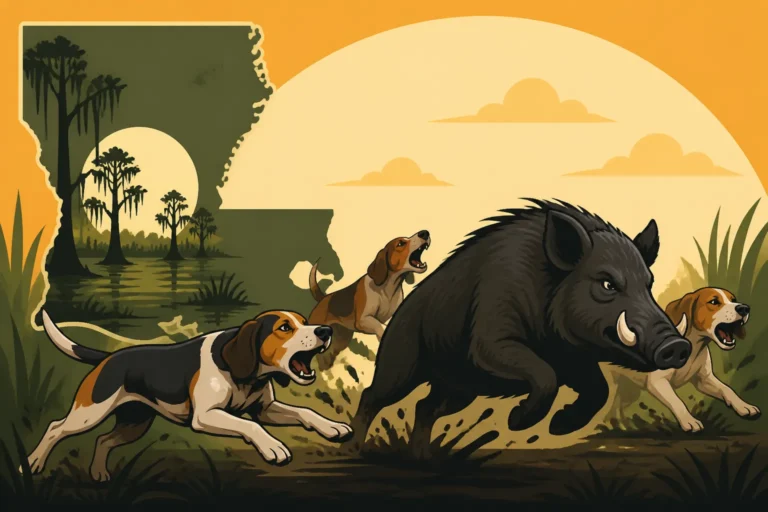
For those seeking an adrenaline-fueled, traditional hunting experience rooted deep in Southern culture, a dog-assisted hog hunt is hard to beat. This method involves a team of highly trained dogs, typically bay dogs that corner the hog and hold it at bay, or catch dogs that physically subdue the hog. Hunters follow the sound of the dogs, often through thick brush and challenging terrain, to get to the hog. It's a physically demanding hunt that requires quick decisions and close-quarters engagement. Your guide will work with their dog handler to coordinate the drive, ensuring safety for both hunters and dogs. It's a chaotic, exciting, and incredibly effective way to hunt hogs, offering a raw, visceral connection to the chase. If you're curious about this method, you might want to look into Running Dogs on Louisiana Feral Hogs. This isn't just a hunt; it's an immersion into a unique cultural tradition.
Baiting and Stand Hunting
Sometimes, the most effective strategy is a patient one. Baiting and stand hunting involves establishing a regular food source to draw hogs into a predictable location, allowing hunters to wait in elevated stands or ground blinds for them to arrive. Corn is a common bait, often mixed with other attractants to create an irresistible buffet. Guides will typically manage these bait sites for you, ensuring they are active and regularly replenished. This style of hunting is often chosen for its comfort and accessibility, making it suitable for hunters of all ages and physical abilities. It's a fantastic way to observe hog behavior up close and offers consistent shot opportunities. While less active than stalking or dog drives, the anticipation of a sounder approaching in the quiet woods is a thrill all its own. This method is often discussed in detail when looking at Building and Freshening a Hog Bait Site.
What to Expect from a Guided Hog Hunt
When you book a guided hog hunt, you're not just signing up for a chance to shoot a hog; you're investing in an experience. Knowing what to expect regarding the duration, necessary gear, and what happens after the shot can help you prepare mentally and practically, ensuring you get the most out of your adventure.
Typical Hunt Duration and Schedule
Guided hog hunts in Louisiana can vary widely in duration, from a single evening of night hunting to multi-day packages. A common setup might be a one-day hunt, starting in the late afternoon and continuing into the night for thermal or night vision hunts, or an early morning start followed by a full day of dog work or stalking. Multi-day trips often include multiple hunting sessions, sometimes combining different methods, and might include lodging and meals.
For a single-day thermal hunt, you might meet your guide around 4-5 PM, go over safety, zero your rifle, and then head out as dusk settles. The hunting might last several hours, often until midnight or later, depending on hog activity. For a dog hunt, it's typically an early morning start, perhaps 6 AM, and the hunt could last all day, covering miles on foot through challenging terrain. Guides work tirelessly to put you on animals, so expect long hours and a commitment to the chase. Always confirm the exact schedule with your outfitter beforehand to align expectations and ensure you're adequately rested and prepared. This also applies to understanding Louisiana Public Land Hunting Hours if hunting those specific areas, though most guided hunts are on private land.
Equipment Provided Versus What You Need to Bring
One of the biggest advantages of a guided hunt is that much of the specialized equipment is often provided. For night hunts, this almost certainly includes suppressed rifles equipped with high-end thermal or night vision scopes. For dog hunts, the dogs themselves and handlers are, of course, part of the package. However, you'll still have a personal packing list.
Here's a general breakdown of what's typically provided and what you'll need:
| Category | Often Provided by Outfitter | What YOU Typically Need to Bring |
|---|---|---|
| Firearms | Suppressed thermal/NV rifles, AR platforms | Your own rifle (if allowed/preferred) |
| Optics | Thermal/NV scopes, spotlights | Binoculars, rangefinder |
| Clothing | N/A | Camouflage (dark for night), rain gear |
| Footwear | N/A | Waterproof boots (essential!), snake boots |
| Accessories | Vehicle for transport, first-aid kit | Headlamp, small backpack, snacks, water |
| Licenses | N/A | Louisiana Hunting License, tags |
Always confirm with your specific outfitter what they provide and what they expect you to bring. Some might offer rental options for certain gear. For example, if you prefer to bring your own rifle, ensure it's suitable for hogs and that you've practiced extensively with it.
Harvesting and Game Processing
So you've successfully harvested a hog – congratulations! Now what? A good guide will assist with the field dressing and retrieval of your animal. Given Louisiana's warm climate, prompt processing is crucial to ensure the meat doesn't spoil. Many outfitters will have facilities on-site or a preferred local processor they work with.
Expectations for Processing:
- Field Dressing: Your guide will typically assist or perform the field dressing to cool the animal quickly.
- Transport: The hog will be transported from the kill site back to camp or a processing facility.
- Processing Options:
- Included: Some high-end packages might include basic processing (e.g., quartering).
- Extra Cost: Most outfitters will have a recommended local processor, and the processing fees will be your responsibility. Costs vary depending on cuts, packaging, and specialty products like sausage.
- DIY: If you're experienced and have the facilities, you might be able to process it yourself at the camp, but discuss this with your guide first.
- Cooler Space: Bring plenty of ice chests to transport your meat home. A large cooler is not just for drinks; it's vital for your harvest.
- Taxidermy: If you harvest a trophy boar, discuss taxidermy options with your guide. They can often refer you to a local taxidermist or assist with preparing the skull for a European mount.
It's important to clarify all these details with your outfitter well in advance. No one wants to be surprised by unexpected costs or logistical challenges after a successful hunt.
Choosing the Right Louisiana Hog Outfitter
Booking a guided hunt is an investment, both of your time and money. With many outfitters out there, it's crucial to do your homework to ensure you choose a reputable operation that aligns with your expectations. There's nothing worse than showing up for a hunt only to find the reality doesn't match the promises.
Researching and Vetting Guides
The first step in finding the right guide is thorough research. Start by looking online. Websites like BookYourHunt are excellent resources where you can browse multiple outfitters, compare their offerings, and read reviews from past clients. This gives you a broad overview of what's available and helps narrow down your choices.
When researching:
- Check Websites and Social Media: Look for professional websites with clear information about their services, photos from past hunts, and contact details. Social media can offer recent activity, client testimonials, and a glimpse into the guide's personality and operation.
- Read Reviews and Testimonials: Pay close attention to reviews on independent platforms, not just testimonials on the outfitter's own site. Look for consistent feedback regarding communication, guide knowledge, equipment quality, and overall experience. Websites like GoHunt might also have community forums or resources where hunters discuss guide experiences.
- Ask for References: A reputable outfitter will be happy to provide references from recent clients. Don't hesitate to call these references and ask direct questions about their experience.
- Verify Licenses and Insurance: Ensure the outfitter and guides are properly licensed to operate in Louisiana. While less common for hog-only operations, reputable businesses will also carry liability insurance.
Don't rush this process. A little time spent upfront can save you a lot of disappointment later.
Key Questions to Ask Before Booking
Once you've identified a few potential outfitters, pick up the phone and have a conversation. This is your chance to get clarity and assess their professionalism. Here are some critical questions to ask:
- What types of hog hunts do you specialize in (thermal, dogs, baiting, stalking)? This helps ensure their offerings match your desired experience.
- What's included in the price? Be specific: guiding services, weapons, ammo, transportation during the hunt, lodging, meals, initial processing, caping for a trophy? Clarify what's not included, such as licenses, gratuities, or advanced meat processing.
- What is your typical success rate for hog hunts? While not a guarantee, it gives you an idea of their consistency. Ask how they define "success."
- What's the typical group size? Are you hunting solo, with a friend, or part of a larger group? This impacts the guide's attention and the overall dynamics of the hunt.
- What happens if weather interferes with the hunt? Ask about their cancellation or rescheduling policy in case of unforeseen circumstances like severe storms.
- Can I bring my own firearm? If so, what calibers do you recommend for hogs? Ensure your gear meets their standards and local regulations.
- What are your policies on wounded animals? A responsible outfitter will have a clear plan for tracking and recovering wounded game.
- How do you handle game processing after the harvest? Get specifics on costs and logistics.
- What is the deposit requirement and cancellation policy? Understand the financial commitments and potential risks.
- Do you hunt on private or public land? While most guided hog hunts are on private land for consistent access, it's always good to confirm. For more information, you could look into Do Feral Hogs Need Landowner Permission?.
Understanding Pricing and What's Included
The cost of a guided Louisiana hog hunt can vary significantly, depending on the type of hunt, duration, inclusions, and the outfitter's reputation. Don't just look at the bottom line; compare value. A cheaper hunt might mean fewer inclusions, requiring you to spend more out-of-pocket later.
Factors influencing cost:
- Hunt Type: Night thermal hunts with specialized equipment tend to be more expensive than basic daytime stalking. Dog-assisted hunts also often carry a premium due to the investment in trained animals.
- Duration: A single-day hunt will naturally cost less than a multi-day package.
- Inclusions: All-inclusive packages with lodging, meals, and full processing will be pricier but offer a more seamless experience. Budget-friendly options might only include the guiding service.
- Group Size: Often, the per-person cost decreases with larger groups.
- Trophy Fees: Some outfitters might charge additional "trophy fees" for exceptionally large boars, though this is less common for hogs than for other big game.
Always get a written quote that clearly outlines everything included and any potential additional costs. This prevents surprises and ensures both parties are on the same page. Remember to factor in your travel expenses, licenses, and a gratuity for your guide—a customary gesture for a job well done. Understanding these cost structures helps you set realistic expectations and budget appropriately.
Preparing for Your Louisiana Hog Hunt
Preparation is key to a successful and enjoyable hunting experience, especially when dealing with a tough animal like a feral hog in Louisiana's often challenging environment. It's not just about packing your bags; it's about getting your body, mind, and gear ready for the specific demands of the hunt.
Physical Conditioning and Mental Mindset
Depending on the type of hog hunt you choose, the physical demands can range from moderate to intense. A thermal night hunt might involve less strenuous activity if hunting from a vehicle, but still requires alertness and quick reactions. Dog hunts, on the other hand, can be incredibly physically challenging. You might be running, walking long distances through thick brush, wading through swampy areas, and navigating uneven terrain, all while carrying your firearm.
- For Dog Hunts or Stalking: Start a conditioning program well before your trip. Focus on cardio, leg strength, and stamina. Long walks, hikes with a backpack, and interval training can mimic the stop-and-go nature of these hunts.
- For All Hunts: Mental preparedness is equally important. Hogs are smart and tough. Be prepared for potentially long hours, challenging conditions, and the possibility of missed shots or no opportunities. Maintain a positive attitude, be patient, and trust your guide's expertise. A guided hunt is a learning experience, too!
- Hydration and Nutrition: Louisiana can be hot and humid, even outside of summer. Staying hydrated is crucial. Bring water, electrolyte drinks, and high-energy snacks to keep your stamina up throughout the day or night.
Essential Gear and Clothing Considerations
The right gear makes all the difference. Your guide will provide specifics, but here are some general guidelines for what to bring, keeping Louisiana's climate and terrain in mind:
- Clothing:
- Layering: Even if it's warm, temperatures can drop at night. Layers allow you to adjust to changing conditions.
- Material: Moisture-wicking fabrics are your friend. Cotton tends to absorb sweat and stay wet, making you cold or uncomfortable.
- Camo/Dark Colors: For daytime stalking, camouflage is standard. For night hunts, dark, non-reflective clothing is essential.
- Rain Gear: Always pack a lightweight, waterproof rain jacket and pants. Louisiana weather can be unpredictable, and a downpour can strike quickly.
- Footwear: This is paramount.
- Waterproof Boots: Absolutely non-negotiable. You will encounter dew, mud, shallow water, and maybe even deeper swampy areas.
- Comfort and Support: Choose well-broken-in boots that provide ankle support. Blisters can ruin a hunt faster than anything.
- Snake Boots: Consider snake boots, especially during warmer months or in areas known for venomous snakes. Louisiana has a healthy population of cottonmouths and rattlesnakes.
- Other Essentials:
- Headlamp/Flashlight: With red or green light options for minimal disturbance during night hunts.
- Backpack: A small daypack to carry water, snacks, extra layers, and personal items.
- Insect Repellent: Mosquitoes and gnats are a constant presence. Pack strong repellent, and consider permethrin treatment for your clothes.
- First-Aid Kit: For minor cuts, scrapes, and blisters.
- Hunting License: Don't forget your valid Louisiana hunting license and any required tags.
- Coolers: Bring plenty of ice chests to transport your hog meat home.
Understanding Louisiana's Hog Hunting Regulations
Even on a guided private land hunt, it's crucial to understand the basic regulations regarding feral hogs in Louisiana. While they are not considered a game animal and can generally be hunted year-round without specific season restrictions on private property, there are still rules that apply. Your guide will be well-versed in these, but knowing them yourself adds another layer of preparedness.
Key Regulations to be aware of:
- License Requirements: You will still need a valid Louisiana hunting license. For residents, this is often a basic hunting license. For non-residents, a non-resident hunting license is required. Louisiana Resident Hunting License Options or Louisiana Nonresident Hunting License Options can clarify this.
- Year-Round Hunting: On private land, feral hogs can typically be hunted year-round, day or night.
- Methods of Take: Most common hunting methods are legal for hogs, including firearms, archery, and trapping. However, restrictions on specific equipment (like suppressors or thermal optics) can vary by WMA or specific properties, so always clarify with your guide.
- Night Hunting Restrictions: While generally allowed on private land, specific rules might apply to the use of lights or certain equipment at night. Again, your guide will know these local nuances. More specific information can be found in Louisiana Feral Hog Regulations.
- Carcass Disposal: There are no specific regulations for hog carcass disposal, but it's always ethical to dispose of them responsibly and away from public view or water sources. Your guide will advise on this.
Always rely on your guide for the most current and hyper-local information, but being informed yourself ensures a smoother, more compliant hunt.
Maximizing Your Success on a Guided Hog Hunt
You've done your research, booked your hunt, and prepared your gear. Now it's time for the actual hunt. To make the most of your guided experience, it’s not just about showing up; it's about active participation, good communication, and making smart decisions in the field.
Communication with Your Guide
Your guide is your most valuable asset on a hog hunt. They know the land, the animals, and the most effective tactics. Open and honest communication before, during, and after the hunt is paramount to success.
- Before the Hunt: Clearly express your expectations and physical capabilities. Are you looking for a trophy boar, or simply to harvest some meat? Are you comfortable with a physically demanding dog drive, or do you prefer a more sedentary stand hunt? The more your guide knows, the better they can tailor the experience.
- During the Hunt: Pay attention to your guide's instructions. They might point out specific terrain features, tell you where to walk, or signal when to be quiet. If you have questions about hog behavior, shot placement, or anything else, don't hesitate to ask. If you're struggling to hear or see something, speak up. Your guide wants you to succeed just as much as you do.
- After the Shot: Immediately inform your guide of your shot placement and the hog's reaction. This information is crucial for tracking. Even if you think it was a clean miss, communicating is vital for determining the next steps. Remember, a quick and ethical harvest is always the goal.
Shot Placement and Follow-Up
Feral hogs are incredibly tough animals, built like tanks with thick hides and often a "shield" of scar tissue over their vitals, especially on mature boars. This means precise shot placement is absolutely critical for a clean, ethical kill and effective recovery.
- Vital Area: The most effective shot placement for a hog is typically the shoulder-foreleg area, aiming for the heart and lungs, which sit lower and more forward than on a deer. A shot too far back will often result in a wounded, unrecoverable animal. A good guide will go over Shot Placement on a Feral Hog specifically for the hogs you'll be targeting.
- Head Shots: While a headshot is instantly lethal, the target area is small, and hogs often move their heads quickly, making it a high-risk shot for most hunters. Discuss this with your guide.
- Waiting for the Right Shot: Patience is key. Wait for the hog to present a broadside or slightly quartering-away shot if possible. Don't rush a shot, especially if the hog is moving erratically or obscured by brush. Your guide will often help position you for the best shot.
- Follow-Up: If the hog doesn't drop immediately, be prepared for a quick follow-up shot. Hogs can cover ground remarkably fast, even when mortally wounded. If a hog runs off, mark the last spot you saw it and stay put. Your guide will then initiate tracking. This is where their experience tracking through dense Louisiana cover truly pays off. Tracking a Deer Through Louisiana Leaf Litter offers insight into how challenging tracking can be, and hogs can be even tougher.
Being Flexible and Open to Different Tactics
While you might have a preferred hunting style, being flexible and open to your guide's recommendations will significantly enhance your experience and chances of success. Sometimes the conditions—weather, recent hog activity, or hunting pressure—dictate a change in strategy.
- Adapting to Conditions: If the hogs aren't responding to bait, your guide might suggest switching to stalking. If a cold front moves in, they might suggest focusing on specific bedding areas or thermal hubs. Trust their judgment; they're on the ground regularly and know what's working.
- Trying New Methods: If you booked a thermal hunt but your guide suggests trying a daytime spot-and-stalk because a new group of hogs has moved into a field, embrace the change. It's an opportunity to learn and experience a different facet of hog hunting.
- Embracing the Unexpected: Hunting is inherently unpredictable. There will be highs and lows. Stay positive, enjoy the camaraderie, and appreciate the moments spent in the unique Louisiana wilderness. Even a tough hunt can be a great learning experience. Sometimes the "trophy" is the story, the new skill learned, or the time spent reconnecting with nature.
Disclaimer
This article is for general informational purposes only and does not constitute professional advice. Laws, prices and regulations vary by location and change over time. Consult a qualified professional for guidance on your specific situation.