Taxidermy Arrangements Through a Louisiana Guide
Bringing home a trophy from a successful Louisiana hunt is an incredible feeling, a memory you want to preserve for a lifetime. But that exciting moment can quickly turn into a logistical headache if you haven't thought about how you'll handle taxidermy, especially when hunting with a guide. This guide will walk you through everything you need to know about making taxidermy arrangements seamlessly through your Louisiana hunting guide, ensuring your prized animal is preserved beautifully.
The Critical First Steps After the Harvest
The clock starts ticking the moment you make that ethical shot. In Louisiana's often warm, humid climate, proper field care isn't just a nicety; it's absolutely essential for any animal you plan to have mounted. Ignoring these immediate steps can ruin your trophy before it even gets to a taxidermist.
Field Care for Your Trophy
Imagine a gorgeous whitetail buck, down in the rich, dark soil of a Tensas Parish river bottom. You're elated! But that elation needs to quickly transition into action. Field care is about protecting the hide and meat from spoilage. For a shoulder mount, the quality of the cape (the hide from the shoulders forward) is paramount. If it's torn, freezer-burned, or improperly handled, even the most skilled taxidermist will struggle to produce a beautiful mount.
Your guide will usually be your first line of defense here, and they'll have invaluable experience in Field Dressing a Deer in Warm Weather. They understand the urgency of getting the animal cooled down and the cape protected. This often means carefully gutting the animal, getting it out of direct sunlight, and into a cooler environment as quickly as possible. For deer, a common mistake is dragging the animal without protecting the cape, especially the neck and shoulders. Bits of bark, dirt, and rough terrain can easily rub the hair off or tear the hide, leaving permanent damage that's impossible to fix.
Immediate Preservation and Transport
Once field dressed, the next hurdle is preservation. In Louisiana, you're rarely dealing with freezing temperatures in the early season. This means ice is your best friend. Many guides will have large coolers ready in their vehicles or at camp. The goal is to get that cape, and the skull if you're planning a European mount, on ice as soon as possible. It's often best to separate the cape from the carcass at camp. Your guide can usually help with this, or even perform a professional caping job if they have the tools and experience.
If you're looking at a full-body mount, like a smaller hog or even a black bear (if you were lucky enough to draw a tag and harvest one under Louisiana's Reinstated Black Bear Lottery), the challenge escalates. The entire animal needs rapid cooling. Large game freezers at hunting camps are a lifesaver in these scenarios. For a bear, for example, getting it to a facility that can hold a large carcass at the right temperature is non-negotiable. Without quick and proper cooling, hair slippage (when the hair starts to fall out due to decomposition) can occur, making the hide unusable for taxidermy.
Here’s a quick checklist for initial trophy care:
| Step | Description | Why It Matters |
|---|---|---|
| Field Dress Promptly | Remove entrails immediately. For deer, you might not even open the chest cavity if you're just doing a shoulder mount, but ventilation is key. | Prevents bacterial growth, rapid spoilage of meat and hide from internal heat. |
| Protect the Cape | Avoid dragging by the neck. If dragging is necessary, lift the head or wrap the cape in a tarp or cloth. Keep blood off the face/neck area if possible. | Prevents hair loss, tears, or scuffs that will show on the finished mount. |
| Cool Rapidly | Get the animal, or at least the cape/head, into shade and on ice. Large coolers are ideal. | Stops bacterial growth and decomposition, which leads to hair slippage. |
| Consider a Professional Cape | If your guide offers it or can recommend someone at camp, a professional caping job ensures proper cuts for the taxidermist. | Incorrect cuts can make it difficult for the taxidermist to fit the hide to a form, affecting the final look. |
| Tag and Document | Ensure your license tags are properly attached, and take photos for identification. Your guide will ensure you comply with Louisiana Deer Reporting Requirements. | Legal compliance and helps track your trophy through the taxidermy process. |
Navigating Taxidermy With Your Guide
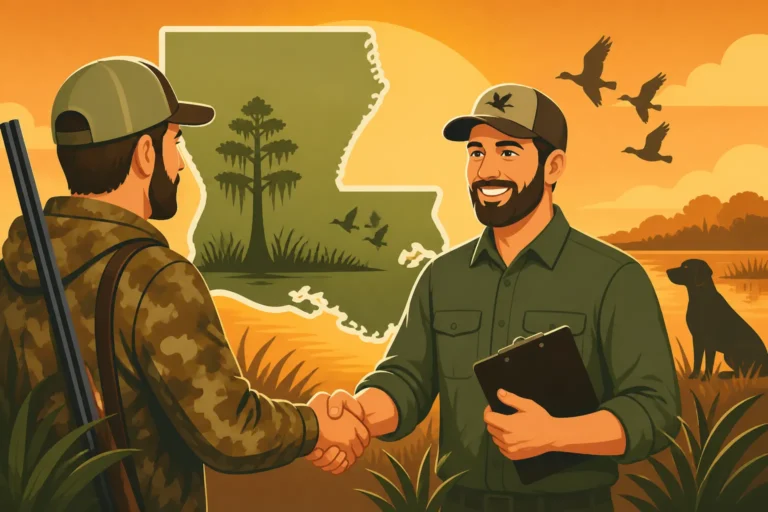
Your hunting guide isn't just there to help you find the game; they are often an invaluable resource for the post-harvest logistics, especially when it comes to taxidermy. Many seasoned guides have established relationships with local taxidermists and know the ins and outs of getting your trophy from the field to the workshop.
Guide Recommendations and Services
A good guide is a professional who wants you to have the best experience from start to finish. This includes helping you preserve your trophy. Many guides will have a list of trusted taxidermists they regularly work with. These are often folks who understand proper caping, freezing, and handling of local game. If you're coming from out of state, this local connection can be a game-changer. They know which taxidermists are reputable, have reasonable turnaround times, and produce quality work.
Sometimes, a guide will even offer to transport your caped hide directly to a local taxidermist for an additional fee, saving you a trip or the hassle of shipping it yourself. This is a huge convenience, especially after a long hunt. Always discuss these services beforehand. When you're Vetting a Louisiana Outfitter Before You Book, make sure to ask about their post-harvest services. What do they do with the cape? Do they have freezer space? Can they facilitate transport to a taxidermist? Clarifying these details will give you peace of mind.
Making Direct Arrangements Versus Referrals
You have a couple of options when it comes to taxidermy. You can either make direct arrangements with a taxidermist your guide recommends, or you can opt to take your trophy back home with you to a taxidermist you already know and trust. Both have their pros and cons.
If you choose a local Louisiana taxidermist recommended by your guide, it simplifies the immediate logistics. Your guide can often facilitate the handover, ensuring the hide gets from camp to the taxidermist quickly and correctly. This can be especially helpful with larger animals or if you're traveling a long distance. However, you'll still need to communicate directly with the taxidermist regarding the type of mount, pose, pedestal options, and payment. Websites like BookYourHunt or GoHunt can also be used to research guides and, in their reviews or services listed, you might find mention of how guides handle post-hunt services like taxidermy. This gives you a broader picture when planning.
On the other hand, taking your trophy home means you're responsible for its safe transport. This typically involves ensuring the cape is properly frozen, packaged, and shipped or driven in a cooler. Shipping can be costly and requires careful attention to packaging to prevent freezer burn or thawing. For hunters who have a long-standing relationship with a taxidermist in their home state, this might be the preferred option, but it adds another layer of logistical planning to your hunt.
Understanding the Taxidermy Process and Costs
Preserving your trophy is an investment, both in time and money. Knowing what to expect regarding the process and typical costs will help you make informed decisions and avoid surprises.
Types of Mounts and What They Entail
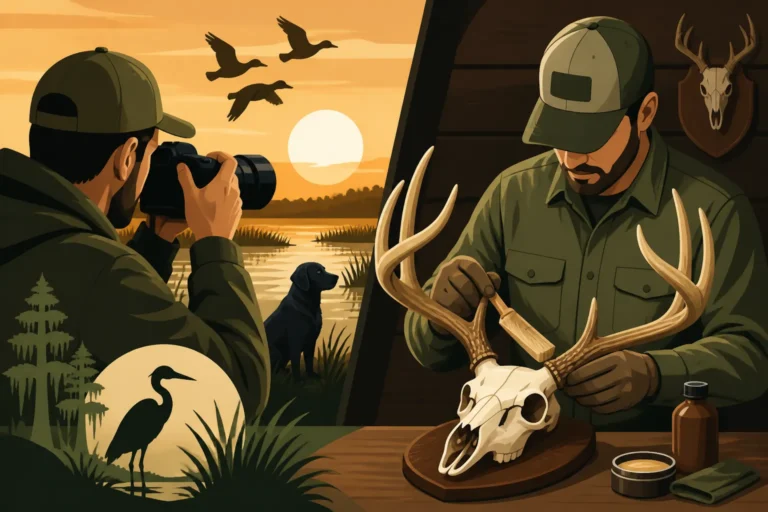
When you work with a taxidermist, you'll have several options for preserving your trophy. The most common for deer is a shoulder mount, which displays the head, neck, and shoulders. These are popular because they effectively showcase the animal's characteristics without taking up an excessive amount of space. For larger animals like a black bear or a significant feral hog, a half life-size or full life-size mount might be an option, but be prepared for a substantial increase in cost and space requirements. A European mount, which involves cleaning and bleaching the skull, is another popular and often more affordable option, providing a clean, rustic look that many hunters appreciate.
Each type of mount involves a different level of detail and material. A shoulder mount requires the entire cape, which is then tanned, fitted to a form, and sculpted. Eyes, nose, and other features are recreated with incredible realism. A European mount, while simpler in appearance, still demands careful degreasing and bleaching to ensure the skull is clean and odor-free. Discussing these options with your taxidermist, perhaps with photos of examples, will ensure you get the exact mount you envision.
Deposits, Turnaround Times, and Final Payment
Taxidermy is rarely an immediate process. Most reputable taxidermists require a deposit upfront, often a percentage of the total cost, before they begin work. This covers their initial material costs, such as forms and tanning services. The remaining balance is typically due upon completion, before you pick up or have your mount shipped.
Turnaround times can vary significantly, often ranging from several months to over a year, depending on the taxidermist's workload, the complexity of the mount, and the availability of forms and supplies. Be realistic about these timelines. A taxidermist who rushes jobs often compromises quality. Patience is a virtue when waiting for a custom piece of art. When discussing taxidermy arrangements with your guide or directly with the taxidermist, always ask about their current turnaround estimates. Also, understand the shipping process and costs if you're not picking up the mount yourself. Shipping Game Meat Home After a Louisiana Hunt is one thing, but a finished mount has its own set of logistical challenges and insurance requirements.
Avoiding Common Taxidermy Pitfalls
Even with the best intentions, things can go wrong. Being aware of common issues can help you proactively prevent them and ensure your trophy turns out exactly as you hope.
The Dangers of Improper Field Care
This is worth repeating because it's the number one killer of potential mounts: poor field care. A cape that has spoiled due to heat, been severely cut during skinning, or suffered extensive hair slippage cannot be fixed by even the most talented taxidermist. They can only work with what they're given. If your guide offers to help with caping, take them up on it, or watch carefully to learn for yourself. Ensure the cape is immediately cooled and frozen solid if you plan to transport it.
Many hunters, especially those new to trophy hunting, underestimate the delicate nature of a fresh hide. The thin skin around the eyes, nose, and ears is particularly vulnerable to tearing. If you’re not confident in your caping skills, always defer to your guide or a professional. Remember, there are no do-overs once the hide is damaged. This immediate care is a crucial part of the "taxidermy arrangement" that starts not with the taxidermist, but with you and your guide in the field.
Communication with Your Taxidermist
Once your trophy is with the taxidermist, clear and consistent communication is key. Don't be afraid to ask questions. Discuss the exact pose you want, the habitat elements you envision (if any), and any specific details that are important to you. Many taxidermists will send updates or even progress photos, but if you don't hear from them, a polite check-in after a few months is perfectly acceptable.
Conversely, some taxidermists are artists and need creative freedom. If you have a very specific vision, make sure you convey it clearly from the outset. If you're flexible, let them know that too. A good taxidermist will manage your expectations regarding timelines and potential challenges, and you should feel comfortable discussing these openly. The best mounts often come from a collaborative process between hunter and artist.
Choosing a Reputable Taxidermist
Just like Vetting a Louisiana Outfitter Before You Book, choosing a taxidermist requires due diligence. Ask your guide for their top recommendations. Look at their past work, either in person if possible, or through a portfolio of photos. Pay attention to the details: the realism of the eyes, the way the hair flows, the naturalness of the pose. A good taxidermist's work should look alive.
Beware of taxidermists who offer prices significantly lower than everyone else. While everyone loves a deal, quality taxidermy is a skilled craft that takes time, expensive materials, and expertise. Cutting corners often shows in the final product. Check for online reviews, ask for references from other hunters, and trust your gut. A taxidermist who takes pride in their work and communicates effectively is usually a safe bet. Don't hesitate to ask Questions to Ask Before Booking a Louisiana Hunt, and extend that same level of scrutiny to your taxidermy choice.
Disclaimer
This article is for general informational purposes only and does not constitute professional advice. Laws, prices and regulations vary by location and change over time. Consult a qualified professional for guidance on your specific situation.