Do Guided Hunts Include Processing?
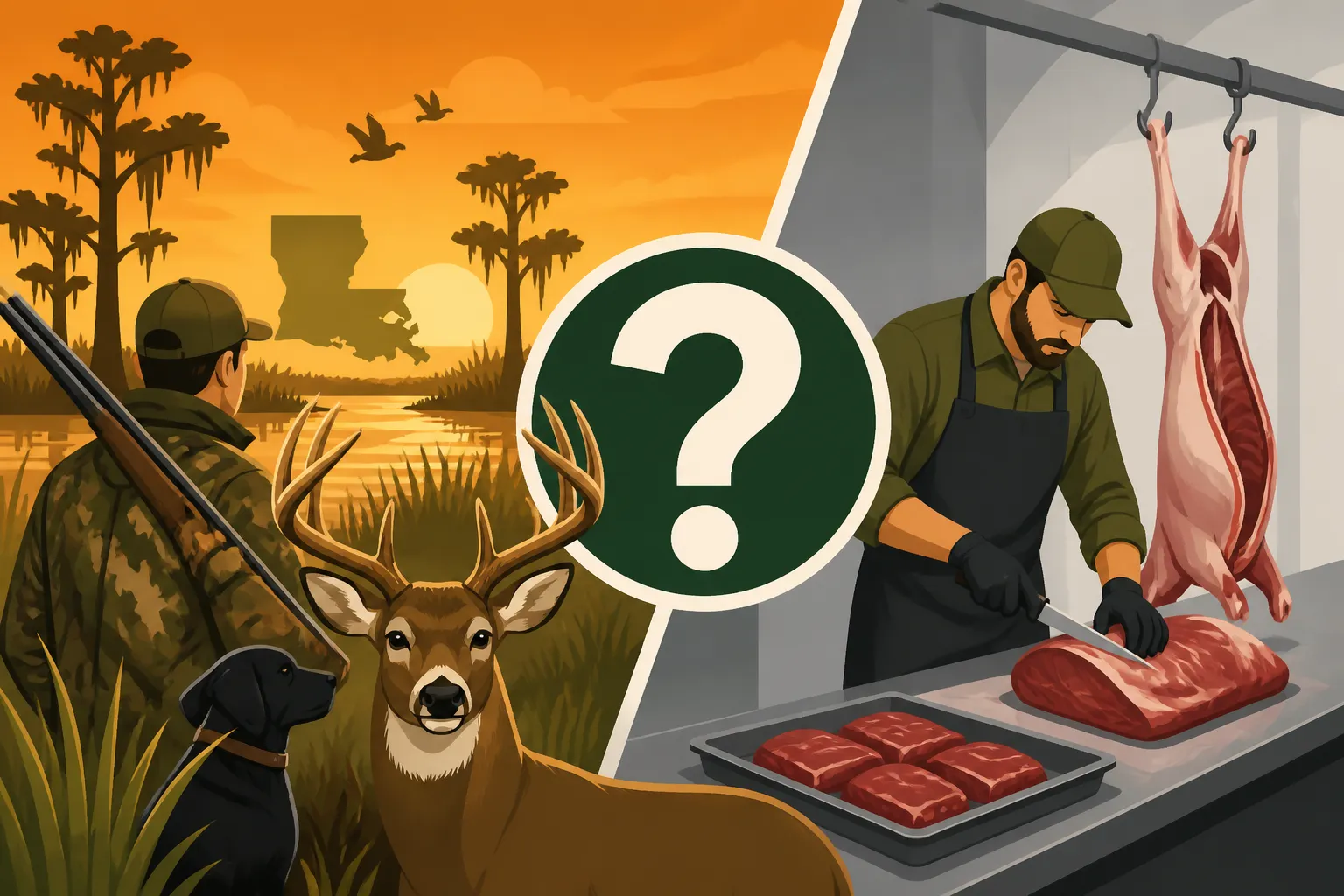
One of the most common questions I hear from folks planning a guided hunt in Louisiana, especially if it's their first time, is whether the outfitter handles all the game processing. It’s a totally valid thing to wonder about, because let’s be honest, cleaning and butchering an animal after a successful hunt can be a massive job! This guide will break down what you can realistically expect from guided hunts in the Bayou State regarding game processing, so you can plan accordingly and avoid any surprises.
Understanding What "Processing" Means on a Guided Hunt
The term "processing" can mean a lot of different things, and this is where much of the confusion lies. For hunters, it can range from field dressing to getting steaks wrapped and frozen. For guides, their definition might be a bit narrower. It's crucial to understand these distinctions to set proper expectations.
The Basics: Field Dressing and Caping
When you’re out with a guide, especially for larger game like deer or hogs, the absolute minimum you can almost always count on is help with field dressing. This means gutting the animal where it falls or shortly after retrieval. It's a messy but critical first step to cool the meat down and prevent spoilage, especially in Louisiana's often warm climate. A good guide understands the urgency here and will either perform this task quickly and efficiently or guide you through it if you want to learn. They'll have the knives and the know-how to get it done right. Think of it as the guide's responsibility to help preserve the quality of your harvest immediately after the shot.
Beyond field dressing, if you're hoping for a shoulder mount or a European mount, caping is the next step. Caping involves carefully removing the hide from the head and shoulders, preserving enough of it for a taxidermist to work with. Some guides are skilled in a basic cape, while others might just get the hide off the body and leave the detailed work for a professional taxidermist. It’s often an additional service or something they’ll help you with for an extra fee, particularly if it's a very specific cut required for a particular mount. Always ask your guide about their caping experience and if it's included, or if they can refer you to a local taxidermist who can meet you.
The Real Processing: Butcher Shop Services
When most hunters talk about "processing," they're usually thinking about the full package: taking the field-dressed animal to a professional butcher, having it cut into steaks, roasts, and ground meat, perhaps made into sausage, vacuum-sealed, and frozen. This comprehensive service is almost universally not included in the base price of a guided hunt.
Think of it this way: a guided hunt provides the expertise, access, and opportunity to harvest an animal. The actual transformation of that animal into freezer-ready meat is a separate, specialized service performed by a meat processor. These facilities have the proper refrigeration, equipment, and trained staff to handle large volumes of game efficiently and hygienically. They also carry the liability for the final product. Your guide's job is to help you successfully harvest the animal and get it to a point where it's ready for that next step. Expecting a guide, especially on a public land hunt or a day trip, to then butcher and package your entire harvest is simply unrealistic, given the time, space, and equipment required.
When Guides Might Include Basic Processing
While full processing is rare, there are nuances depending on the type of hunt, the species, and the outfitter's setup. Some outfits go above and beyond, but these are often higher-end, all-inclusive experiences.
Day Hunts vs. Multi-Day Lodge Packages
On a standard day hunt, especially for deer or hogs, your guide will almost certainly help you retrieve your animal and field dress it. From that point, you're usually responsible for getting it to a processor or taking it home to butcher yourself. The guide's role concludes once the animal is field-dressed and loaded onto your vehicle or their transport.
However, if you're on a multi-day, all-inclusive lodge package, the situation can be a bit different. Many reputable lodges understand that hunters are traveling and may not have the facilities to deal with a whole carcass. These types of outfits often have walk-in coolers on-site where your field-dressed animal can hang and cool properly. Some may even offer to transport your animal to a local, pre-arranged butcher for you. They might have a relationship with a specific processor and can facilitate the drop-off, but the processing fees themselves will still be your responsibility. This is a huge convenience, especially after a successful Louisiana Deer Hunting Area by Area experience, as it removes a major logistical headache. Always clarify these details when discussing a booking.
Species-Specific Considerations
The "processing" expectation also shifts depending on what you're hunting:
- Deer: For deer, field dressing is a given. Some guides might offer to skin the deer if they have a dedicated skinning shed or a winch setup, which can be a huge help. But the cuts, grinding, and packaging will nearly always fall to a professional processor or your own efforts. Check out our article on Field Dressing a Deer in Warm Weather to understand why quick cooling is so vital here.
- Feral Hogs: Hogs are similar to deer. Field dressing is standard. Due to their prolific nature and the emphasis on meat rather than antler trophies, detailed caping might be less common unless specifically requested and agreed upon. Hunters often focus on getting the meat cooled quickly.
- Waterfowl (Ducks/Geese): If you're hunting ducks or geese in the Louisiana marsh, especially with a dedicated waterfowl guide, they often include breasting out the birds. This means removing the breast meat, which is the most common way to prepare waterfowl. They might even have facilities to rinse and bag the breasts. Full plucking of all birds for whole-bird cooking is much less common and would likely be an extra, specialized service due to the sheer number of birds in a typical bag limit and the time involved. Some lodges will have freezer space to hold your breasted-out birds until you depart. Consider a guide if you’re new to Waterfowl Hunting the Louisiana Coastal Marsh.
- Alligators: Alligator hunting is a unique beast. Your guide will absolutely help you dispatch the alligator, secure it, and bring it in. The initial processing typically involves skinning and gutting the alligator. Many guides are skilled in this, as the hide is a valuable part of the harvest, and the meat needs to be cleaned properly. However, breaking down the various cuts of meat (tail, jaw, ribs) and packaging them will typically be an additional service from a dedicated alligator processor, or something you handle yourself. Getting an alligator from the water to a processor is a significant undertaking, so their assistance with the initial breakdown is invaluable. For more on this, look into Landing an Alligator From a Small Boat.
The Financial Side: What You'll Likely Pay For
Since full processing is generally not included, understanding the associated costs is paramount for budgeting your hunting trip. These are separate expenses that come after you've paid your guide for the hunt itself.
Butcher Shop Fees and Services
When you take your game to a professional butcher, you're paying for their expertise, equipment, and time. Most processors offer a range of services:
- Standard Cut & Wrap: This is the basic service where they break down the carcass into standard cuts (steaks, roasts), grind leftover meat, and package it for your freezer.
- Specialty Products: Many processors offer additional services like making sausage (often with pork added for flavor and fat), jerky, boudin, or even specialty cuts. These come at an extra charge per pound or per batch.
- Cooling & Storage: Some will charge a daily fee if your animal needs to hang and cool for an extended period, or if you need to store your processed meat before pick-up.
Costs will vary, but you can expect fees based on the hanging weight of the animal or a flat fee per animal. It’s always best to call a few local processors in the area where you'll be hunting before your trip to get an idea of their pricing and services. This helps you factor it into your overall budget.
Special Requests: Caping and European Mounts
If you’re fortunate enough to bag a trophy animal – say, a big buck in the Florida Parishes – you'll want to preserve it. As mentioned, basic caping assistance from your guide might be offered, but the intricate work of preparing a hide for a shoulder mount is best left to a professional taxidermist. Even if your guide helps with the initial cape, the cost of the taxidermy itself is a significant, separate expense.
Similarly, a European mount (cleaned skull) involves specific processes like boiling, cleaning, and sometimes bleaching. While some hunters do this themselves, a taxidermist or specialized cleaning service can ensure a professional, clean result. These services are never included in a guided hunt package and will incur additional costs directly with the taxidermist. Many guides have preferred local taxidermists they can recommend, which is a good sign of their commitment to their clients' full experience.
How to Confirm Processing Details Before You Book
The best way to avoid disappointment is to ask detailed questions before you put down a deposit. Don't assume anything. Clear communication is key to a successful and enjoyable hunting trip.
Questions to Ask Your Outfitter Directly
When you're speaking with a potential outfitter, whether for a Primitive Firearms Deer Hunting in Louisiana trip or a marsh duck hunt, make a list of specific questions about game handling:
- "What exactly do you include for game retrieval and initial preparation after a successful harvest?"
- "If I get a deer/hog, do you offer assistance with field dressing and getting it out of the woods?"
- "Do you have a cooler or cold storage facilities on site where the animal can hang?"
- "Do you transport the animal to a local processor, and if so, what is the cost for that transport service?"
- "Can you provide recommendations for local meat processors and taxidermists in the area?"
- "What are the typical costs for processing a deer/hog/alligator at the local facilities you recommend?"
- "If I harvest ducks, is breasting out included, and do you have facilities to store the meat?"
- "If I want a caped hide for taxidermy, what level of service do you provide, and is there an extra charge?"
Don't be shy. A good outfitter will appreciate your thoroughness and be happy to provide clear answers. If they're vague or seem annoyed by your questions, that might be a red flag.
Reviewing Contracts and Package Details
When you book a hunt, you'll often receive a contract or a detailed itinerary that outlines what's included in your package. Read this document carefully. Look for specific language about game handling, processing, and taxidermy. If it says "field dressing included" but nothing else, assume everything beyond that is your responsibility and cost.
Websites like BookYourHunt or GoHunt often list what's included in a package. While these platforms are great for finding options, remember that their descriptions are summaries. Always follow up directly with the outfitter to confirm the granular details, especially regarding processing, as it can be a significant cost and logistical consideration. A reputable outfitter will have clear terms and conditions.
Contingency Planning for Your Harvest
Even with clear communication, it's wise to have a backup plan.
- Late Harvest: What if you bag your trophy buck just before dark on your last hunting day? You might not have time to get it to a processor immediately. Knowing if the guide has a cooler or can arrange overnight storage is crucial.
- Transportation: How will you transport your field-dressed animal? Do you have enough cooler space and ice, especially for a long drive home in Louisiana's heat? A large deer or hog carcass takes up a lot of room.
- Ice Supply: For any game, especially small game or waterfowl, having a reliable source of ice is paramount for preservation. Ask your lodge or guide about ice availability.
Making Arrangements for Your Harvest Post-Hunt
Once the hunt is over and you've harvested your game, the journey isn't quite done. You need a plan to get that hard-earned meat from the field to your freezer.
Local Processor Recommendations
Most reputable guides have established relationships with local meat processors. They know who does good work, who's reliable, and who can handle game quickly. Lean on their expertise. They might even have forms from the processor that you can fill out ahead of time, indicating your cutting preferences (steaks, roasts, grind, sausage type).
It’s a great idea to make a quick call to the recommended processor yourself before the trip. Confirm their hours of operation, current pricing, and estimated turnaround times. This will help you plan your pick-up or shipping. Sometimes, in peak season (like the early firearms season), processors can be backed up, so knowing this upfront can prevent stress.
Self-Processing Options and Logistics
For some hunters, processing their own game is part of the tradition, and it can save a good chunk of money. If you plan to self-process, you'll need to consider logistics:
- Equipment: Do you have the knives, grinder, vacuum sealer, and freezer space at home or camp?
- Cooling: How will you keep the carcass cool until you can process it? This usually involves a large cooler, plenty of ice, and potentially a cool room. Remember that a whole deer or hog is a big animal to cool effectively.
- Travel: If you're traveling a significant distance, transporting a whole or quartered, field-dressed animal can be challenging. Ensure you have adequate large coolers and a steady supply of ice to maintain proper temperatures. Trying to butcher a deer in your motel room is generally not a viable option!
For multi-day trips, especially if you're staying in a cabin or lodging with kitchen facilities, a small group might tackle processing together. It's a great way to bond and share the workload. However, be aware of any rules your lodging might have about processing game on-site.
Shipping Meat Home
If you're an out-of-state hunter or just traveling a long distance, shipping your processed meat home is another option, though it comes with its own costs and complexities.
- Professional Shipping: Some meat processors offer shipping services. They will typically vacuum-seal and freeze your meat solid, then pack it in insulated shipping containers with dry ice. This is the most reliable method but can be expensive due to the weight and expedited shipping requirements.
- Airline Travel: If you fly, you can often check a cooler of frozen meat as luggage. However, you must ensure the meat is frozen solid, properly packaged, and meets airline and TSA regulations regarding weight and dry ice. Always check with your specific airline before your trip, as rules can vary and change. It's often easier if the meat is fully processed and packaged by a professional, making it less likely to cause issues.
- Cooler Management: For driving, plan for plenty of coolers and ice. If you're on a long drive back from, say, a Hunting the Atchafalaya Basin trip, replenishing ice every few hours is critical. Consider freezing large blocks of ice or using dry ice for longer journeys.
Here's a quick summary table of what's typically included versus what you'll usually pay extra for on a guided hunt:
| Service/Item | Typically Included by Guide (Base Price) | Usually NOT Included (Extra Cost/Your Responsibility) | Notes |
|---|---|---|---|
| Deer/Hogs | Field dressing, game retrieval to camp/vehicle, basic cooling (at lodge) | Full butchering (cut, wrap, grind), sausage/jerky making, detailed caping, taxidermy | Guide's role is to ensure meat quality post-harvest; professional processing is separate. |
| Waterfowl | Breasting out birds, initial cleaning/rinsing, storage (at lodge) | Full plucking of whole birds, advanced processing (e.g., deboning), shipping | Breasting is common for ducks/geese; full plucking is very time-intensive and usually not offered. |
| Alligators | Dispatching, securing, retrieval, initial skinning/gutting | Detailed meat cuts, packaging meat, hide tanning, taxidermy | Initial breakdown is complex, so guide's help here is invaluable. |
| Cooler/Freezer Space | Limited cooler space at camp/lodge for temporary storage | Dedicated long-term freezer storage, large personal coolers for transport | Confirm availability and duration of storage at the lodge. |
| Transport to Processor | Sometimes offered as an added service or included in premium packages | Cost of professional meat processing, shipping costs for processed meat | Always ask if transport is provided and if there's an associated fee. |
In conclusion, while guided hunts in Louisiana almost always include the critical first steps of game retrieval and field dressing, the comprehensive processing of your harvest into freezer-ready packages is generally a separate expense and logistical consideration. By asking the right questions upfront, reviewing your booking details, and having a clear plan for your game post-hunt, you can ensure a smooth and enjoyable experience, making the most of your time in the field. Don't forget to factor these "after-hunt" costs into your budget so there are no surprises when you're celebrating your success. And remember, a good guide's assistance in the field is worth its weight in gold, especially when you're far from home.
Disclaimer
This article is for general informational purposes only and does not constitute professional advice. Laws, prices and regulations vary by location and change over time. Consult a qualified professional for guidance on your specific situation.