What a Day of Guided Marsh Ducks Costs
Planning a guided duck hunt in Louisiana's coastal marsh can feel like trying to nail down a moving target. You're dreaming of those crisp mornings, the sound of wings overhead, and maybe even a limit of greenheads, but the practical side of budgeting and understanding what you're actually getting into can be a real headache. This guide is here to demystify the costs and expectations of booking a single-day guided marsh duck hunt, helping you make an informed decision for your next bayou adventure.
Understanding the Core Elements of Guided Marsh Hunts
When you start looking into guided duck hunts in Louisiana's expansive coastal marsh, it's easy to get overwhelmed by the range of options and what each one promises. It's not just about showing up with a shotgun; there's a whole ecosystem of services and logistics that go into making that morning hunt successful. Knowing what the base rate typically covers and what factors can swing that price up or down is crucial for setting your expectations and your budget.
What's Typically Included in a Day Rate?
Most guided marsh duck hunts are structured around a "day rate," which generally covers the core hunting experience. This isn't just the act of shooting ducks; it's the entire logistical ballet that gets you out into the marsh and, hopefully, back with some birds. Think of it as a package deal designed to handle the complexities of hunting in a unique, sometimes challenging, environment.
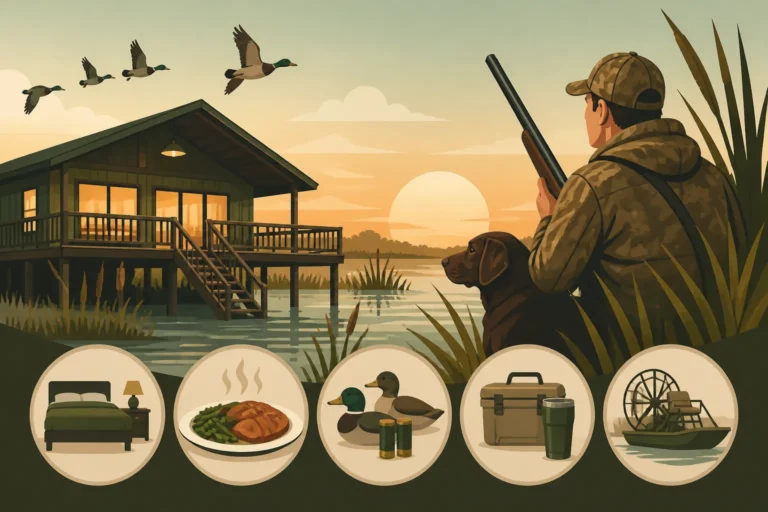
A typical day rate almost always includes the expertise of a professional guide. This isn't just some guy with a boat; these are individuals who live and breathe the marsh, understanding waterfowl movements, tide changes, weather patterns, and where to set up for the best shot opportunities. They've likely spent countless hours scouting, setting blinds, and maintaining their equipment. Beyond their knowledge, the day rate covers the use of their boat or marsh buggies to transport you to and from the hunting location. Accessing prime marsh spots often requires specialized shallow-draft boats capable of navigating the labyrinthine bayous and ponds, or even airboats in certain areas. You'll also find that the guide provides a comfortable, well-brushed blind, already set up and waiting for you. This could be a permanent pit blind, a floating blind, or even layout blinds tucked into the vegetation. Decoys are another significant inclusion; setting out a realistic spread of hundreds of decoys in the marsh is a laborious task that guides handle long before you arrive. Some guides might also provide a retriever, which is a huge bonus, especially in the thick cover and water of the marsh where downed birds can be notoriously difficult to find. Finally, many guides offer basic bird cleaning at the end of the hunt, getting your ducks ready for the cooler. You're not just paying for the shot opportunities; you're paying for the access, the setup, the knowledge, and the labor that makes it all possible.
Factors Influencing Base Pricing
While there's a general range for a day of guided marsh duck hunting, several key factors can significantly influence the base price you're quoted. It's rarely a one-size-fits-all figure, and understanding these variables can help you understand why some operations cost more than others.
One of the biggest factors is the location and the quality of the hunting grounds. Guides operating on vast, privately leased marshland or those with exclusive access to prime areas known for consistently holding large numbers of ducks often command higher rates. These leases can be incredibly expensive for the guide, and that cost is naturally reflected in what they charge hunters. Think about the difference between hunting a widely accessible public WMA and a private tract renowned for its massive concentrations of Waterfowl Hunting the Louisiana Coastal Marsh. The type of waterfowl you're targeting can also play a role. While most marsh hunts are for a mixed bag of dabblers and divers, some specialized operations might focus on specific species like specklebellies or even geese, which can involve different equipment, calling techniques, and scouting, leading to varied pricing. The experience and reputation of the guide himself are also paramount. A guide with decades of experience, a consistent track record of success, and glowing testimonials will naturally be in higher demand and can charge more than a newer guide building their clientele. Just like any professional service, expertise comes at a premium. Furthermore, the size of your hunting party can affect the per-person cost; some guides offer slightly reduced rates for larger groups or might require a minimum number of hunters to book certain dates.
Navigating Different Types of Marsh Duck Guides and Their Offerings
The world of guided marsh duck hunting in Louisiana isn't homogenous. Just like there are different types of fishing charters or deer camps, there are distinct models for duck hunting outfitters, each with its own advantages, disadvantages, and, of course, price points. Understanding these differences is key to finding the right fit for your budget and your expectations for the overall experience.
Independent Guides vs. Full-Service Lodges
When considering a guided marsh duck hunt, you'll generally encounter two main operational models: independent guides and full-service lodges. Each offers a distinct experience, impacting both the cost and the amenities provided.
An independent guide typically operates on a smaller scale. They usually own their boat, have leases on prime marshland, and work directly with clients. With an independent guide, you're primarily paying for the hunt itself – the guide's expertise, the boat ride to the blind, the decoys, and usually some basic bird processing. Think of it as a no-frills, focused hunting experience. You'll often meet the guide at a pre-determined boat launch or marina in the early morning, head out for the hunt, and then depart once the hunting is done and the birds are cleaned. The advantage here is often a more personalized feel and potentially a lower base cost for the hunt itself, as you're not paying for overhead like lodging, meals, or additional staff. However, you're responsible for all other logistics: booking your own hotel, finding meals, and handling travel to and from the meeting point. For hunters who prefer to manage their own accommodations or are locals simply looking for a guided day in the marsh, this can be an excellent and cost-effective option. You might find these guides through word-of-mouth or by searching platforms like BookYourHunt for local operators.
Full-service lodges, on the other hand, offer a comprehensive package that extends far beyond just the hunt. These operations often include multiple guided hunts (morning and sometimes afternoon), comfortable lodging at their facility, delicious Cajun cuisine (think gumbo, jambalaya, fresh seafood), and often amenities like game rooms or lounge areas. They handle most of the logistics, from the moment you arrive until you depart. You show up, settle into your room, and everything else – meals, transportation to the blinds, guides, decoys, bird processing – is taken care of. While the per-day cost for a lodge package is significantly higher than just booking an independent guide, it provides a seamless, luxurious, and often more social experience. This is particularly appealing for groups, corporate outings, or hunters traveling from out of state who want a complete Louisiana hunting adventure without the hassle of coordinating every detail. Often, these lodges are found in prime Hunting the Vermilion Parish Marsh or Hunting the Terrebonne Parish Marsh areas, boasting exceptional access. When you consider what a guided marsh duck lodge stay costs over multiple days, the value of the comprehensive experience often becomes clear.
Specialty Hunts (Specklebelly, Diver Ducks)
While most guided marsh duck hunts in Louisiana offer a mixed bag of dabbling ducks like mallards, gadwalls, and teal, some guides or lodges specialize in targeting specific species. These specialty hunts can sometimes come with a different price structure or require a different set of expectations regarding what's included and the hunting experience itself.
Specklebelly goose hunts, for instance, are incredibly popular in Louisiana, especially as the season progresses. These hunts often occur in different types of terrain than typical duck hunts, primarily focusing on agricultural fields such as rice or soybean stubble where geese come to feed. The setup for specklebellies involves massive decoy spreads, often hundreds of full-body decoys, and experienced callers who can mimic their unique, high-pitched vocalizations. Guides specializing in these hunts might use layout blinds or elaborate pit blinds in fields, which require different logistical considerations and equipment than marsh duck blinds. The cost for a guided specklebelly hunt might be comparable to a duck hunt, but sometimes slightly higher due to the sheer volume of decoys, the different scouting required, and the specific field leases involved. It's a different rhythm of hunting, often characterized by bursts of intense action followed by quiet lulls.
Diver duck hunts, targeting species like canvasbacks, redheads, and scaup, also represent a distinct style of hunting. While some diver ducks can be found in the brackish marsh, dedicated diver hunts often take place on larger, more open water bodies like bays or expansive lakes, or deeper pockets within the marsh. These hunts typically involve large spreads of diver decoys, anchored in deeper water, and specialized boats capable of handling choppier conditions. The techniques for calling and setting up for divers differ significantly from dabbling ducks. Some guides might specifically cater to diver enthusiasts, and while the base cost for the hunt itself might be similar to a general duck hunt, the unique equipment, boat requirements, and sometimes longer runs to specific locations can influence pricing. Always clarify with a potential guide what species they primarily target and what kind of setup to expect, especially if you have a specific bird in mind.
Beyond the Sticker Price: Hidden Costs and Considerations
It's easy to focus solely on the quoted "day rate" for a guided marsh duck hunt, but a smart hunter knows that the true cost involves more than just the guide's fee. There are several additional expenses and considerations that, if overlooked, can quickly add up and leave you with a surprisingly hefty bill. Planning for these often-overlooked details ensures a smooth and stress-free trip.
Licensing, Stamps, and Gear Essentials
Before you even step foot in a blind, there are mandatory expenses that every hunter in Louisiana must cover, regardless of whether they're with a guide or hunting solo. These aren't included in a guide's fee and are critical for legal hunting.
First and foremost, you'll need a valid Louisiana hunting license. For residents, there are various options, including a basic license, while non-residents will need to purchase a specific Louisiana Nonresident Hunting License Options or even a Louisiana's Five-Day Nonresident License if they're only visiting for a short trip. Beyond the basic license, migratory bird hunters are required to purchase a Louisiana Migratory Bird Hunting and Conservation Stamp and a Federal Duck Stamp. These stamps fund critical wetland conservation efforts and are non-negotiable for waterfowl hunting. The costs for these licenses and stamps can vary, so it's essential to check the current rates on the Louisiana Department of Wildlife and Fisheries (LDWF) website well in advance of your trip. Many hunters find it convenient to purchase their licenses and stamps online through the Buying a License on Louisiana Outdoors portal. Forgetting these can mean you can't hunt, or worse, face fines. Beyond licenses, consider your personal gear. While guides provide the big stuff like boats and blinds, you're responsible for your shotgun, ammunition, appropriate waterproof clothing (marsh hunting is wet!), waders or tall waterproof boots, and eye and ear protection. If you don't own these items, the cost of purchasing them can be significant, especially for quality waterfowl gear. Don't forget a sturdy cooler to transport your cleaned birds home safely.
Gratuities and Other Optional Expenses
Once the hunting is done, and the birds are counted, there's another crucial expense to consider that isn't typically part of the upfront fee: gratuities for your guide. Tipping is a long-standing tradition in the outdoor guiding industry and is a way to show appreciation for hard work, expertise, and a memorable experience.
While there's no fixed rule, a common guideline for tipping a hunting guide is to offer 15-20% of the total hunt cost. If your guide went above and beyond – putting you on birds in tough conditions, retrieving every downed bird, being exceptionally friendly and helpful – you might consider tipping towards the higher end of that range. Conversely, if the experience was subpar due to the guide's effort or attitude (not just slow hunting, which isn't always their fault), a lower tip might be appropriate. It's always best to come prepared with cash for tips, as many guides operate independently and might not have means to accept electronic payments on the spot. You can find more detailed guidance on Tipping Guides and Boat Captains to ensure you're prepared. Beyond the tip, think about any optional services. Will you want your birds professionally processed beyond the basic cleaning? Many guides have relationships with local processors who can pluck, breast, and vacuum-seal your birds for a fee. If you shoot a particularly striking bird, like a pintail or a wigeon, you might want to consider taxidermy. These are additional costs that can quickly add up. Don't forget travel expenses like fuel for your vehicle, potential overnight accommodations if you're not staying at a lodge, and meals outside of any provided by a lodge. These smaller, individual costs, while seemingly minor, collectively contribute to the overall expenditure of your guided marsh duck hunt.
Making Smart Decisions: Vetting Guides and Booking Strategies
Choosing the right guide for your Louisiana marsh duck hunt is just as important as the hunt itself. A great guide can make a mediocre day of shooting feel incredible, while a poor one can sour even the best bird action. With so many options out there, from seasoned veterans to newer operations, it pays to do your homework and approach the booking process strategically.
Asking the Right Questions Before You Book
Before you commit to a guide and put down a deposit, it's absolutely vital to have a detailed conversation with them. Don't be shy; reputable guides expect and welcome questions from serious clients. This is your investment in a quality hunting experience, so ensure you have all the facts.
Start by clarifying exactly what the day rate includes. Does it cover ammunition? Bird cleaning beyond just the basic breasting? Does it include a retrieve dog? Make sure there are no surprises about what you're expected to provide versus what the guide covers. Ask about the location of the hunt. Will you be hunting public land (which is rare for guided duck hunts but possible) or private leases? Understanding the type of ground you'll be on can give you insight into potential hunting pressure and bird concentrations. It's also wise to inquire about the guide's typical success rates, but interpret these with a grain of salt – hunting is never guaranteed. Ask how they handle slow days or poor weather. Do they offer rain checks or rescheduling options if conditions are truly unfishable or unhuntable? This is especially critical in Louisiana, where severe weather can pop up quickly. Another key question involves group size. Will you be hunting with other parties, or will your group have exclusive use of the blind? Some hunters prefer the camaraderie of a larger group, while others seek a more intimate experience. Finally, always ask for references from recent clients. A good guide will happily provide these, and speaking with past hunters can offer invaluable insights into what to expect. This due diligence can prevent many headaches down the road.
Leveraging Online Resources for Research
In today's digital age, hunters have an incredible array of online resources at their fingertips to research and vet potential guides. Platforms and communities exist specifically to help connect hunters with reputable outfitters and gather genuine feedback.
Websites like BookYourHunt and GoHunt are fantastic starting points. These platforms often list numerous outfitters and guides, complete with detailed descriptions of their services, photos, and, crucially, client reviews. Reading through these reviews can provide a candid look at other hunters' experiences, highlighting both the positives and any potential drawbacks. Pay attention to consistent themes in reviews, whether it's praise for a guide's calling ability or consistent complaints about communication. These platforms also often provide a standardized way to compare different offerings side-by-side, making it easier to filter by location (like Hunting the Vermilion Parish Marsh or Hunting the Terrebonne Parish Marsh), species, and price range. Beyond dedicated booking sites, delve into online hunting forums, social media groups, and even YouTube channels focused on Louisiana hunting. Many guides maintain active social media presences where they post daily reports, photos, and videos, giving you a real-time glimpse into their operation and success. While these should be viewed with a critical eye (it's easy to post only the best days!), they can still offer valuable context. Don't underestimate the power of a simple Google search combined with phrases like "Louisiana marsh duck guide reviews" or "Coastal Marsh Duck Lodge Multi-Day Rates". The more sources you consult, the clearer picture you'll get, helping you make a confident decision when choosing your guide.
Is a Guided Marsh Hunt Worth the Investment?
After considering all the costs and logistics, you might be asking yourself if a guided marsh duck hunt is truly worth the financial investment. It's a fair question, especially when public land opportunities exist. However, for many hunters, the unique advantages and enhanced experience offered by a reputable guide make it an absolutely worthwhile endeavor.
Weighing the Pros and Cons
Like any significant purchase or experience, there are distinct advantages and disadvantages to consider when deciding whether to book a guided marsh duck hunt. Objectively looking at both sides can help you determine if it aligns with your personal hunting goals and resources.
On the "pro" side, convenience is king. A guided hunt eliminates the immense logistical burden of scouting, acquiring leases, setting up blinds, deploying decoys, and navigating unfamiliar and often treacherous marsh terrain. For hunters traveling from out of state or those with limited time, this convenience is invaluable. You simply show up, and the hunt is ready for you. Expert knowledge is another massive benefit. Louisiana marsh guides possess an unparalleled understanding of waterfowl movements, local conditions, and effective calling techniques. They can put you on birds when you might struggle to find them on your own, significantly increasing your chances of success. Furthermore, safety in the marsh, especially in the dark pre-dawn hours, is paramount. Guides are experienced boat operators familiar with the waterways, reducing the risk of getting lost or having an accident. Finally, a guided hunt often provides access to private, prime hunting grounds that are otherwise inaccessible, where Why the Coastal Marsh Concentrates Ducks due to ideal habitat and reduced pressure.
However, there are "cons" to consider. The most obvious is the cost. Guided hunts are an investment, and they are significantly more expensive than a self-guided trip on public land. For budget-conscious hunters, this can be a major deterrent. While guides increase your chances of success, they do not guarantee a limit. Hunting is inherently unpredictable, and there will be slow days, even with the best guide. It's crucial to manage expectations. You also relinquish some control over the hunt. The guide dictates the blind location, the setup, and often the calling strategy. For hunters who prefer to be fully self-reliant and make all their own decisions, this lack of autonomy might be a downside. Lastly, while most guides are excellent, there's always the risk of a subpar experience with a less reputable operator. This is why thorough vetting is so important.
Scenarios Where a Guide Shines
Despite the costs, there are specific situations and types of hunters for whom a guided marsh duck hunt isn't just a luxury, but often the best, most efficient, or even only way to experience this iconic Louisiana tradition.
For out-of-state hunters, a guide is almost essential. Imagine flying into Louisiana, renting a car, and trying to navigate a vast, complex marsh system you've never seen before, all while trying to locate ducks and find legal hunting access. It's a monumental, often impossible, task. A guide provides the local knowledge, equipment, and access that makes the trip feasible and enjoyable. Similarly, new or inexperienced waterfowl hunters gain immensely from a guided trip. It's an incredible learning experience, offering a crash course in everything from blind etiquette and decoy spreads to effective calling techniques and bird identification. You're essentially getting real-time instruction from a seasoned pro. Hunters seeking to cross off specific species from their bucket list, perhaps a canvasback or a mottled duck, might find a specialty guide invaluable, as these guides know the precise habitats and methods needed for those particular birds. Finally, for groups looking for a hassle-free, memorable experience – perhaps a bachelor party, a family reunion, or a corporate retreat – a full-service lodge or a well-organized independent guide handles all the details, allowing everyone to focus on the camaraderie and the hunt itself. From the moment you step foot in the lodge, to the last duck cleaned, everything is taken care of. A guided hunt transforms the complex undertaking of marsh duck hunting into an accessible, exciting adventure for many, truly embodying the spirit of Louisiana Deer Camp Traditions but for waterfowl.
| Feature / Service | Typical Independent Guide Day Rate | Full-Service Lodge Package |
|---|---|---|
| Professional Guide | Included | Included |
| Boat/Transportation | Included (to/from blind) | Included (to/from blind) |
| Decoys & Blind Setup | Included | Included |
| Ammunition | Not included (sometimes available) | Not included |
| Meals | Not included | Included (multiple meals) |
| Lodging | Not included | Included |
| Bird Cleaning (basic) | Usually included | Usually included |
| Retriever Dog | Often included | Often included |
| Licensing/Stamps | Not included (hunter's responsibility) | Not included (hunter's responsibility) |
| Gratuity | Expected (15-20%) | Expected (15-20%) |
| Post-Hunt Processing | Available for extra fee | Available for extra fee |
| Social Atmosphere | Limited | Often significant |
Disclaimer
This article is for general informational purposes only and does not constitute professional advice. Laws, prices and regulations vary by location and change over time. Consult a qualified professional for guidance on your specific situation.