Year-Round Booking for Louisiana Hog Hunts
Feral hogs are a year-round challenge in Louisiana, causing immense damage and offering hunters a unique opportunity to contribute to conservation while enjoying thrilling action. If you've ever felt that itch to hunt outside of deer or turkey season, or you're looking for a new, exciting experience, booking a guided hog hunt in the Pelican State can be the perfect solution. This guide will walk you through everything you need to know about finding and securing a hog hunt in Louisiana, no matter the time of year.
Why Louisiana Hog Hunting is a Year-Round Opportunity
Louisiana's mild climate and abundant natural resources create a perfect storm for feral hogs to thrive, making them a pervasive nuisance for landowners and a year-round opportunity for hunters. Unlike regulated game species with strict seasons and bag limits, feral hogs are an exotic invasive species that can be pursued throughout the entire year. This unique regulatory landscape means that whenever the hunting urge strikes, a hog hunt is likely a viable option, offering consistent action and a chance to hone your skills.
The ability to hunt hogs year-round is a huge draw for many, especially those who feel the post-deer season blues or are looking for something to do before turkey season kicks into high gear. It keeps you connected to the outdoors, allows you to practice your shooting and scouting skills, and provides fantastic wild game for the table. Plus, by removing feral hogs, you're actively participating in conservation efforts, helping to protect native wildlife and agricultural interests from their destructive habits. It's a win-win scenario: exciting hunting for you and much-needed relief for the land.
The Persistent Problem of Feral Hogs
If you live in Louisiana or know anyone with agricultural interests, you're intimately familiar with the sheer devastation feral hogs can wreak. These intelligent, prolific animals breed year-round, with sows capable of producing multiple litters annually, often having six to eight piglets per litter. This incredible reproductive rate means their populations explode quickly, making continuous control efforts absolutely necessary. They tear up crops, root through valuable timber stands, destroy sensitive wetlands, and compete directly with native wildlife for food sources. Feral Hogs Across Louisiana is a serious read if you want to understand the scope of the issue and why continuous hunting pressure is so vital.
Because of this ecological and economic damage, Louisiana's hunting regulations treat feral hogs very differently from other game animals. On private land, there is no closed season, no bag limit, and no time restrictions for hunting feral hogs. This freedom means that outfitters and private landowners can offer hunts literally every single day of the year, provided they have hogs and hunters ready to go. This makes them a prime target for continuous management and a fantastic resource for hunters seeking consistent opportunities. The state actively encourages their removal, recognizing the widespread damage they cause.
The Appeal of Off-Season Action
For many dedicated hunters, the end of deer season can feel like a long, quiet stretch until spring turkey season arrives. And once turkey season wraps up, it's often a waiting game until fall rolls around again. This is precisely where year-round hog hunting steps in to fill the void. It offers an exhilarating chase when other game animals are off-limits, keeping you sharp and engaged in the field. Imagine hitting the woods in July, stalking through the heat, or pursuing hogs under a cold January moon—it's a completely different challenge and a great way to experience Louisiana's diverse landscapes at various times of the year. This versatility is what makes Hunting Louisiana's Year-Round Feral Hogs so appealing.
Beyond just filling the calendar, hog hunting provides unique scenarios that might not be part of your typical deer or turkey hunt. It often involves more active stalking, quicker shot opportunities, and a different kind of scouting. Plus, there's the added satisfaction of knowing you're helping control an invasive species. Landowners are often eager to have hunters help them mitigate damage, which can sometimes translate into more affordable or accessible hunting opportunities than those for deer or turkey. If you're looking for a consistent, impactful, and exciting hunting experience, look no further than Louisiana's plentiful wild hogs.
Understanding Different Types of Louisiana Hog Hunts
When you start looking into booking a hog hunt in Louisiana, you'll quickly realize that "hog hunting" isn't a one-size-fits-all activity. Outfitters have developed various methods and packages to address the unique challenges and opportunities presented by feral hogs, as well as to cater to different hunter preferences and budgets. Understanding these distinctions is crucial for choosing the right experience for you and ensuring you get what you expect from your trip.
From quick day trips to immersive multi-day adventures, and from silent thermal stalks to adrenaline-pumping dog drives, the options are as varied as the Louisiana landscape itself. Knowing what each type of hunt entails will help you communicate effectively with potential guides and ensure your expectations align with the reality of the hunt. This variety also means there's likely a hog hunt out there perfect for almost any hunter, regardless of their experience level or desired intensity.
Day Hunts Versus Multi-Day Packages
The first major decision you'll encounter is often between a day hunt and a multi-day package. Day hunts are exactly what they sound like: you meet your guide in the morning or evening, hunt for a set period, and then depart. These are usually more budget-friendly and ideal for local hunters or those passing through who want a quick, exciting experience without the commitment of an overnight stay. They're great for a taste of hog hunting or if you have limited time away from work or family. Many guides offer both morning and evening hunts, and sometimes even dedicated night hunting sessions, all within a single day-rate.
Multi-day packages, on the other hand, offer a more immersive experience. These typically include lodging, meals, and multiple hunting sessions over two or more days. They're particularly popular with out-of-state hunters or groups traveling a significant distance, as they provide a complete hunting vacation without the hassle of finding separate accommodations and food. A multi-day hunt gives you more time in the field, increasing your chances of success and allowing you to try different hunting methods or locations with the same outfitter. Always clarify what's included in these packages – sometimes it's everything from field dressing to transportation, other times it's just the hunting itself. When researching, keep an eye out for mentions of Booking a Guided Louisiana Hog Hunt to get a sense of what different packages typically entail.
Common Hunting Methods Offered by Outfitters
Louisiana hog hunting guides utilize a variety of tactics to put their clients on hogs, often adapting their methods to the terrain, time of year, and hog behavior. One of the most popular and exhilarating methods, especially during the warmer months or any time of year under the cover of darkness, is Night Hunting Hogs With Lights on Private Land using thermal or night vision optics. This modern approach offers incredible visibility in low light, often resulting in multiple hog encounters and a fast-paced shooting experience. Outfitters specializing in thermal hunts will provide the specialized equipment, making it accessible even if you don't own these expensive optics. Look for Thermal-Assisted Hog Guide Packages if this high-tech approach appeals to you.
Another common method, particularly prevalent on larger private tracts, involves hunting from baited stands or blinds. Outfitters will establish regular bait sites, usually using corn, to draw hogs in consistently. This often involves scouting with trail cameras to pattern hog movement around the bait. Hunters then sit over these sites, often in comfortable elevated stands or ground blinds, waiting for hogs to show up. This can be a more relaxed hunt, excellent for newer hunters or those who prefer a less physically demanding experience. For those interested in this approach, understanding Building and Freshening a Hog Bait Site can give you insight into an outfitter's strategy and commitment to effective baiting.
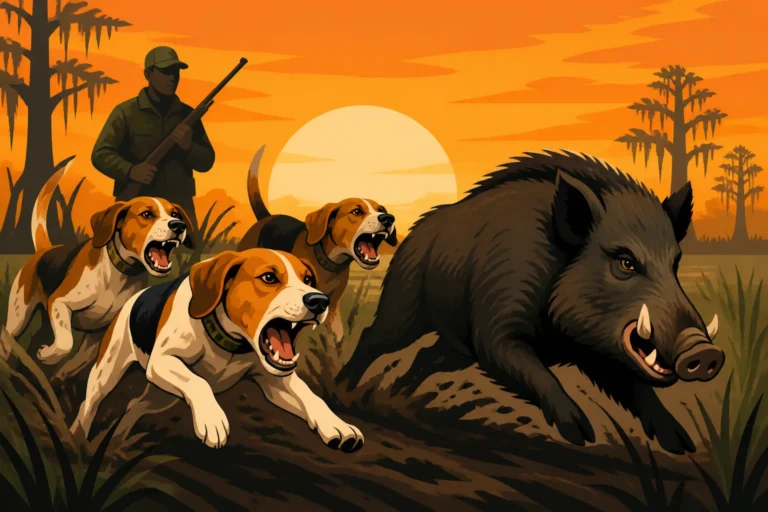
Finally, in certain areas and with specific outfitters, Running Dogs on Louisiana Feral Hogs is a traditional and highly action-packed method. This involves trained hog dogs that track, bay, and sometimes catch hogs, allowing hunters to move in for a close-range shot, often with a knife or pistol. While incredibly exciting and effective, dog hunting is physically demanding, requiring hunters to move quickly through dense cover. It's crucial to confirm if an outfitter uses dogs and if this aligns with your desired experience and fitness level. If you're a fan of this method, search for Dog-Drive Hog Guide Services. Each method offers a distinct adventure, so consider what kind of challenge you're seeking.
Finding and Vetting Louisiana Hog Hunt Outfitters
Once you've decided that a year-round Louisiana hog hunt is for you, the next step is finding a reputable outfitter. This can feel a bit overwhelming, as the market has grown significantly with the popularity of hog hunting. However, with a clear strategy and a few key questions, you can navigate the options and choose a guide who will provide a safe, ethical, and successful hunting experience. It's not just about finding someone who offers a hunt; it's about finding the right fit for your expectations and ensuring you're investing in a quality experience.
Remember, a good outfitter doesn't just put you in front of an animal; they provide guidance, ensure safety, and contribute to the overall enjoyment and education of your trip. Don't rush this process. Take the time to research, ask questions, and gather as much information as possible. A well-vetted outfitter can turn a good hunt into an unforgettable adventure, while a poorly chosen one can lead to disappointment. This process is key to a rewarding experience, whether you're targeting Hog Hunting Outfitters and Night Hunts or something else.
Online Platforms and Direct Booking
The digital age has made finding hunting outfitters easier than ever. Dedicated online booking platforms like BookYourHunt and GoHunt act as aggregators, listing numerous guides and their available hunts across different regions. These sites often provide a centralized place to view package details, read client reviews, and sometimes even book directly. They can be a fantastic starting point to see the range of options, compare prices (though remember, prices are variable and you'll need to check current rates with the outfitter), and narrow down locations within Louisiana, such as those covered in Which Louisiana Parishes Have the Most Hogs.
While these platforms are convenient, don't shy away from direct booking. Once you've identified a few potential outfitters, visit their direct websites, check their social media presence, and most importantly, pick up the phone. A direct conversation allows you to ask specific questions, gauge their personality, and get a better feel for their operation. It also often allows for more flexibility in tailoring a hunt to your specific needs. Many outfitters prefer direct communication as it helps them build a relationship with their clients from the start.
Key Questions to Ask Before Booking
Before you commit to a deposit, arm yourself with a list of questions. This isn't just about being thorough; it's about setting clear expectations for both you and the outfitter. Firstly, always clarify exactly what's included in the price. Does it cover the weapon and ammunition, or do you need to bring your own? Is field dressing and initial processing (like skinning and quartering) part of the deal, or is that an extra cost? What about lodging and meals for multi-day trips? Understanding these details upfront prevents unwelcome surprises later.
Secondly, inquire about the hunting methods they primarily use. Are they focused on thermal-assisted hunts, dog drives, or stand hunting over bait? This directly impacts the physical demands and style of the hunt. Ask about their typical success rates and, importantly, what constitutes "success" to them. Is it seeing hogs, getting a shot opportunity, or harvesting a hog? Finally, understand their deposit and cancellation policies. Life happens, and knowing the terms for rescheduling or refunds can save a lot of heartache down the line. A reputable outfitter will be transparent about all these aspects. For example, some might specialize in Trapping Louisiana Feral Hogs and only offer hunts related to that method.
Reading Reviews and Checking References
In today's interconnected world, customer reviews are invaluable, but they need to be read with a discerning eye. Look beyond just the star ratings; dive into the actual comments. Are people praising the guide's professionalism, the quality of the property, or the abundance of hogs? Conversely, do recurring negative comments point to issues like unfulfilled promises, disorganization, or safety concerns? Platforms like BookYourHunt often feature detailed reviews from previous clients, which can be incredibly helpful.
Beyond online reviews, don't hesitate to ask outfitters for references from past clients. A confident and reputable guide will gladly provide you with contact information for a few previous hunters who can share their unvarnished experiences. When you call these references, ask specific questions about the guide's demeanor, their knowledge of the area, how they handled challenging situations, and if the hunt lived up to expectations. This personal connection provides a level of insight that no website or brochure can offer, giving you peace of mind before you make your booking. A detailed review on GoHunt, for example, might offer insights into an outfitter's communication style or the quality of their hunting grounds.
Planning Your Year-Round Hog Hunt
Booking the hunt is just the first step; effective planning ensures that your Louisiana hog hunting adventure is as enjoyable and successful as possible. Unlike seasonal hunts, year-round hog hunting means you need to consider how weather and changing conditions throughout the year might impact your strategy, gear, and even the hogs' behavior. Being prepared for Louisiana's dynamic environment will make all the difference, allowing you to focus on the thrill of the chase rather than unexpected discomforts or logistical snags.
From choosing the optimal time of year for your preferred hunting style to packing the right clothing and understanding the minimal licensing requirements for private land, a little foresight goes a long way. Thinking through these details will not only enhance your experience but also demonstrate respect for your outfitter and the challenging work they do.
Best Times for Different Experiences
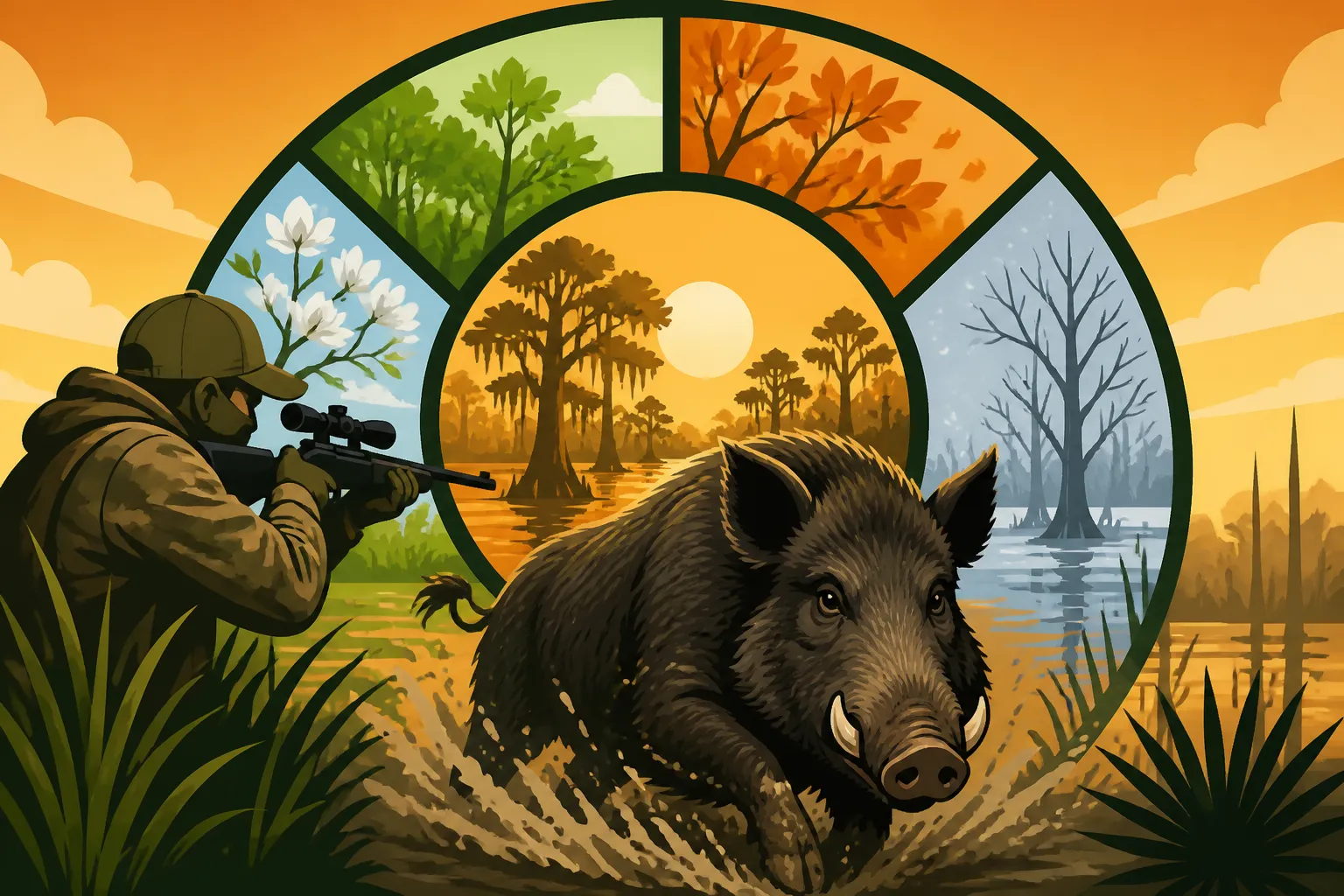
While hogs can be hunted year-round, certain times of the year lend themselves better to specific hunting styles or offer different experiences. Summer in Louisiana is famously hot and humid, but it can be an excellent time for night hunting with thermal optics. Hogs are largely nocturnal during the dog days of summer, seeking cooler temperatures and moving more freely after dark. This is when thermal optics shine, offering fast-paced action under the stars. Be prepared for heat, mosquitoes, and potentially slogging through muddy areas, but the rewards can be plentiful.
As fall rolls in and temperatures begin to drop, daytime activity for hogs increases. This period, especially after agricultural harvests, can be prime for still-hunting or stalking through timber and field edges. Cooler weather also means more comfortable hunting conditions for you. Winter offers the coolest, driest weather, which is often ideal for longer stalks and sustained effort. Hogs will be actively rooting for acorns or other winter food sources, and their tracks are easier to spot in damp soil. Spring, before the full heat sets in, offers a balance, with hogs often focused on new green growth and less hunting pressure overall. Consider what kind of weather and hunting style you prefer when making your booking.
Essential Gear for Louisiana Hog Hunts
Packing smart for a Louisiana hog hunt means being ready for dynamic conditions. The first crucial consideration is your firearm. While many outfitters will provide AR-platform rifles chambered in calibers like .223/5.56, .300 Blackout, or 6.5 Grendel, or bolt-action rifles in .308 Win or 6.5 Creedmoor, you may choose to bring your own. If you do, ensure it's sighted in and you're comfortable with Shot Placement on a Feral Hog, as they are incredibly tough animals. Archery equipment is also popular, offering a unique challenge. For night hunts, specialized thermal or night vision optics are often provided by the outfitter, but it's good to confirm.
Beyond your weapon, clothing is key. Layering is always a good idea, as Louisiana weather can be unpredictable, even in the same day. Think moisture-wicking base layers, a good mid-layer, and a durable, briar-resistant outer layer, especially if you're pushing through thickets. Waterproof boots are highly recommended, as wet ground is common. And, perhaps most importantly for any time of year: industrial-strength insect repellent. Louisiana mosquitoes and gnats are legendary, and you don't want them ruining your hunt. Finally, a good headlamp, a basic first-aid kit, and plenty of water are always wise additions to your pack.
Logistics: Licenses and Reporting
One of the great advantages of hunting feral hogs in Louisiana is the simplified regulatory framework, especially on private land. Unlike deer or turkey, you generally do not need a hunting license to hunt feral hogs on private property if you are not also hunting any other game species for which a license is required. This can be a pleasant surprise for many hunters, particularly non-residents or those just looking for a straightforward experience. However, always double-check with your outfitter and consult the latest Louisiana Department of Wildlife and Fisheries (LDWF) regulations, especially for specific questions like Do Feral Hogs Need Landowner Permission?.
If your hog hunt involves hunting on public lands, or if you plan to combine your hog hunt with another game species (like deer during an overlap season), then standard hunting license requirements will apply. This would typically mean purchasing a basic hunting license, and potentially a big game or migratory bird license depending on what else you're pursuing. Always purchase your license before you head into the field. Thankfully, there are no mandatory reporting requirements for harvested feral hogs, further streamlining the process. Just focus on the hunt and enjoying your success! It's a key part of Louisiana Feral Hog Regulations.
Comparing Guided Hog Hunt Methods
To help you visualize the different types of guided hog hunts you might encounter in Louisiana, here's a brief comparison of the most common methods offered by outfitters. This table can help you determine which style best suits your preferences for excitement, physical exertion, and overall hunting experience.
| Feature | Thermal/Night Vision Hunt | Baited Stand/Blind Hunt | Dog Drive Hog Hunt |
|---|---|---|---|
| Primary Time | Night | Day (sometimes night) | Day |
| Physical Demand | Moderate (stalking, quick shots) | Low (sitting, minimal movement) | High (fast-paced, rough terrain) |
| Pace | Fast, intense, multiple encounters | Patient, waiting game | Extremely fast, adrenaline-fueled |
| Typical Weapon | AR platform, bolt-action | Bolt-action, crossbow, archery | Pistol, knife, shotgun |
| Equipment Needs | Outfitter often provides thermal/NV | Minimal, personal gear | Specialized dogs, radio collars |
| Best For | Action-seekers, modern hunters | Beginners, relaxed hunters, groups | Thrill-seekers, traditionalists |
| Safety Emphasis | Muzzle control in dark | Situational awareness | Close-quarters, dog handling |
| Ethical Aspect | Target specific hogs, efficient | Low-stress, controlled shots | Close-range, often dramatic |
Remember, many outfitters might combine elements of these, or offer variations based on their specific properties and expertise. Don't hesitate to discuss these methods in detail when you're vetting potential guides.
Disclaimer
This article is for general informational purposes only and does not constitute professional advice. Laws, prices and regulations vary by location and change over time. Consult a qualified professional for guidance on your specific situation.