Hog Hunting Outfitters and Night Hunts
Feral hogs have become an undeniable force across Louisiana, a genuine nuisance to landowners and farmers, causing significant crop damage and habitat destruction. For hunters, however, these prolific animals offer an exciting, year-round challenge, especially under the cloak of darkness. This guide delves into the world of guided hog hunts in the Pelican State, with a special focus on the exhilarating and effective practice of night hunting, helping you understand what's involved, the technology used, and how to find the right outfitter for an unforgettable experience.
The Louisiana Feral Hog Challenge and the Appeal of Night Hunting
Feral hogs are not native to Louisiana, but they've certainly made themselves at home. Their destructive rooting habits and rapid reproduction rates make them a constant concern, which is why the Louisiana Department of Wildlife and Fisheries (LDWF) encourages their harvest year-round on private land, often with no bag limits. This unique situation has paved the way for a thriving guided hog hunting industry, offering hunters a chance to contribute to wildlife management while enjoying a thrilling pursuit.
Why Hogs Are a Persistent Problem in Louisiana
From the piney woods of North Louisiana to the cypress swamps of the Atchafalaya Basin, Feral Hogs Across Louisiana are everywhere. These intelligent, adaptable animals thrive in our diverse ecosystems, exploiting agricultural fields, bottomland hardwoods, and marsh edges. They're generalist feeders, eating almost anything, and their rooting behavior can devastate planted fields, contaminate water sources, and destroy sensitive wetland habitats. Many farmers lose entire crops to sounders of hogs, leading to millions of dollars in agricultural losses annually. For hunters, this translates into abundant opportunities and a real sense of purpose: you're not just hunting, you're helping manage a destructive invasive species. Understanding Crop Damage Hogs Cause in Louisiana really drives home why this hunting is so important.
The Thrill and Effectiveness of Night Hunting
While daytime hog hunting certainly has its appeal, night hunting introduces a whole new level of excitement and effectiveness. Hogs are largely nocturnal, especially in warmer weather or areas with high human pressure. This means that hunting them at night often puts you right in their prime feeding and movement patterns. The darkness adds an intense layer of challenge and stealth, heightening your senses as you navigate the shadows, listening for the tell-tale sounds of rooting or movement.
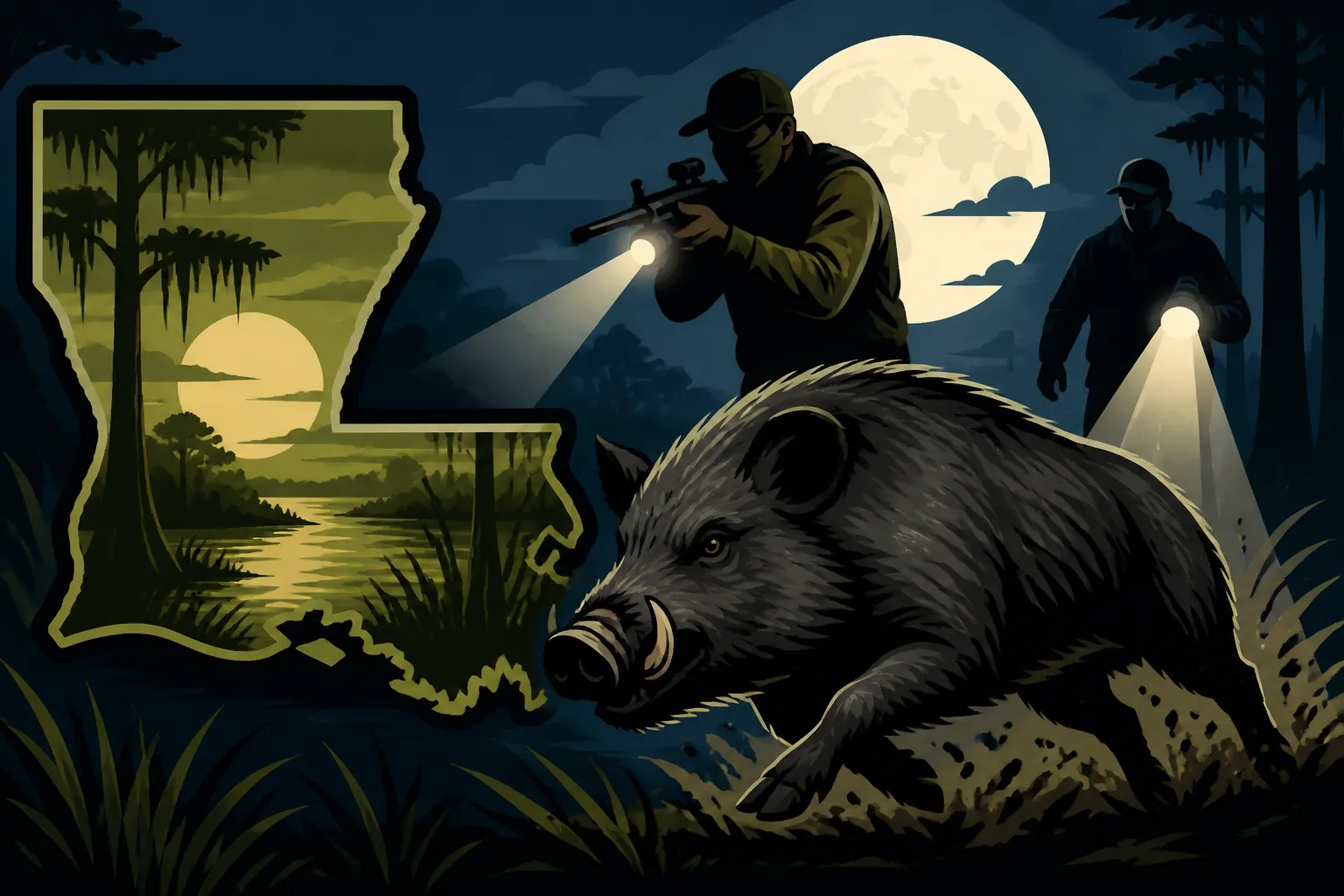
From a practical standpoint, night hunting leverages modern technology like thermal optics and night vision, which can be incredibly effective at detecting hogs that would otherwise remain hidden. It's a strategic game of cat and mouse, where the hunter uses specialized gear to gain an advantage in the hogs' preferred environment. Plus, let's be honest, there's just something incredibly cool about hunting under the stars, with the only light coming from your specialized gear or a distant moon.
Common Guided Hog Hunting Methods
When you book a guided hog hunt in Louisiana, you'll find that outfitters offer a variety of methods designed to maximize your chances of success, often tailored to the terrain and the hogs' behavior. Many of these methods are particularly effective when combined with night hunting.
Dog-Drive Hog Guide Services
Hunting hogs with dogs is a deeply rooted tradition in many parts of the South, and Louisiana is no exception. With dog-drive hog guide services, a team of trained bay dogs and catch dogs is used to locate and corner hogs, allowing hunters to move in for a shot or for the catch dogs to hold the hog for a knife kill (depending on the outfitter's approach and your preference). This method is incredibly active and requires a good bit of walking and quick reactions.
Outfitters who specialize in Running Dogs on Louisiana Feral Hogs often have years of experience with their canine teams, understanding how to read the dogs' behavior and predict the hogs' movements. You'll typically follow the dogs, often on foot, through dense cover, listening to the baying as they close in on a sounder. It's a fast-paced, adrenaline-fueled experience that showcases teamwork between man and dog, and it's a fantastic way to cover a lot of ground and flush out hogs from thick areas where they might otherwise go undetected.
Thermal-Assisted Hog Guide Packages
Thermal imaging and night vision technology have revolutionized night hunting, making it incredibly popular. Thermal-Assisted Hog Guide Packages are designed around these advanced optics, allowing hunters to detect the heat signatures of hogs against the cooler backdrop of the night environment. This method is often conducted from a stationary position over a bait site, or more dynamically from a vehicle (where legal and safe) or on foot, stalking hogs in open fields.
These guides provide high-end thermal scopes and binoculars, which can be a significant investment for an individual hunter. They'll teach you how to use the gear effectively, identify targets, and make precise shots in the dark. The experience of spotting a sounder glowing in the thermal scope as they move through a field is truly unforgettable, offering a unique perspective on the nocturnal world of feral hogs. It's a more technologically driven hunt, often less physically demanding than dog drives but equally exciting.
Baiting and Stand Hunting with Guides
Another effective and popular method, especially for those seeking a more traditional hunting experience under the night sky, involves baiting and stand hunting. Guides will establish strategic bait sites, often using corn or other attractants, in areas known for high hog activity. These sites are regularly replenished to encourage hogs to frequent them.
Hunters then sit in comfortable ground blinds or elevated stands overlooking these bait sites, typically equipped with specialized lighting (like green or red lights, which hogs are less likely to detect) or thermal optics. This method capitalizes on the hogs' natural feeding patterns and their nocturnal habits. It's a patient hunt, often requiring quiet observation, but it can be incredibly rewarding when a sounder eventually moves into the bait, offering multiple shot opportunities. This approach is often what guides employ when offering Night Hunting Hogs With Lights on Private Land.
Diving Deep into Night Hunting Technologies and Tactics
Night hunting hogs isn't just about showing up after dark; it's about leveraging specialized gear and understanding nocturnal hog behavior to your advantage. Modern technology plays a huge role in the success of these hunts.
Lights, Spotlights, and Specialized Illumination
For many years, night hunting involved powerful spotlights. Today, while spotlights still have their place, more advanced, subtle lighting options are often preferred. Red and green lights are common choices, as hogs are believed to have difficulty seeing these colors, making them less likely to spook. These lights can be mounted on your rifle, used as headlamps, or integrated into fixed setups over bait sites.
Guides often use specialized, adjustable lights that allow them to control the intensity and beam width, slowly increasing the light as hogs approach to minimize disturbance. The key is a slow, methodical approach to illumination that allows you to identify your target and ensure a clean shot without alarming the entire sounder. This methodical use of light takes practice, and a good outfitter will walk you through the nuances.
Thermal and Night Vision Gear Explained
This is where night hunting truly shines. Thermal imaging detects heat signatures, making animals "glow" against a cooler background, regardless of how dark it is or how much cover they're in. Night vision, on the other hand, amplifies ambient light (like moonlight or starlight) to create a visible image. Both have their advantages.
- Thermal Optics: These are often the preferred choice for hog hunting because they excel at detection. A hog's body heat stands out dramatically, even through light brush or tall grass, making it easier to spot them from a distance. Many thermal scopes allow for recording, so you can relive the hunt later. The downside is that they don't give a traditional "color" image, sometimes making precise shot placement slightly more challenging for an inexperienced user, though high-resolution units are excellent.
- Night Vision Optics: Night vision provides a more traditional, albeit monochromatic, image. It's fantastic for identification and navigation once an animal is spotted, especially under some ambient light. However, its effectiveness decreases significantly in absolute darkness or dense cover where there's no light to amplify.
Outfitters offering Thermal-Assisted Hog Guide Packages invest heavily in top-tier equipment from brands known for their reliability and clarity. They’ll have units with good refresh rates and resolution, crucial for tracking moving animals and identifying specific targets. When researching an outfitter, it's worth asking about the type and quality of their thermal or night vision equipment, as this can significantly impact your hunting experience. Websites like GoHunt and BookYourHunt often detail the specific equipment and hunting styles offered by various guides, helping you compare.
Suppressors and Shot Placement Considerations
The use of suppressors (often called silencers) is increasingly common in night hog hunting, and for good reason. Not only do they protect your hearing and that of your guide, but they also significantly reduce the sound signature of your shot. This can be critical when hunting sounders of hogs, as a suppressed shot might allow you to take multiple animals before the rest of the group spooks and flees.
When it comes to Shot Placement on a Feral Hog, precision is paramount, especially in low light. Hogs are tough animals, and a poorly placed shot can lead to a long, difficult tracking job, or worse, a lost animal. Guides will typically advise aiming for the ear or just behind it for a brain shot, or for the crease behind the shoulder for a heart/lung shot. Knowing your rifle and ammunition capabilities is essential. With thermal or night vision, getting a clear sight picture on these vital areas might require more patience and a steady rest.
Planning Your Guided Hog Hunt: Expectations and Practicalities
Deciding to go on a guided hog hunt is an exciting step! But before you pack your bags, it's good to know what to expect. A well-planned hunt ensures you get the most out of your experience and are prepared for the unique challenges of hog hunting in Louisiana.
Pre-Hunt Briefings and Gear Checklist
Any reputable outfitter will provide a thorough pre-hunt briefing. This isn't just a formality; it's a critical part of your hunt's success and safety. The guide will cover safety protocols, review the specific hunting methods you'll be using, discuss shot placement, and go over communication signals for night hunting. They'll explain the local rules, especially concerning Louisiana's Year-Round Hog Rule on Private Land, and any specific regulations for their property.
Your gear checklist will vary depending on the chosen method, but generally includes:
- Appropriate Clothing: Dress for the Louisiana weather, which can be damp and warm, even at night, but bring layers for cooler conditions. Think comfortable, dark clothing (camouflage isn't always essential at night, but helps blend in).
- Footwear: Sturdy, waterproof boots are a must, especially if you'll be walking through damp fields or woods.
- Bug Spray: Louisiana means mosquitoes, especially after dark. Don't skimp here.
- Personal Optics (Optional): While guides provide primary hunting optics, having your own binoculars (even basic night vision or thermal ones if you own them) can be helpful for general observation.
- Flashlight: A small, red-light capable flashlight for navigating to and from the stand.
- Water and Snacks: Hunts can last several hours.
- Harvesting Gear (If DIY): If you plan to process your own hog, bring gloves, a sharp knife, and a cooler with ice.
The Hunt Itself: Strategy and Pace
The pace and strategy of your hunt will depend heavily on the method chosen.
- Dog Hunts: Be ready for action. You'll be following dogs, often moving quickly through thick brush. Communication with the guide is key to staying safe and in position. The focus is on intercepting the hogs that the dogs have bayed or caught.
- Thermal/Night Vision Stalks: This is a quieter, more deliberate approach. You'll move slowly, scanning fields or timber edges with thermal optics, identifying hogs, and then planning your stalk. Wind direction is critical here, as hogs have an incredible sense of smell. You might be making long walks across open terrain, so physical stamina is beneficial.
- Baited Stand Hunts: Patience is the name of the game. You'll settle into a blind or stand before dark, remaining absolutely still and quiet, waiting for hogs to show up at the bait site. Your guide will often be with you, or nearby, advising on when to shoot and assisting with target identification.
Regardless of the method, listen to your guide. Their experience with the local hog population and terrain is invaluable. They know the property, the hogs' habits, and how to safely execute the hunt. Whether it's the intense quiet of a thermal stalk or the excited barking of a dog drive, each moment is part of the overall experience.
Post-Harvest Processing and Logistics
After a successful hunt, what happens to the hog? This is an important discussion to have with your outfitter beforehand. Many guides include basic field dressing as part of the package. Some may offer further processing options, like quartering the animal, for an additional fee.
If you plan to take the meat home, ensure you have adequate coolers and ice. Louisiana's climate means rapid cooling is essential to preserve the meat. Discuss if the guide has facilities to hang the animal overnight or if you need to transport it directly to a processor. In some cases, especially with high hog populations, outfitters may prefer to utilize the meat for donation or simply dispose of it responsibly if hunters don't want it all. Clarify these details to avoid any surprises. Reputable services listed on platforms like BookYourHunt or GoHunt will usually outline their post-harvest services clearly.
Selecting a Reputable Louisiana Hog Hunting Outfitter
With so many options out there, choosing the right hog hunting outfitter can feel overwhelming. It’s crucial to do your homework to ensure a safe, ethical, and successful experience.
Vetting an Outfitter's Experience and Reputation
The first step in finding a good outfitter is research. Look for guides with specific experience in Hog Hunting Outfitters and Night Hunts. A seasoned guide will have a deep understanding of hog behavior, local terrain, and the best times and methods for success. Don't be afraid to ask direct questions about their experience, how long they've been guiding, and their typical success rates.
- Online Reviews and Testimonials: Check multiple sources. Websites like BookYourHunt and GoHunt compile listings and often include client reviews and ratings. Look for consistent positive feedback about professionalism, safety, and the quality of the hunting experience.
- References: A reliable outfitter should be happy to provide references from past clients. Contact these references and ask about their experience, particularly regarding the guide's knowledge, the quality of their gear, and their commitment to client satisfaction.
- Licenses and Insurance: Ensure the outfitter holds all necessary state and local licenses for guiding. While less common for hog-specific operations, asking about liability insurance is always a good idea for your peace of mind.
Costs, Inclusions, and Hidden Fees
Understanding the cost structure of a guided hog hunt is paramount. Prices can vary significantly based on factors like the length of the hunt, the methods used, and what's included in the package.
| Factor | Typical Inclusions/Variations | Things to Clarify |
|---|---|---|
| Duration | Half-day, full-day, multi-day packages | Number of hunts per day, total hours afield |
| Hunting Method | Thermal/NV, dog drives, baited stands | Specific equipment provided (e.g., thermal scope brand/model) |
| Group Size | Individual, small group, private hunt | Cost per hunter, minimum/maximum group size |
| Trophy Fees | Some outfitters charge extra for larger hogs | Are there additional fees for multiple hogs? Any size restrictions? |
| Processing | Field dressing, basic quartering, full processing (extra) | Who does what? What are the costs for advanced processing? |
| Lodging/Meals | Often included in multi-day packages; sometimes optional add-on | Is it on-site? What kind of meals? |
| Gear Rental | Firearms, ammo, optics often provided or rented separately | What gear is included? What should you bring? |
| License Fees | Always separate; hunters responsible for their own Louisiana license | Does the outfitter assist with license purchase info? |
| Gratuities | Customary for guides (15-20% of hunt cost) | Recommended tipping amounts/practices |
Always ask for a detailed breakdown of what's included in the price. Are there "trophy fees" for hogs over a certain size? Are additional hogs extra? Are cleaning and processing included? Don't be shy about asking every question you have. A transparent outfitter will provide clear answers.
Booking and Preparing for Your Hunt
Once you've chosen an outfitter, it's time to book your adventure.
- Booking Process: Most outfitters require a deposit to secure your dates. Ensure you understand their cancellation and refund policies. The busiest times, especially weekends, can book up quickly, so plan ahead.
- Permits and Licenses: Remember, you'll need a valid Louisiana hunting license. Hogs can be hunted year-round with a basic license on private land, but ensure you have the correct documentation. Review Louisiana Hunting Licenses and What They Cost to understand your options.
- Physical Preparation: While some hunts are less strenuous (e.g., stand hunting), others, like dog drives or extensive thermal stalks, can be physically demanding. Ensure you're in reasonable shape to enjoy the experience fully.
- Open Communication: Maintain open communication with your guide in the days leading up to the hunt. Confirm meeting times, weather expectations, and any last-minute questions.
Hog hunting in Louisiana, especially at night, offers a unique and memorable outdoor experience. By understanding the methods, technologies, and what to look for in a guide, you're well on your way to a successful and ethical hunt.
Disclaimer
This article is for general informational purposes only and does not constitute professional advice. Laws, prices and regulations vary by location and change over time. Consult a qualified professional for guidance on your specific situation.