What’s Included in a Marsh Lodge Stay
Hunting Louisiana's coastal marsh for ducks and geese is an experience unlike any other, offering stunning sunrises over vast wetlands and the thrill of fast-flying birds. But when you start looking into marsh lodge stays, it can be really confusing trying to figure out what exactly comes with that booking fee. You're trying to plan an incredible trip, and the last thing you want are hidden costs or unexpected surprises. This guide is here to break down the typical inclusions you can expect from a Louisiana marsh lodge stay, helping you plan your waterfowl adventure with confidence.
The Core Experience: Guided Hunts and Accommodation
When you book a marsh lodge stay, the two most fundamental elements you're paying for are typically the guided hunting experience itself and your place to lay your head each night. These are the pillars of the package, and lodges will vary widely on the exact specifics, so it's vital to read the fine print.
Professional Guiding Services
The heart of any marsh lodge package is almost always the guided hunt. You're not just being pointed in a direction and told to go; you're getting the expertise of seasoned local guides who live and breathe the marsh. These guides know the ever-changing patterns of the birds, where the best feeding grounds are, and how to set up for success in conditions that can range from glassy calm to fierce winds.
They’ll handle the entire morning's logistics, from getting you safely to the blind – often a journey by shallow-draft boat through winding bayous and across open ponds – to setting out decoys and calling the birds. A good guide can make or break your hunt, especially when you're targeting specific species or dealing with pressured birds. They understand the nuances of Working Flooded Timber for Mallards or how to adjust a spread when hunting specklebellies over a cut rice field. Many packages will specify a certain number of guided hunts per day, usually a morning hunt, and sometimes an afternoon option for geese or other species depending on regulations and availability.
Comfortable Lodge Accommodation
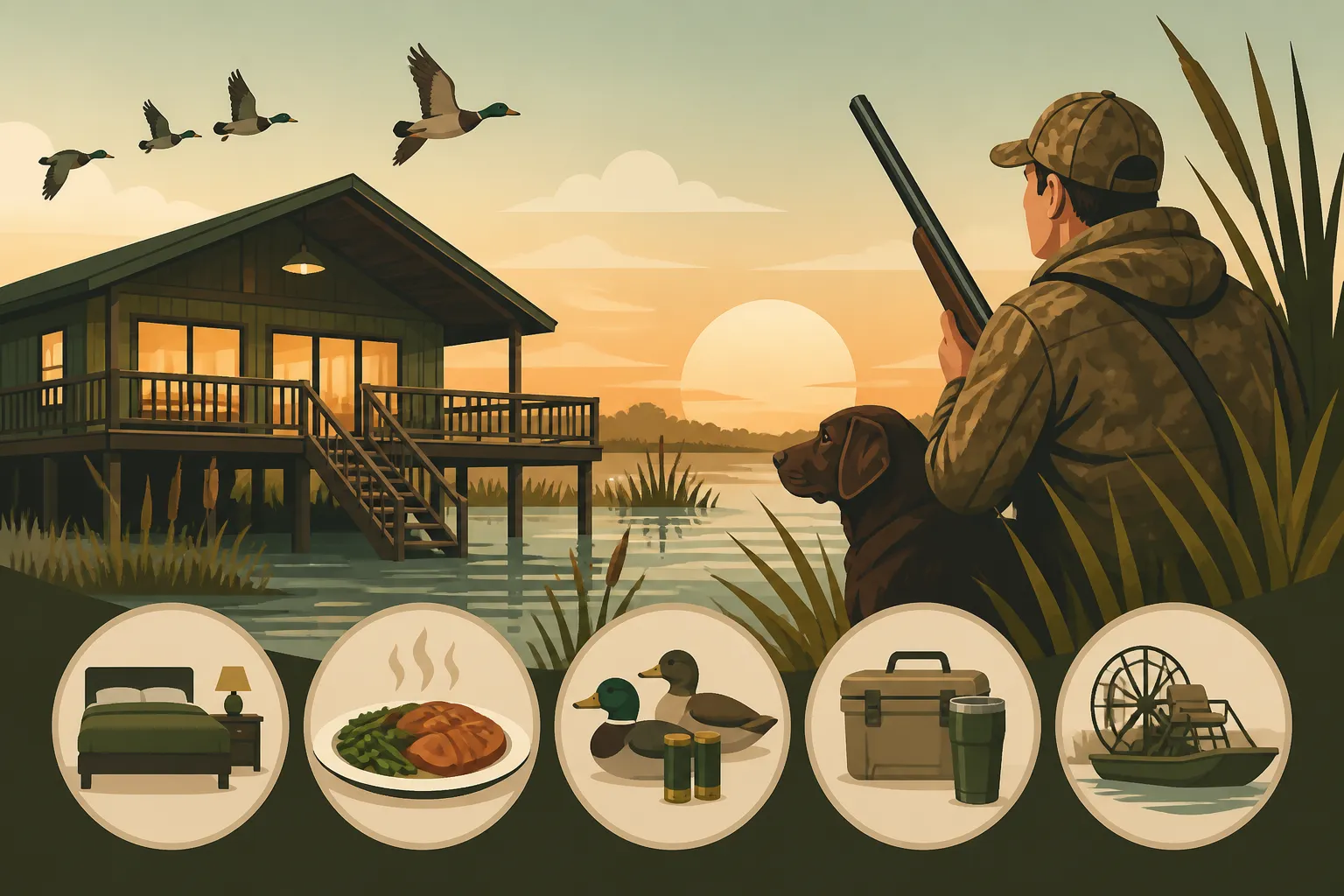
After a cold morning hunt, coming back to a warm, dry, and comfortable lodge is a huge relief. Most marsh lodges aren't five-star hotels, but they offer clean, often rustic, and always welcoming accommodations. This usually means a shared room, dormitory-style setup, or private rooms with basic amenities. You can expect a comfortable bed, heating, air conditioning (crucial in the shoulder seasons!), and access to hot showers.
Some lodges are quite elaborate, with multiple common areas, satellite TV, and even game rooms, while others are simpler, focusing more on the hunting and the camaraderie. What's guaranteed is a place to relax, dry out your gear, and share stories with your fellow hunters. Think of it as a base camp where the hard work of the day is left at the door, and the comforts of home (or a reasonable facsimile) await. When you're browsing options on a site like BookYourHunt, you'll often see photos and descriptions of the lodge facilities, giving you a good idea of what to expect before you arrive.
Beyond the Hunt: Meals, Gear, and Hospitality
A true lodge experience goes beyond just hunting and sleeping. The best marsh lodges understand that the overall atmosphere, the food, and the small details contribute just as much to an unforgettable trip.
Hearty Meals and Refreshments
You'll be working up an appetite in the marsh, and a good lodge knows this. Most comprehensive packages include delicious, home-cooked meals designed to fuel your adventures. This typically starts with coffee and a light breakfast before the morning hunt, followed by a substantial brunch or lunch upon your return. Dinner is usually the highlight, a full spread often featuring local Louisiana cuisine – think gumbos, jambalayas, fresh seafood, and plenty of sides.
Many lodges also include non-alcoholic beverages like water, soda, and juice throughout the day. Some might even have snacks readily available. The quality and type of food can vary, but generally, marsh lodge kitchens pride themselves on providing satisfying, flavorful meals that are a significant part of the cultural experience. If you have specific dietary needs, it's always a good idea to communicate those well in advance to ensure they can be accommodated.
Decoys, Blinds, and Boats
One of the huge advantages of a guided marsh hunt is that you don't need to bring all your own heavy, bulky gear. Your guide will provide all the necessary equipment for the hunt itself. This includes an extensive spread of decoys, specialized marsh blinds (whether permanent or temporary pop-up styles), and the boats needed to navigate the shallow, often treacherous waterways.
These aren't just any old decoys; guides often have custom-painted rigs and specific spreads they've fine-tuned over years to attract Hunting Cameron Parish Marsh Ducks or other regional species. You won't have to worry about the logistics of transporting a boat or hundreds of decoys, or finding suitable cover. This takes a massive load off your shoulders, allowing you to focus purely on the hunting experience. Some lodges might even have extra waders or rain gear available in a pinch, though it’s always best to bring your own personal fit.
Game Care and Processing Assistance
After a successful hunt, dealing with your harvest is the next step. Most marsh lodge stays will include basic game care. This means your guides will retrieve your birds from the water, transport them back to the lodge, and often offer initial cleaning services like breasting out ducks or geese. They'll also typically provide ice and bags to keep your game fresh until you can transport it home or to a local processor.
While they'll help with the initial steps, it's important to clarify the extent of the service. Full processing, like plucking and packaging, might be an extra service or something you're responsible for arranging yourself with a local butcher. Always ask about their game care policy, especially if you plan on taking whole birds or want specific cuts. Understanding the process helps manage expectations and ensures your hard-earned birds are properly handled from field to freezer.
Common Exclusions and What to Ask About
Even the most inclusive packages usually have a few items that aren't covered. Being aware of these common exclusions helps you budget accurately and avoid any unwelcome surprises.
Hunting Licenses and Stamps
This is perhaps the most frequent exclusion. You are almost always responsible for purchasing your own Louisiana Hunting Licenses and What They Cost, federal duck stamp, and Louisiana migratory bird license (HIP certification). These are personal to you and legally required for every hunter. Don't assume they're included in the lodge fee; it's a separate purchase you'll need to make before your hunt begins.
Many hunters will purchase these online through the Louisiana Department of Wildlife and Fisheries website or an authorized retailer before arriving at the lodge. It’s critical to have all your paperwork in order, as wildlife agents frequently check licenses in the field. Nothing puts a damper on a hunt faster than a licensing violation, so double-check those requirements, including any Louisiana Hunter Education Requirements if you're a new hunter or a nonresident.
Ammunition and Personal Gear
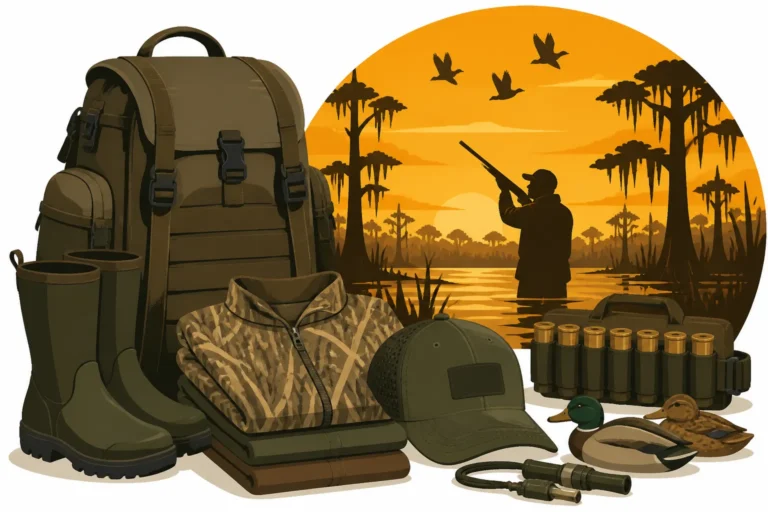
While the lodge provides blinds, boats, and decoys, you'll need to bring your own ammunition. This includes steel shot for waterfowl hunting, as lead shot is prohibited for migratory birds. It's a good idea to bring plenty, as marsh hunts can sometimes offer ample shooting opportunities. You’ll also need your personal hunting gear: waders, appropriate camouflage clothing for the marsh environment, rain gear, gloves, a hat, and waterproof boots.
Eye protection and hearing protection are also highly recommended for safety. Think about the weather – Louisiana marsh can be warm and humid one day, and surprisingly cold and windy the next. Layering is key. Many hunters use sites like GoHunt to research gear recommendations specific to Louisiana's varied hunting conditions before packing their bags.
Gratuities for Guides and Staff
It's customary in the hunting industry to tip your guides and lodge staff for their hard work and excellent service. These folks are up before dawn, out in all weather, and work tirelessly to put you on birds and ensure your comfort. Gratuities are rarely included in the upfront package price and are entirely at your discretion, but they are a significant part of a guide's income.
A general guideline is to tip based on the quality of your experience and the effort put forth by the staff, rather than just the number of birds harvested. If your guide worked tirelessly, called in birds beautifully, and was a pleasure to be around, show your appreciation. It’s always a good idea to budget for this in advance, usually having cash on hand for convenience.
Alcohol and Special Requests
While many lodges include non-alcoholic beverages, alcoholic drinks are typically an additional expense. Some lodges operate a cash bar, while others might allow you to bring your own beverages. Always check the lodge's policy on alcohol beforehand.
Similarly, any special requests beyond the standard offerings, such as specific cuts for game processing, taxidermy services, or off-menu food requests, will likely incur an additional charge. If you're hoping for something specific, it's best to discuss it with the lodge management well in advance of your trip so they can provide a quote or let you know if it's even possible.
What to Expect: A Quick Comparison
To help clarify, here's a general overview of what's typically included versus what's usually an extra cost.
| Feature | Typically Included | Often Excluded (Budget Separately) |
|---|---|---|
| Hunting Services | Guided hunts (usually morning) | Additional hunts (e.g., afternoon goose hunts) |
| Accommodation | Lodge room (shared or private), beds, linens, towels | Special suite upgrades |
| Meals | Breakfast, lunch/brunch, dinner | Alcoholic beverages, specific dietary supplements |
| Hunting Equipment | Decoys, blinds, boats, transportation to blind | Firearm rental, ammunition |
| Game Care | Bird retrieval, initial field dressing/breasting, ice | Full processing (plucking, packaging), taxidermy prep |
| Licenses & Permits | N/A | State hunting license, federal/state duck stamps, HIP |
| Personal Gear | N/A | Waders, camo, rain gear, boots, gloves, eye/ear pro |
| Service Gratuities | N/A | Tips for guides and lodge staff |
| Transportation | Transportation from lodge to hunting area | Travel to/from the lodge, airport transfers |
Making the Most of Your Marsh Lodge Stay
Beyond the physical inclusions, a marsh lodge stay offers an immersion into a unique hunting culture. It's an opportunity to connect with fellow hunters, share stories, and learn from experienced guides. This camaraderie is often just as valuable as the hunt itself.
Ask Plenty of Questions
Before you commit to a booking, don't be afraid to ask detailed questions about what's included and what's not. Reputable lodges will be transparent and happy to provide clarification. Inquire about things like:
- The exact number of guided hunts per day.
- Meal schedules and what's typically served.
- The type of blinds used (e.g., pit blinds, boat blinds, temporary panels).
- Their policy on bringing your own alcoholic beverages.
- What services they provide for game processing beyond field dressing.
- Typical guide gratuity expectations.
Understanding all these details upfront ensures there are no surprises and you can fully enjoy the experience. This due diligence is crucial, whether you're looking for a Coastal Marsh Duck Lodge Multi-Day Rates package or just a single-day outing.
Prepare for the Elements
The Louisiana marsh is beautiful, but it can be unforgiving. You’ll be dealing with mud, water, variable temperatures, and insects. Pack wisely, prioritizing waterproof gear, layers of clothing, and insect repellent. Even on a warmer day, a quick cold front can sweep through, especially during the Louisiana Waterfowl Migration Timing.
Good quality waders are essential. A waterproof bag for your electronics and valuables is also a smart choice. Remember, while the lodge provides many comforts, the hunt itself is an outdoor adventure, and you need to be prepared for it. Check the local weather forecast a few days before your trip, but always be ready for anything the Louisiana weather throws your way.
Embrace the Experience
Finally, go into your marsh lodge stay with an open mind and a spirit of adventure. The marsh is a dynamic environment, and while guides work tirelessly, hunting success can never be guaranteed. Enjoy the early mornings, the incredible sunrises, the sounds of the marsh coming alive, and the company of good people. The rich ecosystem is a wonder, and you'll see everything from alligators to various wading birds while out on the water.
A good marsh lodge stay is more than just a hunt; it's a cultural immersion, a taste of authentic Louisiana hospitality, and a chance to make memories that will last long after the season ends. Whether you're interested in Waterfowl Hunting the Louisiana Coastal Marsh or exploring options for Layout Blind Hunting Coastal Rice Fields, a marsh lodge can be your gateway to an incredible bayou adventure.
Disclaimer
This article is for general informational purposes only and does not constitute professional advice. Laws, prices and regulations vary by location and change over time. Consult a qualified professional for guidance on your specific situation.