Photography and Trophy Care at the Lodge
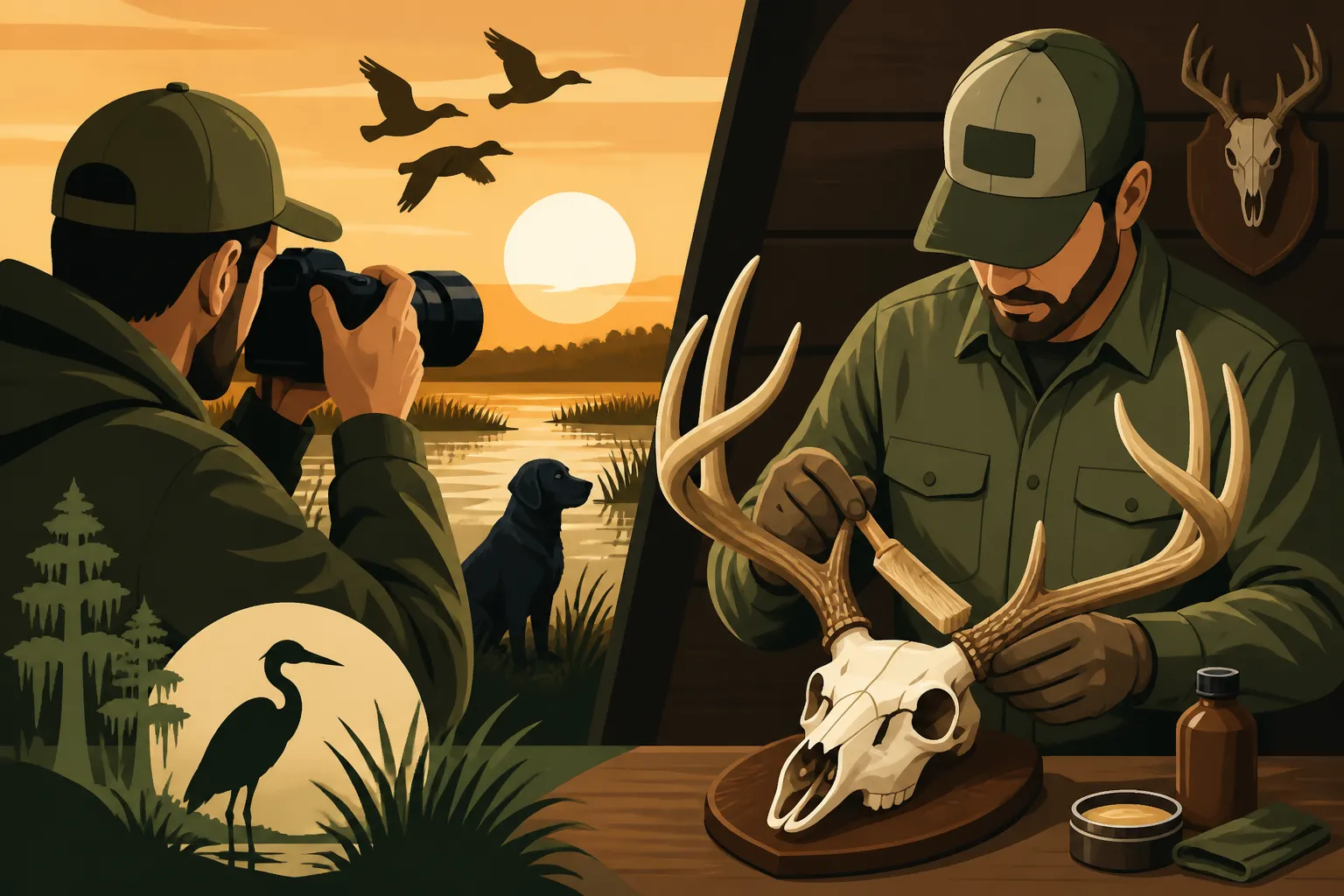
It's an incredible feeling, isn't it? That moment when all the planning, the scouting, the early mornings, and the patient waiting culminate in a successful harvest. You've done it! But once the adrenaline settles, a new set of tasks begins: preserving that memory, both in stunning photographs and in the physical form of your trophy. Many hunters get so caught up in the hunt itself that they overlook these crucial steps, leading to regret later. This guide is here to walk you through exactly how to ensure your lodge hunt memories, and your trophy, are preserved perfectly.
Capturing the Moment: Photography Tips for Your Lodge Hunt
Let's be honest, in today's world, if there isn't a picture, did it even happen? While that's a bit tongue-in-cheek, photographs are how we relive those incredible moments and share them with friends and family back home. Don't let a blurry, poorly lit cell phone pic be the only memento of your hard-earned success.
Pre-Hunt Photo Prep: Gear and Mindset
The best trophy photos aren't taken on a whim; they're planned. Thinking about your photography before you even hit the woods or marsh can make a world of difference.
First, consider your gear. While modern smartphones take impressive pictures, they still have limitations, especially in low light. If you have a dedicated camera, even a small mirrorless or DSLR, bring it along. Charge all your batteries – and bring spares! There's nothing worse than getting your trophy on the ground and realizing your phone's dead or your camera battery is blinking red. Think about a small, lightweight tripod if you want to get in some self-timer shots or stable video. Clean your lenses, both on your phone and any dedicated camera. Smudges are the silent killers of good photos.
More importantly, prepare your mindset. Talk to your guide before the hunt about the importance of good photos to you. They've likely taken thousands of trophy pictures and know the best angles and locations. Don't assume they'll just snap a few quick ones; make it clear you want to take a moment to do it right. This might mean field dressing takes a backseat for a few minutes while you get your shots. Consider scouting out potential photo backdrops as you hunt – a beautiful stand of cypress, a sun-dappled field edge, or the rustic lodge itself. Remember, a good hunting trip is often about more than just the kill; it's about the experience.
Post-Harvest Photos: Making Your Trophy Shine
This is where many hunters drop the ball, and it's completely understandable in the excitement. But taking just a few extra minutes can elevate your trophy photo from a snapshot to a true keepsake.
Once your game is down, take a breath. First, clean up the animal. Wipe away any blood, tuck in the tongue, and ensure the eyes aren't bulging if possible. For deer, gently position the head to showcase the antlers. If you're hunting ducks, arrange the birds nicely, perhaps fanned out or held respectfully. Avoid the classic "grip and grin" where you're holding the animal by an antler or leg with a forced smile. Instead, kneel behind it, perhaps with your rifle or bow resting next to you, looking down at the animal with respect and gratitude. The goal is to convey appreciation, not just conquest. Field Dressing a Deer in Warm Weather is a good resource for initial handling.
Lighting is paramount. Overcast days are fantastic as they provide soft, even light. If it's sunny, try to position yourself so the sun is at your back, illuminating the animal, but avoid harsh midday sun that creates deep shadows. Early morning or late evening light (the "golden hour") can make any photo look incredible. Think about your background – avoid busy roads, parked trucks, or trash. A natural backdrop of trees, marsh grass, or open field is ideal. Take multiple shots from different angles: eye-level with the animal, from a slightly higher angle looking down, and wider shots that include the surrounding landscape. Don't be afraid to experiment!
Lodge and Camp Life: Documenting the Experience
Your trophy animal is the highlight, no doubt, but the memories of the entire trip are just as valuable. The camaraderie, the quiet moments, the meals, and the stunning Louisiana landscapes all deserve to be documented.
Think about capturing the atmosphere of the lodge itself. Photos of the main common area, the dining table laden with a delicious camp meal, or a group shot around the fire pit can tell a story. Snap candid shots of your hunting partners, laughing, sharing stories, or preparing gear. Don't forget the unsung heroes – your guides. A good photo of your guide in action, or simply sharing a cup of coffee, pays tribute to their hard work and expertise. These are the details that truly bring the memories flooding back years down the road.
If you're hunting with an outfitter you found through a platform like BookYourHunt, you'll often see photos of their facilities and past hunters. Use those as inspiration for the types of shots you want to capture. Documenting the process, from getting ready in the morning to the field dressing and Butchering a Deer at Camp, provides a full narrative of your adventure. These "behind the scenes" moments often become the most cherished photographs, long after the exact antler points are forgotten.
From Field to Lodge: Initial Trophy Care
Once the photos are taken, the real work begins for preserving the physical trophy. Proper field care is the most critical step in ensuring your animal can be transformed into a beautiful mount by a taxidermist. Neglecting this part can make even the most skilled taxidermist's job impossible.
Field Dressing and Caping for the Taxidermist
This isn't just about getting the meat cooled; it's about protecting the hide and skull for a potential mount. A botched field dress or caping job can ruin a cape, rendering it useless for a shoulder mount.
For deer, if you plan a shoulder mount, the rule of thumb is to "tube skin" the animal down to the brisket, leaving plenty of hide. Make your initial cut around the body behind the shoulder, well behind the front legs, aiming for a point about 6-8 inches behind the last rib. Then, skin up to the base of the skull, cutting the hide from around the ears, eyes, and mouth with extreme care. You want to leave ample hide for the taxidermist to work with. If you're unsure, it's always better to leave more hide than not enough. Avoid cutting the throat or making any cuts to the hide that would show on a shoulder mount. Many guides at Louisiana lodges are skilled in this, but communicate your intentions clearly. If you are ever in doubt, the very best thing to do is make only the cuts necessary to get the guts out and keep the animal cool, then get it to a professional as soon as possible.
For ducks, geese, or other birds, the key is to avoid ruffling or damaging the feathers. Don't gut them; just cool them whole. Try to keep them clean and avoid packing them directly against sharp ice that could damage delicate feathers. If you're targeting a mount, try to pick the bird up by its feet to avoid crushing or bending feathers.
Cooling and Transporting Your Trophy
Heat is the enemy of a good cape and good meat. Louisiana's warm climate, even in hunting season, means quick cooling is non-negotiable.
As soon as the animal is field dressed, get it cooled down. For deer, this means getting air circulating around the carcass. If you're at a lodge, they often have a cooler or a designated hanging area where the animal can cool overnight. If you're caping it out in the field, get that cape into a cooler on ice as quickly as possible. When packing with ice, try to keep the ice in bags rather than directly on the hide for extended periods, as prolonged direct contact can cause "ice burn" or freezer burn if not managed properly. If you must put ice directly on it, ensure it drains well and isn't sitting in water.
For birds, simply placing them in a cooler, wrapped loosely in a towel to protect feathers, is usually sufficient. Again, avoid getting them soaked in melted ice water if possible. Proper cooling not only preserves the hide for taxidermy but also ensures the meat remains top-notch. If you're traveling a distance, good coolers and dry ice can be your best friends. Dragging a Deer Out of a Swamp emphasizes the challenge of getting your game out quickly in tough conditions, highlighting the need for good planning.
Lodge Services and Taxidermy Connections
One of the great advantages of hunting with a reputable lodge or outfitter is the support they can often provide with trophy care logistics. They understand the process and often have established relationships.
Lodge Assistance with Trophy Preparation
Most hunting lodges are well-versed in assisting hunters with initial trophy preparation. This often includes designated skinning areas, facilities for quartering meat, and freezer space to store capes and meat until you depart.
Don't hesitate to ask your outfitter what services they offer before you book your hunt, especially if getting a mount is a high priority for you. Some lodges will have staff on hand who can expertly cape your deer or clean your ducks for a fee. Others might simply provide the space and tools. It's rare for a lodge to offer full taxidermy services on-site, but they can bridge the gap between the field and the taxidermist. For example, some might have large freezers specifically for capes, allowing them to be frozen solid and safely stored. This is a crucial consideration, especially if you're a nonresident or flying home. Many outfitters listed on GoHunt or other booking platforms will detail these services as part of their package.
Connecting with Local Taxidermists
A good lodge or guide often has a network of trusted local taxidermists they work with regularly. This connection can save you a lot of headache and ensure your trophy ends up in skilled hands.
Before your hunt, ask the lodge if they have preferred taxidermists. Many will have a few names and numbers, and some taxidermists even make regular pickups from specific lodges during hunting season. Discuss your mounting plans with your guide and the lodge staff. Do you want a shoulder mount? A European mount? A full body mount for a duck? Knowing this allows them to advise on the best field care for that specific type of mount. For example, a European mount requires the skull, which needs to be cleaned and protected differently than a cape. Having this conversation early is key to avoiding disappointment. The article Taxidermy Arrangements Through a Louisiana Guide can offer more insights into this specific aspect.
Packaging and Shipping Your Trophy Home
Getting your prized trophy from the Louisiana bayou or piney woods back to your home, sometimes across state lines, requires careful planning and execution.
For capes and hides, the best method for shipping is typically frozen solid. Ensure the cape is properly salted and then frozen. Wrap it securely in heavy-duty plastic bags, then place it in a sturdy cooler or insulated box. You can often use dry ice to keep it frozen during transit, but check with your shipping carrier about their specific regulations for dry ice. For European mounts, the cleaned skull can be securely packed in a box with padding. For frozen meat, vacuum-sealing is your best friend, followed by careful packing in a cooler with dry ice.
Always research shipping regulations well in advance. UPS, FedEx, and specialized game shipping services can handle trophies, but each has specific guidelines for packaging, labeling, and contents. If you're flying, check airline baggage policies – some allow frozen game meat and properly packaged skulls as checked luggage, while others have stricter rules. Clear communication with the lodge and your chosen shipping provider will ensure your trophy makes it home safely and legally. Remember, What to Pack for a Guided Louisiana Hunt should include considering your trophy's journey home.
Photography vs. Trophy Care Priorities
Here's a quick comparison to help you prioritize effectively:
| Aspect | Priority for Photography | Priority for Physical Trophy Care |
|---|---|---|
| Timing | Immediately after harvest, before extensive handling | As soon as possible after harvest, concurrent with photos |
| Animal Condition | Clean, respectful posing, natural appearance | Rapid cooling, precise cuts, protection of hide/skull/feathers |
| Gear | Camera/phone, charged batteries, clean lenses, tripod | Sharp knife, cooling bags/ice, adequate cooler space, salt (if applicable) |
| Environment | Good lighting, clean backdrop, scenic elements | Protection from heat, insects, dirt; secure storage |
| Lodge Involvement | Guides assisting with posing, advice on locations | Staff assistance with skinning, freezing, taxidermist contacts |
| Long-Term Goal | Cherished memories, shareable images | Preservation for taxidermy, quality meat |
Ultimately, both photography and trophy care are about preserving the incredible experience of your Louisiana hunt. By planning ahead, communicating with your lodge and guide, and taking those crucial extra steps, you'll ensure that the memories, both visual and tangible, last a lifetime. Don't let the excitement overshadow the importance of these final, crucial details.
Disclaimer
This article is for general informational purposes only and does not constitute professional advice. Laws, prices and regulations vary by location and change over time. Consult a qualified professional for guidance on your specific situation.