Combining a Deer and Duck Trip in Louisiana
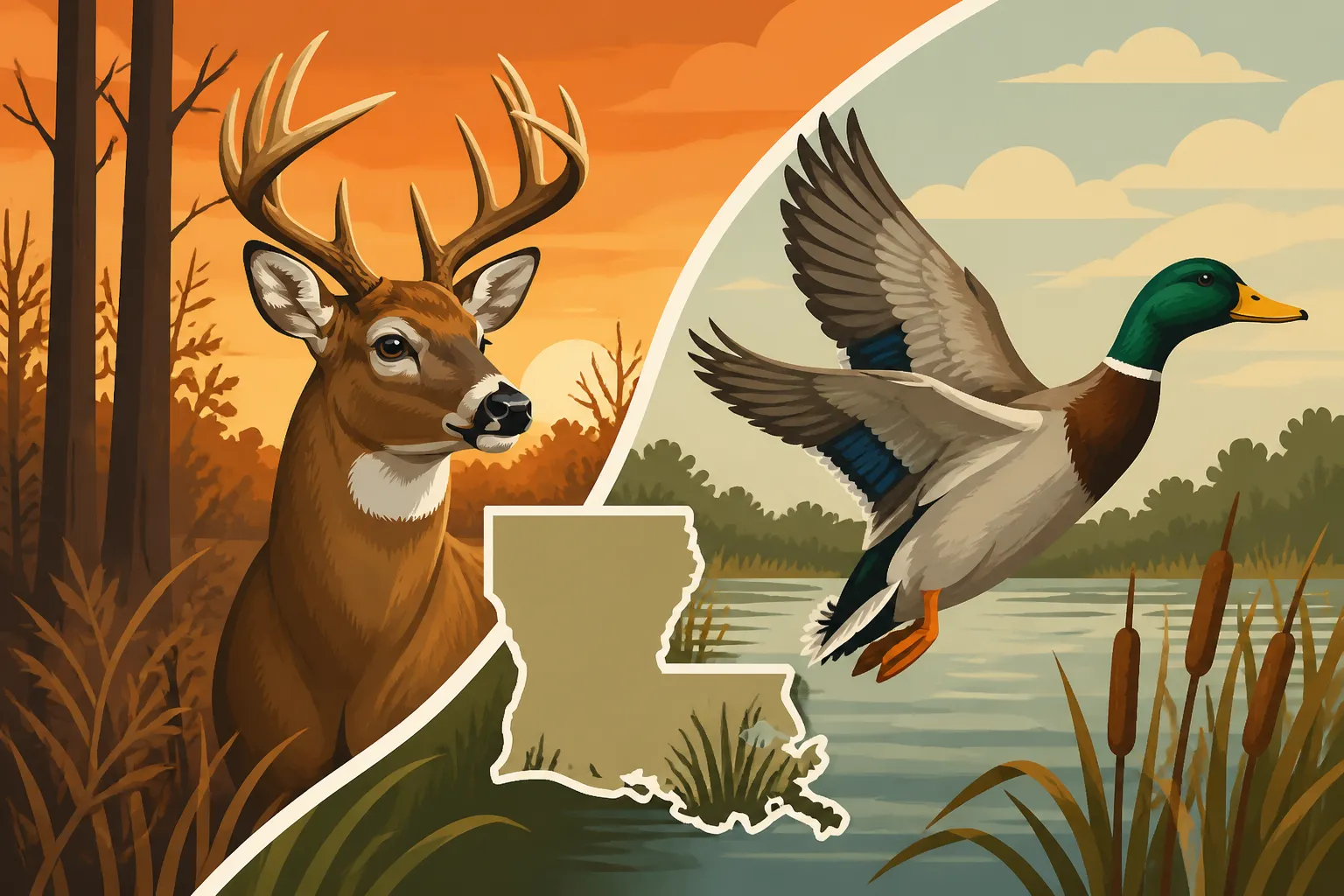
Oh, the dream! Picture it: one morning you're tucked into a deer stand, watching the fog lift over a bayou, and the next, you're hunkered in a blind, listening for the whistle of wings as ducks dive into decoys. Combining a deer and duck trip in Louisiana sounds like the ultimate hunting vacation, a chance to truly immerse yourself in the diverse ecosystems our state offers. But let's be real, turning that dream into a successful reality comes with its own set of unique challenges, from timing the seasons just right to juggling gear for two vastly different pursuits. This guide is here to walk you through the ins and outs of planning such an ambitious adventure, helping you navigate the complexities so you can experience the best of both worlds.
The Allure and Logistics of a Dual-Species Hunt
There's a reason why so many hunters fantasize about a deer and duck combo hunt in Louisiana. It’s not just about the harvest; it's about experiencing the incredible range of our state's wild places, from dense bottomland hardwoods where whitetails roam to the expansive coastal marshes teeming with waterfowl. The sheer variety of terrain, wildlife, and hunting styles you can engage with in a single trip is truly special. However, the very diversity that makes it so appealing also presents the most significant logistical hurdles.
Why Hunters Dream of This Combo
For many of us, hunting isn't just a pastime; it's a way of life that connects us to nature in a profound way. The idea of waking up before dawn, heading out into two completely different environments, and pursuing two iconic Louisiana game animals in one fell swoop is incredibly enticing. Imagine the stories you'd bring back to camp! You get to witness the quiet stealth of deer hunting, the meticulous scouting, and the patient waiting, contrasted with the explosive action and camaraderie of a duck hunt. It's a double dose of everything we love about being in the Louisiana outdoors.
Beyond the thrill, a combo trip often means maximizing your travel and time off. If you're coming from out of state, or even if you're a busy Louisiana resident, consolidating two major hunting experiences into one journey can be incredibly efficient. It allows for a deeper dive into the local culture, the food, and the unique atmosphere that defines hunting in the Bayou State. Plus, it pushes you as a hunter to adapt your skills, mindset, and gear to different challenges, making you a more versatile and well-rounded outdoors person.
Identifying the Logistical Hurdles
While the dream is grand, the reality of combining these two hunts requires meticulous planning. The first major hurdle is often the season overlap. Deer seasons vary wildly across Louisiana's ten deer areas, and duck seasons have specific splits and zones. Finding a window where both are open and prime for hunting can be tricky. Then there's the habitat difference: whitetails generally thrive in timber, swamps, and agricultural edges, while ducks are tied to water, be it marsh, flooded timber, or rice fields. This means you're likely scouting and setting up in two entirely different geographical locations, potentially hours apart.
Gear is another big one. You'll need a rifle or bow for deer, camouflage suitable for woodlands or fields, and sturdy boots for walking miles. For ducks, you'll need a shotgun, waders, waterproof outerwear, decoys, and possibly a boat. Transporting all this gear, especially if you're flying in or have limited vehicle space, can be a headache. And let's not forget the differing physical demands. Deer hunting might involve long walks and stand sitting, while duck hunting can mean busting through marsh grass, deploying decoys in cold water, or long boat rides in the dark. It's a lot to manage, and ignoring these details is a recipe for frustration.
Key Considerations for Timing Your Hunt
Getting the timing right is arguably the most critical component of a successful combo trip. Louisiana's hunting seasons are carefully structured, and while there are overlaps, finding that sweet spot where both deer and duck hunting are productive requires a keen understanding of the regulations and animal behavior.
Overlapping Deer and Duck Seasons
Louisiana offers a long deer season in many areas, with archery starting as early as October and gun seasons extending into January or even February in certain zones. Duck seasons, on the other hand, typically open in November and run through January, often with a mid-season split. This means your best bet for a significant overlap often falls from mid-November through December.
Consider researching Louisiana's Ten Deer Hunting Areas Explained to understand how deer season dates vary. For example, some areas have earlier gun openers or longer either-sex windows that might coincide better with prime duck hunting. Areas 5, 6, and 9 often have very long seasons, including extensive either-sex periods, which can be advantageous. Similarly, familiarize yourself with Louisiana Waterfowl Zones and Seasons to identify the optimal duck splits. Many hunters find that the late December to early January window offers a strong chance for both, as deer are often in post-rut patterns and ducks are typically well-established on their wintering grounds.
Choosing Your Deer Area Wisely
Not all deer areas are created equal when it comes to combining hunts. If your primary duck hunting destination is the coastal marsh, you'll want to look at deer areas that are geographically close, or at least offer easy travel between the two. The Florida Parishes, for instance, are known for quality deer, but are a significant drive from the duck-rich coastal zones. Conversely, the Tensas River Basin offers fantastic deer hunting but is still a haul from the marsh.
Areas with a strong mixture of habitat, like parts of the Atchafalaya Basin or areas along major river systems, might allow for easier transitions between deer and duck hunting, sometimes even on the same property if it has diverse wetlands and uplands. For example, some public lands or private leases might offer both flooded timber for ducks and adjacent high ground for deer. Researching areas like Hunting the Atchafalaya Basin or specific WMAs known for both species can point you in the right direction. It's a strategic decision that heavily influences the feasibility and enjoyment of your trip.
Maximizing Duck Migration and Weather
For duck hunting, cold fronts are your best friend. These weather systems push new birds down the Mississippi Flyway, often resulting in strong flights into Louisiana. However, deer behavior can also be impacted by cold weather, often increasing their movement and feeding activity during daylight hours. This means a good cold front, especially after a period of warm weather, could present excellent conditions for both species simultaneously.
Paying attention to long-range weather forecasts will be crucial. Aiming your trip for a period when a significant cold front is expected can drastically improve your chances for both deer and ducks. Keep in mind that duck hunting in milder weather can be tough, as birds are less concentrated and often don't fly as readily. Conversely, deer in warm weather can be largely nocturnal. Therefore, targeting those cooler, crisp days in late fall and early winter is often the key to unlocking success on a combo trip.
Planning Your Dual-Species Adventure
Once you've wrapped your head around the timing, the real planning begins. This isn't just booking a flight and showing up; it's a strategic operation that requires careful consideration of guides, gear, and travel.
Guided Hunts vs. Self-Guided Efforts
This is perhaps the biggest decision point for a combo trip, and it often comes down to budget, experience, and time. If you're looking for a relatively stress-free experience, especially if you're not from Louisiana or don't have extensive experience with both species here, hiring guides for one or both legs of your trip can be invaluable. A reputable Booking a Coastal Marsh Duck Lodge or What a Guided Louisiana Deer Hunt Costs outfitter will handle the logistics, provide expert knowledge, and have access to prime hunting grounds. This can save you immense amounts of time on scouting, setting up, and even processing game. Some outfits might even specialize in combo packages. When looking for outfitters, platforms like BookYourHunt can be a useful resource to compare options and read reviews from other hunters who have done similar trips.
However, guided hunts come with a higher price tag. If you're on a tighter budget or prefer the challenge of doing it yourself, a self-guided trip is certainly possible, especially on Louisiana's extensive public lands. This means doing your homework on areas like Public Hunting Land in Louisiana or specific Wildlife Management Areas. You'll be responsible for all your gear, scouting, transportation, and logistics, which means more planning on your part but potentially a more rewarding sense of accomplishment. Just be realistic about the time commitment for scouting two different types of habitat.
Essential Gear Considerations
Packing for two distinctly different hunts is a puzzle. You'll need separate clothing systems: insulated, scent-control deer camo for the woods, and waterproof, quick-drying duck camo for the marsh. Waders are non-negotiable for duck hunting, but heavy hiking boots are better for deer. Firearms are another point: a reliable deer rifle or a bow, and a good 12-gauge shotgun for ducks (with appropriate non-toxic shot).
Here's a quick comparison of key gear differences:
| Item | Deer Hunting Focus | Duck Hunting Focus |
|---|---|---|
| Primary Weapon | High-powered rifle, shotgun (slugs), muzzleloader, bow | 12-gauge or 20-gauge shotgun |
| Ammunition | Centerfire rifle cartridges, shotgun slugs, arrows | Steel shot, bismuth, or other non-toxic shot |
| Outerwear | Quiet, scent-control camouflage (woods patterns) | Waterproof, windproof, insulated camouflage (marsh/timber patterns) |
| Footwear | Sturdy, waterproof hiking boots | Chest waders (neoprene or breathable) |
| Headwear | Camo beanie or cap, blaze orange/pink during gun season | Waterproof beanie, face mask, eye protection (safety glasses) |
| Blind/Stand | Treestand, ground blind | Layout blind, boat blind, natural brush blind |
| Calls | Grunt tube, rattling antlers, doe bleats | Duck calls (mallard, teal, speck), goose calls |
| Transportation | Truck, ATV (where allowed), on foot | Jon boat, mud motor, ATV (where allowed), kayak, airboat |
| Essentials | GPS, rangefinder, binoculars, field dressing kit | Decoys, dog (if allowed), retriever stand, thermos, GPS, first aid |
Don't forget the small but crucial items: multiple pairs of socks for both hunts, warm gloves, layered clothing, a good thermos for coffee on cold mornings, and robust game processing and storage solutions. If you're going self-guided, you might also need decoys, a layout blind, or a tree stand. Consider how you'll clean and transport your harvested game for both species, especially if your lodging is far from a processor.
Finding the Right Lodging and Travel
Your base camp location will make or break the efficiency of your combo hunt. Ideally, you want a central spot that minimizes travel time to both your deer and duck hunting areas. This might mean looking for lodging in a town that sits between a major WMA known for deer and a coastal parish famous for ducks.
If you're using outfitters, they'll often provide lodging as part of the package, or at least recommend options close to their hunting grounds. If you're planning on your own, consider cabins, airbnbs, or even camping on national forest land like Camping Rules on Kisatchie Forest Land if it's permitted and convenient. Google Maps and LDWF resources like the Using the LDWF Map Tool can be your best friends here. Don't underestimate the impact of long drives in the dark after a successful hunt—you'll want to minimize that as much as possible. Factor in boat launches, proximity to fuel, and places to grab a warm meal.
Making the Most of Your Louisiana Combo Trip
So you've tackled the logistics, booked your trip, and your gear is packed. Now, how do you ensure you have a truly memorable and successful experience? It's about being prepared, adaptable, and most importantly, enjoying every moment in our incredible Louisiana outdoors.
Leveraging Outfitters and Local Knowledge
If you opted for a guided trip, trust your guides! They live and breathe these hunts, and their knowledge of local conditions, animal movements, and effective tactics is unparalleled. They'll know Hunting the Rut in the Early-Start Areas for deer and Duck Migration Timing Through Louisiana for waterfowl. Don't be afraid to ask questions. They can offer insights you won't find in any book or online forum. For instance, they might suggest specific times to switch from deer to duck hunting based on daily weather patterns or recent scouting reports.
Even if you're going self-guided, don't underestimate the power of local knowledge. Chat with folks at small-town diners, bait shops, or sporting goods stores. While they might not give up their secret spots, they often offer invaluable general advice on current conditions, such as "the ducks have been hitting the east side of the marsh" or "deer are still on acorns in the bottomlands." Online forums and resources like GoHunt can also be great for researching specific areas and recent success stories from other hunters.
Strategic Planning for Each Day
A combo hunt means you need a fluid daily plan. You might dedicate the morning to duck hunting, capitalizing on the early flight, and then switch gears for an afternoon deer hunt, perhaps still-hunting a timber block or sitting a stand over a food plot. Or perhaps you focus solely on ducks for a couple of days, then transition entirely to deer for the remainder of your trip. Flexibility is key.
Consider the moon phase and weather. A bright full moon might mean deer are more active at night, making midday hunting tougher, but could still be good for ducks if a cold front is pushing them. Heavy rain can make duck hunting exciting but might push deer into thick cover. Have a backup plan if one species isn't cooperating. Maybe the ducks aren't flying, so you pivot to a full day of Scouting Louisiana Public Land Before Season for deer sign, or focus on hogs, which are huntable year-round in Louisiana.
Embracing the Challenge and Enjoying the Culture
A combo hunt isn't always easy. There will be early mornings, long drives, and maybe even days when one or both species elude you. That's hunting, especially when you're pursuing two different animals in diverse habitats. Embrace the challenge, learn from every experience, and soak in the unique atmosphere of Louisiana.
Enjoy the food – from gumbo to boudin, our culinary scene is as rich as our hunting heritage. Engage with the people; Southerners are often incredibly friendly and full of stories. A successful combo trip is about more than just filling tags; it's about the adventure, the memories, and the deeper connection you forge with the wild heart of Louisiana. Whether you're successful on both counts or just one, the experience of trying to pull off such a diverse hunting trip will be a story you tell for years to come.
Disclaimer
This article is for general informational purposes only and does not constitute professional advice. Laws, prices and regulations vary by location and change over time. Consult a qualified professional for guidance on your specific situation.