What Nonresidents Should Ask Before Booking
Heading south to Louisiana for a hunting trip as a nonresident can be incredibly exciting, but also a bit daunting. Our bayous, marshes, pine forests, and hardwood bottoms offer some truly unique hunting experiences, but the rules, terrain, and even the local lingo can feel like a whole new world. Many folks arrive with high hopes only to find themselves confused by a license structure, unfamiliar with the CWD zones, or simply unsure if the outfitter they booked is truly a good fit for their expectations. This guide is here to help you navigate those waters, giving you a clear list of crucial questions to ask before you commit to a hunt in the Sportsman's Paradise.
Unpacking Louisiana's Specifics: Licenses, Laws, and Logistics
Louisiana has a distinct flavor, and that applies to our hunting regulations, too. What might be standard practice in your home state could be very different here. It's not enough to just know if you can hunt; you need to know how to hunt legally and ethically in our unique environment. Getting clear on these points upfront will save you headaches and potential legal trouble down the line.
Understanding Louisiana's Nonresident License Structure
First things first: your license. Louisiana has different options, and you want to make sure you're getting the right one for your trip. It's not always as simple as a single "nonresident hunting license." You'll need to know what species you plan to pursue.
Are you coming for deer, ducks, hogs, or maybe a combo? Each typically requires a base hunting license, and then often specific tags or permits for certain game species. For example, deer and turkey generally require additional tags. If you're planning a waterfowl hunt, you'll also need state and federal duck stamps, plus a Harvest Information Program (HIP) certification. Don't forget, if you're taking advantage of our long archery season, you'll need the appropriate archery endorsement. It's easy to overlook a small but critical detail, so ask your outfitter to clearly outline every single license, permit, and stamp you'll need for your specific hunt package. Many outfitters understand this process well and can guide you, or at least point you to the right page on the Louisiana Department of Wildlife and Fisheries (LDWF) website. You can also explore options like Louisiana Nonresident Hunting License Options to get a head start.
Navigating Local Hunting Regulations and Rules
Louisiana's hunting regulations can vary significantly depending on where you're hunting. Our state is divided into multiple Deer Areas, each with its own season dates, bag limits, and even rules about hunting with dogs or primitive firearms. What applies in Area 1 in the northwest is often very different from Area 9 down in the swamps.
You absolutely need to ask your outfitter about the specific deer area they operate in and what that means for your hunt. Are there antler restrictions? What are the legal shooting hours? What's the daily and season bag limit for the species you're targeting? If you're planning a primitive firearms hunt, make sure to ask about Choosing Legal Primitive Firearms Gear and what calibers are allowed. For waterfowl, understanding Louisiana Duck Zone Rules is critical, as seasons can differ between zones. Also, always inquire about blaze orange requirements. Louisiana Blaze Requirements are in effect during firearms seasons, and you don't want to show up unprepared. Don't assume anything, because an honest mistake can still lead to a citation.
Chronic Wasting Disease (CWD) and Carcass Movement
CWD is a serious concern for deer herds nationwide, and Louisiana is no exception. We have specific CWD Management Zones, particularly in the northeastern part of the state, with strict rules about baiting, feeding, and carcass movement.
If you're hunting in or near one of these zones, it's paramount to ask your outfitter: Is this hunt taking place in a CWD Management Zone or a Buffer Zone? What are the specific rules for baiting or feeding in that area? Most importantly, what are the regulations regarding carcass movement? You might not be able to take the entire deer carcass back to your home state, and you definitely can't transport it whole out of a CWD zone. Your outfitter should be well-versed in Louisiana Carcass Movement Restrictions and ideally have facilities for proper processing to ensure you can legally transport your meat and antlers. Don't risk a fine or the spread of this disease by being uninformed.
Vetting Your Outfitter: Ensuring a Quality Experience
Booking a nonresident hunt is a significant investment of time and money. You want to make sure you're putting your trust, and your hard-earned cash, into the right hands. A good outfitter will be transparent, communicative, and committed to providing a safe and memorable experience.
What Does "All-Inclusive" Really Mean?
The term "all-inclusive" gets thrown around a lot in the hunting industry, and it can mean vastly different things to different outfitters. It's crucial to pin down exactly what's covered in your package price.
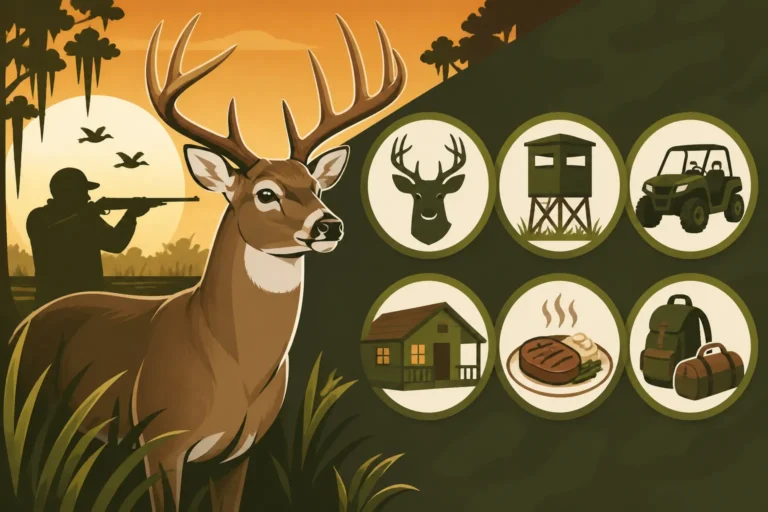
Ask your outfitter for a detailed breakdown: Does it include your license fees and tags, or are those an additional expense? Are meals, lodging, and transportation during the hunt (like boat rides to duck blinds or stands) included? What about field dressing your animal, skinning, quartering, and even basic caping for a taxidermy mount? Will they assist with arrangements for meat processing and shipping, or is that entirely on you? Some outfitters include basic processing, while others might just get the animal out of the woods. Clarify if ammunition, hunting gear, or even gratuities for guides are part of the "all-inclusive" price. If you're booking a coastal marsh duck hunt, inquire if it includes waders, decoys, and dog services, or if those are things you need to bring or arrange. Transparency here will prevent unpleasant surprises once you arrive. You can get an idea of what generally comes in a What a Louisiana Deer Hunt Package Includes.
Guide Experience and Safety Protocols
Your guide's experience and the outfitter's commitment to safety are non-negotiable. You're entrusting them with your safety and the success of your hunt.
Ask about your guide's background: How long have they been guiding in this specific area? Do they have a good understanding of local animal behavior and patterns, like Hunting the Rut in the Early-Start Areas or Duck Migration Timing Through Louisiana? What kind of certifications do they hold (e.g., first aid, CPR)? What are their safety protocols for things like boat travel in the marsh, treestand safety, or handling firearms in the blind? Is there a primary emergency contact number, and what's their plan in case of an accident or medical emergency in a remote location? For example, if you're deep in the Hunting the Atchafalaya Basin, cell service might be spotty, so a satellite phone or radio communication system is essential. A reputable outfitter will be proud to share their safety record and guide qualifications. Websites like BookYourHunt often have client reviews that can offer insights into these aspects.
References, Reviews, and Success Rates
Any good business relies on satisfied customers, and hunting outfitters are no different. Don't be shy about asking for references.
Request contact information for at least three recent nonresident clients who have hunted the same type of trip you're considering. Follow up with those references and ask specific questions about their experience: Was the outfitter responsive? Were the accommodations as described? Did the guide work hard? What was the general atmosphere like? Also, ask your outfitter about their typical success rates for the specific species and time of year you plan to hunt. Be wary of guaranteed success claims – hunting is hunting, and nothing is ever 100%. Look for realistic, transparent reporting. Sites like GoHunt often compile data and reviews that can help you cross-reference what an outfitter claims versus what past clients have experienced. Don't hesitate to read Vetting a Louisiana Outfitter Before You Book for more tips on this critical step.
Logistics and Expectations: From Arrival to Departure
Beyond the hunt itself, there are many practical considerations for a nonresident traveling to Louisiana. Thinking through these details beforehand will make your trip smoother and more enjoyable.
Travel, Accommodation, and Gear Needs
Getting to Louisiana, having a comfortable place to rest, and bringing the right gear are all vital components of a successful hunt.
Discuss your travel plans with your outfitter: What's the closest major airport? Do they offer airport pickup or assistance with ground transportation from the airport to the lodge? What are the lodging arrangements like? Will you have a private room, or is it shared accommodation? What amenities are available (e.g., Wi-Fi, laundry facilities)? Most importantly, ask for a detailed packing list. Louisiana weather can be unpredictable, ranging from warm and humid to surprisingly cold, sometimes all in the same week! If you're hunting the marsh, you'll need waterproof gear and waders. For deer hunting in the timber, good boots are essential. Ask if they have any specific gear recommendations or requirements, such as a particular camouflage pattern or scent control products. Don't forget bug spray – our mosquitoes are legendary!
What Happens After the Shot?
The hunt doesn't end when you pull the trigger. For nonresidents, especially, understanding the post-harvest process is critical.
Ask your outfitter what their policy is for tracking wounded game. How far will they track, and what methods do they use? If you're hunting in a swamp, recovering a deer from a slough can be challenging, so you'll want to know their plan for Recovering a Deer From a Basin Slough. Once an animal is recovered, what happens next? Will the guide assist with field dressing? Do they have facilities at the lodge for skinning, quartering, and storing the meat (like a walk-in cooler) until you depart? This is especially important for Field Dressing a Deer in Warm Weather common in Louisiana's early season. Will they help arrange for a local meat processor or taxidermist? If you plan to take antlers or a hide home, understand any rules or fees associated with that. Many hunters underestimate the logistics of getting their harvest home, so having a clear plan is a must.
Payment Schedule, Deposits, and Cancellation Policies
Understanding the financial agreement and contingencies is crucial to protect your investment.
Get a clear, written contract or agreement that outlines the total cost, what's included, the payment schedule (e.g., deposit amount, final payment due date), and the exact cancellation policy. What happens if you have to cancel? What if the outfitter has to cancel due to unforeseen circumstances like severe weather (e.g., a hurricane threat in coastal areas) or a change in regulations? Are deposits refundable or transferable to a future date? Do they offer or recommend travel insurance that covers hunting trips? This can be a lifesaver, especially for nonresident trips that involve significant travel expenses. Always ensure you understand every clause before you sign and send any money.
Here's a quick summary of key questions to ask:
| Category | Key Questions to Ask |
|---|---|
| Licenses & Regulations | Which licenses/tags do I exactly need for my hunt? |
| What specific Deer Area are we hunting, and what are its rules? | |
| Is this area impacted by CWD, and what are the carcass rules? | |
| Outfitter Package | What is specifically included in the "all-inclusive" price? |
| What are your guides' experience and safety protocols? | |
| Can I speak to recent nonresident clients for references? | |
| Logistics & Post-Hunt | What are the travel logistics to/from the lodge/hunt area? |
| What happens after the shot (tracking, processing, storage)? | |
| What is your payment schedule, deposit, and cancellation policy? | |
| Gear & Environment | What gear, clothing, and footwear should I bring for this region? |
| What are the typical weather conditions for my hunt dates? | |
| How will you handle unforeseen events (e.g., medical, weather)? |
By asking these questions, you'll gain a much clearer picture of what to expect and significantly increase your chances of a successful and stress-free Louisiana hunting adventure. Don't leave your trip to chance; be informed and confident in your booking!
Disclaimer
This article is for general informational purposes only and does not constitute professional advice. Laws, prices and regulations vary by location and change over time. Consult a qualified professional for guidance on your specific situation.