What a Guided Bear Hunt Costs in Louisiana
Drawing a Louisiana black bear tag is like winning a mini-lottery, a truly rare opportunity that many hunters dream of. But once you've secured that coveted tag, the next big question often looms large: how do you turn that dream into a reality, and what does it actually cost to have a seasoned professional guide you through the dense swamps and bottomlands to find a Louisiana bear? This guide aims to shed light on the financial considerations and practical steps involved in booking a guided bear hunt in the Pelican State.
The Reality of Louisiana Bear Hunting
Hunting black bears in Louisiana isn't your typical walk-in-the-woods deer hunt. It’s a specialized, highly regulated endeavor that reflects the unique challenges and conservation successes surrounding the state's recovering bear population. Understanding this context is crucial before you even start looking at guide prices, because it shapes everything about the hunt, including its exclusivity and, consequently, its cost.
The Lottery System and Scarcity
One of the biggest realities you'll face is the scarcity of tags. Louisiana doesn't offer over-the-counter bear tags; instead, hunters must enter a lottery system to draw one of the very limited permits available each season. This isn't like deer hunting where you can often buy a tag and go. The limited number of tags means that securing one is a significant accomplishment in itself, and it immediately sets a guided bear hunt apart from other hunting experiences in terms of demand and a certain level of prestige.
If you're lucky enough to have your name drawn for a tag, you've already cleared the biggest hurdle. The limited opportunities mean that guides who specialize in bear hunts are also limited and often booked up quickly. This high demand for their expertise, coupled with the rarity of the tags, inherently influences their pricing structure. You can learn more about Louisiana's Reinstated Black Bear Lottery to understand the odds and application process.
Mandatory Training and Regulations
Another unique aspect of Louisiana bear hunting is the mandatory hunter education component. If you draw a tag, you're required to attend a specialized bear hunter training course. This isn't just a suggestion; it's a legal requirement designed to ensure hunters are educated on bear biology, behavior, and ethical hunting practices. While the course itself has a modest fee, it adds another layer to the planning process and underscores the serious, conservation-focused approach Louisiana takes to its bear season.
Beyond the training, the regulations around legal harvest, such as distinguishing a legal bear from a cub or a sow with cubs, are stringent. A good guide isn't just helping you find a bear; they're ensuring you hunt legally and ethically, adhering to all the state's specific guidelines. This expertise is part of what you're paying for. Getting familiar with Attending the Mandatory Bear Hunter Course will give you a head start.
The Unique Challenge of Louisiana Bears
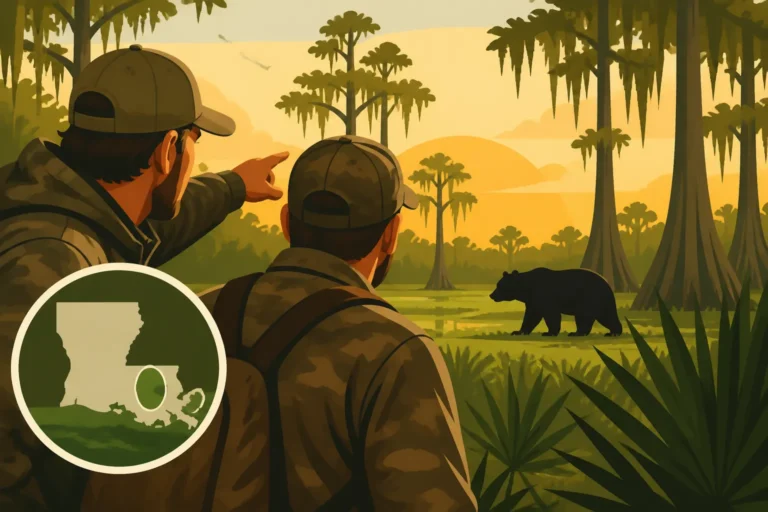
Louisiana's black bears, particularly those in areas like the Atchafalaya Basin, inhabit some of the most challenging and dense terrain in the state. We're talking about vast expanses of swamp, thick bottomland hardwoods, and palmetto thickets that can be incredibly difficult to navigate, let alone track a bear through. This isn't mountain hunting where you might glass vast open areas. It's often close-quarters, physically demanding hunting that requires intimate knowledge of the local landscape and bear habits.
Guides who operate in these environments possess specialized knowledge of bear movement patterns, preferred food sources, and bedding areas within these complex ecosystems. Their understanding of the ebb and flow of water levels, the best routes through the cypress and tupelo, and how to read subtle sign in such thick cover is invaluable. It’s a completely different ballgame from hunting deer on a food plot.
Factors Influencing Guided Bear Hunt Costs
Once you have that coveted bear tag in hand, the next step is often finding a guide to maximize your chances of success. But what actually drives the cost of these specialized hunts? It’s not a simple flat fee; a multitude of factors come into play, each contributing to the overall investment required for a guided Louisiana bear experience.
Guide Experience and Reputation
Just like in any specialized field, experience and reputation are paramount in the guiding world, and they directly influence pricing. A guide who has been successfully leading bear hunts in Louisiana for years, intimately knows the territory, and has a proven track record of ethical harvests will command a higher fee than someone just starting out. This isn't just about finding a bear; it's about finding the right bear, safely, and within legal parameters.
Established guides often have exclusive access to prime private lands or have spent countless hours scouting public lands, building up a wealth of knowledge that inexperienced hunters simply don't possess. They've learned the subtle nuances of The Atchafalaya Basin Bear Population and how these animals move through the varied terrain. This accumulated expertise, along with the investment they've made in their business and equipment, is reflected in their pricing. When researching, platforms like BookYourHunt can sometimes offer insights into different guide's reputations and what previous clients have to say, though specific Louisiana bear hunts might be limited due to their rarity.
Duration and Inclusions of the Hunt
The length of your guided hunt is a primary cost driver. A single-day guided outing will naturally be less expensive than a multi-day package that includes multiple hunting days. Beyond just the time spent hunting, consider what else is included. Does the guide provide transportation to and from the hunting grounds? Are meals and lodging part of the package, or are those separate expenses you need to budget for?
Some premium packages might include amenities like caping services for your trophy, initial game processing, or even assistance with taxidermy arrangements. The more comprehensive the service, the higher the cost. It's crucial to get a clear breakdown of what's covered so you can accurately compare different guide offerings. A hunt that seems "cheaper" initially might end up costing more once you add in all the necessities that aren't included.
Location and Logistics
Louisiana's bear population is primarily concentrated in specific regions, notably the Tensas Basin and the Atchafalaya Basin. The logistical challenges of accessing these areas can vary significantly, impacting guide costs. Hunting deep within the Atchafalaya, for instance, might require specialized boats, airboats, or extensive travel through difficult terrain, all of which add to a guide's operational expenses.
Guides operating in more remote or challenging locations may charge more due to the increased time, fuel, and specialized equipment required to conduct a safe and effective hunt. Furthermore, the distance a guide has to travel to meet you and transport you to the hunting area can also factor into the overall price. When you're considering Where Louisiana Black Bears Range Today, remember that access difficulty in those areas can influence the price.
Equipment and Specialized Gear
A professional bear guide comes equipped with a significant investment in specialized gear. This might include GPS units, two-way radios, sturdy all-terrain vehicles or boats, recovery equipment for large game, and potentially even tracking dogs if the hunt involves trailing a bear after the shot (where legal). They'll also have a thorough first-aid kit and safety gear appropriate for the wilderness.
Some guides might provide certain pieces of equipment for your use, such as ground blinds or even specific firearms if you're traveling light or prefer to use their proven setup. While you'll typically bring your own rifle and personal gear, the guide's extensive array of tools and equipment is an unspoken part of the value you're receiving. This professional-grade equipment ensures not only a more effective hunt but also a safer one, especially in challenging Louisiana environments.
Understanding Different Guide Service Packages
When you're looking into a guided bear hunt in Louisiana, you'll find that not all services are created equal. Just like buying a car, there are different models and packages, each offering varying levels of service and inclusions. Understanding these distinctions is key to finding a hunt that aligns with your expectations and budget.
Day Hunts Versus Multi-Day Experiences
The most fundamental difference you'll encounter is between a single-day hunt and a multi-day package.
-
Day Hunts: These are typically less expensive upfront. A day hunt usually involves meeting your guide early in the morning, hunting for the day, and then parting ways in the evening, regardless of success. While more budget-friendly, they offer less flexibility if conditions change, or if a bear simply isn't cooperative on that particular day. For a rare tag like a Louisiana bear tag, some hunters might feel a day hunt doesn't offer enough opportunity given the challenges of bear hunting. It's often a good option for those on a tighter schedule or who primarily want the guide's expertise for a crucial portion of the hunt, like tracking or final approach.
-
Multi-Day Experiences: These packages span several days, offering more time afield and a greater chance of success. They often include lodging and meals, creating a more immersive experience. Guides appreciate the flexibility of multi-day hunts as it allows them to adapt to weather patterns, bear movements, and unforeseen circumstances. The cost is higher, but it generally offers a better value proposition for a species as elusive as the Louisiana black bear. These hunts can range from two or three days to a full week, depending on the outfitter and the hunter's preference. This extended time allows for diverse tactics, more scouting, and simply more opportunities to encounter a bear. When looking for What a Guided Bear Hunt Costs in Louisiana, multi-day hunts are usually the norm.
All-Inclusive vs. A La Carte Services
Another major differentiator in guide services is whether they offer an all-inclusive package or a more "a la carte" approach.
-
All-Inclusive Packages: These are typically the most straightforward option, covering the guiding fee, lodging, meals, transportation during the hunt, and sometimes even initial game care. While they represent a higher lump sum, they eliminate many of the hidden costs and logistical headaches that can arise during a hunt. You know the total cost upfront (minus personal gear and tips), allowing for easier budgeting. For hunters traveling from out of state or those who prefer a seamless experience, all-inclusive packages offer peace of mind. They essentially handle everything from when you arrive at the camp until you depart.
-
A La Carte Services: Some guides might offer a basic guiding fee and then allow you to add on services like lodging, meals, or specific equipment rentals at an additional cost. This can be appealing if you prefer to arrange your own accommodations, have dietary restrictions, or want to manage certain aspects of your trip independently. While potentially allowing for more customization, it requires more planning on your part and can lead to a higher overall cost if you're not careful in tallying up all the extras. Always ask for a detailed list of what is and isn't included to avoid surprises.
Group Hunts vs. One-on-One Guiding
The number of hunters in your party relative to the number of guides can also influence the cost and experience.
-
One-on-One Guiding: This offers the most personalized experience, with a guide dedicated solely to you. It's typically the most expensive option per hunter but provides the highest level of attention, flexibility, and often, a more intimate hunting experience. The guide can tailor the pace and tactics precisely to your abilities and preferences. For a once-in-a-lifetime tag like a Louisiana bear, many hunters prefer this dedicated attention.
-
Small Group Hunts (e.g., 2:1 or 3:1 hunter-to-guide ratio): These hunts can be more cost-effective per person as the guide's fee is split among multiple hunters. While you share the guide's time, a good guide can still manage to provide a quality experience, especially if the group communicates well and has similar expectations. These are often great options for hunting buddies or family members who drew tags together. However, the dynamics of the hunt will naturally be more group-oriented, with decisions made to suit the collective rather than an individual.
Consider this table for a general overview:
| Service Type | Typical Inclusions (May Vary) | General Cost Implication | Ideal For |
|---|---|---|---|
| Day Hunt | Guide services for a single day, field transportation | Lower initial cost | Budget-conscious, local hunters, specific tactical help |
| Multi-Day Hunt | Guide services for several days, often includes lodging, meals | Higher, but often better value | More opportunities, immersive experience, out-of-state hunters |
| All-Inclusive | Guiding, lodging, meals, field transport, basic game care | Highest upfront cost | Hassle-free, premium experience, clear budgeting |
| A La Carte | Basic guiding fee, add-ons for lodging, meals, specific gear | Flexible, can accumulate | Self-sufficient hunters, specific needs, local connections |
| One-on-One Guide | Dedicated guide per hunter | Highest per hunter | Personalized attention, maximum flexibility, high success focus |
| Small Group Guide | Guide shared among 2-3 hunters | More economical per hunter | Hunting partners, shared experience, slight cost savings |
How to Budget for Your Louisiana Bear Hunt
Securing a Louisiana bear tag is a fantastic achievement, but it's just the first step. Budgeting for the actual hunt involves more than just the guide's fee. There are several other expenses that, if not considered upfront, can quickly add up and turn your dream hunt into a financial headache. A realistic financial plan will help ensure you're prepared for the entire experience.
Beyond the Guide Fee: Hidden Costs
The sticker price for a guided hunt rarely tells the whole story. Many essential expenses aren't covered by the guide's fee, and overlooking them can lead to unpleasant surprises.
- License and Tags: First and foremost, you'll need your Louisiana hunting license and the specific bear tag (which you've already drawn, thankfully!). While the tag fee itself is typically known, ensure you've factored in any required base hunting licenses or certifications.
- Travel Expenses: Unless you live just down the road from your guide, you'll have travel costs. This includes gas if driving, or flights if coming from a distance. Don't forget car rental if flying in, and potential airport parking fees.
- Accommodation (if not included): If your guide service is not all-inclusive, you'll need to pay for hotels or other lodging before, during, or after your hunt. Research options early, especially if hunting near popular tourist areas or during peak season, as prices can fluctuate.
- Food and Drink (if not included): Even if meals are provided during the hunt, you'll need to budget for food during travel days, and any personal snacks or drinks you want to bring into the field.
- Gear and Supplies: Consider any last-minute gear you might need. New camouflage, sturdy waterproof boots suitable for swampy conditions, rain gear, optics, ammunition, and a good cooler for game transport are all potential costs. Don't forget personal items like bug spray, sunscreen, and medications.
- Meat Processing and Taxidermy: After a successful hunt, you'll want to get your bear professionally processed. This is a significant cost, especially for a large animal. If you plan for a trophy mount, taxidermy fees are a substantial investment that should be discussed and budgeted for long before the hunt begins. Many guides can recommend local processors and taxidermists.
- Gratuities for Guides: It's customary to tip your guide and any support staff (e.g., camp cooks, porters) for their hard work. This is an important part of the hunting culture and should be factored into your budget. The amount can vary, but typically a percentage of the hunt cost is a good starting point.
- Contingency Fund: Always, always have a contingency fund for unexpected expenses. Vehicle breakdowns, lost gear, extra nights of lodging due to travel delays, or even a higher-than-expected processing bill. Louisiana weather can be unpredictable, so an extra night's stay due to a sudden storm isn't unheard of.
Planning for Travel and Accommodation
Louisiana offers a diverse landscape, and the logistics of getting to your hunt location can vary greatly. If your hunt is in a remote part of the Atchafalaya Basin, for example, your travel might involve driving to a specific boat launch, and then an airboat ride into a remote camp. Contrast that with a hunt on private land near a smaller town, which might be more easily accessible by vehicle.
When planning your travel, research the nearest major airport if flying, and consider how you'll get from there to your guide's meeting point. Don't underestimate the driving times in Louisiana, especially through rural areas or across long bridges over water. For accommodations, if your guide doesn't provide them, look for hotels, motels, or even local cabin rentals in towns near your hunting area. Booking well in advance is always wise, particularly if your hunt coincides with other local events or festivals. Using mapping tools like those found on GoHunt can sometimes help identify lodging options relative to public land access points, though they might not directly list private hunting camp locations.
The Value of a Drawn Tag
It's easy to focus solely on the monetary costs, but it's important to remember the immense value of your drawn Louisiana bear tag. This isn't something you can simply purchase; it's a permit earned through a competitive lottery, representing a unique opportunity to participate in the management and harvest of Louisiana's Recovering Black Bear.
This intrinsic value should be considered when weighing the costs of a guided hunt. For many, investing in a professional guide is seen as a way to honor that tag, maximizing the chances of a successful and ethical harvest. Given the rarity of the opportunity, ensuring you have the best possible chance to fill your tag is often worth the additional financial commitment to a seasoned expert. You’ve put in the time to apply, waited through the draw, and received the blessing of a tag – now it's about making the most of that incredible chance.
Finding and Vetting a Louisiana Bear Guide
Once you've secured your Louisiana bear tag and have a solid understanding of the budget involved, the next critical step is finding and vetting a reputable guide. This is an investment not just of money, but of your precious hunting time and a rare opportunity. Taking the time to properly research and communicate with potential guides can make all the difference between a dream hunt and a disappointing experience.
Researching Reputable Outfitters
Given the specialized nature of Louisiana bear hunting, finding a guide isn't always as simple as a quick internet search. Many of the best bear guides operate on a smaller scale, often through word-of-mouth referrals, or might have specific connections due to the limited number of tags.
- Start with official sources: The Louisiana Department of Wildlife and Fisheries (LDWF) may not endorse specific guides, but their website is an invaluable resource for understanding the Louisiana Bear Legal Harvest Rules and the overall program. They might also list general information or resources that can lead you to licensed outfitters.
- Leverage hunting forums and communities: Online hunting forums, social media groups dedicated to Louisiana hunting, and even local sporting goods stores can be excellent places to ask for recommendations. Other hunters who have drawn a tag and used a guide will often share their experiences.
- Check dedicated outfitter platforms: While specific Louisiana bear hunts are rare, platforms like BookYourHunt can sometimes list guides who operate in the region and offer other types of hunting. Even if they don't list a dedicated bear hunt, contacting these outfitters might lead to a referral to someone who specializes in bears. These platforms can also give you a sense of what questions to ask and what to expect from professional guides.
- Look for guides specializing in difficult terrain: A guide who regularly operates in the Atchafalaya Basin for deer or hogs might have the necessary knowledge and equipment for bear hunting, even if bears aren't their primary focus. Their expertise in Basin Tactics for Louisiana Swamp Deer can translate well to bear hunting.
Essential Questions to Ask Potential Guides
Once you've identified a few potential guides, clear and thorough communication is paramount. Don't be shy about asking detailed questions – a professional guide will appreciate your diligence.
- Experience and Track Record: How many Louisiana bear hunts have they guided? What is their success rate for clients drawing tags? (Remember, success rate doesn't guarantee your success, but indicates their overall capability).
- What is Included? Get a detailed, written breakdown of what the quoted price covers. Lodging, meals, transportation during the hunt, caping, initial game care, and any necessary permits (beyond your personal hunting license and tag). Clarify what is not included.
- Hunting Methods and Areas: How do they typically hunt bears in Louisiana? Still-hunting, stand hunting over bait (where legal and applicable, keeping CWD rules in mind), or a combination? What specific areas do they operate in (public or private land, specific WMAs or parishes)? Understanding their approach helps you know what to expect physically and tactically.
- Logistics and Safety: What are the daily schedules like? What kind of transportation will be used? What are their safety protocols and emergency plans? This is especially critical in remote, challenging environments.
- References: Ask for references from past bear hunting clients. Speak to these individuals to get their honest feedback on the guide's professionalism, knowledge, and overall hunt experience.
- Payment and Cancellation Policies: Understand the deposit requirements, payment schedule, and what happens if you need to cancel, or if the guide has to cancel for unforeseen reasons (like severe weather). Get everything in writing.
- Post-Harvest Care: What is their process for field dressing, packing out, and transporting the bear? Can they recommend local meat processors and taxidermists?
This due diligence is essential for ensuring your investment leads to a safe, enjoyable, and ultimately successful hunt.
Secure Your Spot After Drawing a Tag
Louisiana bear tags are exceptionally rare. If you are fortunate enough to draw one, don't delay in reaching out to guides. Many reputable outfitters specializing in these unique hunts will have a waiting list or will book up very quickly once the lottery results are announced.
Once you've done your research, spoken with guides, and decided on an outfitter, act promptly to secure your booking. This typically involves placing a deposit and signing a contract. A prompt booking not only guarantees your spot but also allows the guide ample time to prepare, scout, and ensure all logistics are in place for your hunt. This proactive approach will help ensure your hard-won bear tag translates into the incredible hunting experience you've been dreaming of. Don't forget to ask about Finding a Guide Once You Draw a Bear Tag as part of your overall strategy.
Disclaimer
This article is for general informational purposes only and does not constitute professional advice. Laws, prices and regulations vary by location and change over time. Consult a qualified professional for guidance on your specific situation.