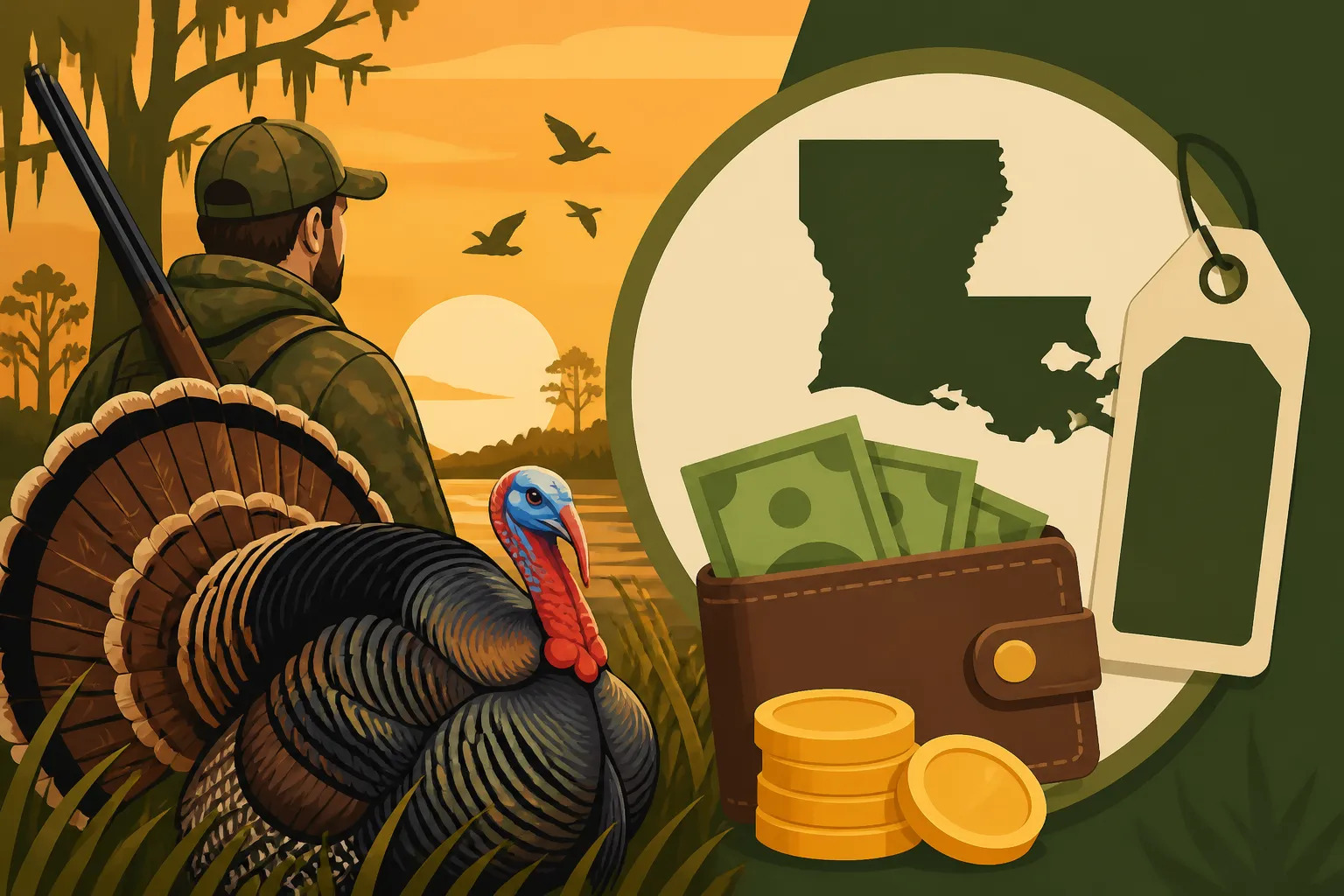
What a Guided Louisiana Turkey Hunt Costs
Thinking about chasing a gobbler across the Louisiana landscape can fill any hunter with excitement, but the reality of finding good ground, understanding local bird behavior, and navigating access can feel pretty overwhelming, especially if you're not a local. Many folks dream of that thrilling morning gobble, but the logistics of making it happen, especially with the limited season windows and the unique challenges of our varied terrain, can be a real headache. This guide is here to shed some light on what you can expect when considering a guided turkey hunt in Louisiana, helping you understand the costs, what's included, and how to pick the right outfitter for that unforgettable spring adventure.
Understanding the Landscape of Guided Turkey Hunts in Louisiana
Hunting wild turkeys in Louisiana is a truly special experience, whether you're chasing them in the sprawling pine forests of the north or the dense river bottoms further south. But unlike deer hunting where setting a stand might be a bit more straightforward, turkey hunting often demands a deeper understanding of bird behavior, specific terrain, and a whole lot of patience and stealth. This is where a guided hunt really shines, especially for those who are new to the state or don't have extensive experience pursuing these wily birds.
Why Choose a Guided Turkey Hunt?
Many hunters, myself included, have spent countless hours in the woods, trying to crack the code on a gobbler. It's rewarding, sure, but it's also incredibly time-consuming and can be frustrating when you're on unfamiliar ground. A guided turkey hunt cuts through much of that learning curve, providing you with immediate access to prime hunting areas, experienced callers, and trackers who know the birds' patterns like the back of their hand. Imagine being led to a roost tree before dawn, hearing that first thundering gobble, and knowing you've got a seasoned expert setting up calls and anticipating the bird's movement – that's the advantage of a guide.
For non-residents, or even residents looking to explore a new Louisiana Deer Hunting Area by Area or terrain, guides also handle the sometimes-complex local regulations and private land access. They've already done the scouting, secured the permissions, and often have a stable of decoys and blinds ready to go. This convenience allows you to focus purely on the hunt itself, maximizing your chances of success and enjoyment without the stress of logistics. Plus, a good guide often becomes a great teacher, sharing tips and tricks that will make you a better hunter long after your trip is over.
What Does a Guided Hunt Typically Involve?
A typical guided turkey hunt in Louisiana usually kicks off well before dawn, with your guide picking you up or meeting you at a designated spot. You’ll head out to a pre-scouted location, often private land that has been managed for prime turkey habitat, or specific public areas where they hold permits. The morning typically involves trying to locate roosted birds, using various calls to entice a gobbler off the limb, and setting up quickly and quietly in a strategic position. It’s a game of chess, and your guide is the grandmaster.
Depending on the package, the hunt might last until midday, or even involve an afternoon session if the morning proves slow. Some guides will provide lunch, snacks, and drinks, while others expect you to bring your own. If a bird is harvested, your guide will assist with field dressing, picture taking, and sometimes even transport the bird to a local processor. These hunts are truly immersive experiences, far beyond just pointing you in the right direction; a good guide acts as your mentor, companion, and strategist all rolled into one. You'll likely learn more in a day with a seasoned guide than in weeks of solo hunting.
Factors Influencing the Cost of a Guided Turkey Hunt
When you start looking into guided turkey hunts, you'll quickly realize that prices aren't one-size-fits-all. A lot of different elements come into play, from the duration of your trip to the kind of experience you're after. It's not just about paying for the guide's time; you're often paying for access to prime habitat, specialized knowledge, and a much higher chance of success.
Duration of the Hunt: Day Trips vs. Multi-Day Packages
One of the biggest factors in cost is how long you plan to hunt. A single-day guided hunt is generally the most budget-friendly option, perfect for those with limited time or who want to get a taste of guided hunting without a major commitment. You'll typically get one morning or afternoon hunt, or sometimes a full day that might involve moving locations if the morning proves fruitless. These day trips are great for getting a quick feel for the local birds or for hunters who live close enough to make it a quick drive. Single-Day Turkey Guide Rates in Louisiana will naturally be lower than extended trips.
Multi-day packages, on the other hand, usually offer a more comprehensive experience. These can range from two to five days, often including lodging and meals. With more time in the field, your chances of success significantly increase, as turkey hunting can be unpredictable. You might hunt different areas each day, allowing the guide to adapt to changing bird patterns or weather conditions. These packages are ideal for out-of-state hunters or anyone looking for a more immersive hunting vacation. Naturally, the longer the trip and the more amenities included, the higher the overall investment. This is where options found on platforms like BookYourHunt can really help you compare various offerings.
Inclusions: Meals, Lodging, and Additional Services
What's bundled into your hunt package plays a huge role in the price. A basic "guide-only" service might just include the guide's time, expertise, and access to hunting grounds, requiring you to arrange your own food and accommodation. This is often the case for day hunts, where you simply meet the guide at a pre-determined spot.
Many outfits, however, offer all-inclusive packages that take care of almost everything once you arrive. These often feature comfortable lodge accommodations, home-cooked meals, and even some non-alcoholic beverages. Some higher-end packages might include processing the bird, taxidermy preparation, or even transport from a local airport. Always clarify what's covered beforehand, especially when it comes to licenses and tags, which are almost always separate. A useful table to illustrate this might look like this:
| Feature | Basic Day Hunt | Standard Multi-Day Hunt | All-Inclusive Package |
|---|---|---|---|
| Guide Services | Yes | Yes | Yes |
| Private Land Access | Often | Yes | Yes |
| Meals | No (BYO) | Sometimes | Yes (Breakfast, Lunch, Dinner) |
| Lodging | No (BYO) | Often | Yes |
| Field Dressing | Yes | Yes | Yes |
| Bird Processing | No | Optional Add-on | Sometimes Included |
| Airport Transport | No | No | Sometimes Included |
| Hunting Licenses/Tags | Never Included | Never Included | Never Included |
| Decoys/Blinds | Yes | Yes | Yes |
| Extra Guiding Personnel | No | Sometimes | Sometimes |
Location and Reputation of the Outfitter
Just like real estate, location matters in hunting. A guided hunt in a renowned turkey hotspot, known for healthy bird populations and trophy gobblers, will typically command a higher price. Areas like the piney hills of North Louisiana or certain river bottoms in the central and western parts of the state might offer different experiences and, consequently, different price points. Outfitters operating in areas with abundant private land, or those with exclusive leases, often have more consistent success rates and may charge more for that proven track record. This is especially true for outfitters in the "Florida Parishes," known for some of the state's bigger deer and robust turkey populations.
An outfitter's reputation also plays a huge role. Guides with years of experience, a high success rate, and glowing testimonials from past clients will naturally be more sought after and pricier. You're not just paying for a service; you're paying for their invaluable knowledge, their network of landowners, and their dedication to ensuring you have the best possible experience. When vetting guides, don't hesitate to ask for references or check online reviews on platforms like GoHunt, as a solid reputation often indicates a worthwhile investment.
Types of Guided Turkey Hunt Packages and What They Include
When you’re looking to book a guided turkey hunt in Louisiana, you'll find there are a few common package types, each designed to cater to different needs, budgets, and expectations. Understanding the distinctions will help you choose the best fit for your spring turkey chase.
Basic Day Hunt Packages
The basic day hunt is often the entry point for guided turkey hunting. It typically involves one full day of hunting with a professional guide, usually focusing on a morning and possibly an afternoon hunt if the birds aren't cooperating early. These packages are primarily about getting you out there with an experienced caller on prime ground. The guide will provide the calling, strategy, and access to either private land or specific permitted public areas.
What you generally won't find included in a basic day hunt package are meals, lodging, or transport beyond the hunting grounds. You're expected to arrive at a meeting point, often near the hunting property, ready to go. This structure is excellent for local hunters, those on a tighter budget, or anyone who already has their own accommodation plans nearby. It's a no-frills way to tap into a guide's expertise and increase your odds without committing to a multi-day expedition. Always confirm the exact start and end times, and what provisions you'll need to bring yourself, like water, snacks, and any specific gear.
Multi-Day Hunts with Lodging
Stepping up from the basic day hunt, multi-day packages with lodging offer a more immersive experience. These typically span two to three days, though some can go longer, and include accommodation, often in a comfortable hunting lodge or cabin right on or very close to the hunting property. The advantage here is not having to worry about travel each day, allowing you to wake up, have a quick breakfast, and be in the woods well before legal shooting light.
These packages often include hearty meals (breakfast, lunch, and dinner) prepared by the outfitter or lodge staff. This eliminates the need to find restaurants or pack your own food, adding to the relaxation of the trip. The extra days also provide more opportunities to adapt to weather changes, bird patterns, or simply have more chances at a wary gobbler. If you're traveling from a distance, or simply want to maximize your time in the woods without the daily grind of logistics, these packages offer a fantastic balance of comfort and opportunity. You'll find many outfitters promoting Booking Early for the Louisiana Turkey Opener for these types of popular packages, as spots fill up fast.
All-Inclusive and Specialty Packages
At the top tier, you'll find all-inclusive and specialty guided turkey hunt packages. These are designed to take care of every detail, from the moment you arrive until you depart. Beyond expert guiding, meals, and deluxe lodging, these packages might include transportation from a regional airport, alcoholic beverages, full bird processing, taxidermy preparation, and sometimes even a second guide for a truly personalized experience. Some specialty packages might even cater to specific interests, like archery-only hunts for turkey, or combining a turkey hunt with another small game pursuit if seasons allow.
These higher-end options are perfect for those seeking a luxurious and stress-free hunting vacation, or for corporate groups looking for a unique retreat. While the cost is significantly higher, the convenience and comprehensive nature of these packages can be well worth the investment. It means less time planning and more time enjoying the beautiful Louisiana outdoors, focusing solely on the thrill of the hunt. When considering these, always delve deep into the fine print to understand every inclusion and exclusion, ensuring there are no surprises.
Beyond the Sticker Price: Hidden Costs and Considerations
It’s easy to look at the listed price for a guided turkey hunt and think you have the full picture. But just like anything in life, there are almost always additional costs and considerations that aren't included in the base rate. Being aware of these upfront can save you from unexpected expenses and ensure your budget aligns with your overall experience.
Hunting Licenses and Stamps
This is perhaps the most common "hidden" cost, though reputable outfitters will always make it clear. Your guided hunt fee almost never includes the cost of your Louisiana hunting license and turkey tags. Whether you're a resident or a non-resident, you'll need to purchase the appropriate licenses and any required stamps (like the state turkey stamp) before your hunt begins. Non-resident licenses are generally more expensive than resident ones, and you might also need to consider a Louisiana Nonresident Five-Day License Cost if your trip duration fits.
It's crucial to check the current regulations and purchase these well in advance. You can typically buy them online through the Louisiana Department of Wildlife and Fisheries (LDWF) website or their Outdoors app. Don't wait until the last minute, as technical issues or unforeseen delays could impact your ability to hunt. Your guide can advise you on exactly which licenses and tags are needed for your specific hunt, but the responsibility to obtain them falls squarely on your shoulders.
Gratuities for Guides and Staff
Tipping is a customary practice in the hunting industry, and it's something many first-time guided hunters overlook. Your guide, and any lodge staff who assist with meals or cleaning, work incredibly hard to ensure you have a successful and enjoyable trip. A good rule of thumb for guides is to tip around 15-20% of the hunt's base cost, assuming you had a good experience and felt they put in the effort. For lodge staff, a smaller, separate gratuity is also appreciated.
This isn't a mandatory fee, but it's a vital part of showing appreciation for their service and often a significant portion of their income. Always factor this into your overall budget. If you're unsure, don't hesitate to discreetly ask the outfitter or lodge owner for their suggested tipping guidelines. It's better to be prepared than to be caught off guard at the end of a fantastic hunt.
Travel, Gear, and Game Processing
Beyond the hunt package itself, you'll need to consider your travel expenses to get to Louisiana. This includes gas, flights, car rentals, and any overnight stays before or after the hunt if you're coming from afar. Then there's your personal gear: appropriate camouflage for the Louisiana spring weather, waterproof boots, bug spray (it's Louisiana, after all!), a good shotgun or bow, and ammunition. While guides often provide decoys and calls, your personal equipment is your responsibility.
Finally, if you harvest a turkey, there's the cost of processing the meat and potentially taxidermy. Some high-end packages might include basic field processing, but very few will cover the cost of a full processing shop or a taxidermist. You'll need to decide if you want to breast out the bird yourself or take it to a professional. If you plan on having a mount done, factor in the cost of a deposit and the full taxidermy fee, which can be substantial. Also, consider how you'll transport your bird or meat home, especially if flying.
Finding and Booking Your Louisiana Turkey Guide
Once you've got a handle on what a guided turkey hunt entails and the costs involved, the next crucial step is finding the right guide and locking in your dates. This isn't a decision to rush; a great guide can make your trip, and a poor one can sour the experience. Take your time, do your homework, and ask plenty of questions.
Researching Reputable Outfitters
Start your search by looking for outfitters specializing in Louisiana turkey hunts. Online search engines are a good starting point, but don't stop there. Look for outfitters with dedicated websites, clear descriptions of their services, and professional contact information. Platforms like BookYourHunt can be a great resource for finding a variety of outfitters, allowing you to filter by species, location, and hunt type.
Pay close attention to reviews and testimonials. Are there consistent positive comments about the guide's knowledge, friendliness, and success rates? Look for mentions of the quality of the hunting land, the accommodations, and the overall experience. Be wary of outfits with little to no online presence or reviews, or those that make overly extravagant promises without details. Word-of-mouth is also huge in the hunting community; ask fellow hunters for recommendations.
Key Questions to Ask Before Booking
Once you've narrowed down a few potential guides, it's time to pick up the phone or send an email with a list of thoughtful questions. Don't be shy; a good outfitter expects you to be thorough. Here are some essential questions:
- What exactly is included in the package price? (Reiterate on meals, lodging, transportation, field dressing, etc.)
- What are the dates for the hunt, and how many hunting days are included? (Confirming the Louisiana Turkey Area A, B and C Rules and specific season dates is important.)
- What is your typical client success rate for turkey? (Be realistic; turkeys are tough!)
- How many hunters will be in my group, and what is the guide-to-hunter ratio?
- What kind of terrain will we be hunting, and what physical fitness level is required? (Louisiana can be rugged, especially in the basins or hills.)
- Do you hunt private land or public land? If public, what are the rules and specific WMA locations?
- What equipment should I bring (calls, decoys, blinds)?
- What is your policy for unexpected events, like severe weather or if I need to cancel?
- What are the required licenses and stamps, and where can I purchase them?
- What are the recommended gratuity amounts for guides and staff?
- Can you provide references from past clients?
A transparent and professional outfitter will be happy to answer all these questions thoroughly. If they're vague or reluctant, that could be a red flag.
Securing Your Spot and Deposit Information
Once you've chosen an outfitter, you'll need to secure your booking, usually with a deposit. Most outfitters require a non-refundable deposit to hold your dates, with the balance due closer to the hunt or upon arrival. Always get a written agreement or confirmation that outlines the dates, inclusions, total cost, payment schedule, and cancellation policy. Platforms like GoHunt often have booking tools that clearly detail these terms.
It’s especially important to book well in advance, particularly if you're aiming for opening weekend or prime dates within the Louisiana Spring Turkey Season Rules. Popular guides and lodges often fill up a year or more out. Waiting until the last minute might leave you with fewer options or less desirable dates. Think about your calendar, coordinate with any hunting partners, and commit once you've found the perfect fit.
Making the Most of Your Guided Experience
Booking a guided turkey hunt is a significant investment, both in terms of money and your precious hunting time. To ensure you get the absolute best out of your trip, there are a few things you can do to prepare and ensure a smooth experience once you're in the field.
Pre-Hunt Preparation and Communication
The success of your guided hunt starts long before you ever step foot in the woods with your guide. Good communication with your outfitter is paramount. Be honest about your hunting experience level, your physical capabilities, and your expectations for the trip. Do you prioritize bagging a bird, or is the overall experience and learning more important? Do you have any physical limitations that might affect long walks or sitting still for extended periods? Sharing this information allows your guide to tailor the hunt to your abilities and preferences.
Physically, prepare for what Louisiana turkey hunting might throw at you. Depending on the area, you might be walking through dense bottomlands, climbing small ridges, or navigating swampy terrain. Being in reasonably good shape will enhance your enjoyment and your ability to keep up with the guide. Practice with your shotgun or bow to ensure you’re confident and accurate. Make sure your gear, especially your boots and camo, is in good working order. A quiet, comfortable setup is key for sitting against a big oak tree when a gobbler is circling.
During the Hunt: Listen, Learn, and Be Patient
Once you're in the field with your guide, the most important thing you can do is listen. They know the land, they know the birds, and they've likely seen countless scenarios play out. Trust their judgment on calling sequences, setup locations, and when to move or stay put. Resist the urge to start calling on your own unless your guide explicitly encourages it. They have a strategy, and deviating from it can spook birds.
Beyond just listening, actively try to learn. Ask questions (quietly, at appropriate times) about why they chose a particular call, what type of sign they're looking for, or how they read the birds' body language. This is an incredible opportunity to refine your own Run-and-Gun Turkey Tactics on Public Land or improve your understanding of Roost Hunting Louisiana Gobblers. Turkey hunting requires immense patience, and sometimes birds don't cooperate. Remember that success isn't always measured by a tag filled, but by the memories made, the lessons learned, and the time spent experiencing Louisiana's wild places.
Post-Hunt: Follow-Up and Feedback
After your hunt is over, take a moment to provide honest feedback to your outfitter. Whether positive or constructive, it helps them improve their services for future clients. If you had a great experience, consider leaving a positive review on their website or on hunting forums. This not only helps the outfitter but also assists other hunters in finding reputable guides.
And of course, don't forget those tips for your guide and staff! It’s a small gesture that goes a long way in acknowledging their hard work. Reflect on what you learned, the challenges you faced, and the triumphs you celebrated. Even if you didn't bag a bird, a good guided hunt should leave you with a deeper appreciation for Louisiana's wild turkeys and a wealth of new knowledge to apply to future hunts.
Disclaimer
This article is for general informational purposes only and does not constitute professional advice. Laws, prices and regulations vary by location and change over time. Consult a qualified professional for guidance on your specific situation.