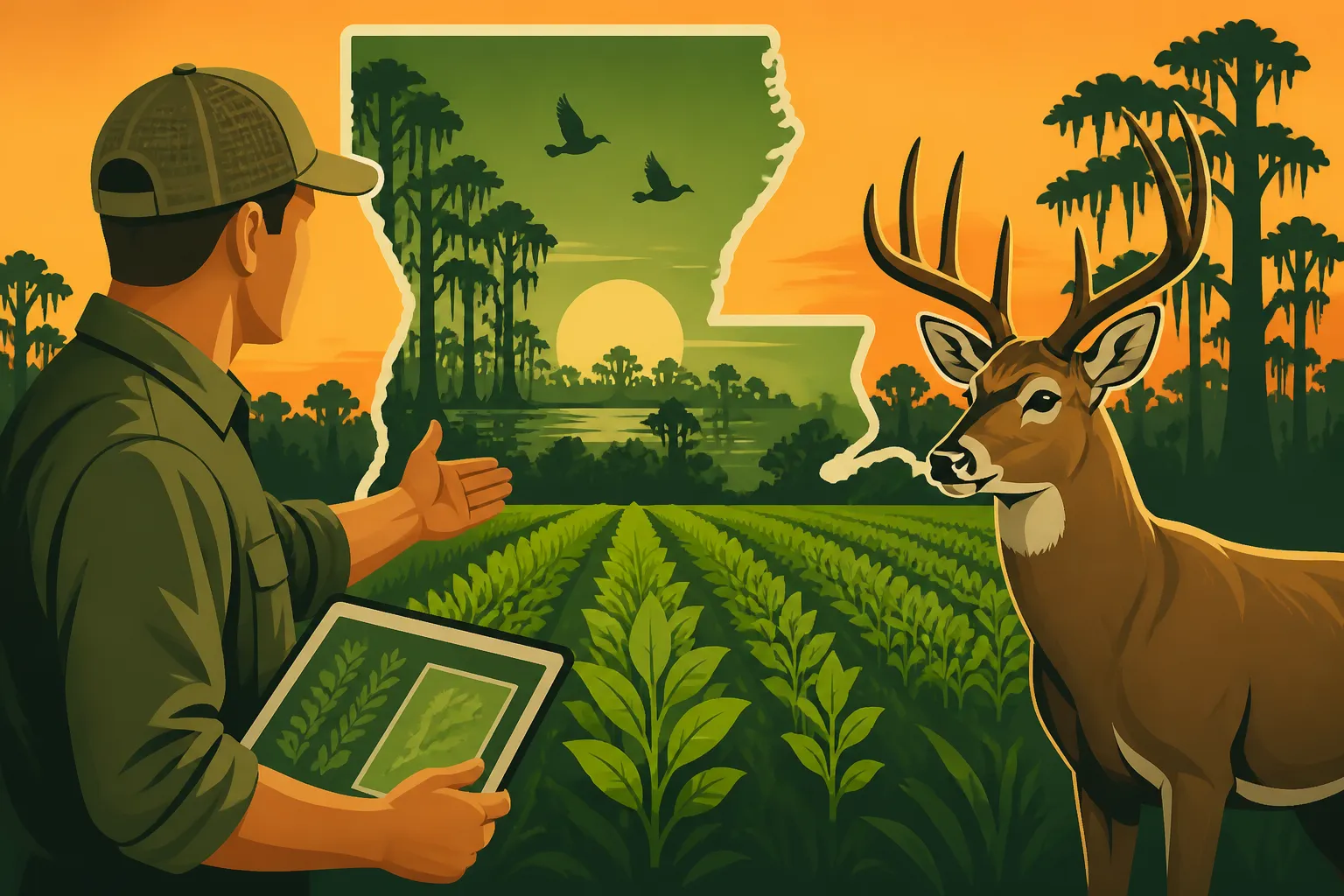
Food Plot Consulting From a Louisiana Outfitter
For many Louisiana landowners and hunting lease holders, the dream of consistently pulling in quality deer, turkeys, or even hogs often comes down to one critical factor: food. And while throwing out some corn might work in a pinch, creating truly effective food plots that sustain game and boost hunting opportunities is a whole different ballgame. It's tough navigating the unique challenges of our state's varied soil types, unpredictable weather, and specific game species needs, which is exactly why a growing number of hunters are turning to professional food plot consulting from Louisiana outfitters to transform their property into a wildlife magnet. This guide will walk you through what this service entails, why it's so beneficial, and how to find the right expert to help you succeed.
Understanding Food Plot Consulting in Louisiana
The concept of a "food plot" isn't new to most hunters, but the science and art behind truly effective ones are constantly evolving. It's more than just planting a patch of clover; it's about ecosystem management, soil health, and understanding the intricate patterns of the local wildlife.
What Exactly Is Food Plot Consulting?
At its core, food plot consulting is about bringing expert knowledge and experience to your specific piece of land to maximize its potential for attracting and holding game. Imagine having a seasoned agronomist who also lives and breathes hunting walk your property with you, identifying its strengths and weaknesses from a wildlife habitat perspective. They don't just tell you what to plant; they delve into the "why" and "how," tailoring a strategy to your goals, budget, and the unique characteristics of your acreage. This isn't a one-size-fits-all approach; it's a deep dive into soil composition, sunlight exposure, water drainage, surrounding habitat, and existing game patterns.
A good consultant will assess your property as if it were their own hunting paradise. They'll look at everything from access points to bedding areas, considering how food plots can integrate into the broader landscape to create a complete habitat package. They might recommend specific seed blends, explain optimal planting times, and even offer advice on proper equipment usage. It’s about creating a sustainable, attractive food source that enhances your hunting opportunities, often reducing the need for constant supplemental feeding which can have its own drawbacks and regulatory considerations, especially in areas concerned with Louisiana's Chronic Wasting Disease Zones.
Why Consider Professional Food Plot Advice?
Many hunters spend countless hours and dollars on seed, fertilizer, and equipment, only to see lackluster results. The frustration is real: you put in the work, but the deer either don't show up consistently, or the plot simply doesn't thrive. Louisiana's environment presents particular hurdles – our intense summer heat, heavy rainfall, diverse soil types from sandy pine hills to rich river bottoms, and the constant pressure of weeds and pests. Without specialized knowledge, it's easy to make costly mistakes.
A professional consultant can save you time, money, and heartache in the long run. They can diagnose soil deficiencies you didn't even know you had, recommend resistant forage varieties, and plan for year-round food availability. Instead of guessing, you get a scientifically backed plan. This expertise is particularly valuable if you're managing a larger tract of land or aiming for trophy animals, where every detail matters. Moreover, they often have insights into local game populations and their preferences, helping you choose plants that are truly appealing to the deer and turkeys in your specific area. They can help you understand Late-Season Food Sources for Louisiana Whitetails and plan for them accordingly.
The Unique Challenges of Louisiana Soil and Climate
Hunting in Louisiana means embracing a unique set of environmental factors. Our climate swings from scorching, humid summers to mild, wet winters, and our soils can vary dramatically within just a few miles. From the acidic, sandy loams of the piney woods to the rich, heavy clays of the river bottoms and the marshy, often saline soils of the coast, each presents its own set of challenges for growing lush food plots. What thrives in north Louisiana's Hunting North Louisiana's Piney Hills might fail miserably in the fertile grounds of the Tensas River Basin.
For example, heavy clay soils might hold water well but can become compacted and struggle with drainage during our frequent rain events, leading to root rot or nutrient lockout. Sandy soils, conversely, drain quickly, requiring more frequent irrigation or drought-tolerant species. Humidity levels are almost always high, which can lead to increased disease pressure on certain plants. A consultant understands these nuances intimately. They know which clover varieties can withstand a long, hot Louisiana summer, or what brassicas will truly explode in the fall after the heat breaks. This local expertise is paramount to designing plots that don't just survive, but flourish.
What to Expect from a Louisiana Food Plot Consultant
When you engage a food plot consultant, you're not just buying a bag of seeds. You're investing in a comprehensive plan and ongoing support designed to elevate your property's appeal to wildlife. The process is typically structured, starting with a thorough evaluation and moving into tailored recommendations and follow-up.
Initial Assessment and Site Evaluation
The first, and arguably most crucial, step in food plot consulting is the initial assessment of your property. This isn't done from behind a desk. A good consultant will spend significant time on your land, walking every acre relevant to your food plot ambitions. They'll look at the lay of the land, observe existing vegetation, identify natural travel corridors, and scrutinize potential plot locations. They often use tools like GPS and aerial maps (which you can learn a lot from yourself when Reading Aerial Photos for Central Louisiana Deer) to pinpoint ideal spots that offer adequate sunlight, proper drainage, and strategic placement relative to bedding areas and cover.
Crucially, this phase includes extensive soil testing. Just like a doctor needs blood work to diagnose a patient, a food plot consultant needs a soil analysis to understand what your land is lacking. They'll take multiple samples, which are then sent to a lab to determine pH levels, nutrient content (nitrogen, phosphorus, potassium, and micronutrients), and organic matter. This scientific data forms the backbone of all subsequent recommendations, ensuring that whatever you plant has the best possible chance to thrive. Without this step, you're essentially just guessing what your soil needs, which is a common and expensive mistake.
Developing a Custom Planting Strategy
Once the assessment and soil tests are complete, the consultant will develop a detailed, custom planting strategy. This isn't just a list of seeds; it's a calendar of activities, a map of plot locations, and a rationale for every decision. They'll recommend specific forage types, from various clovers and chicories for year-round appeal, to grains like wheat, oats, or rye for fall and winter attraction, or brassicas for their cold-weather nutritional punch. The choices will be based on your soil test results, the local game species you're targeting, your hunting goals (e.g., antler growth, turkey attraction), and your budget.
The strategy will also cover critical details like soil preparation (tilling, disking, liming, fertilizing), exact planting dates to align with Louisiana's climate, seeding rates, and initial weed control measures. They might suggest different plots for different purposes – a small, secluded kill plot near a bedding area, or a larger destination plot designed to pull deer from a wider range. This plan becomes your roadmap, taking the guesswork out of the entire process and giving you confidence that you're making informed decisions. Some of these consultants might even have experience with Entry Routes Through Standing Soybeans or Hunting a Standing Cornfield in Farm Country if those are part of a larger agricultural plan.
Beyond Just Seeds: Ongoing Management and Support
Effective food plots aren't a "plant it and forget it" affair. They require ongoing management to remain productive and attractive throughout the hunting season and beyond. A good food plot consultant often provides long-term support, which can include advice on maintenance tasks such as mowing, fertilizing follow-ups, re-seeding strategies, and pest or weed management. They might advise on timing your mowing to avoid impacting fawns or turkey poults, or when to apply a specific herbicide to control invasive weeds without harming your desired forage.
They can also help you troubleshoot issues that arise, like plots struggling after a particularly dry spell or heavy rains. Their expertise extends to understanding how different forage types complement each other, creating a diverse and consistent food source that provides nutrition year-round. This continuity ensures your investment continues to pay off, season after season. Think of it as having a dedicated coach for your land, helping you adapt and refine your strategy as conditions change.
Choosing the Right Outfitter or Consultant for Your Land
Deciding to invest in food plot consulting is a smart move, but finding the right consultant can feel a bit overwhelming. You want someone knowledgeable, trustworthy, and genuinely invested in your success. Here’s how to go about making that critical choice.
Key Questions to Ask Potential Consultants
Before you commit, it's vital to have a thorough conversation with any potential food plot consultant. Don't be shy about asking direct questions. Start with their experience: "How long have you been consulting specifically on food plots in Louisiana?" "What type of land and game species do you have the most experience with?" Inquire about their process: "What does your initial site assessment entail?" "Do you provide a written plan, and what details does it include?" Also, clarify what their services include: "Does your fee include soil testing?" "Do you offer follow-up visits or remote support?"
It's also important to understand their philosophy. Do they push a specific product or company's seed blends, or do they offer unbiased recommendations based on your soil analysis? Are they focused solely on immediate hunting season results, or do they prioritize long-term habitat health and sustainability? You might find outfitters who offer broader packages, and some may even be listed on platforms like BookYourHunt, detailing their services. Don't forget to ask for a clear breakdown of their fees and what exactly is covered.
Assessing Experience and Local Knowledge
Experience truly matters in food plot consulting, especially in a state like Louisiana with its unique ecological diversity. You want a consultant who deeply understands the nuances of our local environment, not just general agricultural principles. Someone who has successfully grown various forages in the heavy clays of the Red River Basin or the sandy soils of Kisatchie National Forest will have invaluable insights. Ask about specific projects they've undertaken in your geographic area or on similar terrain. Their familiarity with local wildlife populations, including Louisiana Deer Herd Size and local dietary preferences, is also a huge asset.
A consultant with strong local knowledge can anticipate challenges specific to your region, from particular weed pressures to common insect problems, and recommend proactive solutions. They'll also be aware of any relevant state regulations concerning baiting or planting near public lands, ensuring your plans remain compliant. Their understanding extends beyond just what plants grow, to how deer will interact with those plants in the context of your specific property and surrounding landscape. For example, knowing How Many Deer Have Tested CWD-Positive in Louisiana in a nearby parish might influence their recommendations for certain feeding strategies or plot locations.
Finding Reputation and References
One of the best ways to gauge a consultant's effectiveness is through their reputation and by speaking with past clients. Ask for references from landowners they’ve worked with, ideally those with properties similar to yours in size or location. When you call these references, ask detailed questions: "Were you satisfied with the results?" "Did the consultant stay within budget and timeline?" "Were they responsive and easy to communicate with?" "Did their advice lead to noticeable improvements in game activity or hunting success?"
Online reviews or testimonials on hunting forums or dedicated platforms can also provide insights, but direct references are usually more reliable. Look for consistency in positive feedback regarding their knowledge, professionalism, and, most importantly, the tangible results their clients achieved. A reputable outfitter or consultant will be transparent about their track record and happy to connect you with satisfied customers. While GoHunt might be a great resource for hunting articles and gear reviews, for vetting specific consultants, direct references and a portfolio of past work will give you the most accurate picture.
| Aspect | DIY Approach (Challenges) | Consultant Approach (Benefits) |
|---|---|---|
| Initial Assessment | Guesswork on soil, sunlight, game movement; costly mistakes. | Professional soil testing, strategic placement, detailed analysis. |
| Planting Strategy | Generic seed mixes, incorrect timing, poor variety choice for locale. | Custom blends based on soil, climate, game, and hunting goals. |
| Troubleshooting | Frustration, wasted resources, unclear why plots fail. | Expert diagnosis, informed solutions for plant health and growth. |
| Long-Term Management | Inconsistent maintenance, plots losing effectiveness over time. | Ongoing advice, sustainable strategies for perennial success. |
| Time & Cost Efficiency | Wasted money on wrong products, repeated efforts, slow learning curve. | Optimized investment, accelerated results, expert guidance saves time and money. |
| Local Expertise | Lack of specific knowledge for Louisiana's unique conditions. | Deep understanding of local soil, climate, and game behavior. |
Disclaimer
This article is for general informational purposes only and does not constitute professional advice. Laws, prices and regulations vary by location and change over time. Consult a qualified professional for guidance on your specific situation.