Louisiana’s Mandatory Bear Hunter Training
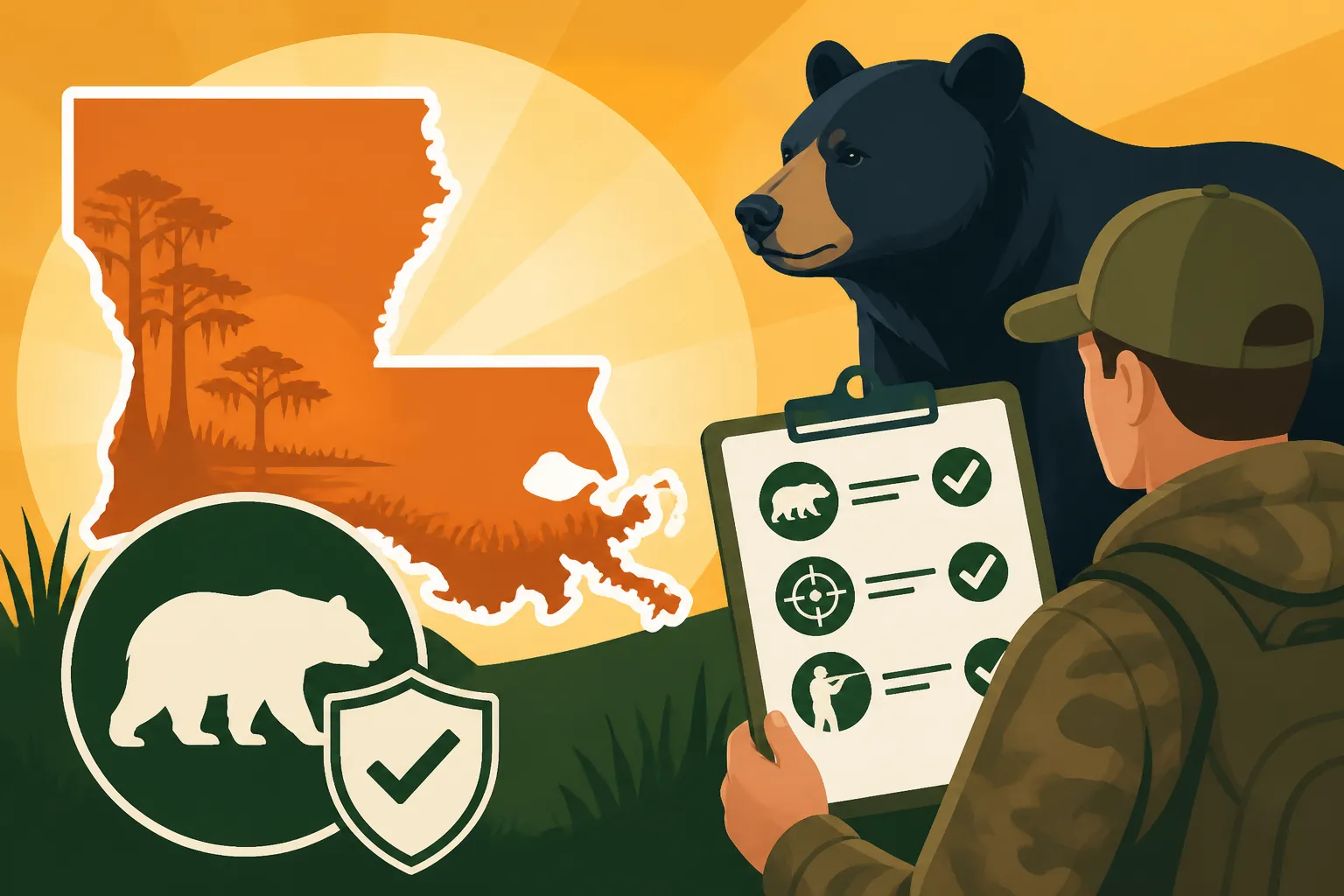
The excitement of drawing a Louisiana black bear lottery tag is absolutely incredible, but let's be real, it comes with a whole new layer of responsibility and some pretty strict rules. It's not like heading out for deer season where you've got decades of experience to lean on. Bear hunting is a whole different ballgame here, and the Louisiana Department of Wildlife and Fisheries (LDWF) wants to make sure everyone playing knows the rules. This guide will walk you through everything you need to know about Louisiana's mandatory bear hunter training, ensuring you're fully prepared for this unique opportunity.
Why Louisiana Requires Bear Hunter Training
It might feel like just another hurdle to jump through when you're already geared up to hunt, but there’s a really good reason Louisiana mandates special training for bear hunters. Our black bear population has a unique and important history, and managing a limited, carefully controlled hunting season means every hunter needs to be on the same page.
Protecting a Recovering Species
The Louisiana black bear (Ursus americanus luteolus) isn't just any bear; it's a distinct subspecies and was, for a long time, listed as federally threatened. Think about that for a second – a species on the brink, now making a comeback thanks to some truly incredible conservation efforts by the LDWF and private landowners. This isn't just a number, these are magnificent animals that were once almost gone from our swamps and bottomlands. Today, the population is stable enough for a limited hunting season, which is a testament to those recovery efforts. Because of this sensitive history, every bear harvested is a big deal. The training emphasizes the biology, habitat, and recovery journey of Louisiana's Recovering Black Bear, ensuring hunters understand the significance of their role in the species' ongoing health and conservation. We need to be stewards of this resource, not just participants.
Ensuring Hunter Safety and Ethics
Hunting any large, powerful animal comes with inherent risks, and black bears are no exception. They can be unpredictable, especially if wounded or surprised. This isn't your typical deer hunt where a quick, clean kill is important; with bears, it's absolutely paramount for both hunter safety and the well-being of the animal. The mandatory training drills down into safe hunting practices specific to bears, including proper weapon choice, shot placement, and what to do in various encounter scenarios. Beyond safety, the ethical considerations are huge. We’re talking about ensuring a humane harvest, minimizing suffering, and respecting the animal and the resource. No one wants to track a wounded bear through dense Louisiana thickets, and the course aims to equip hunters with the knowledge to prevent such situations as much as possible, focusing on a quick, ethical kill.
Minimizing Human-Bear Conflicts
As the Louisiana black bear population continues to expand and recover, bears sometimes venture closer to human habitation or agricultural areas. While these magnificent creatures are generally shy, conflicts can arise, particularly if bears associate humans with food. A well-educated hunter is a responsible hunter, and that means understanding how to minimize potential issues both during and after the hunt. The training covers topics like proper field dressing and carcass handling to avoid attracting other bears or scavengers, and how to safely retrieve a downed bear in potentially challenging terrain. This proactive approach helps maintain positive public perception of hunting and ensures that hunters are part of the solution in coexistence, not part of a problem. It's all about responsible interaction with the wildlife and landscape, ensuring that this reinstated season benefits both the bear population and the broader community.
Who Needs to Take the Bear Hunter Training Course
It’s pretty straightforward, but crucial to understand: if you’re planning on hunting a black bear in Louisiana, this training isn't optional. It's a non-negotiable step in the process, much like getting your hunting license or specific tags.
Lottery Winners and Participants
Here’s the deal: Louisiana doesn't offer over-the-counter bear tags. It's a strictly controlled lottery system due to the species' recovery status and management goals. When you apply for a lottery tag, you're entering a draw for a very limited number of opportunities. If you are one of the fortunate few selected to receive a tag, congratulations! That's a huge step. However, your journey doesn't end there. The very next, mandatory step is to successfully complete the LDWF's designated bear hunter training course. This requirement is non-negotiable. Without completing the course, your hard-won lottery tag will be invalid, and you won't be able to participate in Hunting Louisiana's Reinstated Bear Season. It’s designed to ensure that everyone pursuing a bear has the most up-to-date information and skills to hunt safely, ethically, and in line with the LDWF's conservation objectives.
Age and Residency Requirements
Generally, any hunter, resident or non-resident, who successfully draws a Louisiana black bear lottery tag must complete the mandatory training course. While the lottery itself is currently open only to Louisiana residents, if that policy ever shifts, the training requirement would certainly extend to any non-resident lottery winner as well. There are no specific age exemptions for the bear course itself beyond the general age requirements for hunting. For instance, if a youth hunter is old enough to participate in a lottery hunt (which involves meeting specific age and supervision rules, often requiring prior completion of Louisiana Hunter Education Requirements), they too would need to complete the specialized bear training. The LDWF is very clear that the knowledge imparted is critical for all bear hunters, regardless of their age or prior hunting experience. It’s not just about proving you can shoot, it's about proving you understand the specific nuances of hunting this particular species in our unique Louisiana environment.
What the Training Course Covers
The mandatory bear hunter training course is incredibly comprehensive, covering everything from the specific regulations of the limited season to the biology and behavior of the Louisiana black bear. You won't just be sitting through lectures; you'll be engaging with material vital for a successful and ethical hunt. Expect in-depth modules on bear identification, helping you distinguish between males and females, and critically, how to avoid harvesting sows with cubs. The course also dives deep into the ecological role of bears in our state, the importance of reporting harvests accurately and promptly, and strategies for minimizing human-bear conflicts outside of the hunting season. You'll gain a deeper appreciation for the species and the meticulous management efforts that go into protecting it. For those looking to do some pre-course research, the What Louisiana's Bear Training Course Covers article might offer some useful insights into the specific topics.
What to Expect During the Training Course
So, you've drawn that coveted bear tag – awesome! Now, about this training. It's a serious undertaking, but it's also a fantastic opportunity to learn from experts and ensure you're as prepared as possible for your hunt. Think of it as a deep dive into everything bear-related, tailored specifically for Louisiana.
Course Format and Duration
The LDWF typically conducts its mandatory bear hunter training in person. This isn't a quick online quiz you can breeze through; it's an immersive experience, often a full-day commitment, sometimes spread across two shorter sessions depending on the location and logistics. These courses are usually held at specific LDWF facilities or other designated locations, often during the summer months after the lottery draw, allowing ample time before the season opens. The in-person format is critical because it allows for direct interaction with LDWF biologists, enforcement agents, and experienced bear hunters. You'll have the chance to ask questions, discuss hypothetical scenarios, and get real-time feedback. This interactive environment fosters a deeper understanding than just reading a manual, recognizing that there are often nuanced situations in the field that aren't black and white.
Key Topics Covered in Depth
The curriculum is robust, designed to leave no stone unturned when it comes to responsible bear hunting in Louisiana.
- Bear Biology & Behavior: This section is vital. You'll learn about the Louisiana black bear's diet, its seasonal movements, denning habits, and how to identify common bear sign in the woods. Understanding their behaviors, like when they're most active or what their preferred food sources are in different parts of the state (like the Tensas Basin or the Atchafalaya), will be crucial for scouting and setting up your hunt. This knowledge helps you predict where bears might be, increasing your chances of a successful, ethical harvest. The course delves into the subtleties that differentiate these bears from their counterparts in other states, highlighting local adaptations.
- Regulatory Compliance: Navigating hunting regulations can be tricky, and with a species as carefully managed as the black bear, precision is key. This part of the course meticulously reviews all state-specific regulations for the season, including bag limits, legal hunting methods, firearm restrictions, and critical reporting requirements. You'll learn about the specific season dates, legal hunting hours, and any WMA-specific rules that might apply. Ensuring every hunter understands and adheres to these rules protects the resource and prevents accidental violations that could jeopardize the future of the season.
- Ethical Shot Placement & Tracking: This is perhaps the most critical component for a humane harvest. The course provides detailed instruction on Shot Placement on a Louisiana Black Bear, including visual aids and anatomical diagrams. You'll learn about the bear's vital zones, optimal shot angles, and why certain shots are highly discouraged. They also cover the often-challenging task of tracking a bear, especially in our dense swamps and bottomland hardwoods. The emphasis is on making a clean, ethical kill and being prepared for thorough, methodical tracking if the bear doesn't drop immediately. There will be discussions on how to follow a blood trail, what to look for, and when to back out and wait.
- Carcass Handling & Reporting: After a successful harvest, the work isn't over. The training details the proper techniques for field dressing a bear, which differs somewhat from deer due to the animal's size and fat layers. You'll also learn about the importance of cooling the meat quickly, especially in Louisiana's warm climate, and how to transport the carcass legally. Most importantly, the course stresses the mandatory harvest reporting process. This often involves specific check-in locations or phone reporting to the LDWF within a very tight timeframe. This data is absolutely essential for biologists to monitor the population and ensure sustainable management for future seasons. Handling a Bear After the Shot also provides crucial information on these post-harvest steps.
Practical Skills and Demonstrations
While the core of the training is informational, many courses incorporate practical elements to enhance learning. This might include visual aids like life-size bear cutouts or models to demonstrate vital organ locations and proper shot angles. Instructors might lead discussions on different types of hunting equipment suitable for bear, from firearms to tracking gear, and the pros and cons of each in Louisiana's unique terrain. There's often a robust Q&A segment where you can pick the brains of LDWF staff, ask specific questions about your hunting area, or clarify any ambiguities in the regulations. This hands-on, interactive approach ensures that hunters not only understand the theory but can also apply it effectively in the field, making the training a truly invaluable experience.
Navigating the Application and Training Process
The path to bear hunting in Louisiana is a structured one, beginning long before you ever step foot in the woods. It requires attention to deadlines and careful adherence to the LDWF's process. It’s not a spontaneous decision; it’s a commitment.
Applying for the Bear Lottery Tag
Before you can even think about mandatory training, you need to secure one of those elusive bear tags. Louisiana operates a lottery system for its black bear season, a testament to the limited harvest opportunities and the species' managed recovery. The application window is typically specific, often in the spring or early summer, allowing hopeful hunters to enter the draw through the LDWF’s online portal or approved vendors. The number of tags issued is extremely limited each year, usually in the single or low double digits, making it a highly competitive draw. So, if you’re serious about bear hunting, keep a close eye on the LDWF website for the exact dates when the Louisiana Bear Lottery Application Window opens. It's a game of patience and luck, but you can't win if you don't play. Using a tool like GoHunt can sometimes help you keep track of application periods for various draws, though specific Louisiana bear dates are unique to the state.
Registering for the Mandatory Course
Once the lottery results are announced and you’re one of the lucky few to have drawn a tag, the LDWF will notify you directly. This notification isn't just a congratulations; it also includes critical information on how to register for the mandatory hunter training course. You’ll typically be provided with a selection of dates and locations for the course, and it’s important to sign up promptly, as spaces for each session can be limited. There will usually be a deadline for registration, and missing it could result in forfeiture of your tag. There may also be a nominal fee associated with the course to cover materials and administrative costs. The LDWF wants to make sure every tag holder receives this vital training, so they usually offer multiple opportunities, but it's still on you to get it done.
What to Bring and How to Prepare
To make the most of your mandatory bear hunter training, come prepared. You’ll want a notepad and pen to jot down key regulations, tips on bear behavior, and any specific advice from the LDWF experts. Bring questions, too – this is your chance to get clarification on anything from legal firearms to tracking methods. Dress comfortably, as you'll likely be sitting for a good portion of the day. While the course itself is comprehensive, doing a little homework beforehand can make the information sink in better. Familiarize yourself with the general Louisiana hunting regulations and perhaps read up on Louisiana's Three Bear Subpopulations to understand the regional differences. Thinking about potential hunting scenarios and what challenges you might face can also help you formulate questions for the instructors. Consider using an app like GoHunt to scout potential public land areas or review habitat maps, as that background knowledge will make the course material even more relevant.
Beyond Training: Responsible Bear Hunting in Louisiana
Completing the mandatory bear hunter training is a huge accomplishment and a necessary step, but responsible bear hunting truly begins when you step into the field. It’s about applying that knowledge, staying vigilant, and making sound decisions that honor the animal and the privilege of the hunt.
Understanding Louisiana's Three Bear Subpopulations
Louisiana black bears are not uniformly distributed across the state, and understanding their population dynamics is critical for successful and ethical hunting. The LDWF recognizes three distinct subpopulations: the Tensas Basin, the Atchafalaya Basin, and the Coastal Zone. Each of these areas presents unique habitats, food sources, and bear behaviors. For example, bears in the Tensas Basin might primarily inhabit vast bottomland hardwood forests, relying heavily on acorns and pecans, while coastal bears might be more accustomed to marsh environments and different food sources. The training will emphasize these distinctions, helping you understand where you might expect to find bears and how their behavior might differ based on their habitat. This knowledge will directly inform your scouting efforts and hunting strategies, ensuring you’re not just hunting "a bear," but a Louisiana black bear specific to its unique environment. Learn more about these populations by checking out Louisiana's Three Bear Subpopulations.
Judging a Legal Bear vs. a Cub
This is arguably one of the most critical aspects taught in the mandatory training, and for good reason. It's strictly illegal to harvest a cub or a sow accompanied by cubs, and accurately identifying a legal bear (typically a solitary adult) in the field can be challenging, especially in low light or dense cover. The course provides detailed instruction on how to judge the size and approximate age of a bear, looking at factors like body shape, head-to-body proportion, ear size relative to the head, and overall gait. You’ll learn visual cues to differentiate a young, smaller bear from an adult sow, or from a larger, solitary male. It requires patience and a good eye, and making a mistake has serious consequences for the population and for you as a hunter. The emphasis is always on being 100% certain before taking a shot. For a deeper dive, read Judging a Legal Bear Versus a Cub.
Post-Harvest Requirements and Reporting
Your responsibility as a bear hunter doesn't end when the animal is on the ground. Louisiana has stringent post-harvest requirements, all designed to gather crucial data for managing this precious resource. Immediately after harvesting a bear, you are generally required to notch your tag, attach it to the animal, and then report the harvest to the LDWF within a very specific timeframe, often within 24 hours. This usually involves calling a specific number or using an online reporting system. Following that initial report, you'll typically need to physically present the bear (or specific parts of it, as instructed) at an LDWF check station or by appointment with an agent. Biologists will collect samples (like a tooth for aging, or tissue samples for DNA analysis) and measurements, which are vital for understanding the health, age structure, and genetic makeup of the bear population. This meticulous data collection helps ensure the long-term sustainability of the Louisiana black bear and the hunting season itself. Adhering strictly to these rules is paramount.
Here's a quick overview of what you'll typically gain from the training:
| Topic Covered | Key Takeaway | Importance to Hunters |
|---|---|---|
| Bear Biology & Behavior | Understanding species-specific diet, habitat, and seasonal patterns. | Helps scout effectively and predict bear movement. |
| Regulatory Compliance | Knowledge of season dates, legal methods, and reporting requirements. | Prevents accidental violations and ensures legal, ethical hunt. |
| Ethical Shot Placement | Identification of vital zones and optimal shot angles. | Ensures a humane, quick kill and minimizes tracking challenges. |
| Bear Identification | Distinguishing legal bears from cubs or sows with cubs. | Crucial for ethical hunting and avoiding illegal harvest of protected animals. |
| Carcass Handling | Proper field dressing, cooling, and transportation techniques. | Preserves meat quality and prevents attracting unwanted scavengers or conflicts. |
| Harvest Reporting | Mandatory steps for reporting a successful harvest to LDWF. | Provides vital data for population management and conservation. |
| Minimizing Conflicts | Strategies for reducing human-bear interactions and attractants. | Promotes coexistence and maintains positive public perception of hunting. |
Disclaimer
Please remember that hunting regulations can change. Always consult the most current Louisiana Department of Wildlife and Fisheries (LDWF) official regulations and advisories before planning or engaging in any hunting activities. This guide is for informational purposes only and does not supersede state law or official LDWF publications.