Louisiana Annual Deer Harvest
As Louisiana deer hunters, we often find ourselves caught up in the thrill of the chase, the perfect shot, and the joy of a successful day afield. But beyond our individual experiences, there's a bigger picture that impacts every single one of us: the annual deer harvest. It’s a statistic many of us eagerly anticipate, yet sometimes struggle to fully understand what it means for the health of our state’s deer population. This guide will walk you through what the Louisiana annual deer harvest really signifies, how those numbers are gathered, and what they tell us about the future of deer hunting in our beloved Bayou State.
Understanding Louisiana's Annual Deer Harvest
When we talk about the "Louisiana annual deer harvest," it's more than just a tally of successful hunts. It's a critical snapshot of our state's deer population dynamics, offering insights into herd health, population density, and the overall effectiveness of our wildlife management strategies. For many, it's a topic of passionate discussion at deer camp, reflecting the collective effort and success of thousands of hunters across the diverse landscapes of Louisiana.
What "Annual Deer Harvest" Really Means
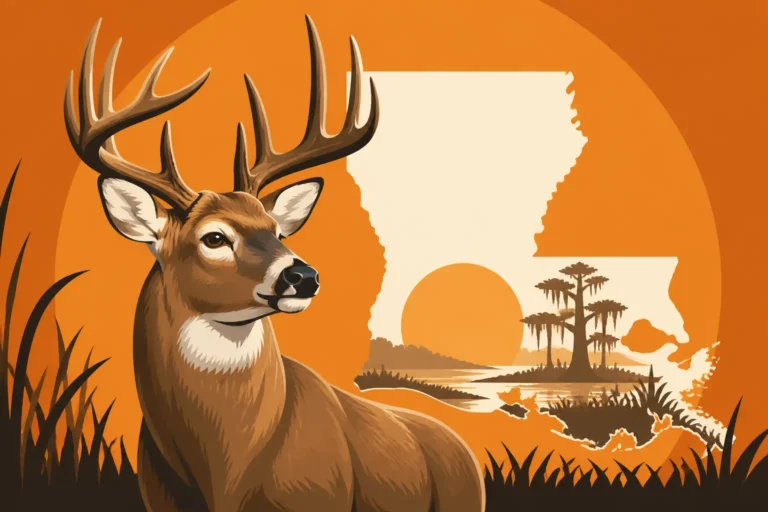
Simply put, the annual deer harvest refers to the total number of white-tailed deer legally taken by hunters within Louisiana during a specific hunting season. This includes deer harvested by archery, primitive firearms, and modern firearms hunters, across all deer management areas and both private and public lands. These numbers are meticulously collected and analyzed by the Louisiana Department of Wildlife and Fisheries (LDWF) to monitor the deer herd. It's not just about how many bucks are taken, but also the number of does, which is crucial for managing population growth and maintaining a healthy buck-to-doe ratio. Think of it as the annual "report card" for our deer herd—a way to gauge how well the population is doing and how our hunting efforts are impacting it.
Why These Numbers Matter to Every Hunter
You might wonder why these statewide numbers should matter to you, the individual hunter trying to fill your freezer or chase that trophy buck. Well, these statistics are the very foundation upon which Louisiana's deer management plans are built. If the harvest numbers show a declining trend in a particular region, it might signal an issue like habitat degradation, disease, or over-harvesting in past years. Conversely, consistently high harvest numbers could indicate a thriving population, perhaps even one that needs increased doe harvest opportunities to prevent overpopulation and habitat damage.
Understanding the Louisiana annual deer harvest helps shape season dates, bag limits, and specific regulations like antler point restrictions or either-sex days. For instance, if data indicates certain areas are struggling to maintain mature bucks, the LDWF might implement more restrictive buck harvest rules or extend either-sex opportunities in areas with high doe populations. It affects decisions like the season length in specific areas, such as the Long Either-Sex Window in Areas 5, 6 and 9. This data-driven approach ensures that hunting remains sustainable for generations to come, balancing the desires of hunters with the biological needs of the deer herd. Your contribution, through legally harvesting and reporting, directly feeds into this vital process.
The Science Behind the Numbers: How Harvest Data is Collected
Collecting accurate harvest data in a state as vast and diverse as Louisiana is no small feat. It requires a significant partnership between the LDWF and the hunting community. Every deer checked, every tag validated, adds another piece to the puzzle, helping biologists paint a comprehensive picture of our deer herd. It's a system that relies on the integrity and participation of every single hunter.
Hunter Reporting: Your Crucial Role
The cornerstone of Louisiana's deer harvest data collection is hunter reporting. After you successfully harvest a deer, you are legally required to report it to the LDWF. This isn't just a formality; it’s an essential step that provides real-time data to wildlife managers. Hunters can report their harvest through various methods, often via a dedicated app on their smartphone or an online portal. Many still appreciate the ability to Reporting a Deer Through Louisiana's App, making the process relatively straightforward even in remote areas.
This reporting captures key details: the date of harvest, the parish, the deer management area, the sex of the deer, and sometimes even antler measurements. This information allows biologists to track harvest pressure in different regions, identify peak hunting periods, and monitor the age structure of harvested bucks and does. Without diligent hunter reporting, the LDWF would be operating with blind spots, making effective management far more challenging. It's a direct way that every hunter contributes to the sustainability of the sport we all love.
LDWF's Data Collection and Analysis
Beyond individual hunter reports, the LDWF employs various other methods to gather and analyze data, creating a robust picture of the deer herd. They conduct extensive biological surveys, including camera trap surveys, deer aging at check stations (especially on Wildlife Management Areas), and even necropsies to determine health indicators and causes of mortality. LDWF staff also work closely with hunting clubs and private landowners who submit their own harvest records, providing localized data that often includes age, weight, and antler development for a more granular analysis.
All this data—from your individual harvest report to extensive field surveys—is compiled into massive databases. Biologists then apply statistical models and scientific expertise to analyze trends, predict population changes, and assess the overall health of the herd. They look for anomalies, such as a sudden drop in harvest in a particular parish, or an increase in young bucks being harvested, which might indicate higher hunting pressure on younger age classes. This meticulous work ensures that management decisions are grounded in sound science, aiming for long-term sustainability rather than short-term fixes. Resources like Scouting With the LDWF App can also give hunters a glimpse into the data available.
Decoding the Trends: What Harvest Data Reveals About Our Deer
The numbers don't lie, but they do tell a complex story. Louisiana's deer harvest figures are influenced by a myriad of factors, from the weather to shifting hunting pressure. Learning to read these trends can give you a deeper appreciation for the challenges and successes of deer management in the state, and even help you refine your own hunting strategies.
Fluctuations and Long-Term Trends
Louisiana's annual deer harvest numbers are rarely static. They fluctuate year to year, sometimes significantly. For example, a mild winter followed by a strong spring might lead to better fawn survival and a healthier deer population, potentially resulting in a higher harvest in subsequent seasons. Conversely, a severe drought or widespread EHD (Epizootic Hemorrhagic Disease) outbreak can drastically reduce deer numbers, leading to a noticeable dip in the harvest.
Over the long term, biologists look for broader trends. Is the statewide harvest generally increasing, decreasing, or remaining stable? These long-term trends are far more indicative of population health than a single year's numbers. For instance, data might show that while overall deer numbers are robust, the Louisiana Buck Age Structure might be skewed toward younger bucks in certain areas, prompting a review of management strategies there. Understanding these dynamics is crucial for sustainable hunting.
Impact of Regulations and Environmental Factors
Many elements conspire to influence the annual deer harvest. Here's a quick breakdown:
- Hunting Regulations: Changes to bag limits, season lengths, primitive firearms rules, or either-sex days directly impact how many deer can be harvested. Stricter limits might lead to a temporary dip, while expanded opportunities could boost numbers. Even something like crossbow legality during Crossbow Rules During Louisiana Archery Season can slightly shift harvest methods and numbers.
- Weather Patterns: As mentioned, extreme weather events (hurricanes, prolonged droughts, severe cold snaps) can negatively impact deer health and movement, affecting hunter success. A particularly warm opening weekend can also deter hunters from sitting as long, which impacts harvest. You might adjust your Warm-Weather Sitting Strategy in Louisiana based on conditions.
- Habitat Quality: The availability of quality food, water, and cover is paramount. Areas with strong agricultural bases or well-managed timberlands often support higher deer densities and, consequently, higher harvest numbers. Factors like Hunting After a Poor Acorn Year can also directly impact deer movement and success rates.
- Hunter Participation & Effort: Simply put, more hunters spending more time afield generally leads to a higher harvest. Economic factors, fuel prices, and even the general interest in hunting can subtly influence hunter numbers and overall effort.
- Disease: The emergence and spread of diseases like Chronic Wasting Disease (CWD) are becoming increasingly significant. While Louisiana has been fortunate compared to some states, the presence of CWD in certain zones can lead to specific regulations aimed at reducing deer density and monitoring disease spread, which in turn affects harvest numbers. For example, Louisiana's New CWD Management Zone Law directly impacts how deer are managed and harvested in those affected areas.
Here's a simplified table illustrating how various factors might interact with the annual deer harvest:
| Factor | Potential Impact on Harvest | Management Response (Likely) |
|---|---|---|
| Abundant Acorn Crop | Increased harvest (deer are concentrated, healthier) | Maintain current regulations, monitor population. |
| Severe Drought | Decreased harvest (deer are stressed, less active, fewer fawns) | Consider reducing antlerless tags, increased disease monitoring. |
| Extended Either-Sex Days | Increased doe harvest, potentially increased overall harvest | Monitor population growth, maintain healthy buck-to-doe ratios. |
| CWD Management Zone | Reduced harvest targets, mandatory testing, carcass movement rules | Implement specific CWD regulations, intensive monitoring. |
| Increase in Hunter Numbers | Potentially increased overall harvest, more pressure on deer | Review bag limits, consider WMA quota hunts. |
| Poor Fawn Survival Year | Decreased harvest in future years (fewer deer recruiting) | Adjust future antlerless tags, focus on habitat improvement. |
Using Tools Like GoHunt to Understand Local Trends
While statewide numbers are important, what really matters to many of us is what’s happening in our hunting grounds. Tools like GoHunt can be invaluable resources. By utilizing their mapping features and data overlays, you can often see localized harvest data or compare historical trends for specific parishes or even WMAs. This can help you understand local deer density by Deer Density by Louisiana Area and adjust your hunting strategy. For example, if statewide data shows a strong harvest, but your local WMA numbers seem down, it might indicate localized pressure or habitat issues that you can investigate further using these advanced scouting applications. A GoHunt subscription can often provide overlays of public vs. private land, helping you identify areas with potentially less pressure, crucial information for planning your hunts.
Looking Ahead: The Future of Deer Management in Louisiana
The annual deer harvest is more than just historical data; it's a compass guiding future deer management efforts. As hunters, our continued engagement and adherence to regulations are paramount to ensuring a healthy and thriving deer population for generations to come.
The Role of Hunter Participation
Your participation as a hunter extends far beyond just pulling the trigger. It encompasses ethical hunting practices, understanding and following regulations, and, critically, accurately reporting your harvest. Without robust hunter participation in the reporting system, the LDWF's data becomes less reliable, potentially leading to less effective management decisions. Every time you correctly report a deer, you're investing in the future of hunting in Louisiana. It’s also about staying informed, whether that’s through local LDWF meetings, online resources, or publications like this one.
Furthermore, hunter dollars generated through license and tag sales are the primary funding source for wildlife management programs across the state. These funds support habitat restoration, law enforcement, research, and conservation efforts that directly benefit deer and other wildlife. So, when you purchase your Louisiana Resident Hunting License Options or Louisiana Deer Tag Add-On Cost, you're not just buying access to a season; you're directly contributing to the long-term health of our wildlife resources.
Addressing Challenges Like CWD and Habitat Loss
Louisiana's deer herd faces ongoing challenges, with Chronic Wasting Disease (CWD) and habitat loss being prominent concerns. CWD, a fatal neurological disease, poses a significant threat to deer populations. The LDWF uses harvest data, alongside mandatory testing in CWD management zones, to monitor its spread and implement strategies to mitigate its impact. For example, understanding Louisiana CWD Prevalence in the Northeast Zones relies heavily on accurate harvest reporting and testing. Hunters in affected areas play a vital role in reporting suspicious-looking deer and complying with carcass movement restrictions, helping to prevent further spread.
Habitat loss and fragmentation, often driven by urban development and certain agricultural practices, also put pressure on deer populations. Understanding where harvest numbers are declining due to habitat conversion helps the LDWF prioritize conservation efforts and work with landowners on habitat improvement projects. Hunters, particularly those using tools like GoHunt to scout and plan their trips, can become advocates for habitat conservation, recognizing that healthy habitat is the ultimate foundation for a healthy deer herd and sustained harvest opportunities. By understanding the bigger picture of the Louisiana annual deer harvest, we become more informed, responsible, and effective stewards of our state's incredible natural resources.
Disclaimer
This article is for general informational purposes only and does not constitute professional advice. Laws, prices and regulations vary by location and change over time. Consult a qualified professional for guidance on your specific situation.