Poult-to-Hen Ratios and What They Mean
It can be incredibly frustrating to head out for a Louisiana turkey hunt, only to find the woods eerily quiet, or conversely, to stumble upon flocks teeming with young birds, leaving you wondering what it all means for future seasons. Understanding the health of our wild turkey populations, especially how successful their nesting and brood-rearing efforts have been, is key to being a more informed and often, more successful, hunter. This guide will walk you through what poult-to-hen ratios are, why they’re so important, how they’re measured here in Louisiana, and what those numbers truly signify for your time in the spring woods.
What Exactly is a Poult-to-Hen Ratio?
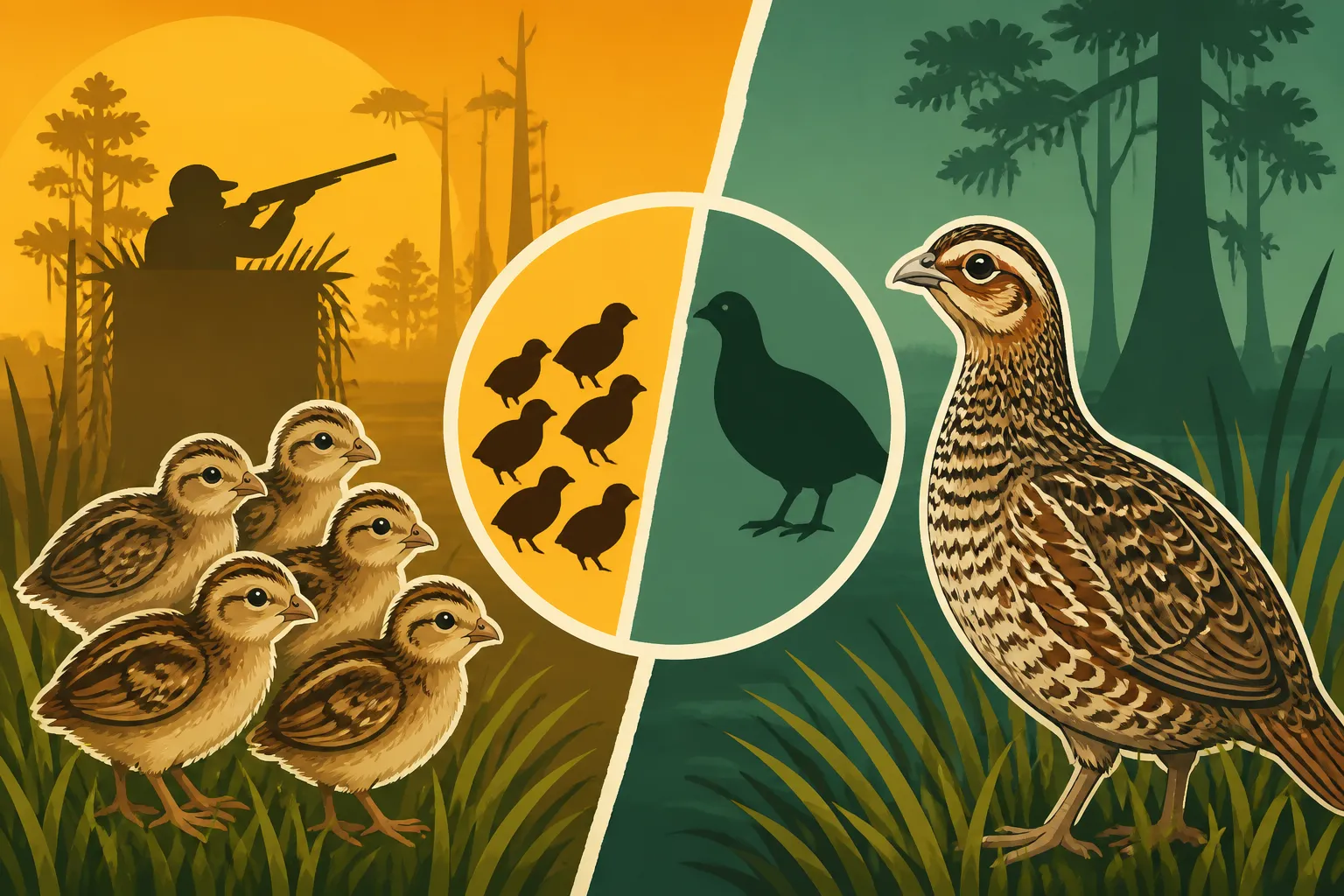
At its core, the poult-to-hen ratio is a simple measurement, yet it holds immense power in predicting the future of a local turkey population. Simply put, it's the average number of turkey chicks (known as "poults") observed per adult hen during the summer months. Think of it like a report card for the breeding season. Did the hens successfully nest? Did the eggs hatch? Did those tiny poults survive their first few vulnerable weeks? This single ratio attempts to answer all of those critical questions in one concise figure.
The Life Cycle of a Turkey Brood
To really grasp the significance, let's zoom in on the turkey's reproductive cycle. Hens typically nest in spring, laying a clutch of eggs. After about 28 days of incubation, the poults hatch, entering the world as incredibly fragile, precocial birds. They can walk and feed themselves almost immediately, but they are utterly dependent on the hen for warmth, protection, and guidance to food sources. For the first few weeks, these poults are highly susceptible to cold, wet weather, and an endless array of predators. A high poult-to-hen ratio means a good number of these tiny survivors made it past that initial gauntlet, indicating a successful hatch and strong early survival rates for the new generation. Conversely, a low ratio points to significant losses during nesting or early brood-rearing.
Why This Ratio is a Hunter's Crystal Ball
For turkey hunters, this ratio isn't just an interesting biological tidbit; it's a vital piece of scouting information, a veritable crystal ball for upcoming seasons. When you see a strong poult-to-hen ratio in one year, you can predict a good influx of jakes (yearling gobblers) the following spring. Two years later, those jakes will mature into two-year-old gobblers—often the most vocal, aggressive, and responsive birds to a call. If you hear whispers of a fantastic hatch from your hunting buddies or through wildlife agency reports, you can start mentally preparing for prime hunting conditions a couple of years down the line. It influences where you might focus your efforts and even your calling strategy. For example, if you know a particular area had a phenomenal hatch, you might consider concentrating your efforts there when those birds mature, using platforms like GoHunt to cross-reference historical success rates with current conditions to inform your scouting plans.
How are These Ratios Determined in Louisiana?
You might wonder how wildlife biologists gather this kind of specific data across a diverse state like Louisiana, especially with turkeys being notoriously wary creatures. It's a combination of dedicated fieldwork, advanced technology, and surprisingly, a significant dose of citizen science from folks just like us.
LDWF Surveys and Citizen Science
The Louisiana Department of Wildlife and Fisheries (LDWF) relies on various methods to monitor turkey populations, and poult-to-hen ratios are a critical component. Biologists conduct structured surveys in key turkey habitats, often utilizing specialized equipment or even trained dogs to locate hens and their broods. However, one of the most valuable sources of data comes directly from hunters, landowners, and outdoor enthusiasts through summer observation surveys. Typically conducted from June through August, these surveys ask participants to record the number of hens they see and how many poults are accompanying them. This widespread network of observers provides a broader snapshot of reproductive success across different regions of the state than biologists could achieve alone. Programs often involve online portals or specific forms where sightings can be logged, contributing directly to the data that shapes future management decisions and helps track Louisiana Turkey Population Trends.
Timing and Challenges of Data Collection
The timing of these surveys is crucial. Poults remain with their hens for several months, often until they are nearly full-grown in the late summer or early fall. Observing during this period allows for an accurate count of the surviving poults before they disperse or become indistinguishable from smaller adult birds.
However, gathering this data isn't without its challenges. Turkeys are masters of camouflage, and their preferred habitats – dense woods, thick undergrowth, and river bottoms – make visual confirmation difficult. Observer bias can also be a factor; some areas might have more active observers than others, or inexperienced observers might miscount. Predation on nests and poults, discussed further in Nest Predation and Louisiana Turkey Hatches, can dramatically skew local numbers, making a statewide average sometimes less useful than highly localized data. Despite these hurdles, consistent long-term data collection provides valuable insights into year-to-year fluctuations and long-term trends, helping LDWF manage our beloved wild turkey resource effectively.
What Do Different Ratios Tell Louisiana Hunters?
Interpreting the poult-to-hen ratio is where the rubber meets the road for hunters. These numbers aren't just abstract statistics; they offer tangible clues about what to expect when you head into the woods for Spring Turkey Hunting in Louisiana. Understanding these ranges can help you adjust your expectations, fine-tune your scouting, and even modify your hunting strategy for the season.
Interpreting the Numbers: Good, Bad, and Stable
Let's break down what different poult-to-hen ratios typically indicate:
- High Ratio (e.g., 2.5-3.0+ poults per hen): This is fantastic news! A high ratio signals an excellent hatch and strong poult survival. This kind of success points to ideal nesting conditions, abundant food sources, and perhaps lower predation rates in that specific year. For hunters, this translates to a promising outlook. You can expect a surge of jakes the following spring, and more importantly, a robust population of vocal, mature gobblers two years down the line. If you're looking for areas that might offer prime hunting in the future, regions reporting these kinds of numbers are definitely worth keeping an eye on, perhaps even planning some off-season scouting trips.
- Moderate Ratio (e.g., 1.5-2.0 poults per hen): A moderate ratio indicates a stable, healthy population. While not a boom year, it suggests that conditions were generally favorable enough for turkeys to reproduce successfully and maintain their numbers. This is often seen as a good, sustainable average. For hunters, it means you can generally expect consistent hunting opportunities without major dips or spikes in the population. You might not encounter as many jakes as a banner year, but the overall population structure should remain balanced.
- Low Ratio (e.g., <1.5 poults per hen): This ratio raises a red flag. A low number suggests a poor hatch or high poult mortality. This can be due to a variety of factors, often adverse weather during the nesting or brooding period, or exceptionally high predation. For hunters, a low ratio often means you can expect fewer jakes the next season and potentially a noticeable decline in mature gobblers two years out. This might require adjusting your hunting strategy, perhaps focusing on areas known for stable populations or where you've personally observed more birds. It’s a good time to consider more intensive scouting, possibly exploring new public lands or trying different tactics if your usual spots seem quiet. Tools like GoHunt can provide maps and land data that help you identify potential areas that might have bucked the trend of low ratios due to specific habitat features or less pressure.
How it Impacts Your Hunting Strategy
Knowing the general trends in poult-to-hen ratios can help you plan. If statewide ratios are down, it might be a year to embrace patience, hone your calling, and focus on smaller, less accessible pockets of habitat that might have been less impacted. On the other hand, if ratios have been strong for a couple of years, you might anticipate a more active spring, with gobblers eager to sound off. It can also influence your decisions on whether to focus on certain Louisiana Turkey Area A, B and C Rules depending on their reported success.
Here's a quick summary table:
| Poult-to-Hen Ratio Range | Interpretation for Current Year | Impact on Hunting (Next 1-2 Years) |
|---|---|---|
| 3.0+ | Excellent Hatch & Survival | Abundant Jakes (Next Year), Strong Gobbler Population (2 Years Out) |
| 2.0 – 2.9 | Good Hatch & Survival | Good Number of Jakes, Healthy Gobbler Population |
| 1.5 – 1.9 | Stable Hatch & Survival | Consistent Gobbler Opportunities, Maintaining Numbers |
| 1.0 – 1.4 | Below Average Hatch | Fewer Jakes, Potential Decline in Gobblers |
| <1.0 | Poor Hatch & Low Survival | Significant Drop in Jakes & Gobblers, Challenging Seasons Ahead |
Remember, these are general guidelines, and local conditions can always vary. Personal scouting remains paramount, but regional data on Louisiana Turkey Brood Survey Results can give you a powerful head start.
Factors Affecting Louisiana's Poult-to-Hen Ratios
The journey from a tiny egg to a robust young turkey is fraught with peril. Many environmental and biological factors can dramatically sway those critical poult-to-hen ratios, making them fluctuate from year to year and even from parish to parish. Understanding these influences can help hunters anticipate good years and bad, and perhaps even understand why their favorite turkey hunting spot might be a bit quieter than usual.
The Critical Role of Weather During Nesting and Brood Rearing
Without a doubt, weather is one of the most dominant factors influencing poult-to-hen ratios. Wild turkey poults are incredibly vulnerable to environmental conditions, particularly during their first few weeks of life.
- Cold, Wet Springs: A prolonged period of cold, wet weather during the nesting phase can reduce egg viability, and during the immediate post-hatch period, it can be devastating. Poults lack the insulating feathers of adult birds, and they chill easily. Wet conditions can also lead to increased disease transmission. If a hen and her brood are caught in a cold, driving rain, many poults simply won't survive. This is why you often hear of poor hatches after a particularly brutal spring with late cold snaps or excessive rainfall.
- Dry, Warm Springs: Conversely, a mild, dry spring often correlates with a high poult-to-hen ratio. Warm weather helps eggs incubate successfully, and dry conditions reduce the risk of hypothermia for newly hatched poults. It also tends to lead to an abundance of insects, which are crucial protein sources for growing poults, allowing them to gain strength quickly.
Predation Pressure on Nests and Poults
Louisiana's diverse ecosystems are home to a wide array of predators, and many of them view turkey eggs and poults as an easy meal. This predation pressure is a constant threat and can significantly impact poult survival.
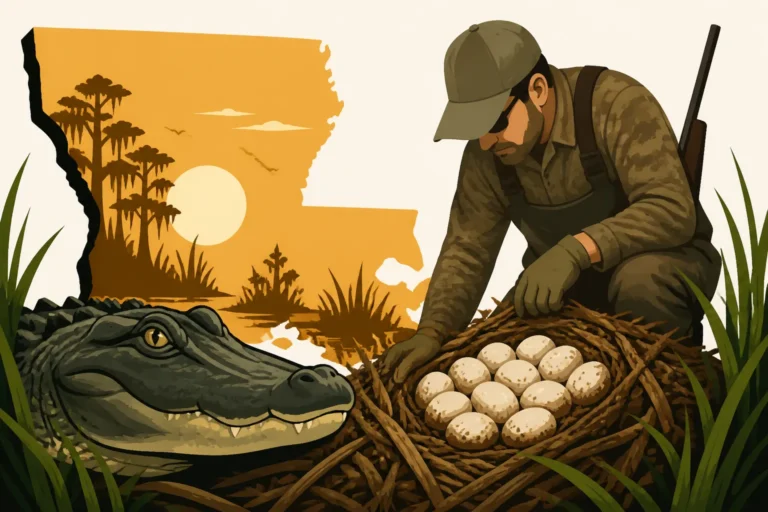
- Nest Predators: Raccoons, opossums, skunks, snakes (like rat snakes and even cottonmouths in swampy areas), and feral hogs are notorious for raiding turkey nests. A single nest predator can wipe out an entire clutch of eggs before they even have a chance to hatch.
- Poults Predators: Once hatched, the poults face threats from aerial predators like hawks and owls, and ground predators such as foxes, bobcats, and perhaps most significantly in Louisiana, coyotes. High populations of Coyotes and Predators in Louisiana can exert immense pressure on young turkey broods, contributing to lower poult survival rates. Good brood cover, which provides concealment for hens and poults, can mitigate some of this risk.
Habitat Quality and Food Availability
The quality of the habitat available for nesting and brood-rearing is paramount. Turkeys need specific types of cover and food sources to thrive, especially when raising young.
- Nesting Cover: Hens require dense, undisturbed areas for nesting that offer concealment from predators. This might include thickets, brush piles, or areas with tall grasses. A lack of suitable nesting cover can lead to increased nest predation or hens abandoning nests.
- Brood-Rearing Habitat: After hatching, poults need areas rich in insects, which are their primary food source for rapid growth. These are often open, grassy areas with good forb growth, or even managed food plots. They also need nearby escape cover – areas where the hen can quickly lead her poults to hide from predators. A patchwork of open areas for feeding and dense cover for protection is ideal. If these specific habitat types are scarce, poult survival can suffer. Land management practices, including prescribed burns and thinning, can often improve this crucial habitat. Many savvy hunters use applications like GoHunt to analyze satellite imagery for areas that exhibit these ideal habitat characteristics, especially on public lands like those in Kisatchie National Forest, even before physically scouting. This advanced planning can give you an edge when considering Where Louisiana Turkeys Are Densest might be found.
By understanding these interwoven factors, hunters gain a deeper appreciation for the resilience (or fragility) of our wild turkey populations and how much goes into a successful spring. It's a reminder that every gobble in the spring woods is a testament to the wild turkeys' ability to overcome numerous challenges.
Disclaimer
This article is for general informational purposes only and does not constitute professional advice. Laws, prices and regulations vary by location and change over time. Consult a qualified professional for guidance on your specific situation.