Hunting Area C’s Shorter Turkey Window
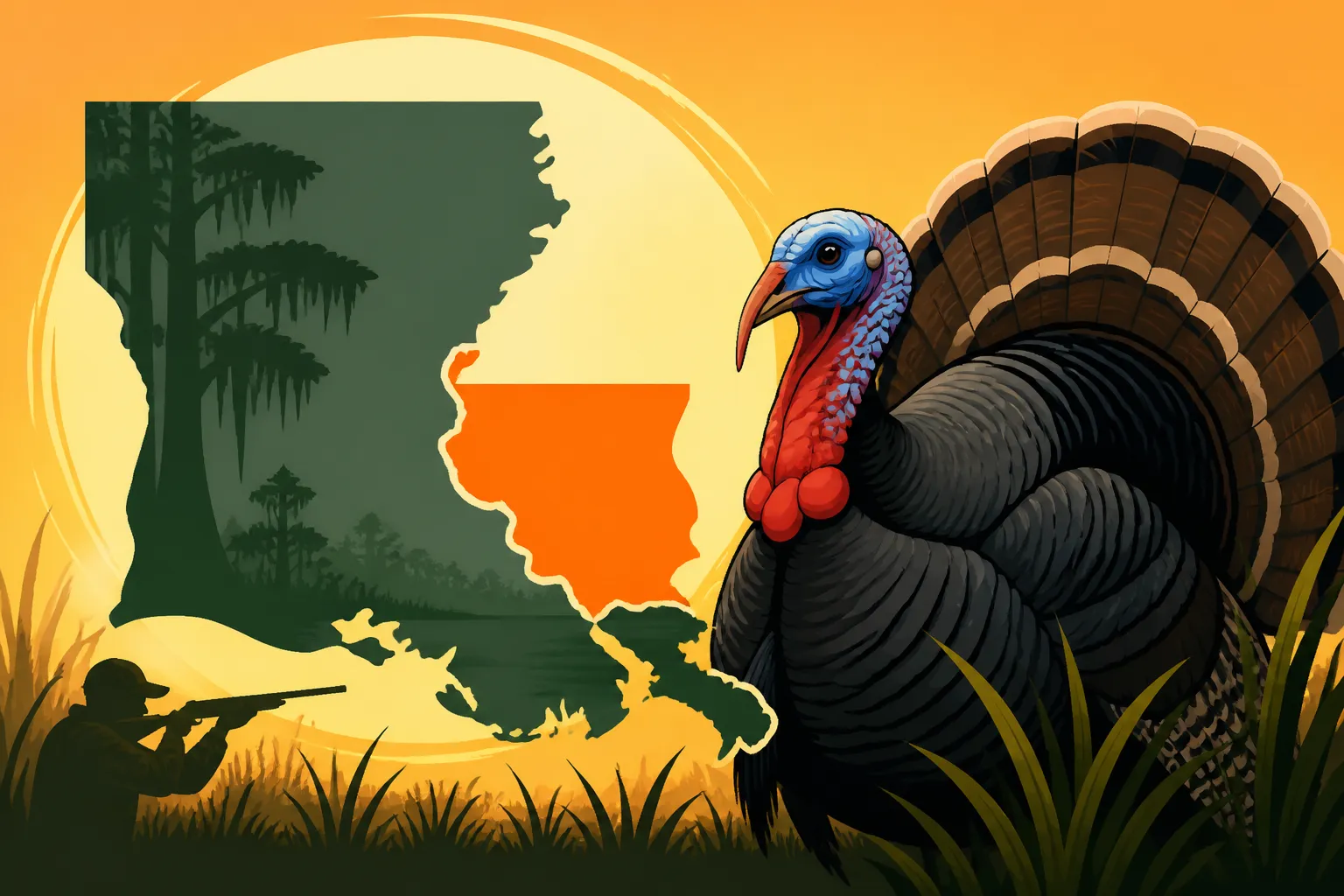
Hunting turkeys in Louisiana can be an incredibly rewarding experience, but if you've ever set your sights on Area C, you know it comes with a specific, often frustrating challenge: a significantly shorter turkey window. This limited timeframe means every hunt needs to be strategic, every gobble counts, and there's little room for error or slow starts. This guide will walk you through how to maximize your chances of success and truly make the most of those precious few weeks in Area C.
Understanding the Unique Challenges of Area C's Turkey Season
If you've spent any time trying to chase longbeards in Louisiana, you've probably noticed that the state divides its turkey hunting into different areas, each with its own set of rules and season lengths. Area C, typically encompassing parts of northwest Louisiana, has always presented a unique puzzle for turkey hunters. The season here is notably shorter than in other parts of the state, and that brevity fundamentally shifts the entire hunting dynamic.
The Short Season Reality and Its Impact on Strategy
The most immediate and obvious impact of Area C's shorter season, which often runs for about two weeks, is the sheer pressure it puts on both the birds and the hunters. Unlike the expansive seasons found in areas like Area A, where you might have five weeks or more to pattern birds and pick your days, Area C demands immediate action. You don't have the luxury of waiting for perfect weather or letting the initial rush of hunters dissipate. When that season opens, you're essentially in a sprint.
This compressed timeline often means that any given gobbler hears more calls and sees more hunters in a shorter span. Birds that might be eager and responsive on opening weekend can quickly become call-shy and elusive after just a few days of heavy pressure. It's a race against the clock, and it can be incredibly frustrating to have your prime hunting days slip away, especially when you feel like the turkeys are only just starting to crank up, or conversely, have already shut down due to pressure. You might feel like you just figured out their patterns, and then, poof, the season's over. That feeling of "what if I had one more weekend?" is a common lament among those who hunt this area.
Key Differences from Other Louisiana Turkey Areas
To truly grasp the challenge of Area C, it helps to understand how it contrasts with the other major turkey areas in Louisiana. Take Area A, for instance, which usually boasts the longest season. Hunters in Area A, particularly in the southeastern parishes, often have the opportunity to hunt birds through multiple phases of the breeding cycle – from early season gobbling to the more consistent breeding activity of mid-season, and even late-season clean-up opportunities. This extended window allows for more nuanced strategies, adapting to changing bird behavior and hunting pressure over time.
Area B, often in the central and northeastern parts of the state, also typically offers a longer season than Area C, though it's usually shorter than Area A. These areas allow hunters to spread out their efforts, scout more thoroughly, and wait for ideal conditions or a less pressured bird.
Area C, however, is a much narrower window. This means the peak gobbling activity might be more concentrated, but it also means hunters are all trying to hit that peak at the same time. You need to be aware of the specific regulations for all regions, and a great place to start is by reviewing the official Louisiana Turkey Area A, B and C Rules to understand the exact dates and bag limits before you ever step foot in the woods. Weather can also play a more decisive role; a single week of heavy rain or an unexpected cold snap can effectively wipe out a significant portion of your hunting opportunity, leaving you with very little time to recover. In a long season, you shrug it off; in Area C, it's a critical setback.
Pre-Season Preparation for Area C Success
Given the tight hunting window in Area C, your success hinges almost entirely on what you do before the season even opens. This isn't an area where you can just show up on opening day and expect to luck into a longbeard. The preparation needs to be meticulous, focused, and aggressive.
Intensive Scouting and Roost Location Identification
For Area C, scouting isn't just recommended; it's absolutely non-negotiable. You simply cannot afford to spend your precious hunting days trying to figure out where the birds are. You need to know their routine before the season starts. Start your pre-season efforts weeks, even a month or more, before opening day. Get out into the woods at dawn and dusk. Listen for gobblers on the roost in the mornings, and try to pinpoint where they fly up to roost in the evenings. This means being in the woods, not just driving by.
Focus on topographical maps and aerial imagery, perhaps using an app like GoHunt which can layer property lines and terrain features, helping you identify potential roosting areas. Look for tall, mature trees, especially those near water sources or along ridge lines, as these are prime spots for gobblers. Don't be afraid to put some miles on your boots. Walk logging roads, power line cuts, and natural travel corridors. Look for fresh turkey sign: tracks, droppings, and shed feathers. If you can locate even one reliable roost tree, you've dramatically increased your odds.
While scouting, you can use owl or crow locator calls to try and get a shock gobble, which helps pinpoint their location without alerting them to your presence as a direct turkey call might. Avoid over-calling with turkey calls during this pre-season period; you want the birds to be responsive, not wary, by the time season rolls around. Your goal is to gather intelligence, not to engage. Knowing where birds are likely to be before they hit the ground gives you a massive advantage, allowing you to set up silently and effectively. For more detailed advice, check out Roost Hunting Louisiana Gobblers.
Understanding Public vs. Private Land Dynamics
The type of land you're hunting on in Area C will also significantly influence your strategy, especially due to the short season. Public lands, like portions of Kisatchie National Forest or specific Wildlife Management Areas (WMAs) in the region, often experience much higher hunting pressure. This is a common theme across Louisiana, and it's especially true when the season is short and everyone is trying to tag out quickly. On public land, you'll need to be prepared to walk further, get in earlier, and potentially deal with other hunters. Scouting public land requires extra effort to find those less-pressured pockets. Tools that show recent public land hunting reports or pressure maps, like those offered by GoHunt, can be invaluable here, helping you identify areas that might get less attention.
Securing access to private land, if possible, can offer a distinct advantage in Area C. Private lands generally experience less pressure, and the turkeys on them might be more willing to respond to calls. If you have the opportunity, cultivating relationships with landowners in the region well before the season is paramount. Offer to help with chores, clear brush, or assist with other tasks in exchange for hunting permission. This effort can pay dividends by providing you with a less-pressured hunting environment during that critical short window. Regardless of whether you're on public or private ground, always remember the importance of Scouting Louisiana Public Land Before Season to maximize your chances.
In-Season Tactics for Maximizing a Short Window
Once the season opens in Area C, it's time to execute. This isn't the time for passive hunting; you need to be decisive and adaptable.
Aggressive Calling and Run-and-Gun Approaches
In a short season, sometimes you can’t afford to be subtle. While over-calling can certainly make birds wary, under-calling can mean missed opportunities when time is of the essence. A more aggressive "run-and-gun" approach often proves effective, especially on public land where birds are scattered or pressured. This means covering ground, moving from one potential setup to another, listening intently, and stopping to call frequently. You're actively searching for a responsive gobbler rather than passively waiting for one to come to you.
Start your morning by getting as close as legally and safely possible to a known roost tree before daylight. If the bird gobbles on the limb, try to call him down. If he flies down silently or heads in another direction, don't sit there for hours hoping he'll return. Pack up quickly and start moving. Use loud, assertive calls initially – sharp yelps, cutts, and clucks – to try and provoke a shock gobble. If you get a response, quickly assess the situation and try to close the distance before setting up. The goal is to get a bird to commit within a short timeframe. This highly mobile style of hunting is exactly what's detailed in Run-and-Gun Turkey Tactics on Public Land, which is essential reading for Area C hunters.
Here's a quick comparison of general turkey hunting approaches in Louisiana:
| Feature | Area A (Long Season) | Area B (Medium Season) | Area C (Short Season) |
|---|---|---|---|
| Season Length | Long (5+ weeks) | Medium (3-4 weeks) | Short (2 weeks) |
| Typical Pressure | Moderate to high, dissipates over time | Moderate, can be concentrated | High, consistently concentrated |
| Calling Strategy | Varied; can be subtle or aggressive, adaptive | Adaptive, often more patient | Often more aggressive, run-and-gun |
| Scouting Importance | High, allows for pattern development | Very High, critical for specific setups | Extremely High, pre-season is paramount |
| Flexibility | High, can choose days based on weather/activity | Moderate, some room for adaptation | Low, must hunt when available regardless |
| Ideal Approach | Pattern birds, wait for ideal conditions | Mix of patient setups and mobile searching | Aggressive searching, quick setups |
When you do get a bird to gobble, quickly get into a setup with good visibility and cover. A big oak or a dense brush line can offer crucial concealment. Then, you can try some softer, more seductive calls to draw him in. Remember, the key is to be efficient with your time. If a spot isn't producing after a reasonable amount of time, move on.
Adapting to Weather and Hunting Pressure
Louisiana spring weather is notoriously unpredictable. You might start your hunt in crisp, cool air only for it to quickly become humid and sweltering by mid-morning. Then, out of nowhere, a torrential downpour rolls in. This volatility demands adaptability, especially when you have so few hunting days.
Weather Adaptations:
- Rainy Days: Turkeys often become less vocal in heavy rain. Instead of trying to call them from afar, focus on known strutting zones, open fields, or along field edges where they might be feeding as soon as the rain lets up. They still need to eat, and they might gravitate to areas where they can dry off quickly.
- Warm Weather: As the day heats up, gobbling often slows down. In these conditions, concentrate your efforts during the first few hours of daylight and the last couple of hours before roosting. Mid-day can be tough, but birds might still be moving to water sources or shady areas. If you're struggling, consider looking for sign rather than just listening for gobblers, as they might be silent.
- Cold Fronts: A sudden cold front can put birds on lockdown for a day or two. Be patient, and once the weather stabilizes, they often become more active as they try to make up for lost time.
Hunting Pressure Adaptations:
On public land, particularly on opening weekend, you're going to encounter other hunters. It’s an unavoidable reality of a short season. Instead of getting discouraged, use it to your advantage or seek out less-pressured areas.
- Early Bird Gets the Worm (or the Gobbler): Get to your spot well before daylight, even earlier than you think you need to be. This ensures you're set up before anyone else can disturb the area.
- Go Deep: Most hunters won't venture too far from easily accessible roads or parking areas. If you're willing to put in the effort and walk a mile or more into remote areas, your chances of finding an unpressured bird skyrocket.
- Listen to Learn: Pay attention to other hunters' calls. If a bird is gobbling to another hunter, you know where not to go. Sometimes, a pressured bird that shuts down for one hunter might still respond to a completely different setup and call sequence from another direction later in the day.
- Decoy Placement: When birds are pressured, they can be wary of approaching a setup if something looks off. Decoy Placement for Pressured Louisiana Birds is crucial. Make sure your decoy setup looks natural and that you're well-hidden. Sometimes, no decoy is better than a poorly placed one.
Remember, the turkeys don't care about your short season. They respond to pressure and changing conditions. Your ability to adapt and pivot your tactics quickly will be the deciding factor in Area C. Learning Calling a Louisiana Gobbler Off the Roost can give you an edge, but so can knowing when to simply let a bird be and move on to find another.
Post-Harvest Considerations and Future Planning
Even after you've punched your tag in Area C (or if the season ends without success), your work isn't quite done. A little reflection and compliance go a long way.
Reporting Your Harvest and Regulatory Compliance
First and foremost, if you're fortunate enough to harvest a turkey in Area C, you have a legal obligation to report it to the Louisiana Department of Wildlife and Fisheries (LDWF). This is a crucial step for wildlife management. The LDWF uses this data to track harvest numbers, monitor turkey populations, and make informed decisions about future season structures and bag limits. It's not just a formality; it's essential for the health of the resource we all enjoy.
You can typically report your harvest online through the LDWF website or via their mobile app. Make sure you understand the Louisiana Turkey Checking Requirements and do so promptly, usually within 72 hours of harvest. Be familiar with the specific Louisiana Turkey Bag Limit Rules for Area C, which are usually one gobbler per day and a season limit of two per hunter. Understanding and adhering to all regulations ensures that you're contributing to sustainable hunting opportunities for years to come. Don't let the excitement of a successful hunt distract you from these important responsibilities.
Reflecting and Planning for Next Season
Whether you filled your tag or not, the end of the Area C turkey season is a perfect time for reflection and future planning. This short window means every piece of information you gather is valuable.
Take notes on what worked and what didn't. Did a particular call sequence get a response? Did you find birds consistently in a certain type of habitat, like near a creek bottom or a pine ridge? What were the weather conditions when you heard gobbling, and how did they compare to when the woods were silent? Consider using a hunting journal or a digital app like GoHunt to log your hunts. GoHunt allows you to drop pins for roost trees, strutting zones, and even mark areas of high pressure you want to avoid next year. This detailed record-keeping can be an invaluable tool.
Don't just think about your successful moments; analyze your failures too. Did you spook a bird by setting up too close? Did you misjudge a gobbler's travel path? Every experience, good or bad, offers a learning opportunity. This continuous learning process is what makes us better hunters, and it’s especially vital when you’re dealing with the limited chances of Area C.
Think about scouting efforts for the next year. Could you have started earlier? Did you miss any key areas? Remember that scouting in the off-season, even when turkeys aren't gobbling, can reveal food sources, travel corridors, and potential roosting sites that will be critical intel when the short season rolls around again. The more you learn about your hunting ground and the habits of the local turkeys, the more prepared you'll be to make the most of that brief, intense turkey season in Area C. Making the most of a Making the Most of a Short Turkey Window often comes down to this kind of meticulous year-round preparation.
Disclaimer
Please be aware that hunting regulations, season dates, and specific area rules in Louisiana can change annually. Always consult the most current Louisiana Department of Wildlife and Fisheries (LDWF) regulations pamphlet or their official website before planning and executing any hunt. This guide provides general information and recommendations but does not supersede official state regulations.