Louisiana Fawn Survival Rates
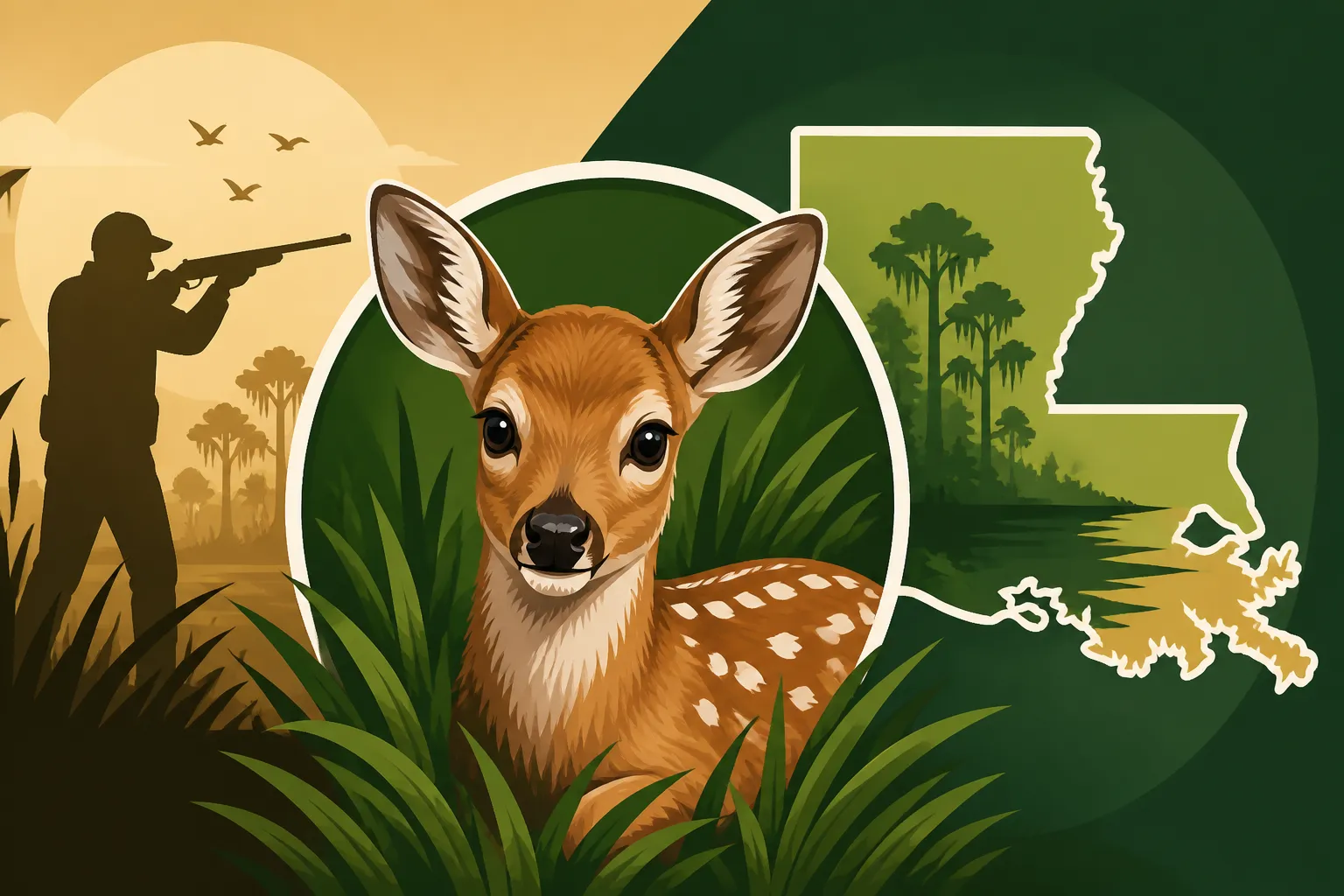
It's incredibly frustrating when you're dedicated to hunting, you scout hard, you watch the seasons, and yet, sometimes, the deer just aren't there in the numbers you expect. A lot of that mystery often boils down to something you rarely see: the survival of the fawns. Understanding what happens to those little spots in their first year of life is absolutely critical for the health and future of Louisiana's deer herd, and ultimately, for your hunting success. This guide will dive deep into the world of Louisiana fawn survival rates, exploring the many factors that impact whether those tiny deer grow into next season's yearlings and beyond.
Understanding Louisiana Fawn Survival Rates and Their Importance
When we talk about fawn survival rates, we're not just talking about cute little deer. We're discussing the very foundation of our deer populations here in Louisiana. It’s a complex topic, but once you peel back the layers, it becomes clear why it's so vital for every hunter to grasp.
Defining Fawn Survival and Its Importance
Fawn survival, simply put, is the percentage of fawns born in a given year that manage to survive to their first birthday. It’s a statistic that wildlife biologists obsess over, and for good reason. Imagine a deer herd like a savings account: you have your principal (the adult deer) and your interest (the fawns). If your interest rate drops significantly, your account isn't going to grow, or it might even shrink, no matter how healthy your principal is. Low fawn survival directly translates to fewer deer recruiting into the adult population, which means a smaller overall herd size in the coming years.
This rate is a critical indicator of a herd's health and its ability to sustain itself. It reflects the delicate balance between birth rates, predation, habitat quality, and environmental stressors. If fawn survival is consistently low, it signals potential underlying issues that could impact the long-term viability of our deer hunting traditions. We all want to see a thriving deer population, and that starts with those fawns making it through their most vulnerable stage. It's a key piece of the puzzle when you're thinking about the overall Louisiana Deer Population Estimate and what might be coming down the pike.
The Hunter's Stake in Fawn Survival
As hunters, our stake in fawn survival is immediate and profound. Fewer fawns surviving means fewer yearlings the next season, and fewer mature bucks and does a few years down the road. This directly impacts hunting opportunities, bag limits, and the sheer number of deer you might encounter in the woods. When fawn numbers are consistently low, it can lead to reduced Louisiana Deer Harvest Records for the state.
Think about it: the 2.5-year-old buck you're hoping to tag next season was a fawn two years ago. If a significant percentage of those fawns didn't make it, your chances of encountering that buck, or any buck of that age class, are reduced. Understanding these rates can also help you interpret why a particular area might feel "down" on deer, even if you’re seeing plenty of mature does. It might not be that the does aren't breeding, but rather that their offspring aren't surviving. This knowledge empowers you to look at the landscape differently, considering factors like predator populations or habitat deficiencies that might be impacting the future of your hunting grounds.
Key Predators Affecting Fawn Survival in Louisiana
Louisiana’s landscape is beautiful, but it's also a wild place, and for a newborn fawn, danger lurks everywhere. While many things can impact a fawn's chances, predators are often at the top of the list, especially in those first few vulnerable weeks.
The Role of Coyotes and Other Canine Predators
Let's be real, when most hunters think of fawn predators, the first animal that probably comes to mind is the coyote. And for good reason. Coyotes are incredibly adaptable, widespread throughout Louisiana, and opportunistic hunters. They don't just happen upon fawns; they actively seek them out during the fawning season, which typically runs from late spring into summer here in our state. A newborn fawn, scentless for its first few days but otherwise quite vulnerable, is easy prey for a coyote. They don't need to chase them far; often, it's a quick, decisive strike.
The impact of coyotes on fawn survival can be significant, particularly in areas where coyote populations are high and deer habitat might be suboptimal, offering less dense cover for fawns to hide in. Studies, even outside Louisiana, consistently show that coyotes are a primary cause of fawn mortality. While it's nearly impossible to eliminate coyotes entirely, understanding their movements and density in your hunting area is key. Tools like GoHunt can help analyze habitat features that might concentrate both deer and predators, giving you a better understanding of the landscape. We can certainly get a better handle on the scale of the problem by looking at Louisiana Coyote Range and Density to see where the heaviest populations exist. This is why many deer management plans include some form of predator control, often focusing on coyotes, especially when the goal is to boost fawn recruitment.
Feral Hogs and Their Lesser-Known Threat
While coyotes get the spotlight, let's not forget another formidable and often underestimated threat to fawn survival in Louisiana: feral hogs. These invasive animals are rampant across much of our state, and while they're often thought of as destroyers of crops and habitat, they are also opportunistic predators. Feral hogs are omnivores, meaning they'll eat just about anything – plants, insects, carrion, and yes, even newborn fawns.
During fawning season, a sow leading a group of piglets, or a lone boar, will readily root through bedding areas and thick cover. If they come across a hidden fawn, they won't hesitate. Their keen sense of smell, combined with their destructive rooting habits, makes them highly effective at finding and preying on vulnerable fawns. In some areas, the impact of feral hogs on fawn survival can rival that of coyotes. This is a big reason why Hunting Louisiana's Year-Round Feral Hogs is encouraged; it’s not just about reducing crop damage, but also about protecting our native wildlife, including fawns. Recognizing the dual threat of coyotes and hogs is crucial for any effective deer management strategy.
Other Potential Predators
While coyotes and feral hogs are the main players, a few other predators can occasionally contribute to fawn mortality in Louisiana, though generally to a lesser extent across the broader landscape. Bobcats, for instance, are agile and cunning predators that will take fawns if the opportunity arises. They are more selective and less numerous than coyotes in many areas, but their presence can still be a factor, especially in areas with good bobcat habitat.
In our swampier regions, particularly in places like the Atchafalaya Basin, even alligators can pose a threat to fawns. While not a primary predator, a fawn that ventures too close to the water's edge or gets caught in a flood-prone area could certainly fall prey to a large gator. However, compared to the widespread and consistent impact of coyotes and feral hogs, the influence of bobcats and alligators on overall fawn survival rates is typically localized and less significant across the state.
Habitat and Environmental Factors Influencing Fawn Survival
Beyond predators, the environment itself plays an enormous role in whether a fawn survives its first year. A deer herd can only be as healthy as its habitat, and for fawns, certain aspects are absolutely non-negotiable for their survival.
The Crucial Role of Cover and Nutrition
Imagine being a tiny, defenseless fawn. Your best chance at avoiding a hungry coyote or hog is to disappear into the landscape. This is where dense, robust cover comes in. Thick briar patches, tall native grasses, regenerating clear-cuts, and dense underbrush provide the perfect hiding spots for fawns, concealing them from the keen eyes and noses of predators. Without adequate fawning cover, fawns are simply too exposed, making them easy targets. It’s not just about having cover, but having the right kind of cover – low, dense, and widespread enough to offer multiple safe havens.
Equally important is nutrition, particularly for the pregnant does. A healthy, well-nourished doe will produce healthier, stronger fawns that have a better chance of surviving. Fawns born to does that are stressed or underfed might be smaller, weaker, and less vigorous, making them more susceptible to disease, exposure, and predation. Good nutrition also ensures the doe can produce ample milk, which is vital for the fawn's rapid growth and development in those critical first few months. The quality of habitat and available forage can vary dramatically across our state, from the rich bottomlands of the Tensas Basin to the drier Piney Hills Versus Basin Deer regions, and this directly impacts the health of the does and, consequently, the fawns.
Weather Extremes and Natural Disasters
Louisiana is no stranger to dramatic weather, and these extremes can be incredibly tough on newborn fawns. Prolonged periods of heavy rain, especially during the peak fawning season, can lead to hypothermia in young fawns who haven't yet developed their full thermoregulatory capabilities. Flooding, a common occurrence in our low-lying state and especially in areas like the Atchafalaya Basin, can be devastating. Fawns can drown, or become separated from their mothers, leaving them orphaned and highly vulnerable.
On the other end of the spectrum, extreme heat waves can also be detrimental. While fawns are adept at hiding, prolonged exposure to scorching sun in inadequate shade can lead to dehydration and heat stress, further weakening them. Natural disasters, such as hurricanes that bring massive flooding and habitat destruction, can also have a profound, albeit less frequent, impact on fawn survival, displacing deer and destroying critical fawning cover. These events are largely beyond our control, but their consequences underscore the fragility of fawn survival.
Disease and Parasite Impact
While fawns are generally less susceptible to some of the major deer diseases like Epizootic Hemorrhagic Disease (EHD) compared to older deer, diseases and parasites can still indirectly impact their survival. A doe weakened by a heavy parasite load or a chronic illness might not be able to carry a fawn to full term, or might give birth to a smaller, less robust fawn. This indirect impact on doe health can significantly lower the fawn's chances of making it through the first year.
Furthermore, a general decline in herd health due to widespread disease could lead to a less vigilant doe, making her fawn more vulnerable to predation. Biologists pay close attention to Louisiana Wildlife Disease Monitoring for this very reason, understanding that a sick herd is a less productive herd. While we might focus on obvious threats, the subtle, insidious effects of disease and parasites should not be overlooked when considering the overall picture of fawn survival. Even specific events like EHD Die-Offs in Louisiana Deer can have a ripple effect on future fawn crops if they impact a large portion of the breeding doe population.
Human Impact and Management Strategies for Fawn Survival
We, as humans, are an undeniable part of the landscape, and our actions – both intentional and unintentional – profoundly affect fawn survival. From how we manage our land to the hunting regulations we follow, everything plays a role.
Land Use Changes and Habitat Fragmentation
Louisiana's landscape is constantly evolving, driven by human activities. Urbanization and residential development shrink and fragment deer habitat, pushing deer into smaller, often less-than-ideal areas. This reduction in space can decrease the availability of suitable fawning cover, forcing does to birth fawns in more exposed areas, increasing their risk of predation. Agricultural practices, while providing some food sources, often involve large, open fields that offer little concealment for fawns, and the heavy machinery used for planting and harvesting can also directly harm fawns.
Timber harvesting, another major land use, can be a double-edged sword. While clear-cuts in their early stages of regeneration can provide excellent, dense fawning cover, mature, open pine plantations or heavily thinned forests offer minimal protection. The challenge lies in creating a mosaic of different habitat types that provide both food and security throughout the year, especially during fawning season. Responsible land management decisions are crucial for ensuring adequate habitat for deer, particularly for the most vulnerable fawns.
Management Practices to Boost Fawn Survival
The good news is that we're not powerless; there are tangible steps that can be taken to actively boost fawn survival rates. One of the most effective strategies is direct habitat improvement. This includes practices like prescribed burning, which can stimulate new, dense herbaceous growth that provides excellent fawning cover. Creating dedicated bedding areas and strategically managing timber to produce thick, regenerating stands are also vital. For landowners, working with land management specialists can help tailor these practices to their specific property, ensuring optimal conditions for deer. Information and mapping tools found on platforms like GoHunt can be invaluable here, helping to identify areas with existing cover and potential spots for enhancement when planning Habitat Work on Louisiana WMAs or on private property.
Another strategy, where legal and appropriate, involves predator control programs. While not a silver bullet, targeted removal of coyotes and feral hogs, particularly before and during the fawning season, can provide a localized, short-term boost to fawn survival. It's a tool that should be used judiciously and as part of a broader management plan. Furthermore, responsible harvest strategies are paramount. Maintaining a healthy Louisiana Buck-to-Doe Ratio by Region ensures that does are bred effectively and can focus their energy on raising healthy fawns. By managing the herd responsibly, we contribute to its overall vigor, which includes the strength and survival chances of its youngest members.
The Role of Technology and Data for Hunters
In today's hunting world, technology offers incredible advantages, even when trying to understand something as nuanced as fawn survival. Hunters can leverage tools like detailed mapping applications, including those from GoHunt, to analyze terrain, identify potential fawning cover (dense thickets, marsh edges, regenerating timber), and even pinpoint areas with high predator activity based on sign or past observations. This data-driven approach allows for more informed decisions about stand placement, scouting routes, and even where to focus predator control efforts.
Furthermore, being diligent about reporting your deer harvests and observing deer numbers throughout the year contributes to the broader data sets that wildlife agencies use to assess herd health, including fawn recruitment. By understanding the historical Louisiana Deer Harvest Records for your specific area, you can gain insights into past population trends. When you're out Scouting Louisiana Public Land Before Season, pay attention not just to mature deer sign, but to areas that look like ideal fawning cover. The more information we gather and share, the better equipped we are to understand the intricate dynamics of fawn survival and, ultimately, ensure robust deer populations for generations to come.
Disclaimer
This article is for general informational purposes only and does not constitute professional advice. Laws, prices and regulations vary by location and change over time. Consult a qualified professional for guidance on your specific situation.