Louisiana Predator Impact on Fawn Recruitment
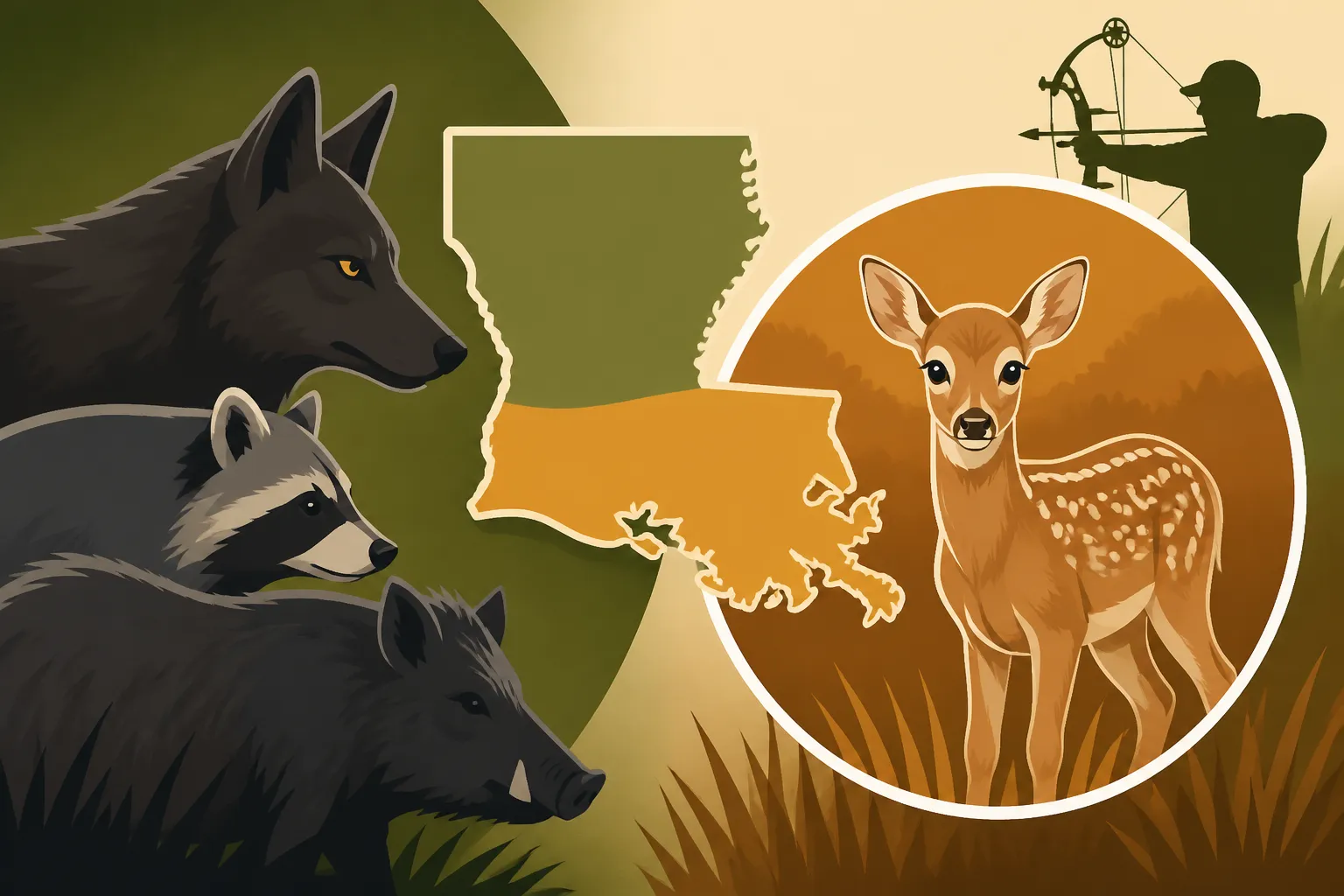
For anyone passionate about deer hunting in Louisiana, there's always a nagging concern: are our fawns making it? You put in the hard work, plant the food plots, and scout relentlessly, only to wonder if the next generation of deer is surviving long enough to grow those impressive racks or even contribute to a healthy, huntable population. It's a real worry, especially with all the talk about predators. This guide is here to shed light on how predators impact fawn recruitment in Louisiana, what that even means for our deer herds, and what we can realistically do about it.
Understanding Fawn Recruitment and Why It's Critical for Louisiana's Deer Herd
When we talk about the future of deer hunting, it all comes back to fawn recruitment. It’s a concept that might sound a bit academic, but it directly translates to how many deer you’ll see in the woods and how healthy the overall population is. If fawns aren't making it to adulthood in sufficient numbers, our deer herds are in trouble, and so are our hunting seasons.
What is Fawn Recruitment?
At its core, fawn recruitment is simply the number of fawns that survive to a point where they are considered "recruited" into the adult population, usually around six months of age or when they are old enough to survive on their own. Biologists often measure this using a "fawn-to-doe ratio," which gives us a snapshot of how many fawns are making it per adult doe. For instance, a ratio of 0.6 fawns per doe means that for every ten adult does, six fawns are surviving. This number is critical because it tells us if the population is growing, stable, or declining.
Why does it matter so much? Because deer are constantly facing challenges: disease, habitat changes, hunting pressure, and, yes, predation. If fawn recruitment is low, it means the population isn't replenishing itself fast enough to overcome these pressures. This can lead to fewer deer overall, potentially impacting antler quality down the line if fewer bucks make it to older age classes. For hunters, it literally means fewer opportunities in the woods. We all want to see a thriving deer population, and that starts with successful fawn recruitment each year.
The Life of a Young Fawn: Vulnerability and Survival Challenges
Imagine being born into a world full of dangers, weighing just a few pounds, and your primary defense is to lie still and hope no one notices you. That's the reality for a newborn Louisiana fawn. For the first few weeks of their lives, fawns are incredibly vulnerable. They are born with a camouflage coat of spots that helps them blend into the dappled light of the forest floor, and they have very little scent to help them avoid detection. Their instinct is to "bed down" and remain motionless, even when a predator is nearby, relying on their mother to draw attention away or return later.
This early period is a tightrope walk. Their tiny bodies aren't yet capable of outrunning a threat, so they depend entirely on concealment. Besides predators, fawns face a gauntlet of other challenges. Severe weather, like heavy rain or sudden cold snaps, can take a toll. Diseases can also strike quickly, especially if the fawn's immune system is still developing. Malnutrition, stemming from poor quality forage for the mother, can also weaken a fawn from birth. But for many, the most immediate and significant threat comes from the array of hungry creatures that share their Louisiana habitat, all looking for an easy meal.
Louisiana's Primary Fawn Predators and Their Tactics
Louisiana is a wild state, and with that wildness comes a diverse cast of predators. While many of these animals play a vital role in the ecosystem, their presence inevitably impacts the survival rates of young deer. Understanding who these predators are and how they operate is the first step in appreciating the challenges our fawns face.
The Ever-Present Threat: Coyotes
If there's one predator that strikes fear into the heart of many deer managers and hunters, it's the coyote. These highly adaptable canids are found in every parish of Louisiana, from the deepest swamps to the suburban fringes. They are incredibly opportunistic, meaning they'll eat just about anything they can get their paws on, and a defenseless fawn is an appealing target. Coyotes didn't always roam Louisiana in such numbers; their expansion into the state is a more recent phenomenon. If you want to dive deeper into their history, we have a great piece on When Louisiana Coyotes First Arrived.
Coyotes can hunt alone or in small packs, and they are incredibly efficient at finding vulnerable prey. During fawning season, which typically spans late spring and early summer in Louisiana, coyotes will actively patrol areas where does are likely to drop their fawns. They have keen senses of smell and hearing, making it difficult for fawns to remain undetected for long. While an adult deer is usually too fast and strong for a single coyote, a newborn fawn offers little resistance. The impact of coyotes on fawn survival can be substantial, especially in areas with high coyote densities and less robust deer populations.
Stealthy Hunters of the Underbrush: Bobcats and Feral Hogs
While coyotes often get the most attention, two other significant players are quietly impacting fawn recruitment: bobcats and feral hogs. Both operate differently but pose a very real threat.
Bobcats are quintessential ambush predators. They are smaller than coyotes but incredibly efficient hunters, using stealth and explosive speed to take down prey. While their primary diet usually consists of rabbits, squirrels, and small birds, a fawn that is bedded down and relying on its camouflage is an easy target for a hungry bobcat. They often hunt in thick cover, which is precisely where does try to hide their newborns. A bobcat doesn't need to chase a fawn far; a quick pounce is often all it takes. Their secretive nature often means their impact goes underestimated, but they are undoubtedly taking a toll on fawn numbers.
Then there are feral hogs. These are not native to Louisiana, and their numbers have exploded across the state, causing immense agricultural damage and ecological disruption. What makes hogs such a problem for fawns is their opportunistic nature and sheer destructive force. While they don't necessarily hunt fawns like a coyote or bobcat, they will absolutely consume a fawn if they stumble upon one. Sows with piglets can be particularly aggressive and, when rooting through cover, can uncover and prey upon bedded fawns. Their widespread presence means that very few areas in Louisiana are free from the threat of feral hogs to fawns. For more on just how prolific these animals are, you might be interested in Why Basin Hogs Reproduce So Fast.
Other Potential Predators: Black Bears and Alligators
Louisiana is home to a few other formidable creatures that, while perhaps not primary fawn predators, can certainly take advantage of an opportunity.
Our recovering black bear population, primarily found in the Tensas and Atchafalaya Basins, and scattered coastal areas, are omnivores by nature. They primarily forage for berries, nuts, insects, and carrion, but they are also opportunistic meat-eaters. If a bear comes across a vulnerable fawn, especially during its active foraging, it won't hesitate to make it a meal. While not a consistent threat across all deer ranges, in areas where bear populations are healthy, such as those discussed in Where Louisiana Black Bears Range Today, they add another layer of predation pressure.
And let's not forget the king of our swamps and marshes: the American alligator. While alligators are primarily focused on prey within or near water, fawns do venture to drink. A fawn lingering too close to a bayou, slough, or marsh pond edge can become an easy meal for a large alligator. This threat is, of course, most pronounced in the dense, watery habitats of south Louisiana, where alligators are plentiful. For more insights into these fascinating reptiles, check out How Many Alligators Live in Louisiana Marsh. While perhaps less frequent than terrestrial predators, their impact in their specific domain is undeniable.
Factors Influencing Predator Impact on Fawn Recruitment
It's not as simple as "more predators equals fewer fawns." The reality is far more nuanced, with several interconnected factors determining just how severe the predator impact on fawn recruitment will be in any given area. Understanding these dynamics is crucial for anyone hoping to see healthy deer numbers.
Habitat Quality and Cover
The old adage "habitat is king" holds especially true for fawn survival. A fawn's primary defense mechanism is concealment. If the habitat offers plenty of dense, thick cover – think briar patches, regenerating clear-cuts, thick palmetto swamps, or dense brushy creek bottoms – fawns have a much better chance of hiding from prying eyes and noses. When does have access to high-quality bedding areas where they can safely drop their fawns, it significantly boosts survival rates.
Conversely, in areas with poor habitat quality, where cover is sparse due to extensive clear-cutting without proper regrowth, overgrazing, or conversion to open agricultural fields, fawns are left exposed. An open landscape is a predator's playground, making it much easier for coyotes to spot movement or for feral hogs to root through the limited available cover. This is where using scouting tools like GoHunt can really shine. By analyzing aerial imagery and habitat types, you can identify areas on your property or public land that offer optimal fawn cover versus those that might be death traps. Good habitat doesn't just provide food; it provides security, which is paramount for fawn survival.
Predator Density and Alternate Food Sources
Another critical factor is the sheer number of predators in an area and the availability of their preferred, or "alternate," food sources. If you have a skyrocketing coyote population with very little other small game like rabbits, rodents, or ground-nesting birds, then fawns naturally become a more significant part of their diet. It's a supply-and-demand situation: high predator density combined with low buffer prey means fawns will face immense pressure.
On the other hand, if an area supports a healthy population of rabbits, squirrels, and other small game, predators like coyotes and bobcats might key in on those easier, more abundant meals first. Fawns still remain a potential meal, but they aren't the only option. This dynamic often shifts throughout the year. As other prey populations fluctuate, so too can the pressure on fawns. It's why healthy ecosystems with diverse prey bases tend to have more resilient deer herds, even in the presence of predators.
Human Intervention and Management Strategies
The actions of humans, both intentional and unintentional, also play a huge role. Habitat manipulation, whether through timber operations, farming practices, or targeted wildlife management, directly affects where fawns can hide and where predators can hunt. For example, leaving unharvested strips of crops or managing early successional habitat can provide crucial cover.
More directly, human intervention in predator populations can also influence fawn recruitment. This includes hunting and trapping efforts aimed at reducing coyote or feral hog numbers. Many landowners and hunt clubs engage in active predator control programs, especially just before or during the fawning season, to try and give fawns a better chance. Tools like GoHunt can help identify potential travel corridors for predators based on terrain and vegetation, guiding where to set traps or focus hunting efforts. Understanding the specific regulations around these activities, such as Running a Trapline in Rural Louisiana or Louisiana Feral Hog Trapping Rules, is absolutely essential to ensure you're managing predators legally and effectively. It’s a complex balance, but human involvement can certainly tip the scales in favor of fawn survival.
Mitigating Predator Impact: What Hunters and Landowners Can Do
Understanding the problem is one thing, but taking action is where the real work begins. While you can't eliminate all predators, there are concrete steps hunters and landowners can take to give fawns a better chance at survival and boost overall deer recruitment in Louisiana.
Habitat Improvement: Giving Fawns a Fighting Chance
The single most effective strategy you can implement is to focus on habitat. Predator control alone is often a temporary fix if the underlying habitat doesn't support fawn survival. Fawns need dense cover to hide in, especially during their first few vulnerable weeks.
Consider creating or enhancing bedding areas. This might involve hinge-cutting undesirable trees to create thickets, promoting dense understory growth through selective timber harvests, or even planting specific native shrubs that provide good concealment. A tangled briar patch or a dense stand of young pines can be a sanctuary for a fawn, making it much harder for a coyote or bobcat to find them. If you're managing land, think about how to diversify your habitat; a mosaic of open feeding areas, dense bedding cover, and escape routes gives deer, and especially fawns, the best chance. Using tools like GoHunt can help you visualize current cover types and plan where to create these crucial safe zones. Furthermore, strategic use of prescribed burns can create early successional habitat that offers both cover and browse, providing a double benefit for deer.
Strategic Predator Management
While habitat is primary, active predator management can certainly help in localized areas, particularly if predator numbers are unusually high. This doesn't mean trying to wipe out every predator, but rather focusing efforts during critical times, like fawning season.
For coyotes, trapping can be highly effective, especially when focused on individual animals or family groups that are consistently working deer fawning grounds. Hunting coyotes, particularly at night where legal, can also help reduce their numbers. Remember to always check Night Hog Hunting Light Rules in Louisiana and other local regulations. Feral hogs are an even more direct target for management, given their destructive nature and non-native status. Trapping hogs consistently, especially with large corral traps, can remove significant numbers, thereby reducing their opportunistic predation on fawns. Running dogs on hogs, where permitted, is another effective method. The key is consistent, strategic effort during the fawning period. This proactive approach can significantly increase the number of fawns that make it past their most vulnerable stage.
Monitoring and Data Collection
You can't manage what you don't measure. One of the best things you can do is monitor your local deer population and predator activity. Trail cameras are invaluable for this. By placing cameras strategically, especially along suspected travel corridors or near known fawning areas, you can gather crucial data. You'll see not only fawns but also get a sense of the predator species and their activity levels. Where to Hang a Camera on a Logging Road is a great place to start learning about camera placement.
Keeping records of fawn sightings relative to doe sightings can give you a rough idea of your local fawn-to-doe ratio, helping you understand if your management efforts are making a difference. Observing deer behavior, such as does showing distress or fawns exhibiting signs of predation, can also provide clues. Don't be afraid to connect with your local Louisiana Department of Wildlife and Fisheries (LDWF) biologists; they are a wealth of information and can offer insights specific to your region. Combining your own observations with regional data can give you a powerful understanding of what's happening on your land and how best to improve fawn recruitment.
| Predator Species | Primary Threat to Fawns | Hunting/Trapping Method | Legal Status in Louisiana |
|---|---|---|---|
| Coyote | Direct Predation | Trapping, Hunting | Year-round, no bag limit |
| Feral Hog | Opportunistic Predation | Trapping, Hunting | Year-round, no bag limit |
| Bobcat | Direct Predation | Trapping, Hunting | Seasonal, regulated |
| Black Bear | Opportunistic Predation | Hunting (Lottery Tag) | Extremely limited, regulated |
| Alligator | Opportunistic Predation | Hunting (Lottery Tag) | Extremely limited, regulated |
Disclaimer
This article is for general informational purposes only and does not constitute professional advice. Laws, prices and regulations vary by location and change over time. Consult a qualified professional for guidance on your specific situation.