Louisiana Feral Hog Trapping Rules
It's no secret that Louisiana's landscape, from its sprawling coastal marshes to its dense pine forests, is battling a persistent and destructive force: the feral hog. These intelligent, prolific animals wreak havoc on agricultural fields, devastate sensitive wetland habitats, and even pose a threat to native wildlife, leaving many landowners and hunters scratching their heads about the most effective ways to combat them. This guide aims to cut through the confusion and lay out the precise rules and best practices for trapping feral hogs in Louisiana, offering clear, actionable information to help you manage this pervasive issue legally and effectively.
The Unrelenting Feral Hog Problem in Louisiana
If you've spent any time in rural Louisiana, you've likely seen the tell-tale signs of feral hogs: torn-up fields, rooted-up bottomlands, and wallows caked in mud. They are an ecological and economic nightmare, seemingly appearing out of nowhere and multiplying faster than you can say "hog dog." The sheer volume of pigs across the state makes conventional hunting a challenge to truly manage populations, leading many to explore more passive, yet highly effective, methods like trapping.
Why Feral Hogs Are Such a Menace
The challenges these hogs present are immense. They aren't native to North America; they're descendants of domestic pigs brought over centuries ago that either escaped or were released, quickly adapting to the wild. Unlike our native white-tailed deer, which have a specific breeding season and typically one to two fawns, feral sows can breed year-round, often having multiple litters of six to twelve piglets annually. This incredible reproductive rate means that even if you take out a dozen hogs from an area, that void can be filled surprisingly quickly.
Their rooting behavior, a natural instinct for pigs, turns productive farmland into moonscapes, damages critical infrastructure like levees and irrigation systems, and destroys natural plant communities essential for other wildlife. From the cypress-tupelo swamps of the Atchafalaya Basin to the agricultural heartland of northeast Louisiana, the destructive footprint of these animals is undeniable. Understanding How Wild Hogs Spread Across Louisiana and the specific Crop Damage Hogs Cause in Louisiana truly drives home the urgency of effective management.
The Role of Trapping in Hog Management
For many, especially those dealing with large sounders or in areas where hunting pressure is inconsistent, trapping offers a strategic advantage. It allows for the removal of multiple animals at once, including sows and piglets, which is crucial for impacting population growth. While traditional hunting methods like still-hunting, ambushing, or even Running Dogs on Louisiana Feral Hogs can be thrilling, trapping provides a more consistent, albeit less active, form of control. It’s particularly effective when you're targeting specific areas where hogs are causing the most damage, or when you want to minimize disturbance to other game animals.
Understanding Louisiana's Legal Framework for Hog Trapping
Navigating the rules for managing feral hogs can feel a bit like wading through a cypress swamp in the dark – confusing and full of hidden snags. Fortunately, the Louisiana Department of Wildlife and Fisheries (LDWF) recognizes the severity of the feral hog problem and has put regulations in place that reflect their status as a nuisance, rather than a traditional game animal. This means many of the usual hunting rules are relaxed when it comes to hogs, especially on private land.
Private Land Versus Public Land Regulations
The most significant distinction in Louisiana's feral hog trapping rules revolves around land ownership. On private property, landowners have significant latitude to manage feral hogs. There's virtually a Louisiana's Year-Round Hog Rule on Private Land for removal. This is a huge relief for farmers and property owners who are dealing with constant destruction. You don't need a hunting license to trap hogs on your own private land, nor is there a closed season or bag limit. The goal is eradication or control.
However, when it comes to public lands, such as Wildlife Management Areas (WMAs) or National Forests, the rules become much stricter. Generally, trapping feral hogs on public land is prohibited without specific permits or during designated control efforts managed by the LDWF or the land agency. These areas have different management goals, often prioritizing native wildlife and hunter safety, so indiscriminate trapping is not allowed. Always check the specific WMA regulations or National Forest rules before even considering trapping on public ground; it's a good habit to get into for any species you pursue.
Licensing, Seasons, and Legal Methods
For private land trapping, as mentioned, no hunting license is required if you are the landowner or have explicit permission. If you are trapping on private land where you are not the landowner, it's always best to carry proof of permission, just in case. The good news is, there are no closed seasons or bag limits for feral hogs statewide, regardless of whether you're hunting or trapping. They can be removed year-round, twenty-four hours a day.
When it comes to legal methods for trapping, Louisiana is quite accommodating. Generally, any type of live trap designed for hogs is permitted. This includes:
- Box Traps: Smaller, single-entry traps for individual hogs or small groups.
- Cage Traps: Similar to box traps but often larger, also for smaller groups.
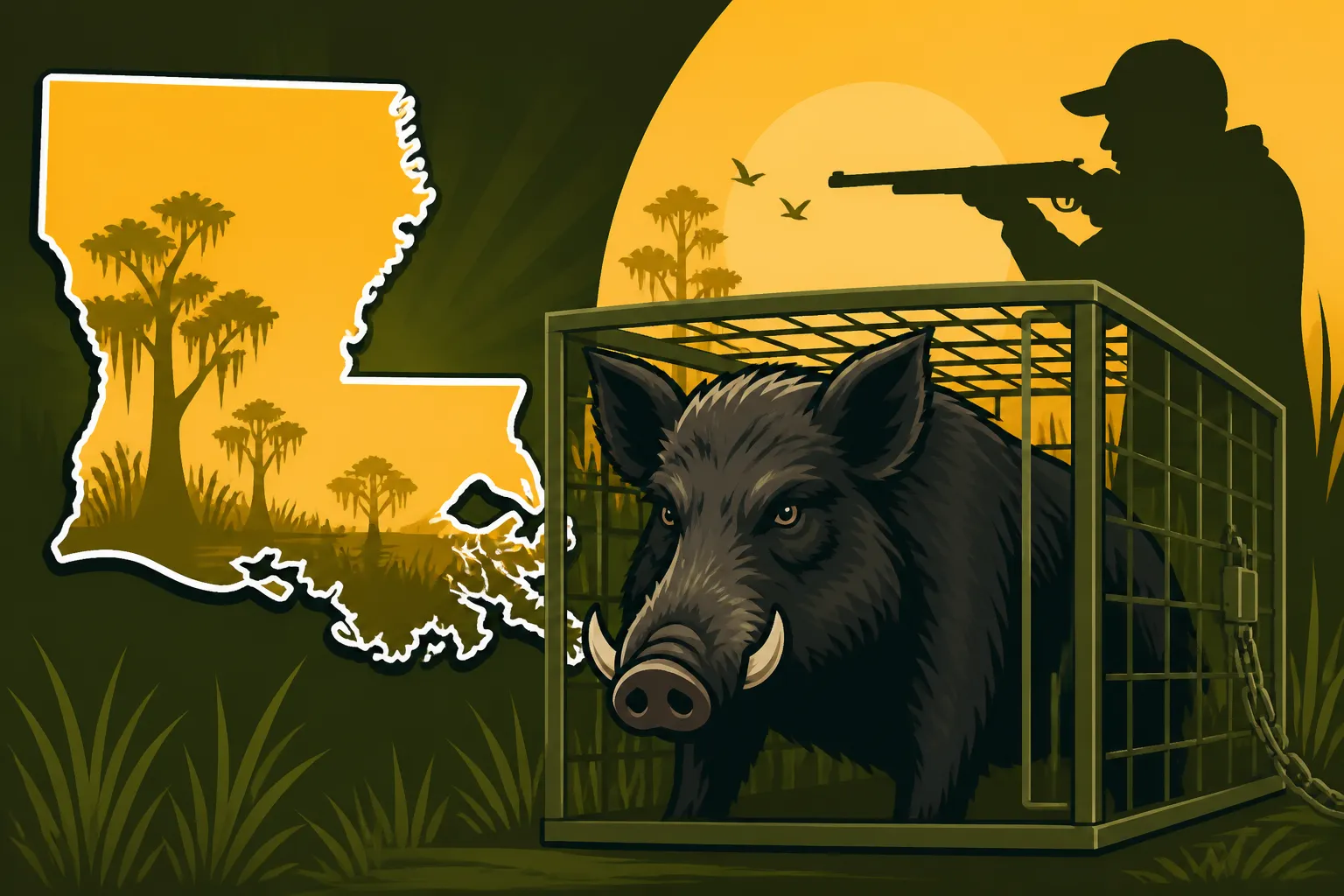
- Corral Traps: Large, often circular or square enclosures designed to capture entire sounders (groups of hogs). These typically have a one-way door or drop gate mechanism.
- Snares: While some states allow snares, Louisiana's regulations regarding snares for hogs are more nuanced. It's critical to ensure any snare used is legal for the species and location, and that it minimizes harm to non-target animals. The LDWF provides detailed specifications for legal snares, often requiring break-away mechanisms and specific cable sizes. Always double-check current regulations before deploying snares, as they are often more restrictive than live traps.
The key takeaway is that active pursuit and trapping of hogs is encouraged, and the state's Louisiana Feral Hog Regulations are designed to facilitate this, providing broad allowances for their removal.
Table: Overview of Louisiana Feral Hog Trapping Rules
To help simplify the core differences, here’s a quick overview:
| Feature | Private Land Trapping | Public Land Trapping |
|---|---|---|
| Hunting License Req. | No (for landowner/with permission) | Generally No (but often prohibited entirely) |
| Season | Year-round | Varies by WMA/NF, often prohibited (check rules) |
| Bag Limit | No limit | No limit (if permitted) |
| Allowed Trap Types | Box, Cage, Corral, (specific) Snares | Generally Prohibited (check specific WMA/NF rules) |
| Baiting | Yes, generally allowed | Generally Prohibited (check specific WMA/NF rules) |
| Night Trapping | Yes | Generally Prohibited |
| Reporting Requirement | No | No (unless part of specific LDWF program) |
| Permission | Required from landowner (written recommended) | Required from LDWF/Land Agency (often not granted) |
It's clear that private landowners have the most flexibility. However, even on your own land, ethical considerations and proper handling of captured animals are paramount.
Choosing and Deploying Effective Hog Traps
Once you've wrapped your head around the legalities, the next step is getting your hands dirty with the actual trapping. This isn't just about setting a trap; it's about strategy, understanding hog behavior, and creating a setup that maximizes your chances of success while minimizing risks to non-target animals.
Selecting the Right Trap for Your Needs
The choice of trap often depends on the scale of your problem and the resources you have. For a few nuisance hogs, a sturdy, well-built box or cage trap might suffice. These are generally easier to move and set up by one person. However, if you're dealing with a large sounder that's constantly moving through your property, a large corral trap will be far more effective. Corral traps can often capture an entire family group, which is crucial for actually reducing population numbers, as leaving even a few hogs behind can quickly lead to repopulation.
When considering a trap, look for durable construction. Hogs are incredibly strong and intelligent; a flimsy trap won't hold them for long. Heavy-gauge mesh or solid panels are ideal. Pay attention to the trigger mechanism – drop gates or swing gates that activate easily when hogs enter are crucial. Some modern corral traps, like those offered by Jager Pro or Boar Buster, feature wireless remote triggers, allowing you to observe hogs entering the trap over several days via trail cameras and then close the gate only when the entire sounder is inside. These smart trapping systems can drastically improve your success rate and efficiency.
Strategic Placement and Baiting Techniques
Placement is everything. Don't just plop a trap down randomly. You need to scout for hog sign: fresh rooting, tracks, scat, and wallows. Hogs are creatures of habit, often using the same travel corridors between bedding areas, water sources, and feeding grounds. Place your trap along these established trails or near areas where they are actively feeding or watering. A good mapping platform like GoHunt can be incredibly useful here. You can use it to pinpoint specific areas of damage on your property, analyze terrain for natural funnels, and identify potential bedding cover where hogs might be hiding. Marking these observations on your GoHunt map can help you visualize the best trap locations.
Baiting is your secret weapon. Hogs are omnivores, but they have a particular fondness for fermented corn. The smell attracts them from a distance. Start by pre-baiting an area for several days or even a week without setting the trap. This gets them accustomed to feeding at that location and builds their confidence. Once they're consistently hitting the bait, set the trap, continuing to bait generously inside and around the entrance. Other effective baits include soured grain, stale pastries, or even commercially available hog attractants. Knowing how to create an effective Building and Freshening a Hog Bait Site is a skill that will greatly enhance your trapping success.
Handling Trapped Hogs and Staying Compliant
So, you've successfully lured a sounder into your trap. Now what? This is where ethical considerations and legal compliance are critical. Dealing with live, captured feral hogs requires a clear plan of action, not just for your safety, but for responsible management.
Ethical Dispatch Methods and Safety
The most common and humane method for dispatching trapped feral hogs is a single, well-placed shot to the brain. A .22 caliber rimfire rifle or pistol is typically sufficient for this at close range. Always prioritize safety: ensure a clear backdrop, maintain control of the firearm, and approach the trap cautiously. Hogs, even when contained, can be dangerous and surprisingly quick. Make sure the animal is dispatched swiftly and humanely.
It's important to understand that relocating feral hogs, even to another part of your property or a different property, is generally illegal and highly discouraged by LDWF. Relocating hogs simply spreads the problem to new areas, potentially introducing diseases and exacerbating ecological damage. The goal of trapping is removal, not redistribution. This is why a guide to Shot Placement on a Feral Hog is not just for hunters, but for trappers too.
Disposal and Reporting Requirements
After dispatching the hogs, you'll need to dispose of the carcasses responsibly. For a few hogs, burying them deeply on your property is a common practice. For larger numbers, especially in warmer weather, you may need to contact local authorities or waste management services for guidance on proper disposal, as leaving multiple carcasses exposed can create health hazards and attract other nuisance animals. In some agricultural areas, composting facilities may accept carcasses, but verify this beforehand.
Currently, Louisiana does not have a mandatory reporting requirement for feral hogs harvested or trapped on private land. This is another indication of their status as an invasive pest. While the LDWF tracks overall population trends, individual removal efforts are not typically logged. However, if you are trapping as part of a specific research or control program, or if you're participating in a WMA-specific effort, there might be reporting requirements associated with that particular initiative. Always read the fine print.
Addressing Non-Target Catches
One of the downsides of passive trapping is the potential for catching non-target animals, like deer, raccoons, or even domestic animals. This is where trap design and placement become even more critical. Regularly check your traps – ideally twice a day, especially in warm weather – to ensure any unintended captives can be released quickly and safely. If you catch a non-target game animal, like a white-tailed deer, it should be released unharmed if possible. If you inadvertently injure a protected species or a domestic animal, contact the LDWF or local animal control immediately for guidance. Using exclusion panels or smaller trap entrances can help reduce by-catch of larger non-target animals.
Trapping is an effective, year-round strategy for combating Louisiana's feral hog problem. By understanding the regulations, employing smart trapping techniques, and adhering to ethical practices, you can make a significant difference in protecting your property and our state's precious natural resources from these destructive invaders. Remember, vigilance and consistent effort are key to keeping feral hog populations in check. For more insights on hog control, you might find information on Trapping Louisiana Feral Hogs or even Night Hunting Hogs With Lights on Private Land helpful for a holistic approach.
Disclaimer
The information provided in this guide is for general informational purposes only and is not intended as legal advice. Hunting and trapping regulations can change, and it is the responsibility of the individual to verify all current rules and laws with the Louisiana Department of Wildlife and Fisheries (LDWF) before engaging in any hunting or trapping activities. Always prioritize safety and ethical practices.