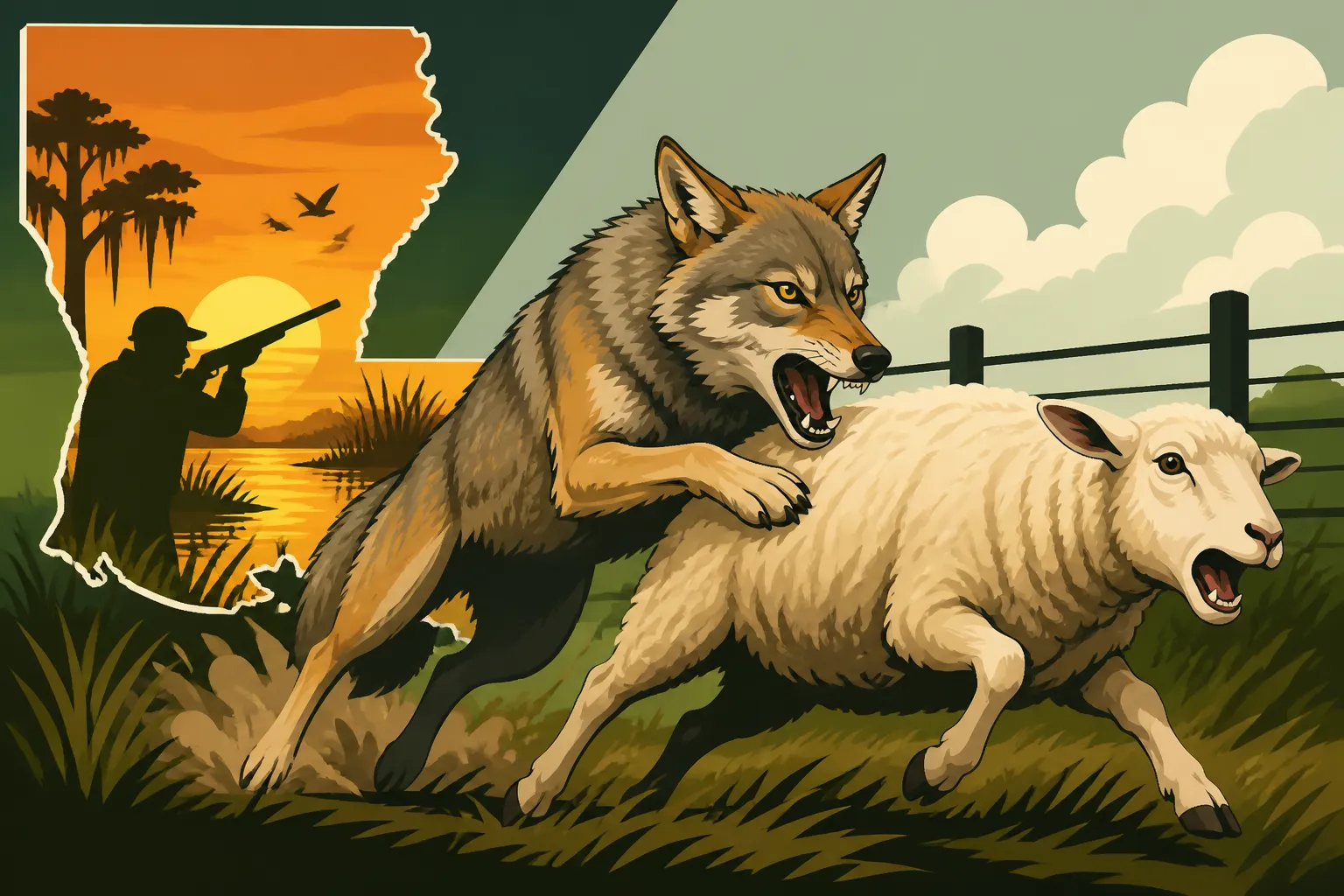
Louisiana Coyote Attacks on Livestock
Losing livestock to predators is one of the most heartbreaking and financially devastating challenges a Louisiana farmer or rancher can face. It's not just about the monetary loss of an animal; it's about the hours of care you've poured into your herd, the trust you've built with your animals, and the sheer frustration of feeling helpless against a threat that often strikes in the dark. This guide is here to shed light on the reality of coyote attacks on livestock in our great state, helping you understand why they happen and, more importantly, what you can do to protect your livelihood and your animals.
Understanding the Coyote Threat to Livestock in Louisiana
Coyotes are incredibly adaptable animals, and while they play a natural role in our ecosystem, their presence can certainly be a headache for anyone raising livestock. They've learned to thrive alongside humans, often making their homes closer to our farms and ranches than we'd prefer. When natural food sources become scarce, or an easy meal presents itself, livestock can unfortunately become a target.
Why Coyotes Target Livestock
It's easy to villainize a coyote that has killed one of your animals, and that pain is absolutely valid. But from a coyote's perspective, they're simply opportunistic predators looking for the most efficient way to feed themselves and their pups. Louisiana's landscape, with its mix of woodlands, fields, and wetlands, provides ample habitat for coyotes. When their usual prey like rabbits, rodents, and small deer become harder to find, or when an especially harsh winter or dry spell hits, those domestic animals grazing in your pasture start looking very appealing. Young, sick, or unattended animals are particularly vulnerable. It's a cruel reality of nature's balance, but understanding their motivation is the first step in outsmarting them.
Common Livestock Vulnerabilities
Certain types of livestock, and certain situations, make animals more susceptible to coyote predation. Calves are perhaps the most common targets, especially during calving season. A newborn calf is slow, inexperienced, and often left alone by its mother for periods, making it an easy mark. Lambs and goat kids fall into a similar category. Even adult sheep and goats, with their smaller stature compared to cattle, are at higher risk. Poultry—chickens, ducks, turkeys—are practically a buffet for coyotes if not adequately secured.
Beyond the type of animal, the time of day and night also plays a huge role. Coyotes are often most active during dawn, dusk, and nighttime hours, which coincides with when livestock are typically less supervised and predators feel more emboldened under the cover of darkness. Pasture conditions matter, too. If your pastures have dense brush, tall weeds, or wooded edges right up to the grazing areas, it provides perfect cover for a coyote to stalk and ambush without being seen. You'll want to read up on Louisiana Coyote Range and Density to get a better feel for where these critters are most prevalent.
Signs of a Coyote Attack Versus Other Predators
When you find an injured or deceased animal, it's a gut-wrenching moment. The first question that often comes to mind is, "What did this?" Distinguishing a coyote attack from, say, a domestic dog, bobcat, or even a hog can be crucial for proper management.
Coyotes typically target the throat and neck of larger prey like calves, causing severe hemorrhage. You might find puncture wounds that are relatively small but deep, usually spaced about an inch or two apart. They'll often feed on the hindquarters or abdominal cavity first. With smaller animals like sheep or goats, they might attack anywhere, but the throat remains a common target. Look for signs of a struggle around the carcass – disturbed earth, broken branches, or dragged tracks. If the animal was dragged a distance, that's often a tell-tale sign of a predator.
Domestic dog attacks, while also devastating, often show more widespread, haphazard bites across the body, and the feeding pattern can be less systematic. Hogs, especially larger feral hogs, might chew on bones and leave blunt force trauma, but their bite marks are different. Scat can also be an indicator: coyote scat often contains hair and bone fragments, and you might find it near the kill site or along common travel paths. Tracks are another key piece of evidence. Coyote tracks are generally more oval-shaped than a domestic dog's, and their two front toes often appear closer together.
Proactive Measures to Protect Your Animals
Feeling proactive can help alleviate some of that helplessness. While there's no foolproof method to eliminate all risk, implementing a multi-layered defense strategy can significantly reduce your chances of experiencing a coyote attack. It’s about making your livestock a less appealing and harder target.
Fencing and Barriers
Good fencing is your first line of defense, but not all fences are created equal when it comes to keeping coyotes out. A standard barbed-wire fence might keep cattle in, but a coyote can easily slip right under or through it. Woven wire fences, often called "net wire" or "field fence," are a much better option, especially if they are at least five feet tall and have a tight mesh. Burying the bottom few inches of the fence can deter digging.
For an even stronger deterrent, consider adding an electric strand, or even multiple strands, to your existing fence. A "hot" wire at ground level can shock a digging coyote, while another at the top can deter jumping. While the initial investment in robust fencing can be significant, weigh that against the potential loss of multiple animals. Many farmers have found that a well-maintained, electrified woven wire fence has paid for itself many times over by preventing depredation. Regularly inspect your fences for breaches or weak spots, as coyotes are persistent and will exploit any vulnerability.
Guard Animals
This is a strategy that many Louisiana producers have found incredibly effective. Guard animals act as a living, breathing deterrent, often bonding with the livestock they protect.
- Guard Dogs: Breeds like Great Pyrenees, Anatolian Shepherds, and Akbash are renowned for their protective instincts. They typically live with the herd from a young age, forming a strong bond. Their presence, barking, and willingness to confront predators can send coyotes packing. However, they require careful selection, proper training, and ongoing care. Not all dogs are suited for the job, and you need to ensure they are well-socialized with your livestock, not aggressive toward humans, and content to stay with their herd.
- Donkeys: A single, assertive jenny (female donkey) or gelding can be an excellent guard for sheep, goats, and even calves. Donkeys have a natural aversion to canids and will often chase, kick, and even stomp coyotes. They're typically lower maintenance than dogs, but like dogs, their temperament is key. Some donkeys are better suited for guarding than others.
- Llamas: Like donkeys, llamas can be good at deterring coyotes, especially smaller ones. They're known to be attentive and will often confront perceived threats.
The effectiveness of guard animals depends heavily on individual temperament and the specific predator pressure in your area. They add another layer of complexity to your farm management, but for many, they're an invaluable asset.
Habitat Management Around Pastures
Think about your property from a coyote's point of view. Where would they hide? Where would they approach from? By managing the habitat directly surrounding your pastures, you can make your farm less inviting for predators.
- Clear Dense Cover: Mowing or clearing dense brush, tall weeds, and overgrown fencerows near your pastures removes ambush sites. Coyotes prefer to stalk from cover, so creating a wide, open buffer zone makes them more exposed and less likely to approach.
- Remove Attractants: Secure pet food, garbage, and anything else that might draw scavengers, which in turn can draw coyotes. If you feed livestock, try to do so in open areas, away from dense cover, and clean up spilled feed promptly.
- Control Rodent Populations: While coyotes primarily target larger game, a high population of rodents can still attract them to your property. Good rodent control can reduce one aspect of their opportunistic diet.
When planning these measures, using a robust mapping tool can be incredibly helpful. An app like GoHunt allows you to overlay property lines, topographic maps, and satellite imagery to identify areas of dense cover, potential travel corridors, and even locate your herd's preferred bedding areas. This visual aid can be invaluable for strategic clearing and pasture placement.
Smart Pasture Management
Beyond physical barriers and guard animals, how you manage your livestock can also make a big difference.
- Nighttime Confinement: For your most vulnerable animals, like pregnant cows, birthing ewes, or young calves and kids, bringing them into predator-proof enclosures or barns at night can be a simple yet highly effective strategy. Even a sturdy corral with good lighting can deter many coyotes.
- Concentrated Birthing: If possible, time your calving or lambing season to occur when you can provide the most supervision, and perhaps in more secure, smaller pastures closer to your homestead.
- Regular Presence: Your presence alone can be a deterrent. Regularly checking on your livestock, especially at dawn and dusk, can make coyotes wary.
- Carcass Removal: Promptly remove and properly dispose of any dead livestock. Leaving carcasses in the field can attract coyotes and other scavengers, signaling an easy food source.
Using an app like GoHunt to mark and monitor your grazing rotations, birthing pastures, and even potential coyote sightings can help you implement these strategies more effectively. Knowing your land intimately is key, and digital mapping tools can augment that knowledge dramatically.
Active Management and Depredation Control
Sometimes, despite all your proactive measures, coyotes still become a problem. In these situations, more active intervention might be necessary. It’s about targeted removal to alleviate the immediate threat to your livestock.
Lethal Control Options: Hunting and Trapping
Louisiana law allows for the hunting and trapping of coyotes, often with fewer restrictions than for other game animals due to their status as nuisance predators. However, you absolutely need to know the rules, as they can vary depending on whether you're on private land or certain public land types. For instance, Louisiana Coyote Hunting Season Rules outlines general regulations, but specific WMA rules might differ.
- Hunting: Coyote hunting can be done year-round on private land, often without bag limits. Techniques like predator calling can be highly effective. Using distress calls or prey sounds can draw coyotes in. This requires patience, skill, and often specialized equipment. Predator Calling Louisiana Farm Country can offer some great insights into this. Night hunting with lights is also an option on private land under specific conditions, which you can learn more about in Night Hunting Rules for Louisiana Coyotes. Remember, ethical hunting practices and safety are paramount.
- Trapping: Trapping is another highly effective method for removing problem coyotes. Foothold traps, snares, and cage traps can all be used. However, trapping requires a good understanding of coyote behavior, trap placement, and local regulations. A trapper's license is usually required, and you must adhere to checking schedules and humane dispatch methods. Running a Trapline in Rural Louisiana can provide more detail on this often-misunderstood practice.
Before embarking on any lethal control method, ensure you are fully aware of all state and local laws, and if on shared land or near neighbors, communicate your intentions to avoid conflict. Again, GoHunt can be used to mark trap locations, identify potential coyote travel corridors based on sign, and help you understand property boundaries to ensure you're operating legally and safely.
Working with Wildlife Services and Local Authorities
You don't have to face this challenge alone. The Louisiana Department of Wildlife and Fisheries (LDWF) often has resources and information available. They might be able to offer advice, connect you with professional trappers, or provide assistance with depredation permits in specific circumstances. Reporting attacks to your local LDWF office or extension agent can also help them track predator issues in your area, which contributes to broader wildlife management strategies.
In some cases, especially if depredation is severe or persistent, professional wildlife services or licensed trappers may be your best bet. They have the expertise, equipment, and experience to efficiently and legally remove problem coyotes. While there might be a cost associated, the peace of mind and protection of your herd can be well worth it.
Ethical Considerations and Community Impact
While protecting your livestock is paramount, it's also important to consider the broader ethical and community implications of predator control. Coyotes are a part of Louisiana's ecosystem, and total eradication is neither feasible nor desirable. The goal is often targeted management of problem individuals or populations, rather than widespread elimination.
When implementing control measures, be mindful of non-target animals. Traps, for example, should be deployed carefully to avoid catching domestic pets or other wildlife that isn't causing a problem. Communication with neighbors is key, especially if your control methods could extend near their property lines. You'll want to understand laws like Louisiana Trespass and Permission Law if you suspect coyotes are coming from neighboring property, or if your methods might impact them. A thoughtful, responsible approach ensures that you're addressing your livestock protection needs while also being a good steward of wildlife and a considerate neighbor.
The Emotional and Financial Toll
Let's be real for a moment. Dealing with coyote attacks isn't just a management issue; it hits you where it hurts, both in your heart and in your wallet. It's important to acknowledge that this isn't just about statistics or strategies.
Beyond the Bottom Line
The emotional toll of losing an animal to a predator is immense. Farmers and ranchers often form deep bonds with their livestock. Each calf, lamb, or kid represents hard work, hope, and the future of their operation. Finding an animal killed by a coyote can evoke feelings of grief, anger, frustration, and even a sense of failure. It's stressful, exhausting, and can weigh heavily on your mental well-being. Knowing that you're not alone in feeling this way, and that these feelings are valid, is important. It's a tough part of livestock farming, and it's okay to acknowledge how deeply it affects you.
The Economic Reality
From a purely financial standpoint, the costs associated with coyote depredation are staggering for producers.
| Cost Type | Description | Impact |
|---|---|---|
| Direct Loss | Value of the animal lost (calf, lamb, chicken, etc.) | Immediate reduction in potential income/assets |
| Reduced Productivity | Stress on the herd, potential for injury, decreased weight gain | Long-term impact on herd health and market value |
| Preventative Measures | Cost of fencing, guard animals (purchase, feed, vet care), habitat clearing | Upfront and ongoing expenses to mitigate risk |
| Active Control | Traps, calling equipment, licenses, professional trapper fees | Additional expenses incurred when proactive measures aren't enough |
| Time & Labor | Time spent monitoring, repairing fences, deploying control, carcass removal | Diverted resources from other farm tasks, increased workload |
| Veterinary Care | For injured animals that survive attacks | Unexpected medical costs, potential for lingering health issues |
These costs can quickly add up, especially for smaller operations or during times when commodity prices are already tight. The financial strain can compound the emotional stress, creating a challenging cycle for Louisiana livestock producers. This is why a comprehensive, multi-faceted approach to coyote management isn't just about protecting animals; it's about protecting your farm's viability and your own peace of mind. Getting organized with tools like GoHunt can help you manage your resources and track your efforts effectively, ensuring your investments in protection are well-placed.
Disclaimer
This article is for general informational purposes only and does not constitute professional advice. Laws, prices and regulations vary by location and change over time. Consult a qualified professional for guidance on your specific situation.