Louisiana Coyote Hunting Season Rules
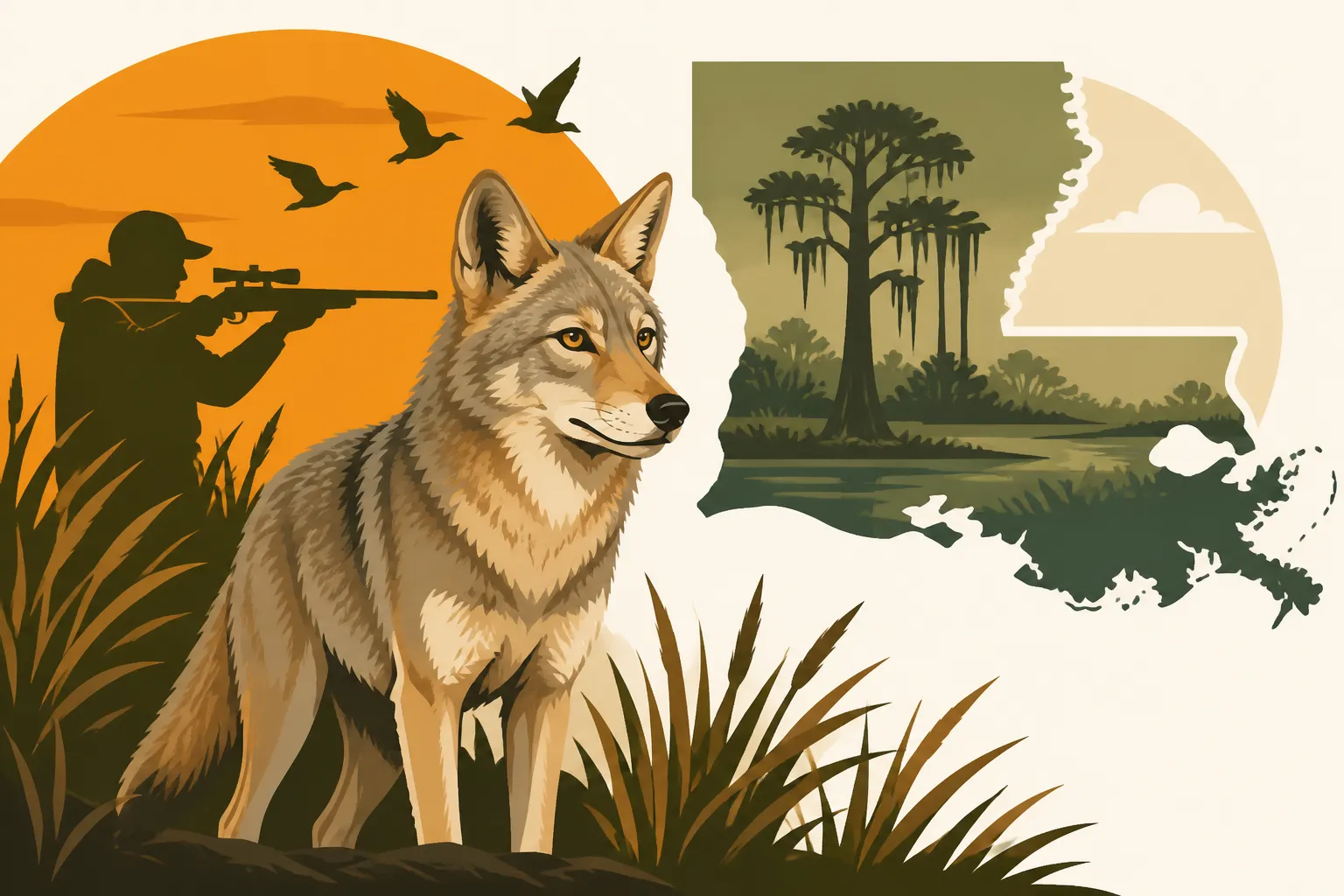
Many hunters find themselves scratching their heads when it comes to hunting coyotes in Louisiana. Unlike the structured seasons and strict bag limits for deer or turkeys, the rules for pursuing these cunning predators can seem a bit nebulous. This guide is designed to cut through the confusion, offering a clear, comprehensive look at Louisiana's coyote hunting season rules, legal methods, and best practices, so you can confidently head into the field to help manage these prevalent canids.
The Year-Round Nature of Coyote Hunting in Louisiana
When you start digging into the regulations for hunting most game species in Louisiana, you're immediately hit with a calendar full of dates: archery season opens here, primitive firearms there, and gun season kicks off on this day. It’s a very defined framework. However, when it comes to coyotes, you'll find a striking difference. These animals don't fit neatly into those boxes, and understanding why is key to understanding the rules surrounding them.
Understanding the "Unprotected" Status
In Louisiana, coyotes are officially classified as an "unprotected quadruped." What does that truly mean for a hunter? It means a significant departure from how we approach whitetail deer or wild turkeys. Specifically, there is no closed season for coyotes. You can hunt them 365 days a year. Furthermore, there is no daily or seasonal bag limit. If you have the opportunity to harvest multiple coyotes in a single outing, you are legally permitted to do so. This status also implies that hunters do not need specific coyote tags or special permits beyond their standard hunting license. It's a clear signal from the Louisiana Department of Wildlife and Fisheries (LDWF) that their population is robust and management through hunting is encouraged.
This designation makes coyote hunting a fantastic option for staying active outdoors during the off-season for other species, or as an opportunistic pursuit during regular hunting trips. While you're out Scouting Louisiana Public Land Before Season for deer sign, or waiting for ducks to fly into your spread, you might encounter a coyote, and you're within your rights to take it, provided you adhere to all other general hunting regulations and land-specific rules. It’s a completely different paradigm compared to the highly regulated seasons for most other animals.
Why Coyotes Are Treated Differently
The "unprotected" status for coyotes isn't an oversight; it's a deliberate management strategy rooted in their ecological impact and rapid reproductive capabilities. Coyotes are incredibly adaptable animals, thriving in diverse habitats across Louisiana, from the dense swamps to the piney uplands and agricultural fields. Their populations can grow quickly due to large litter sizes and their ability to utilize a wide range of food sources. This adaptability, while impressive, often puts them in direct conflict with human interests and native wildlife.
One of the primary reasons for their unregulated status is their predatory impact on game species. Coyotes are opportunistic hunters, and studies, including those by LDWF, have shown they can prey heavily on fawns, turkey poults, and other small game animals. In areas with high coyote densities, this predation can significantly affect the recruitment rates of deer and turkey populations. Additionally, coyotes are known to depredate livestock, such as calves and sheep, and can pose a threat to domestic pets, particularly in rural and semi-rural areas. By allowing year-round, unrestricted hunting, the state aims to provide landowners and hunters with tools to mitigate these impacts and help maintain a healthier balance within the ecosystem. It's about recognizing them as a pervasive Louisiana Coyote Range and Density that requires continuous management.
Legal Methods and Restrictions for Coyote Hunting
While there's no season or bag limit, that doesn't mean it's a free-for-all. Coyote hunting in Louisiana, like any other hunting activity, is governed by specific rules regarding what equipment you can use and how you can use it. Understanding these regulations is crucial to ensure a legal and safe hunt, whether you're targeting them during the day or under the cover of darkness.
Firearms and Ammunition Regulations
For coyote hunting, Louisiana offers considerable flexibility when it comes to firearms and ammunition, a stark contrast to the often-specific requirements for deer or waterfowl. You can typically use rifles, shotguns, handguns, and even archery equipment. For rifles, there are generally no caliber restrictions, meaning you can use anything from a .22LR for close-range shots to larger calibers like .223/5.56, .243, or even bigger for extended ranges. The choice often comes down to personal preference, anticipated shot distance, and what you’re comfortable shooting accurately. Similarly, shotguns of any gauge are usually permissible, and hunters often opt for buckshot or predator-specific loads, especially in thick cover or when calling coyotes close. Archery equipment, including compound bows, recurve bows, and even crossbows, is also perfectly legal, offering a silent and challenging method.
It's important to note that while these general rules apply, specific Wildlife Management Areas (WMAs) may have their own unique firearm restrictions. For instance, some WMAs might be archery-only or primitive weapons-only during certain periods, or they might have restrictions on rifle use in areas deemed too close to roads or developed areas. Always consult the specific WMA regulations before heading out. Generally, the broad allowance for firearms for coyotes offers a lot of versatility, unlike the very specific guidelines you’d find for something like Louisiana Legal Firearms for Deer Hunting.
Night Hunting and Artificial Lights
Night hunting for coyotes is a popular and often effective method, capitalizing on their nocturnal nature. In Louisiana, night hunting for coyotes is generally permissible, but there are critical distinctions between private and public lands, and specific rules regarding the use of artificial lights. On private land, with explicit landowner permission, you can typically hunt coyotes at night using artificial lights, night vision, and thermal optics. This allows hunters to target coyotes during their most active hours, which is a major advantage. However, even on private land, ensure you have a safe backdrop and are aware of any nearby residences to prevent any safety issues or noise complaints. Remember, just because it's legal doesn't mean you can disregard safety or courtesy.
When it comes to public lands, such as WMAs or national forests, night hunting for coyotes is generally not allowed unless specifically authorized by special regulations for that particular area. The default rule for public lands is no hunting between official sunset and sunrise. While some WMAs might have special provisions or specific dates for night hunting nuisance animals, these are exceptions and must be verified directly through the LDWF's WMA regulations. Using artificial lights to spot, locate, or take any animal at night on public land without explicit permission is a serious violation. For a clearer understanding of night hunting regulations, especially regarding lights, you might find similarities in the rules outlined for Night Hunting Hogs With Lights on Private Land. It’s a good reference point for the types of legal frameworks often put in place for managing nocturnal predators.
Electronic Calls and Decoys
Coyote hunting often involves calling to draw in these wary animals, and thankfully, Louisiana regulations are quite permissive regarding the use of electronic calls and decoys for coyotes. Unlike turkey or deer hunting where electronic calls are often prohibited, for predators like coyotes, they are a completely legal and highly effective tool. Hunters frequently use electronic callers that can mimic distress calls of rabbits, fawns, or other small animals, as well as coyote vocalizations (howls, barks, pup distress) to entice coyotes into range. These devices can project sounds over long distances and hold a coyote's attention better than mouth calls in some situations.
Similarly, the use of decoys is also legal. Motion decoys, such as those that simulate a wounded rabbit or a small bird, can be incredibly effective when paired with electronic calls. The visual stimulus can often be the final convincing factor for a hesitant coyote to commit to the call and come into shooting range. Static decoys, like coyote silhouettes, can also be used to trick territorial coyotes or to make them feel more comfortable approaching an area. Always consider your setup carefully: place calls and decoys downwind and away from your position to draw the coyote's attention away from you, maximizing your chances of a successful and ethical shot.
Public Land Versus Private Land Regulations
The landscape of hunting in Louisiana is a mix of vast private holdings and significant tracts of public land. While the statewide rules for coyote hunting are quite liberal, where you choose to hunt drastically impacts the specific regulations and access protocols you'll need to follow. Understanding these differences is paramount to avoiding unintentional legal missteps.
Coyote Hunting on Wildlife Management Areas (WMAs)
Louisiana's Wildlife Management Areas (WMAs) provide incredible public hunting opportunities, but they come with a distinct set of rules that often differ from general statewide regulations or private land practices. While coyotes are generally unprotected, WMA regulations often dictate specific hunting seasons for all species, including predators, to manage overall hunting pressure and ensure public safety. This means a WMA might only allow coyote hunting concurrently with deer or small game seasons, or it might have specific days or periods where predator hunting is permitted. It's crucial to check the specific WMA rules and regulations booklet published by the LDWF for the WMA you plan to visit.
Beyond seasons, WMAs may have restrictions on weapons, vehicle access, or even the times of day you can hunt. For example, night hunting for coyotes is almost universally prohibited on WMAs unless explicitly stated otherwise for very specific circumstances. You’ll also need to ensure you have the appropriate Louisiana WMA Permit Requirement in addition to your basic hunting license. Before stepping foot on any WMA, I always recommend checking the official LDWF website or app, and even utilizing mapping resources like GoHunt to confirm boundaries and any localized rules. The GoHunt app, for instance, can overlay WMA boundaries and provide key regulatory details, helping you navigate these often complex public land rules efficiently.
Permissions and Protocols for Private Land
Hunting coyotes on private land in Louisiana offers the most flexibility, but it absolutely hinges on one non-negotiable requirement: obtaining permission from the landowner. This isn't just a courtesy; it's a legal obligation. Under Louisiana Trespass and Permission Law, hunting on private property without permission is illegal and can lead to serious penalties, including fines and potential loss of hunting privileges. While verbal permission is legally sufficient, many experienced hunters and landowners prefer written permission, especially if you'll be hunting regularly or if there are specific conditions attached (e.g., specific areas of the property, certain times of day, what gates to use). This creates a clear understanding for both parties and can prevent misunderstandings down the road.
When seeking permission, be respectful, articulate your intentions (e.g., "I'd like to help manage the coyote population on your property"), and offer to share any game taken. Farmers and ranchers, in particular, often welcome coyote hunters due to the threat these predators pose to livestock and crops. Once permission is granted, treat the land with the utmost respect: leave no trash, close all gates, avoid disturbing livestock, and be mindful of property lines. Tools like GoHunt can be incredibly useful here, allowing you to accurately identify property boundaries and even sometimes landowner information, making the process of requesting permission more streamlined and professional. Knowing exactly where property lines lie is paramount, especially when hunting close to neighbors or different landowners.
Here's a quick comparison of key differences between public and private land for coyote hunting:
| Feature | Private Land | Public Land (WMAs, National Forests) |
|---|---|---|
| Season & Bag Limit | Year-round, no bag limit (with landowner permission). | Generally year-round where allowed, but often restricted to specific game seasons or dates, as per WMA/area regulations. No bag limit where allowed. |
| Night Hunting | Permitted with landowner permission. Use of artificial lights, night vision, thermal allowed. | Generally prohibited unless specific WMA regulations explicitly allow it for certain periods or areas. No artificial lights after dark without explicit authorization. |
| Electronic Calls/Decoys | Permitted. | Permitted, but always check specific WMA rules for any rare exceptions. |
| Access Requirements | Landowner permission (verbal or written) is mandatory. | Valid hunting license and typically an additional WMA Access Permit. Specific sign-in/check-out procedures may apply. |
| Weapon Restrictions | Generally open (rifles, shotguns, handguns, archery). Always prioritize safe backstops. | Varies by WMA and specific time periods. May have restrictions on rifle caliber, archery-only zones, or primitive weapons-only periods. Always check specific WMA rules. |
| Blaze Orange | Not specifically required for coyote hunting, but highly recommended for safety, especially during open firearms deer seasons. | Often required during open firearms deer seasons, even if you are hunting coyotes. Always check WMA regulations. |
| Vehicle Access | Subject to landowner rules. | Restricted to designated roads. ATVs often limited to specific trails or prohibited. |
Ethical Considerations and Best Practices
Being a responsible hunter goes beyond just following the letter of the law. Ethical considerations and adopting best practices ensure humane harvesting, maintain a positive public image for hunters, and contribute to the overall effectiveness of your coyote hunting efforts. It's about respecting the animal, the land, and your fellow outdoorsmen.
Minimizing Impact and Maximizing Success
When hunting coyotes, the goal is often population management, and that means being effective and humane. Good shot placement is paramount to ensure a quick, ethical harvest. Just like with any other game animal, aim for the vitals to ensure a clean kill and minimize suffering. Tracking a wounded coyote can be incredibly challenging, especially in Louisiana's dense cover or after dark. Practicing with your chosen firearm and knowing its capabilities, along with understanding coyote anatomy, will greatly improve your success rate and reduce the chance of a lost animal.
Maximizing success also involves understanding coyote behavior and using effective calling techniques without "educating" the animals. Coyotes are smart, and if they associate a call with danger, they'll become harder to call in. Vary your calling sequences, use realistic sounds, and position yourself strategically to have the wind in your favor. Furthermore, while there are no legal requirements to retrieve harvested coyotes, doing so is generally considered good practice. It removes the animal from the landscape, prevents scavenger interaction near populated areas, and allows you to potentially use the pelt if it's in good condition. For those looking to dive deeper into predator management, comparing notes with techniques used for Louisiana Feral Hog Regulations can provide additional insights into controlling nuisance species.
Safety First When Hunting Coyotes
Safety is paramount in any hunting endeavor, and coyote hunting is no exception. Given that much of it occurs at night or involves fast-moving targets, extra precautions are necessary. Always be aware of your surroundings and have a clear, safe backstop for every shot. This is especially critical at night when visibility is limited. Never shoot towards a ridge, an unknown area, or where there might be buildings or roads. Using a good quality light that illuminates your target clearly is essential for positive identification and safe shooting angles during night hunts.
If you are hunting during regular deer or small game seasons, even if specifically targeting coyotes, it's a good idea to wear blaze orange or blaze pink, especially on public lands where it might be required for other species. Even if not legally mandated for coyote hunting, it increases your visibility to other hunters. Always let someone know where you are hunting and when you expect to return. Carry a fully charged cell phone, a first-aid kit, and be prepared for changing weather conditions. While there are no specific Louisiana Small Game Season Rules for coyotes, general safety protocols apply across the board. Respect for the land, the wildlife, and other outdoor users ensures that coyote hunting remains a safe and enjoyable activity for everyone.
Disclaimer
The information provided in this guide is for general informational purposes only and is subject to change. Hunting regulations are dynamic and can be updated annually or even more frequently by the Louisiana Department of Wildlife and Fisheries (LDWF). While every effort has been made to ensure accuracy, it is the hunter's responsibility to consult the most current official LDWF hunting regulations and WMA-specific rules before engaging in any hunting activity. Always confirm seasons, bag limits, and legal methods directly with the LDWF to ensure compliance.