Mandatory Testing Inside a Louisiana CWD Zone
Finding yourself scratching your head, wondering if that buck you just dropped in a certain parish needs a special trip to a testing site before you can even think about processing it? You’re not alone. The emergence of Chronic Wasting Disease (CWD) in Louisiana has brought new, and sometimes confusing, rules for hunters, especially concerning mandatory testing zones. This guide is designed to cut through the noise, explaining exactly what you need to know about mandatory CWD testing when you're hunting inside one of Louisiana's designated zones.
Understanding Louisiana's CWD Zones and Why Testing is Crucial
The landscape of deer hunting in Louisiana has seen a significant shift with the confirmation of Chronic Wasting Disease (CWD) within our borders. This isn't just another regulation to grumble about; it's a critical measure to protect our wild deer herds and, ultimately, the future of hunting in the Sportsman's Paradise. Many hunters feel the frustration of ever-changing rules, but understanding the "why" behind CWD testing is the first step in navigating these new waters successfully.
The Growing Threat of CWD in Louisiana
Chronic Wasting Disease is a nasty neurological disease that affects cervids, including white-tailed deer, elk, and moose. It's caused by abnormal proteins called prions, which slowly damage the brain and nervous system, eventually leading to death. The scariest part? CWD is always fatal, and there's no known cure or vaccine. It spreads through direct contact between animals and through contaminated environments, meaning prions can persist in soil and plants for years. When Louisiana confirmed its first case, particularly the initial findings in Why Ouachita Parish's Case Worried Biologists, it sent ripples of concern through the hunting community and wildlife management alike. This disease poses a severe, long-term threat to our deer populations, potentially leading to significant declines and altering the very fabric of our hunting traditions. That's why the Louisiana Department of Wildlife and Fisheries (LDWF) has implemented strict protocols, including mandatory testing, to monitor and try to contain its spread.
Identifying the Designated CWD Zones
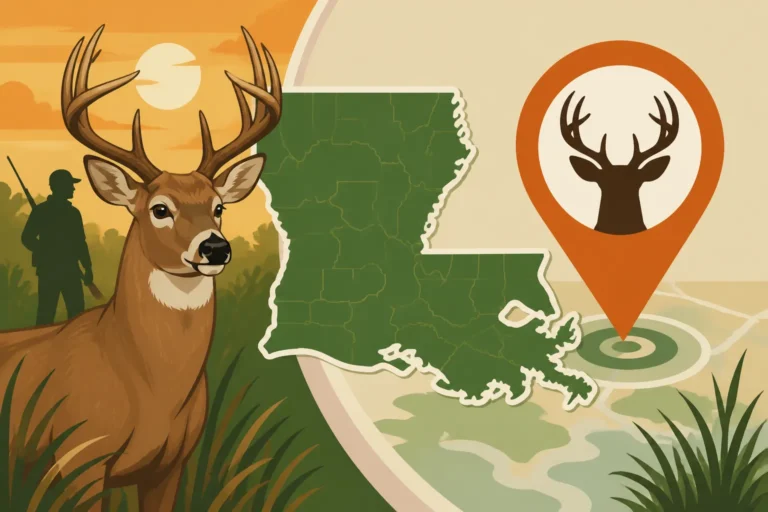
Knowing where these new rules apply is paramount for any deer hunter. The LDWF has established specific CWD Management Zones and Buffer Zones based on where positive cases have been detected and the risk of spread. Currently, areas like Tensas Parish, along with surrounding parishes, form the core of these zones due to confirmed CWD cases. It's not always intuitive which parishes fall under which designation, and these zones can expand as more data becomes available.
To stay on top of the latest information, you absolutely need to consult official sources. The LDWF website is your primary go-to for an up-to-date map and detailed descriptions of Louisiana's Chronic Wasting Disease Zones. You can often find this information broken down parish-by-parish, clearly indicating Which Fourteen Parishes Sit in a CWD Zone. Many hunters also find digital mapping applications invaluable for this. A platform like GoHunt, for instance, often integrates LDWF CWD zone overlays directly onto its maps, allowing you to see at a glance if your hunting lease or public land tract falls within a regulated area. Always double-check your exact hunting location against the most current maps before heading out, because the boundaries are serious business when it comes to compliance.
The Mandatory CWD Testing Process for Harvested Deer
Okay, so you've confirmed you're hunting in a CWD Management Zone, and you’ve just tagged a beautiful deer. Now what? This is where the mandatory testing process kicks in. It's a new step for many, and it requires careful attention to detail to ensure you're in compliance and contributing to the state's CWD surveillance efforts.
What Triggers Mandatory Testing
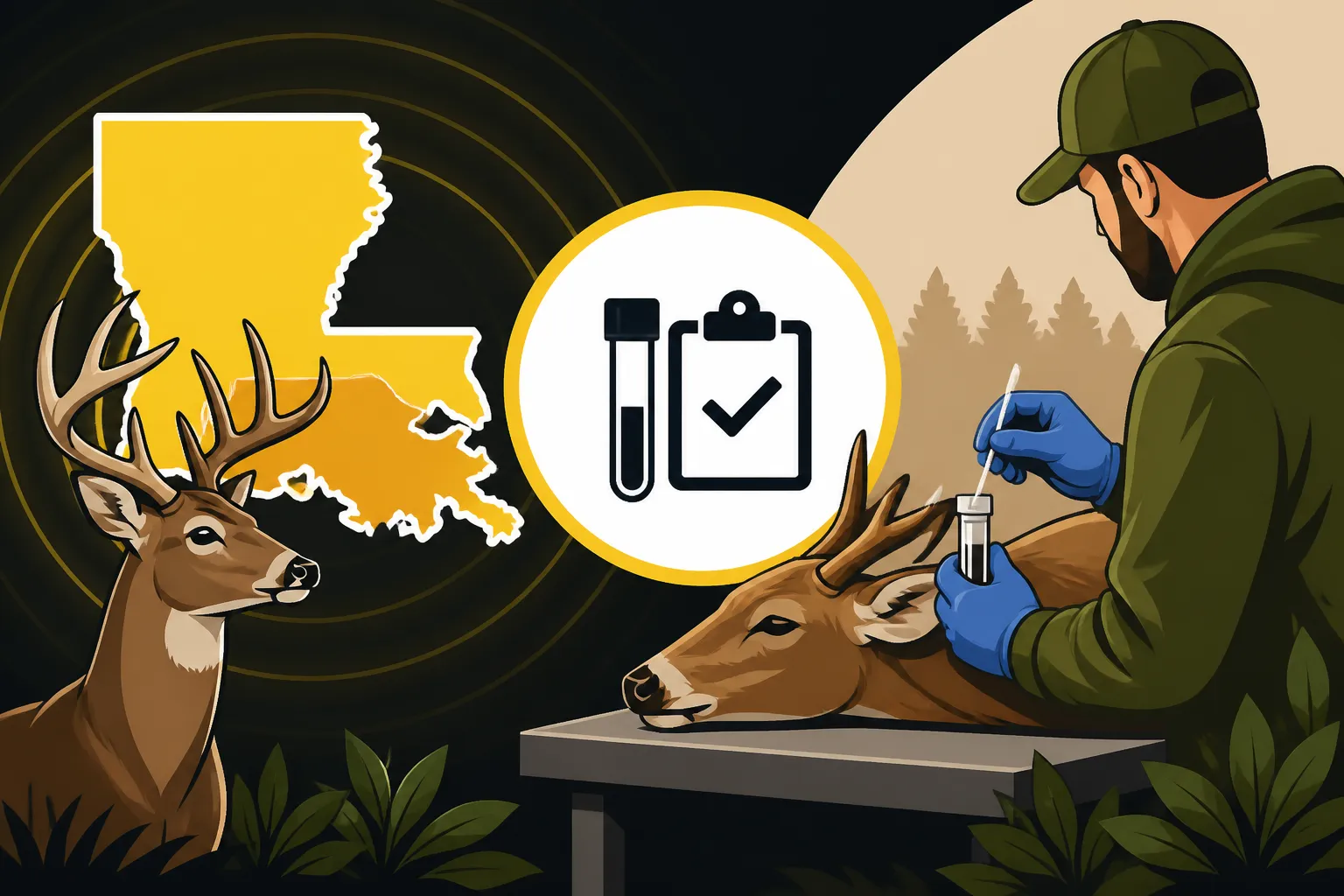
The key trigger for mandatory testing is quite simple: if you harvest a white-tailed deer within a designated CWD Management Zone, that deer's head must be submitted for testing. This rule applies universally, whether you're hunting on private land, a vast WMA, or even certain National Forests or National Wildlife Refuges that fall within the zone. There’s no distinction based on property type or hunting method. If the deer’s hooves were on ground inside that CWD zone when you took the shot, it needs to be tested. The LDWF is trying to get as many samples as possible from these high-risk areas to understand the prevalence and geographic distribution of the disease. This data is absolutely crucial for their management strategies. Ignoring this step can lead to penalties, so it's not just a suggestion; it's a legal requirement.
Step-by-Step Guide to Submitting a Sample
Submitting a deer head for mandatory CWD testing might seem like an extra hassle, especially after a long hunt, but the process is designed to be as straightforward as possible. Here’s how it generally works:
- Harvest and Tag Your Deer: First and foremost, you still need to legally harvest your deer and immediately attach your validated harvest tag as required by Louisiana Deer Reporting Requirements. All other regulations regarding tagging and reporting remain in effect.
- Locate an Official Sampling Station: The LDWF has established mandatory CWD sampling stations within or near the CWD Management Zones. These often include self-service kiosks available 24/7 or staffed check stations open during specific hours, especially on weekends during firearms season. You can find a comprehensive list and map of these locations, including detailed instructions, on the LDWF website or by using resources like the GoHunt app which often marks these points of interest. Knowing Finding a Louisiana CWD Sampling Location before you head out can save you a lot of time and headache.
- Prepare the Head: For most LDWF sampling stations, you'll need to separate the head from the carcass. The LDWF generally prefers the head to be delivered with about 4-6 inches of neck attached. Make sure to remove any antlers (unless you want them collected with the head for specific taxidermy options, which you should confirm with the station attendant or kiosk instructions) and any unnecessary tissue. Cleanliness helps.
- Deposit and Provide Information: At a self-service kiosk, you'll find clear instructions on how to bag the head, often with provided bags and tags. You'll then typically be asked to record your hunting license number, the deer's harvest tag number, the exact date of harvest, and the specific parish and even latitude/longitude of where the deer was taken. This information is vital for LDWF to track the samples accurately. If it's a staffed station, personnel will guide you through the process and collect the necessary data. Remember, accurate data entry helps everyone understand the disease's spread.
- Carcass Handling: After depositing the head, you’re free to take the rest of your deer home for processing. However, you need to be acutely aware of the carcass movement restrictions, which we’ll dive into more depth shortly. For now, understand that you can usually transport the deboned meat, clean antlers, and hide out of the CWD zone, but not the entire carcass or parts containing the spinal column or brain.
Timeline for Results and What They Mean
Waiting for CWD test results can be nerve-wracking, especially if you're eager to get that venison into the freezer. Typically, the LDWF aims to process samples and provide results within a few weeks, though this timeline can vary depending on the volume of samples submitted during peak hunting season.
You'll usually be notified of your results through an online portal accessible via the LDWF website, where you can enter your sample ID number. Some systems might also send email or text notifications. It's crucial to check for these updates regularly.
If your deer tests negative, great! You can proceed with consumption knowing that the animal showed no detectable CWD prions. If, however, your deer tests positive, the LDWF will contact you directly to discuss the implications. A positive test means that the prions were detected, and the recommendation is usually to not consume the meat. This is a difficult conversation for any hunter, but it's essential for public health and disease control. The LDWF will also provide guidance on proper disposal of the carcass if it has not already been processed. This is why understanding Handling Venison From a CWD Management Zone is so vital for hunters in these areas. While there's no known link between CWD and human disease, health organizations universally advise against consuming CWD-positive meat as a precautionary measure.
Navigating the Regulations and Hunter Responsibilities
The establishment of CWD zones isn't just about mandatory testing; it introduces a suite of regulations designed to slow or stop the spread of this devastating disease. As hunters, it's our responsibility to understand and abide by these rules, not just for legal compliance but for the health of our deer herds.
Carcass Movement Restrictions and Baiting Bans
One of the most significant changes for hunters in CWD zones involves how they handle and transport deer after a harvest. To prevent the physical spread of prions, strict Louisiana Carcass Movement Restrictions are in place. Generally, you cannot move a whole deer carcass or certain high-risk parts (like the brain, spinal column, or lymph nodes) out of a CWD Management Zone. What you can typically move includes deboned meat, clean skull plates (with antlers attached), antlers free of brain tissue, hides, and taxidermy mounts made from certified facilities. This means if you harvest a deer in Tensas Parish, for example, and live in a non-CWD parish, you need to process that animal down to its basic components within the CWD zone before transporting it home. Knowing Moving a Deer Carcass Out of a CWD Zone legally is a critical piece of information that can save you a hefty fine.
Beyond carcass movement, baiting regulations have also been impacted. Baiting deer, which involves using food items like corn or mineral blocks to attract deer, has been shown to concentrate animals and increase nose-to-nose contact, thereby facilitating the spread of CWD. As a result, CWD Management Zones often come with outright baiting bans. It’s important to understand the nuances between a full baiting ban in an The Enhanced Mitigation Zone Baiting Ban versus potentially different rules in a The CWD Buffer Zone Baiting Rules, which might only restrict certain types of bait or quantities. Always verify the current baiting regulations for your specific hunting area within a CWD zone before placing any attractants. Ignorance of the law is never an excuse.
Utilizing Digital Tools for CWD Zone Awareness
In this digital age, hunters have powerful tools at their fingertips to help navigate complex regulations like CWD zones. Relying solely on a printed map from months ago just won't cut it when zone boundaries can shift. The LDWF website is constantly updated with the latest CWD information, including maps and regulation changes. It's truly a living document, and checking it before every season, or even before a specific hunt, is highly recommended.
Beyond the official website, specialized hunting apps can be incredibly beneficial. For instance, the GoHunt app often provides excellent mapping overlays for CWD zones and WMA regulations, allowing you to visually confirm your location relative to these critical boundaries. These apps can integrate GPS data, showing you exactly where you stand, helping you stay compliant with both testing requirements and carcass movement restrictions. They can also show you locations for sampling stations, making the post-harvest process much smoother. Beyond CWD, these tools are invaluable for Scouting With the LDWF App for other valuable information like public land boundaries, habitat types, and access points. Making these digital resources a routine part of your pre-hunt preparation is a smart move.
The Role of Hunters in CWD Management
At the end of the day, effective CWD management isn't just about what the LDWF does; it's a partnership with the hunting community. Hunters are on the front lines, and your cooperation is absolutely vital. By adhering to mandatory testing, understanding carcass movement rules, and respecting baiting bans, you're directly contributing to the efforts to monitor and control this disease.
Furthermore, hunters can be crucial sentinels. If you observe a deer exhibiting signs consistent with CWD – such as extreme weight loss, stumbling, drooling, or a general lack of fear of humans – it's imperative to report it to the LDWF immediately. Do not attempt to harvest or handle an obviously sick animal without guidance from wildlife officials. This proactive reporting helps wildlife biologists track potential new outbreaks and implement targeted responses. Your participation in Louisiana Wildlife Disease Monitoring is not just a civic duty; it's an act of stewardship for the resource we all cherish. By working together, we can give our deer herds the best possible chance to thrive in the face of this significant threat.
| Feature | CWD Management Zone (CMZ) | CWD Buffer Zone (CBZ) |
|---|---|---|
| Testing | Mandatory for all harvested cervids (deer, elk) | Voluntary testing encouraged; mandatory for certain scenarios |
| Carcass Movement | Deboned meat, clean skull plates, antlers, hides allowed out; no whole carcasses or high-risk parts | May have similar restrictions to CMZ, or modified rules; check specific LDWF guidance |
| Baiting | Typically prohibited (Enhanced Mitigation Zone) | May have restrictions on certain bait types or quantities; check specific LDWF guidance |
| Purpose | Areas with confirmed CWD cases or high risk of spread | Areas adjacent to CMZ, designed to prevent further spread |
| Primary Goal | Surveillance, containment, and disease management | Early detection and buffer protection |
Disclaimer
Please note that hunting regulations, including those pertaining to Chronic Wasting Disease (CWD) zones and testing protocols, are subject to change. Always consult the official Louisiana Department of Wildlife and Fisheries (LDWF) website or current hunting regulations pamphlet for the most up-to-date and accurate information before engaging in any hunting activities.