Getting Private Land Permission in Louisiana
There’s a common frustration among Louisiana hunters: public land, while vital, often feels like a crowded bus on opening day. You scout a perfect spot, put in the work, and then show up to find three other trucks parked where you intended to hunt. It’s enough to make you throw your hands up! That’s why securing private land permission is often the dream for many, offering peace, solitude, and potentially better game opportunities. This comprehensive guide is here to walk you through the often-intimidating process of respectfully and effectively asking for hunting access on private property in the Pelican State.
Understanding Louisiana's Private Land Landscape
Before you even think about approaching a landowner, it’s crucial to grasp the lay of the land, both literally and figuratively, here in Louisiana. Our state has a unique mix of timberland, agricultural fields, and vast swamps, much of which is privately held.
The Reality of Limited Public Access
While Louisiana boasts numerous Wildlife Management Areas (WMAs) and portions of Kisatchie National Forest, the sheer acreage of accessible public land pales in comparison to what’s in private hands. This reality means intense hunting pressure on public tracts, especially during popular seasons like the gun opener for deer or the youth and veterans weekend. Hunters are often competing for the same limited prime real estate, leading to less enjoyable experiences and sometimes even safety concerns.
Think about it: during the peak of the deer rut in areas known for bigger bucks, WMAs can resemble a small town on opening morning. Vehicles line the access roads, and you might encounter another hunter every few hundred yards. This isn't always conducive to a quality hunt, especially if you're trying to practice still-hunting or call in a wary gobbler. Private land, by contrast, often offers larger, unpressured blocks of habitat, providing a sense of exclusivity and a better chance at success. It's a fundamental shift from quantity of hunters to quality of experience, making the effort to gain permission so worthwhile.
Louisiana's Legal Framework for Trespass
It’s absolutely critical to understand Louisiana's laws regarding trespass before you even consider stepping foot on private property. Here, landowners have clear rights, and ignorance of the law is never an excuse. In Louisiana, land is generally considered private unless explicitly designated as public. This means you need permission, either verbal or written, to hunt, fish, or even cross someone’s property.
"Posted" signs are a clear indicator, but even without them, you cannot legally enter private land. Land that is fenced, cultivated, or enclosed in any manner that shows the owner's intent to keep others out is also considered posted. A friendly chat on a landowner's porch can prevent a much less friendly encounter with local law enforcement or, worse, a landowner who feels their property rights have been violated. Always err on the side of caution. Louisiana Trespass and Permission Law outlines these rules in detail, and it’s your responsibility as a hunter to know them inside and out. Never assume that just because there isn't a "No Trespassing" sign every fifty feet, you're free to roam.
Preparing for the Ask: Research and Reconnaissance
Asking for permission isn't just about showing up; it's about being prepared, knowledgeable, and respectful. Just like you'd scout for deer, you need to scout for potential landowners and understand their property.
Identifying Potential Properties
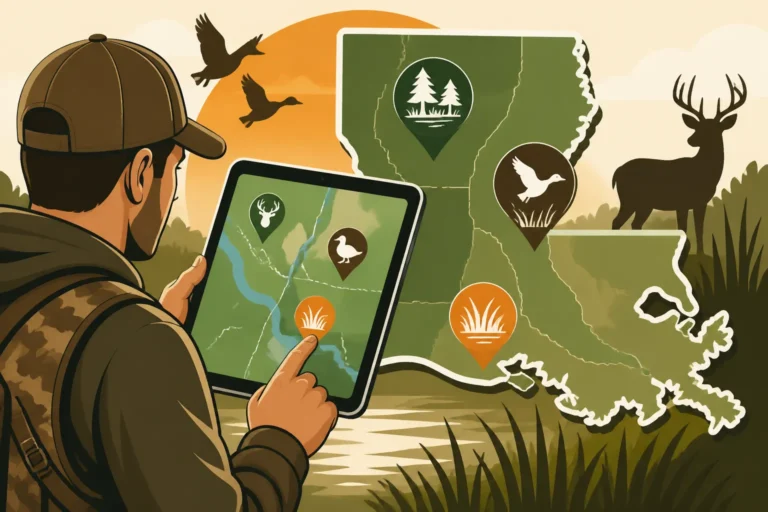
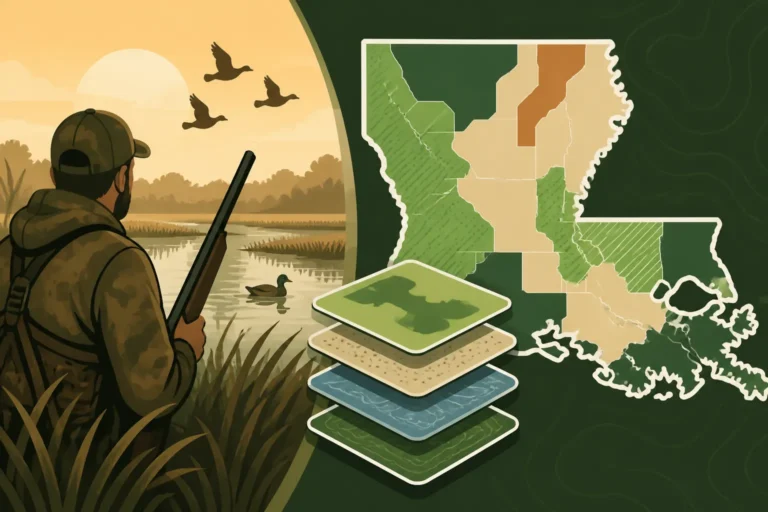
The first step in securing private land access is finding suitable properties. This is where modern mapping technology becomes your best friend. Tools like onX Hunt and GoHunt have revolutionized this process. You can overlay property lines, landowner names, and aerial imagery right on your phone or computer. Start by looking for properties adjacent to known public lands, large agricultural fields, or significant timber blocks that show good habitat. Look for areas with diverse cover, water sources, and potential pinch points.
For instance, if you're targeting deer, identify tracts that have a mix of dense bedding cover, food sources like agricultural fields or hardwood bottoms, and natural travel corridors. Reading Aerial Photos for Central Louisiana Deer can give you an edge in understanding these habitat features from a distance. Once you've identified a promising parcel, onX Hunt can tell you exactly who owns it, often providing contact information or at least a mailing address. This information is invaluable for making your initial approach personal and informed, rather than just cold-calling or knocking on random doors.
What Landowners Look For in a Hunter
Put yourself in the landowner's shoes for a moment. They've probably had bad experiences with hunters in the past – gates left open, trash strewn about, property lines disrespected, or even reckless behavior. When you approach them, you need to convey that you are different. Landowners are looking for responsibility, respect, and a genuine appreciation for their property. They want to know you're safe, sober, and will treat their land as if it were your own.
Key qualities include:
- Safety-conscious: Have you taken hunter education? Do you understand safe firearm handling? Who Needs Louisiana Hunter Education is a great resource to show your commitment.
- Respectful: Will you stick to agreed-upon boundaries, clean up after yourself, and be mindful of their privacy and daily operations?
- Reliable: Can they trust you to follow through on promises, like closing a gate or reporting unusual activity?
- Responsible: Do you have insurance? Are you mature enough to handle emergencies or unexpected situations?
- Knowledgeable: Do you understand the local game laws and ethical hunting practices?
It's about building trust, and that starts with your presentation and the reputation you demonstrate, even before you've said a word.
The Art of the Approach: Making Contact
This is often the most nerve-wracking part for hunters, but it's where genuine politeness and a clear purpose make all the difference.
Knocking on Doors: The Direct Method
There's something uniquely Louisiana about knocking on someone's door to ask permission. It’s personal, direct, and often the most effective. Timing is crucial here. Avoid mealtimes (lunch, dinner) or late evenings. Weekends or late afternoons during the week often work best, when folks are typically home and more relaxed.
When you approach:
- Appearance Matters: Dress presentably – clean clothes, no strong scents. You don't need to wear a suit, but don't show up in your grungiest hunting clothes or smelling like stale campfire.
- Be Polite and Brief: Introduce yourself, state your purpose clearly and concisely. "Hello, my name is John Smith, and I live over in [your town]. I was admiring your property from the road, and I was wondering if you ever allow respectful hunters to access your land for deer hunting."
- Offer Something: Many landowners, especially those with agricultural interests, struggle with nuisance animals like feral hogs. Offering to help with Feral Hogs Across Louisiana can be a huge selling point.
- Listen More Than You Talk: If they start talking about past issues, listen empathetically. If they say no, accept it gracefully, thank them for their time, and move on. Don't argue or plead. A polite "no" today might turn into a "yes" next year if they remember your good manners.
- Leave Your Information: Even if they say no, ask if you can leave your name and number in case they change their mind or need help with something else in the future.
This direct, personal approach, as detailed in Knocking on Doors in North Louisiana Farm Country, can build immediate rapport and trust.
Writing a Formal Letter or Email
Sometimes, a direct door-knock isn't feasible, or you might prefer a more formal approach, especially for larger land companies or absentee landowners. A well-crafted letter or email can be a powerful tool.
What to include:
- Introduction: Your name, contact information, and where you live.
- Purpose: Clearly state you're seeking hunting permission on their specific property (mention the address or a recognizable landmark).
- Why Them: Explain why you chose their property (e.g., "I've noticed your property has excellent habitat for deer, and I believe it would offer a quality hunting experience").
- Your Qualifications: Briefly mention your experience, commitment to safety, and respect for property. If you have hunter education, mention it. If you have liability insurance, mention that too.
- What You Offer: Reiterate any benefits you might provide, like helping with hog control, keeping an eye on the property, or even offering to assist with light maintenance tasks.
- Flexibility: Indicate you're open to their rules and restrictions.
- Call to Action: Ask for a meeting or a phone call to discuss further.
- Professionalism: Proofread for errors. Keep it concise but comprehensive.
Managing expectations is key here. Landowners might be slow to respond, or they might never respond. Don't be discouraged, but also don't pester them. A single, well-written contact is usually sufficient.
Leveraging Local Connections
Never underestimate the power of networking in a state like Louisiana, where community ties run deep. Sometimes, the easiest way onto a desirable piece of private land isn't through a direct cold call, but through a warm introduction.
How to build connections:
- Local Businesses: Frequent local feed stores, hardware shops, or cafes in the rural areas you want to hunt. Strike up conversations. You might find that the owner knows the family who owns the timber tract next door.
- Community Involvement: Join local conservation groups, attend parish fairs, or volunteer for community events. The more you're seen as a positive, contributing member of the community, the more likely people are to trust you and potentially open doors.
- Existing Hunter Network: Talk to other hunters (respectfully, of course, without trying to poach their spots!). They might know someone who knows someone who has permission or leases land. Often, landowners prefer to grant access to someone recommended by a trusted friend or neighbor.
A referral from a mutual acquaintance instantly boosts your credibility and can bypass a lot of the initial skepticism a landowner might have. It's like having a pre-approval for trust, and it often leads to longer-lasting, more fruitful relationships.
Crafting Your Pitch: What to Offer and Discuss
Once you've got their ear, your pitch needs to be compelling, addressing their concerns and highlighting your value.
Highlighting Your Value to the Landowner
Many landowners, especially those not actively hunting themselves, might not immediately see the benefit of allowing someone onto their property. This is where you educate them on the value you can bring.
- Game Management: Offer to help manage specific game populations, particularly if they have an overabundance. Feral hogs are a huge issue across Louisiana, causing significant crop damage and habitat destruction. Offering to actively hunt and remove hogs can be an enormous incentive. You might mention how you're familiar with Louisiana Feral Hog Regulations and effective hunting methods.
- Property Watch: You'll be on the property, providing an extra set of eyes and ears. This can deter trespassers, poachers, or illegal dumping. Many landowners appreciate someone checking on their fences, gates, or reporting downed trees after a storm.
- Nuisance Animal Control: Beyond hogs, some landowners might have issues with coyotes preying on livestock or small game. You could offer to help with predator control during the off-season.
- Land Improvement (with permission): Perhaps you could offer to help maintain food plots, clear shooting lanes, or even mend a fence. Small gestures can go a long way.
Be specific in your offer and tailor it to their needs, which you might glean from your initial conversations or observations of their property.
Discussing Specifics: Game, Dates, and Rules
Clarity and transparency are paramount. Don't leave anything to assumption. Be very clear about what you want to hunt and when.
Key discussion points:
- Target Species: "I'm primarily interested in deer hunting," or "I'd love to try for a turkey in the spring."
- Season Dates: "I'd like to hunt during archery season, and perhaps a few weekends during rifle season." Be flexible and willing to work around their schedule.
- Specific Rules: Ask about their expectations.
- What are the boundaries? Can you mark them together?
- Are there any off-limits areas (e.g., near their house, livestock pens, private roads)?
- What are their rules on vehicle access? Can you drive on certain paths, or do they prefer you park and walk?
- Are you allowed to bring a guest? (Often, it's best to ask for individual access first and introduce the idea of guests later, once trust is established).
- Are there any specific harvest rules (e.g., buck size limits, antlerless deer limits)?
- What days are off-limits (e.g., Sundays, during specific farm operations)?
- Communication Protocol: How should you let them know when you're going to hunt? A simple text message, a phone call, or an entry in a logbook?
It's helpful to have a small notebook to jot down these agreements. Some hunters even draft a simple, written agreement – nothing overly formal, but just a clear outline of the understanding between both parties. This protects everyone and minimizes misunderstandings down the road. Do You Need Written Permission in Louisiana? discusses the benefits of having a written agreement.
Addressing Concerns: Safety and Liability
Landowners often worry about liability, and rightfully so. They want assurance that you're a safe hunter and that they won't be held responsible for an accident.
Ways to reassure them:
- Hunter Education: Mention that you've completed a state-certified hunter education course. This demonstrates your commitment to safe and ethical hunting.
- Insurance: If you carry personal liability insurance (many homeowner policies offer this, or specific hunting insurance is available), mention it. It shows you're prepared for unforeseen circumstances.
- Safe Practices: Discuss your commitment to safe firearm handling, identifying your target and what's beyond it, and knowing where other hunters or people might be.
- Knowledge of Regulations: Show you understand all local and state hunting regulations, including blaze orange requirements during gun season, bag limits, and reporting requirements.
- No Alcohol/Drugs: Reassure them you will never hunt on their property under the influence.
- First Aid Preparedness: Mention you carry a first-aid kit and know basic wilderness first aid.
Being upfront and proactive about these concerns can significantly alleviate a landowner's worries. You're not just asking for a favor; you're presenting yourself as a responsible individual who takes safety seriously.
Maintaining the Relationship: Long-Term Success
Getting permission is just the first step. The real art is in maintaining that permission year after year. This is where many hunters fall short, and it's why good spots often become unavailable.
Respecting Boundaries and Expectations
The golden rule of private land access: always stick to what was agreed upon. If the landowner said no driving past a certain point, don't do it. If they asked you to call before you come, make that call every single time. Even small deviations from the original agreement can erode trust quickly.
- Never Push the Limits: If you have permission for deer, don't assume that extends to squirrel or rabbit hunting without asking first.
- Communication is Key: If your plans change, or if you notice something unusual on the property, communicate it to the landowner. This shows respect and reinforces your role as an extra set of eyes.
- Leave No Trace: Pack out everything you pack in, and then some. If you see trash that wasn't yours, pick it up. Leave the property cleaner than you found it. This applies to spent shell casings, food wrappers, and anything else.
- Adhere to Vehicle Rules: If you're allowed to drive, stick to established roads and trails. Don't tear up wet fields or create new paths unless explicitly permitted.
Think of it as a privilege, not a right. Your actions reflect not just on you, but on all hunters, and will influence whether that landowner grants access again, to you or anyone else.
Offering Help Beyond Hunting Season
Good relationships aren't just transactional. Go beyond hunting season. Offer a helping hand, even if it's just for an hour or two.
- Fencing: "I noticed a section of your fence looked a bit rough. If you ever need a hand with repairs, I'd be happy to help."
- Maintenance: "If you have any chores around the property you need an extra set of hands for, please let me know." This could be anything from clearing brush to helping move firewood.
- Yard Work: For an elderly landowner, offering to mow their lawn a few times can be an immense gesture of goodwill.
- Check-ins: If they live off-site, offer to drive by occasionally to check on the property and report back.
These small acts of kindness demonstrate that you value them and their property, not just the hunting access. This builds a deeper, more personal connection that often leads to years of hunting opportunities.
The Power of a Thank You and Sharing the Harvest
Simple gestures can have a profound impact. A genuine "thank you" goes a long way. After a successful hunt, consider sharing some of the harvest.
- Verbal Thanks: Always thank them when you leave the property, and again after the season is over.
- Thank You Card: A handwritten thank you card, especially after a successful season, is a thoughtful touch that stands out.
- Sharing Game Meat: Offer them some of the venison or turkey you harvested. This is especially impactful if they don't hunt themselves but enjoy wild game. Even a small package of ground venison or backstrap can be a meaningful offering. Donating Venison in Louisiana discusses how to handle game meat properly, whether for yourself or for others.
- Small Gifts: Sometimes a gift certificate to a local restaurant, a fruit basket, or a locally sourced product can be a nice token of appreciation at the end of the year.
These actions reinforce your gratitude and make them feel appreciated, solidifying the relationship for future seasons.
Alternatives to Direct Permission
While direct permission is often the holy grail, it's not the only way to get private land access. Sometimes, other avenues are more practical.
Hunting Clubs and Leases
For many Louisiana hunters, joining a hunting club or leasing a tract of land is the primary way to access private property. This often means pooling resources with other hunters to pay a landowner for exclusive access.
- Hunting Clubs: These are groups of hunters who collectively lease land, often for multiple years. Dues typically cover the lease cost, maintenance, and sometimes shared camp facilities. Joining a Louisiana Hunting Club can provide access to a well-managed property with established rules and a sense of camaraderie. The downside is that you share the property with other members, and you have to abide by the club's bylaws.
- Private Leases: An individual or small group might lease a property directly from a landowner. This offers more control and exclusivity but comes with a higher financial commitment, as you're bearing the full cost. Lease prices can vary wildly depending on location, habitat quality, and demand. This option gives you the most freedom to manage the property and hunt on your own terms, but also comes with the most responsibility for upkeep and liability.
Day Leases and Managed Hunts
If you're not ready for the commitment of a full lease or club membership, or you're visiting from out of state, day leases and managed hunts on private land offer a different kind of access.
- Day Leases: Some landowners or outfitters offer access to their property for a single day or a short period for a fee. This is common for duck hunting in the coastal marsh or for hog hunting. It provides a taste of private land hunting without the long-term commitment.
- Guided Hunts: Many outfitters in Louisiana operate on private, managed lands. You pay for a fully guided experience, which includes access to prime hunting ground, a guide, and often meals and lodging. This is especially popular for species like deer, turkey, or waterfowl. While typically more expensive, it removes the hassle of scouting and gaining permission. What a Guided Louisiana Deer Hunt Costs can give you an idea of the investment, but for many, the high success rates and quality experience make it worthwhile. These operations are often highly professional and focused on providing a top-tier hunting experience.
These alternatives require a financial investment, but they guarantee access to private land that is often managed specifically for hunting, taking a lot of the guesswork and legwork out of the equation.
Common Pitfalls and How to Avoid Them
Even with the best intentions, mistakes can happen. Being aware of common pitfalls can save you a lot of heartache and prevent you from burning bridges.
Not Doing Your Homework
One of the biggest mistakes a hunter can make is approaching a landowner unprepared. This includes not knowing who owns the land, what their property looks like, or even if it's currently being hunted.
- Guessing on Ownership: Showing up and saying, "Hey, who owns this place?" immediately tells a landowner you haven't done your research. Tools like onX Hunt or even the parish assessor's website can confirm ownership.
- Lack of Property Knowledge: If you can't articulate why you're interested in their specific property, it comes across as lazy or random. Saying, "I've seen some great deer sign along your creek bottom," is far more effective than, "I just need a place to hunt."
- Ignoring Local Context: Every area has its nuances. Is it an active timber operation? Do they have livestock? Are there specific crops in the fields? Not knowing these basic facts can lead to awkward conversations or missed opportunities. For example, knowing that many landowners in farm country deal with extensive crop damage from hogs can give you an immediate common ground.
Do your reconnaissance. Understand the property, the landowner, and the local community as much as possible before you ever make contact. Using the LDWF Map Tool can help you understand surrounding land types and potential habitat.
Being Too Demanding or Entitled
The quickest way to get a "no" – and potentially a permanent black mark – is to act as if you're owed something. Landowners don't have to grant you permission. It's a privilege, not a right.
- Don't Demand or Bargain: If they say no, accept it gracefully. Don't try to bargain, argue, or guilt-trip them. "Are you sure? Just for one day?" is a sure fire way to shut down any future possibility.
- Avoid Entitlement Language: Phrases like "I've been hunting for thirty years, and I deserve a good spot," or "There's no public land available," come across as arrogant and self-serving.
- Respect Their Time: Be concise, get to the point, and don't overstay your welcome. If they're busy, offer to come back at a better time.
- Don't Assume: Never assume permission for one thing extends to another, or that permission from one year carries over to the next without re-confirming.
Humility, respect, and gratitude are your strongest assets. A "yes" today is built on a foundation of trust that can easily crumble if you act entitled.
Ignoring Red Flags
Sometimes, a situation just doesn't feel right. Trust your gut. If a landowner seems overly hesitant, evasive, or if something about the property or the conversation feels off, it's often best to politely decline or move on.
- Vague Rules: If a landowner is unclear about boundaries, access points, or specific rules, that can lead to misunderstandings later. Press for clarity. If they can't or won't provide it, that's a red flag.
- Evasiveness on Liability: If they brush off concerns about safety or liability, it might indicate they haven't thought through the implications, which could put you in a precarious position.
- Requesting Something Unreasonable or Illegal: If a landowner asks you to do something that feels unethical, unsafe, or illegal (e.g., hunt outside of season, take over-limit animals, trespass on a neighbor's land), immediately walk away. Your license, your reputation, and your safety are not worth it.
- Poor Past Experiences: If a landowner immediately starts complaining about all previous hunters, it could indicate they are difficult to please, or that their property might have underlying issues you're not aware of. While some complaints are valid, an excessive amount could be a warning sign.
- High Expectations: If a landowner has unrealistic expectations for game control or expects you to perform extensive manual labor in exchange for access, ensure you are comfortable with the terms before agreeing.
It's better to politely back out of an uncomfortable situation than to commit to something that could lead to negative experiences or even legal trouble down the road. What Louisiana Trespass Law Requires reinforces the importance of clear agreements to avoid misunderstandings.
| Aspect of Seeking Permission | Pros | Cons | Best For |
|---|---|---|---|
| Knocking on Doors | Personal, direct, builds immediate rapport | Can be intimidating, time-consuming, immediate rejection | Small landowners, local farms, quick decisions |
| Formal Letter/Email | Professional, allows for detailed pitch | Slower response, less personal, easily ignored | Absentee landowners, large land companies, first contact |
| Local Connections | High trust, often leads to quicker "yes" | Requires existing network, not always available | Leveraging community ties, long-term relationships |
| Offering Nuisance Control | Strong incentive, direct benefit to landowner | Requires specific skills/interest (e.g., hog hunting) | Agricultural land, properties with known animal issues |
| Day Lease/Guide | Guaranteed access, less personal effort | Costly, no long-term relationship with landowner | Non-residents, specific hunts (e.g., ducks), convenience |
| Hunting Club/Lease | Exclusive access, managed property, camaraderie | Expensive, shared access, club rules, long-term commitment | Regular hunters, groups, those seeking community |
Disclaimer
This article is for general informational purposes only and does not constitute professional advice. Laws, prices and regulations vary by location and change over time. Consult a qualified professional for guidance on your specific situation.