Asking a Louisiana Farmer for Permission
Finding quality hunting land in Louisiana can feel like a never-ending quest, especially when public lands are getting more crowded every season. Many hunters dream of securing access to private acreage, but the thought of knocking on a farmer's door and asking for permission can be incredibly intimidating. This guide is all about giving you the confidence and the roadmap to respectfully approach landowners in Louisiana, build rapport, and hopefully, secure that coveted hunting access.
Understanding the Farmer's Perspective and Why It Matters
Before you even think about stepping onto someone's property, you've got to put yourself in their boots. Farmers in Louisiana are running businesses, managing livelihoods, and protecting their families. Their land isn't just a place to hunt; it's their life. Understanding their daily reality and what concerns them most is the first, crucial step toward earning their trust.
The Farmer's Daily Reality: What Are Their Concerns?
Imagine the endless work involved in maintaining fields, tending livestock, and dealing with unpredictable weather. Then, layer on top of that the worries about equipment theft, liability issues, property damage, and the constant battle against pests. From their viewpoint, an unknown hunter knocking on the door represents a potential risk to their operations, their peace of mind, and even their family's safety. They're likely thinking: "Who is this person? Are they responsible? Will they leave gates open, drive across my fields, or accidentally shoot my livestock?" They've probably had bad experiences in the past, with hunters who didn't respect boundaries or left a mess. They might also be dealing with wildlife management challenges, like excessive deer populations damaging crops or rampant feral hogs destroying their fields. Understanding these underlying concerns allows you to address them proactively in your approach.
Why They Might Say Yes (or No)
Farmers are often incredibly generous people, but they also have to be pragmatic. They might say yes for several reasons: perhaps they have a significant nuisance animal problem, like deer devouring their soybean crops or the relentless rooting of feral hogs. In such cases, a responsible hunter isn't just asking for a favor; they're offering a solution. Sometimes, they simply enjoy seeing someone appreciate the land and the wildlife as much as they do. They might appreciate the gesture of someone asking politely rather than just trespassing.
On the flip side, a "no" isn't always personal. It could be due to existing arrangements with family or friends, liability concerns (which is a huge one for landowners), hunting pressure from too many people already, or simply a desire for privacy. Sometimes, a farmer might have had a terrible experience with a past hunter, making them wary of granting permission to anyone new. Don't take it as a personal rejection; understand that their reasons are likely tied to their land, their business, or past experiences. Even if they say no, thank them for their time and move on gracefully.
Preparing for Your Approach: Homework is Key
You wouldn't show up to a job interview without doing your research, right? Approaching a landowner is no different. The more prepared and informed you are, the better your chances of making a positive impression and earning that coveted "yes." This isn't about being sneaky; it's about showing respect and due diligence.
Researching the Right Farms and Landowners
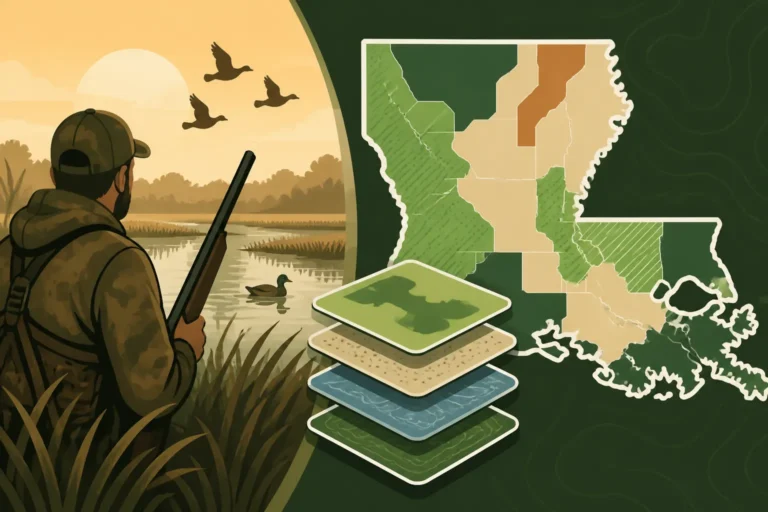
This is where modern technology really shines. Before you ever pull into a driveway, use mapping applications like onX Hunt to identify land ownership. These apps can overlay property lines onto satellite imagery, showing you who owns what and often providing contact information. Look for properties that have the habitat you're interested in – perhaps a mix of timber and agricultural fields, or properties bordering known wildlife corridors.
Consider the time of year and the farmer's crops. Are deer hammering their cornfields? Are hogs tearing up their pastures? If you can identify a problem you can help solve, you're halfway there. For instance, many farmers are desperate for help with Hunting Louisiana's Year-Round Feral Hogs. If you can offer to help reduce their hog population, you're offering a service, not just asking for access. Pay attention to properties that are posted or appear to have active hunting clubs. While not impossible, these are often tougher nuts to crack. Also, check for local ordinances or any specific Louisiana Trespass and Permission Law in the area you are looking at. Understanding the lay of the land, both literally and legally, is invaluable. Remember, platforms like GoHunt or local outdoor forums can sometimes offer insights into general landowner attitudes or common practices in specific regions, though direct property research is always paramount.
Presenting Yourself Professionally
First impressions are everything. When you decide to make your approach, dress neatly and cleanly. You don't need to wear a suit, but leave the muddy hunting clothes and the "fresh out of the deer stand" look at home. A simple clean shirt and pants are perfect. Bring a written list of references if you have them – previous landowners you've hunted for, or even local community members who can vouch for your character.
Have all your necessary documentation ready. This includes your valid Louisiana hunting license and any relevant tags. Being able to show proof that you've completed your hunter education and are legally allowed to hunt demonstrates responsibility. You might also consider having a copy of your personal liability insurance (some homeowners' policies or hunting organization memberships include this) to show you're taking their concerns seriously. This immediately puts their mind at ease regarding potential accidents. It's also wise to research Do You Need Written Permission in Louisiana? as some landowners prefer a formal, written agreement, and being prepared for that shows professionalism.
Hunter's Toolkit for Asking Permission
| Item | Purpose | Why it Matters |
|---|---|---|
| Clean, Presentable Attire | Makes a good first impression, shows respect for their time and property. | You're asking for a privilege, not a right. Appear responsible and trustworthy. |
| Valid Hunting License | Proof of legal authorization to hunt in Louisiana. | Demonstrates you're a legal, ethical hunter, not a poacher. Check Louisiana Hunting Licenses and What They Cost. |
| References | Previous landowners or community members who can vouch for you. | Builds trust and credibility, especially if you're new to the area. |
| Liability Insurance Info | Shows you're prepared for potential accidents and their concerns. | Addresses a major farmer fear: being sued if someone gets hurt on their property. |
| Mapping App (e.g., onX Hunt) | Demonstrates you've researched their property and know boundaries. | Shows you're serious and respectful of their land, and understand onX Layers for Louisiana Land Status. |
| Pen and Notepad | To write down contact info, rules, and agreements. | Shows attentiveness and respect for their instructions. |
| Specific Request | Clearly state what game you want to hunt and why. | Avoids ambiguity and lets them know exactly what you're asking for. |
Making the Ask: The Art of the Conversation
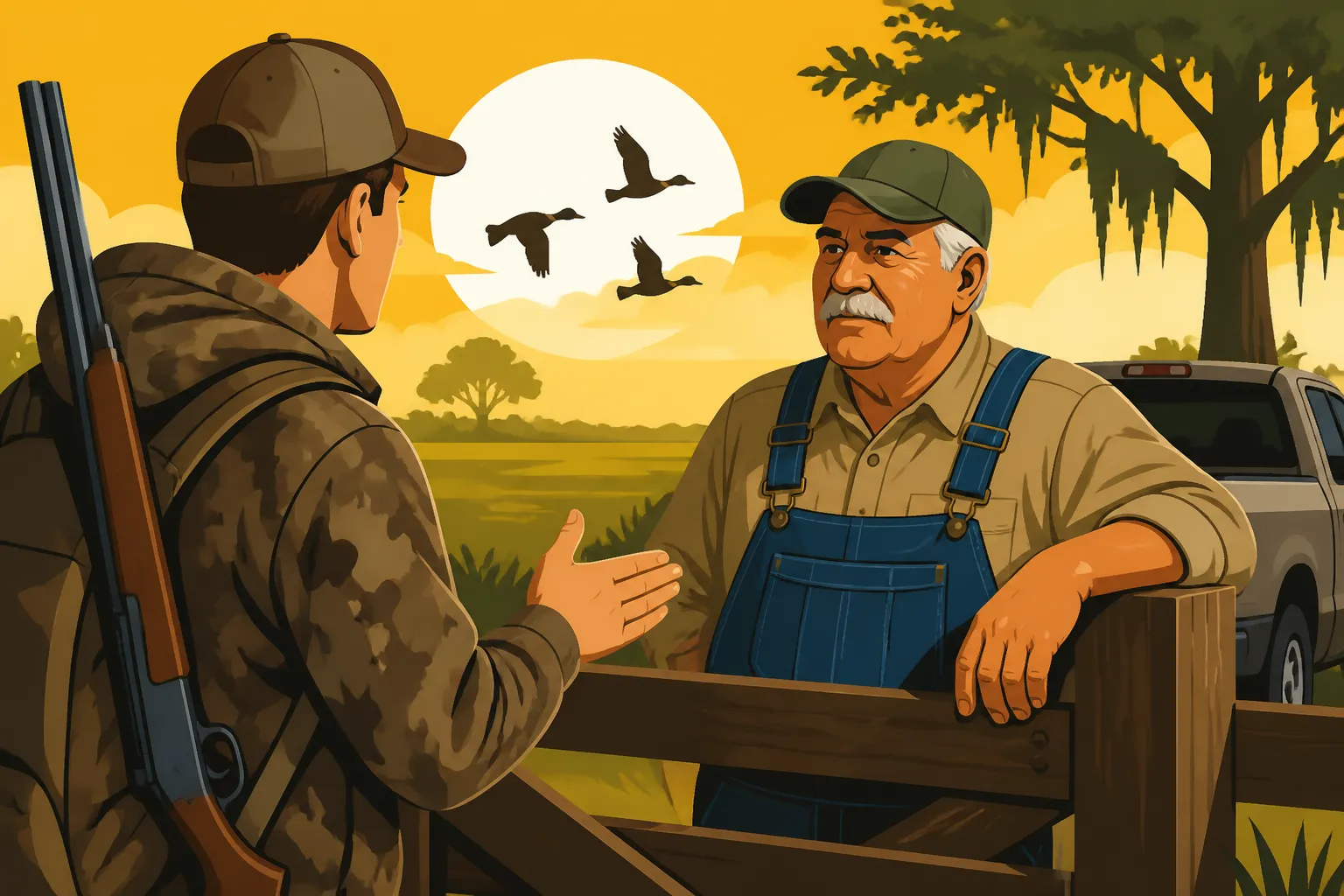
The moment of truth! Approaching a farmer and asking for permission requires confidence, respect, and a clear understanding of what you're asking for. Timing and demeanor are everything.
When and How to Approach a Farmer
Timing is critical. Avoid approaching farmers during their busiest times, like planting season in spring, harvest season in late summer/fall, or during adverse weather when they might be scrambling to protect crops or livestock. Weekends or early evenings are often better, but always be prepared to leave if they seem busy or preoccupied. A friendly wave and a polite "Is now a good time?" can go a long way.
When you do approach, do it at their home or farm office, not out in their fields where you might interrupt their work. Park your vehicle in a visible, non-obstructive spot. Walk up to the door and knock politely. If they don't answer right away, don't wander around. Leave a small, neat note with your name, number, and a brief, respectful message stating you'd like to speak with them about hunting.
What to Say (and What Not to Say)
Start with a polite introduction, stating your name and why you're there. For example: "Good afternoon, my name is [Your Name], and I live nearby. I was hoping to speak with you for a moment about the possibility of hunting on your land." Immediately establish respect for their property. Mention that you've noticed certain wildlife (like deer or hogs) and were wondering if they might be open to a responsible hunter helping out.
Do:
- Be clear and concise: State what you want to hunt (e.g., deer, hogs, ducks) and during what season.
- Emphasize safety: Assure them you're a safe, responsible hunter and that you'll respect their property, livestock, and any other activities on their land.
- Offer solutions: If you've noticed crop damage, mention that you'd be happy to help control nuisance animals. For instance, discussing Louisiana Deer Damage Permits for Farmers can show you understand their struggles.
- Ask about their rules: "Do you have any specific rules or areas where you wouldn't want me to hunt?" This shows you're willing to adhere to their wishes.
- Offer a trade: Sometimes, offering to help with chores, fix a fence, or share some venison can sweeten the deal.
- Be grateful, regardless of the answer: A "no" today might be a "yes" next year if you leave a good impression.
Don't:
- Be demanding or entitled: You are asking for a privilege, not asserting a right.
- Make assumptions: Never assume access based on past history or hearsay. Always ask directly.
- Lie or exaggerate: Be honest about your experience and intentions.
- Be vague: Don't just say "I want to hunt." Specify what game and when.
- Promise things you can't deliver: If you offer to help, follow through.
- Pressure them: If they say no, accept it gracefully. A pushy attitude will only ensure you never get access.
If they say yes, fantastic! Immediately clarify all the details: specific boundaries (this is where having Finding Louisiana Property Lines handy is helpful), vehicle access, where to park, which gates need to be closed, whether you need to check in, and which animals you can harvest. Ask if they prefer Louisiana Landowner Deer Permit Rules or if they'd like you to get written permission, which is often a good idea for both parties.
Maintaining the Relationship: Long-Term Access
Getting permission once is a victory, but the real goal is long-term access. This requires consistent effort, respect, and communication. Think of it as building a partnership, not just a one-time transaction.
Being a Respectful Hunter
Once you have permission, treat their land like it's your own – or better. Always park where they tell you to, or in a spot that doesn't impede their operations. Close all gates, every single time. Pick up all your trash, including spent shell casings. Drive slowly on their roads and stay on designated paths. Never damage fences, fields, or equipment. If you see something out of place or something that needs fixing, let them know.
Adhere strictly to all state regulations and any specific rules the landowner sets. If they say no hunting near the house, or no Sunday hunting, you respect that without question. If you are tracking a deer and it crosses a boundary you don't have permission for, you need to understand Retrieving Game From Private Land in Louisiana rules and potentially get permission again for recovery. Never assume you can just go get it. This kind of respect builds immense trust and ensures your welcome extends far beyond the current season.
Offering Help Beyond Hunting
This is a surefire way to solidify your relationship. Farmers work incredibly hard, and often, an extra pair of hands is a godsend. Offer to help with chores, even outside of hunting season. This could be anything from helping mend a fence, moving equipment, picking up debris, or assisting with other farm tasks. It doesn't have to be a huge commitment, but showing up for an hour or two demonstrates your appreciation and reliability.
Sharing your harvest is another fantastic gesture. A package of venison sausage or some duck breasts from a successful hunt is a delicious way to say thank you and reinforce the value of your presence on their land. It helps them see you as a part of the solution, contributing to their land's management, rather than just someone taking something from it. These small acts of kindness and reciprocity go a long way in ensuring you're invited back year after year.
The Importance of a Thank You
A simple "thank you" goes a long, long way. Whether it's after a successful hunt, at the end of the season, or just a quick check-in call, express your gratitude. A thoughtful thank-you note or a small gift can reinforce your appreciation. Remember their generosity and acknowledge it regularly. This consistent communication and appreciation are the foundation of a lasting hunting relationship.
Being a good steward of their land means being mindful of your impact and communicating any changes or issues you observe. If you notice new Louisiana Posted Land Rules or specific activities, discuss them. Don't be a stranger; a quick phone call or text before you head out, just to let them know you'll be on the property, is always a good practice. This open line of communication ensures there are no surprises and reinforces that you're a considerate and trustworthy individual. By following these steps, you'll not only gain access to some fantastic Louisiana hunting but also build meaningful relationships that often last a lifetime.
Disclaimer
This article is for general informational purposes only and does not constitute professional advice. Laws, prices and regulations vary by location and change over time. Consult a qualified professional for guidance on your specific situation.