Nonresident Access to Louisiana Public Land
As a nonresident hunter looking to experience the rich hunting heritage of Louisiana, you might feel a bit daunted by the prospect of navigating our public lands. It's not always clear where you can go, what licenses you need, or how the regulations might differ from what you're used to back home. This comprehensive guide will strip away the confusion, outlining exactly how out-of-state hunters can access and successfully hunt Louisiana's diverse public land opportunities.
Navigating Louisiana's Public Land System as a Nonresident
Louisiana boasts a fantastic array of public hunting opportunities, from the deep cypress swamps of the Atchafalaya Basin to the piney uplands of Kisatchie National Forest and the expansive coastal marshes. However, as a nonresident, your first step isn't scouting a prime location, but understanding the rules of engagement. It’s crucial to know what’s expected of you before you ever set foot in the woods or marsh.
Understanding License Requirements
Before you even think about packing your gear, you absolutely must sort out your Louisiana hunting licenses and permits. This isn't just a formality; it's the foundation of a legal and enjoyable hunt. Louisiana offers several options for nonresidents, which can sometimes feel like a puzzle if you're not used to our system.
First, you'll need a basic nonresident hunting license. You can usually choose between an annual license or a shorter-term option, often a five-day license. If you're planning a single, quick trip, the five-day option might seem appealing for its potentially lower initial cost. However, if you anticipate multiple visits during the license year or want to explore different seasons, the annual license often proves more economical in the long run. Imagine realizing you want to come back for a late-season hog hunt after your deer trip, only to have to buy another five-day license. It adds up quickly!
Beyond the basic hunting license, you'll almost certainly need species-specific add-ons or stamps for whatever you plan to pursue. If you're after our famous whitetails, a deer tag add-on is mandatory. Planning a spring turkey hunt? You'll need a turkey tag. Migratory bird hunters, like those chasing ducks in our coastal marshes, will need a migratory bird hunting endorsement, which includes both state and federal stamps. These aren't included in your basic hunting license, so don't overlook them! It's easy to forget these details when you're caught up in the excitement of planning, but a game warden will definitely be checking for them. You can find all the details on the various options in Louisiana Nonresident Hunting License Options. Always keep digital or physical proof of your licenses with you while afield; our wardens are diligent and will expect you to produce them.
Types of Public Lands Available
Louisiana's public hunting lands are incredibly diverse, offering a range of experiences from big woods deer hunting to world-class waterfowl opportunities. Knowing the different categories will help you target your scouting efforts and understand the specific regulations that apply.
Wildlife Management Areas (WMAs): These are perhaps the most common and accessible public lands for hunters. Managed by the Louisiana Department of Wildlife and Fisheries (LDWF), WMAs are spread across the state and offer diverse habitats. From the bottomland hardwoods of Richard K. Yancey to the intricate bayous of Pearl River, each WMA has its own unique character and, crucially, its own set of rules. You might find some WMAs allow dog hunting for deer, while others are strictly still-hunt only. Many WMAs also have specific permit requirements or even quota hunts that require an application and draw. Think of them as individual hunting fiefdoms, each with their own set of laws printed in the annual hunting regulations booklet and on the LDWF website.
Kisatchie National Forest: This sprawling national forest, primarily located in central and western Louisiana, offers vast tracts of diverse terrain, from longleaf pine uplands to hardwood bottoms. Kisatchie is a fantastic option for those seeking a more expansive, less regulated experience than some WMAs might offer. While federal land, it still adheres to state hunting regulations, but you won't typically find the same quota hunt systems or daily sign-in requirements that many WMAs have. However, vehicle access, camping, and stand placement rules still apply, and knowing them is key to avoiding issues. It's a great place for Kisatchie National Forest Hunting if you're prepared for the terrain.
National Wildlife Refuges (NWRs): Scattered across the state, NWRs are federal lands managed by the U.S. Fish and Wildlife Service, often with a primary focus on wildlife conservation. Many NWRs offer hunting opportunities, but they typically have the most stringent and complex regulations. These can include lottery hunts, specific hunt zones, limited access dates, and even different weapon restrictions than state lands. For example, some NWRs might restrict ammunition types or demand non-toxic shot for all species, not just waterfowl. It's absolutely vital to check the specific refuge's regulations, often found on their individual websites, in addition to the state's general rules. Don't assume anything on an NWR; always double-check. Public Hunting Land in Louisiana is a great resource, but NWRs always require a deeper dive.
Deciphering Regulations and Restrictions for Out-of-State Hunters
Once you have your licenses in hand, the next hurdle is understanding the myriad of regulations that govern hunting on Louisiana's public lands. It's not enough to know the general season dates; you need to grasp the nuances, especially as a nonresident who might not be familiar with local customs or specific regional rules. Missing a small detail can quickly turn a dream hunt into a frustrating encounter with a game warden.
General Public Land Rules for Nonresidents
While many general hunting rules apply statewide to both residents and nonresidents, there are a few areas where nonresidents often need to pay extra attention. One critical aspect is hunter education. If you were born on or after September 1, 1969, you must show proof of successfully completing a hunter education course. Louisiana recognizes hunter education certifications from other states, so if you've completed a course elsewhere, you should be good to go. Just make sure you can produce your certification card or proof if asked. Don't risk a violation because you left it at home! Check out Louisiana Hunter Education Requirements for the full rundown.
Another key regulation, especially during our firearms seasons, is blaze orange or blaze pink requirements. Louisiana law mandates specific amounts of these highly visible colors to be worn by hunters during certain seasons for safety. This usually means a solid cap and an outer garment (like a vest or jacket) with a minimum number of square inches of blaze material visible from all sides. These rules are designed to prevent accidents and are strictly enforced. Don't assume the rules are the same as your home state; always verify before you head to the field.
Beyond these, remember that general rules regarding vehicle use, ATV access, camping, and trail cameras can vary wildly between different public land units. On Kisatchie National Forest, you might have more flexibility with dispersed camping, whereas most WMAs have designated camping areas or strictly prohibit camping outside of specific permits. Trail cameras are a popular scouting tool, but some public lands restrict their use or have specific rules about tagging them. It’s always best to err on the side of caution and consult the specific WMA or NWR regulations before setting up a camp or camera.
Specific WMA and NWR Regulations
This is where the real homework begins. While the state hunting regulations booklet provides an overview, almost every WMA and NWR will have supplementary rules that are absolutely essential for you to review. These often dictate specific hunting methodologies, access points, and special seasons.
Many WMAs, particularly those with high hunter pressure or specific management goals, utilize quota hunts. These require hunters to apply in advance for a limited number of permits, often through a lottery system. If you're drawn, you'll be assigned specific dates and sometimes even specific zones within the WMA. For WMAs that don't have quota hunts, you might still encounter daily self-clearing permit stations where you sign in and out, reporting your harvest. This data is vital for wildlife management, and participation is mandatory. Failing to sign in or out, or to accurately report your harvest, can result in fines. Make sure to understand the sign-in process for any WMA you plan to hunt by reading Louisiana WMA Quota Hunt Sign-In Process.
Beyond permits, look for unique rules regarding weapon types, bag limits, and even dog use. Some WMAs are archery-only, some allow primitive firearms, and others have specific windows for modern firearms. Dog hunting for deer, a strong tradition in some parts of Louisiana, is only allowed on certain WMAs during specific periods. It's a complex tapestry of regulations, and trying to navigate it without a detailed map is like trying to find a treed coon in a hurricane.
This is where digital tools like onX Hunt become an absolute lifeline for nonresident hunters. I can't stress this enough: having a reliable mapping application on your phone or GPS unit is invaluable. onX Hunt allows you to download offline maps, see public and private land boundaries, identify WMA boundaries, and often overlay specific hunting unit regulations directly onto the map. You can mark access points, potential stand locations, and even areas you’ve scouted with fresh sign. Imagine pulling up a WMA on your phone and seeing the exact boundary lines, understanding where the hunting zones are, and even having the specific rules for that unit easily accessible right there in the app. It's a game-changer for out-of-state hunters trying to learn new territory, helping you understand Using the LDWF Map Tool better than ever.
Strategic Planning for a Successful Nonresident Hunt
Hunting in Louisiana as a nonresident requires more than just knowing the rules; it demands a strategic approach to scouting, species selection, and logistics. You don't have the luxury of casual afternoon drives to check for deer sign or a quick scouting trip every weekend. Every bit of planning needs to be efficient and effective to maximize your limited time afield.
Scouting from Afar
Since you likely won't be able to make frequent scouting trips, leveraging technology for "e-scouting" is paramount. Start with online resources from the LDWF website, which often provides detailed maps, habitat descriptions, and even past harvest reports for WMAs. These reports can give you clues about population densities and historical success rates, though remember that past performance doesn't guarantee future results.
Next, dive deep into aerial and satellite imagery. Google Earth is a free and powerful tool for this, allowing you to identify potential bedding areas, travel corridors, food sources, and pinch points. Look for changes in timber types, edges of clear-cuts, water features like sloughs and creeks, and potential funnels where deer might concentrate movement. A good tip is to study historical imagery, if available, to see how vegetation has changed over time.
This is another area where a robust mapping platform like onX Hunt truly shines. Not only does it offer high-resolution satellite imagery, but it also has layers for public land boundaries, parcel lines, and often specific WMA rules. You can literally sit at home, thousands of miles away, and drop pins on potential stand sites, measure distances, and plan your entry and exit routes. It's like having a digital scout right there with you. For a central Louisiana hunt, understanding Reading Aerial Photos for Central Louisiana Deer can give you an incredible advantage before you even pack your bags. Combine this with the LDWF app, and you’re equipped with layers of data to make informed decisions before you arrive.
While e-scouting is incredibly helpful, if your budget and time allow, nothing beats a pre-season scouting trip. Even a quick weekend visit can confirm or deny your e-scouting theories, help you understand the terrain firsthand, and allow you to find fresh sign that satellite imagery simply can't reveal. It’s an investment that often pays dividends in confidence and success during the actual hunt. Scouting Louisiana Public Land Before Season details many of these tips.
Choosing Your Target Species and Habitat
Louisiana offers a diverse range of game animals, and your choice of species will heavily influence where and how you plan your public land hunt.
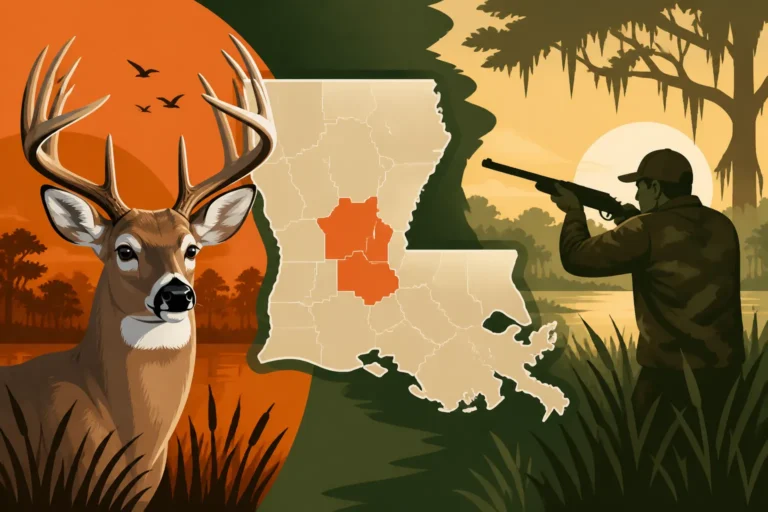
- White-tailed Deer: Our deer herd is abundant, but habitat varies dramatically. In the northern piney hills and Florida Parishes, you'll find more traditional hardwood and pine forests, often with rolling terrain. Here, tactics might resemble those used in other southeastern states. In contrast, the vast bottomland hardwoods and cypress-tupelo swamps of areas like the Atchafalaya Basin or the Tensas River Basin present a completely different challenge. These areas are characterized by dense cover, intricate water systems, and often require boat access. A buck in the basin might be a completely different animal than one in the uplands, both in terms of size and how you hunt him. Understanding White-Tailed Deer Across Louisiana is critical.
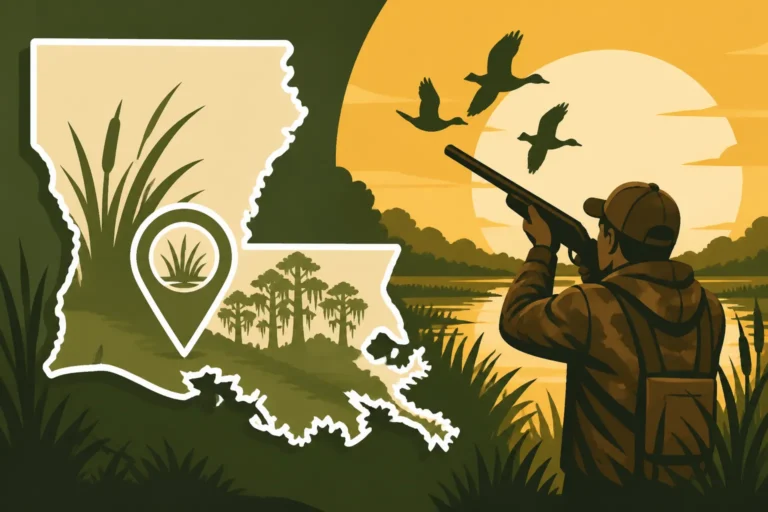
- Waterfowl: Louisiana's reputation for waterfowl hunting is legendary, especially in the coastal marsh parishes. As a nonresident, public opportunities abound, but often require intimate knowledge of the marsh, boat access, and specific WMA rules. You might be targeting ducks like teal, gadwall, and pintails, or chasing snow geese and specklebellies in rice fields. This is an entirely different world of hunting that demands specialized gear and knowledge. If you're dreaming of this, check out Waterfowl Hunting the Louisiana Coastal Marsh.
- Feral Hogs: These prolific animals can be hunted year-round on private land, and during designated hunting seasons on public lands. They are found throughout the state in almost every habitat type, from swamps to pine forests to agricultural fields. For nonresidents, hogs can offer a fantastic opportunity for a bonus animal or even a dedicated hunt, especially if deer or turkey seasons aren't open. They provide an exciting challenge, and many WMAs actively encourage their harvest. Learn more about Hunting Louisiana's Year-Round Feral Hogs.
Consider what kind of experience you're looking for and match it to the available public land opportunities and your own skill set. Don't go to the Atchafalaya Basin expecting an easy walk-in hunt; it's a deep swamp that demands boats and navigation skills.
Logistical Considerations
As an out-of-state hunter, logistics become significantly more complex. You're not just heading across town; you're often traveling a considerable distance, and every detail matters.
Travel and Lodging: Factor in travel time, fuel costs, and accommodations. Will you camp on public land (if permitted) or stay in a nearby town? Research local hotels, motels, or short-term rentals in advance, especially if you're hunting during a popular season opener. A comfortable place to rest and regroup is crucial, especially after a long day of navigating unfamiliar terrain.
Supplies: Beyond your hunting gear, consider what you'll need for several days. Food, water, cooking equipment (if camping), and first aid supplies are essential. Don't assume you can easily run to a big box store for forgotten items in rural Louisiana; plan to bring everything you need.
Game Processing and Storage: This is a big one, especially if you harvest an animal. If you get a deer, will you field dress it yourself and take it to a local processor, or do you have the facilities to quarter it yourself? Consider how you will keep the meat cool, especially in our often-warm Louisiana weather. If you're hunting in one of Louisiana's Chronic Wasting Disease (CWD) management zones, there will be specific rules about Louisiana Carcass Movement Restrictions and mandatory testing. Knowing these rules beforehand is critical to avoid issues. Always know where the nearest CWD sampling stations are. Read Louisiana's Chronic Wasting Disease Zones for more.
Overcoming Common Challenges
Hunting in Louisiana presents its own unique set of challenges, and for nonresidents, these can be amplified by unfamiliarity with the terrain and local hunting culture. Being prepared for these obstacles will significantly improve your chances of a successful and enjoyable trip.
Dealing with Hunting Pressure
Let's be realistic: public land, especially during popular seasons like opening weekend of firearms deer season, can get crowded. Louisiana public lands are no exception. Nonresidents often find themselves competing with a larger pool of hunters than they might be accustomed to in their home state. This pressure can push deer into thick cover or onto neighboring private lands.
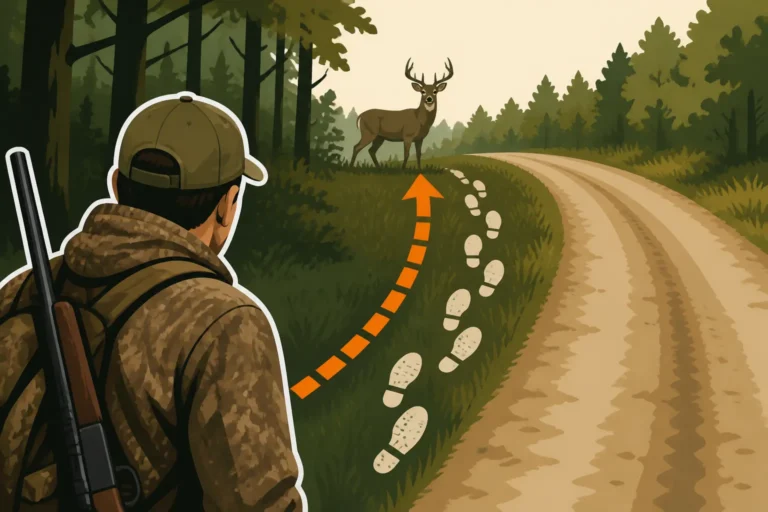
To combat this, you'll need a strategy. One effective approach is to hunt mid-week. Weekends see the heaviest traffic, so if your schedule allows, plan your hunt for Tuesday through Thursday. You'll likely encounter far fewer hunters and have more ground to yourself. Another tactic is to walk further than most people are willing to go. While many hunters stick close to roads and easy access points, venturing deeper into the public land, especially areas requiring a bit more effort to reach, can lead you to overlooked pockets of game. This might mean hiking through dense palmetto thickets, crossing small sloughs, or pushing into areas that simply look "too thick." Often, these are the places where mature bucks will retreat. Consider researching Hunting Pressure on Louisiana Public Land and Finding Ground Others Walk Past.
Using onX Hunt again here is crucial. By studying the maps, you can identify hard-to-reach areas, points where two parcels of public land converge, or even islands of public ground surrounded by private land that might see less pressure. Look for natural barriers like deep bayous or thick briar patches that deter other hunters but could be crossed with a little extra effort.
Understanding Louisiana's Terrain and Weather
Louisiana's landscape is unlike many other states, and its unique terrain demands specific adaptations in your hunting strategy.
Swamp and Bottomland Navigation: If you're hunting our bottomland hardwoods or cypress-tupelo swamps, be prepared for water. This means mud, standing water, and potentially needing a boat, pirogue, or even chest waders. Getting turned around in a dense swamp with similar-looking trees can be incredibly disorienting, even with GPS. Always tell someone your plans and expected return time. Map out your route, mark waypoints frequently, and pay attention to landmarks. Learning about Wind and Thermals in Swamp Bottomland is particularly important in these dense, humid environments, as they can behave differently than in open country.
Warm-Weather Strategies: Louisiana's hunting seasons often start in warm, humid weather, especially for archery deer and early waterfowl. This impacts both your comfort and your game handling. Dress in light, moisture-wicking layers. Bring plenty of water and bug spray. More importantly, have a plan for cooling and processing your animal quickly. Field dressing immediately and getting the carcass on ice or to a processor is paramount to preserving the meat in our climate. Letting a deer sit for too long in 80-degree weather is a recipe for spoilage. Warm-Weather Sitting Strategy in Louisiana covers many tactics for success.
Here's a quick comparison of various public land options for nonresidents:
| Public Land Type | Key Features for Nonresidents | Typical Access Methods | Common Species Hunted | Complexity Level |
|---|---|---|---|---|
| Wildlife Mgmt. Areas | Diverse habitats, specific unit regulations, quota/sign-in often | Vehicle, ATV (limited), foot, boat | Deer, Hogs, Squirrels, Ducks | Moderate to High |
| Kisatchie National Forest | Vast, less restrictive than WMAs, often primitive camping allowed | Vehicle, foot, ATV (designated trails) | Deer, Hogs, Squirrels | Low to Moderate |
| National Wildlife Refuges | Highly managed, strict rules, lottery hunts common, conservation-focused | Foot, limited vehicle, specific boat rules | Ducks, Geese, Deer, Hogs | High |
| State Parks | Very limited hunting, usually special quota hunts only | Foot | Deer | Very High |
Hunting Louisiana's public lands as a nonresident is an adventure that requires careful planning and a deep understanding of our unique regulations and landscapes. While the initial legwork might seem extensive, the reward of harvesting an animal in our wild, beautiful state is truly unforgettable. By taking the time to secure the right licenses, thoroughly research specific unit regulations, and strategically plan your hunt, you'll be well on your way to a successful and memorable Louisiana hunting experience.
Disclaimer
This article is for general informational purposes only and does not constitute professional advice. Laws, prices and regulations vary by location and change over time. Consult a qualified professional for guidance on your specific situation.