Reporting a Poacher in Louisiana
It’s a gut-wrenching feeling, isn't it? You’re out enjoying the peace of Louisiana’s wild places, maybe scouting a deer trail or checking a duck blind, and you stumble across something that just isn’t right – a fresh kill out of season, an illegally spotlighted field, or someone acting shady. That pit in your stomach tells you it's poaching, and it leaves you frustrated, angry, and often wondering what you can even do about it. This guide is here to empower you, offering clear, actionable steps on how to report a poacher in Louisiana and why your vigilance is so incredibly vital for the future of our hunting heritage.
Why Reporting Poaching Matters So Much
When you see a game violation, it's easy to feel like it's just "one incident" or that reporting it won't make a difference. But the truth is, poaching isn't just a minor infraction; it's a serious crime that undermines everything we, as ethical hunters and conservationists, stand for. Ignoring it allows a small problem to fester, ultimately harming our wildlife, our reputation, and our shared outdoor experience.
Protecting Our Wildlife Resources
Louisiana is blessed with an incredible diversity of wildlife, from the robust white-tailed deer herds roaming the piney hills to the millions of waterfowl migrating through our coastal marshes. These resources aren't infinite; they're carefully managed through seasons, bag limits, and specific regulations designed to ensure healthy populations for generations to come. Poachers, by their very nature, disregard these rules entirely. They might take multiple deer when only one is allowed, kill turkeys during the wrong time of year, or harvest alligators with illegal methods. Every illegal animal taken is a direct theft from the legitimate, law-abiding public, reducing the overall population and potentially impacting genetic health or herd demographics. It's a fundamental breach of trust and a direct threat to the very animals we cherish and work so hard to preserve.
Upholding Fair Chase Principles
The concept of fair chase is the bedrock of ethical hunting. It’s about respect for the animal, using skill and knowledge, and giving the quarry a reasonable chance. Poaching, whether it's spotlighting deer at night, shooting from a road, or taking game with prohibited devices, utterly demolishes any notion of fair chase. It's not about the thrill of the hunt; it's about selfish gain and disrespect. When these acts go unchecked, it stains the perception of all hunters in the public eye. We all know how quickly one bad apple can spoil the bunch, and poachers are those bad apples, eroding the credibility and public support that legal, ethical hunting depends on. Every time an incident of poaching makes the news, it's a setback for every hunter who diligently follows the rules, pays their license fees, and contributes to conservation. We have a collective responsibility to police our own ranks and ensure the integrity of our sport.
Maintaining Public Trust in Hunting
Hunting in Louisiana, as in many states, relies heavily on public acceptance and understanding. There's already a significant segment of the population that doesn't hunt and may not fully grasp why we do what we do. When poachers operate with impunity, it reinforces negative stereotypes about hunters being careless, greedy, or disrespectful of wildlife. This damages our social license to hunt, making it harder to advocate for our rights and protect our outdoor traditions. Law-abiding hunters contribute millions of dollars annually through licenses, stamps, and excise taxes on gear, directly funding wildlife management and habitat conservation. Poachers contribute nothing but destruction and disdain. By actively reporting poachers, you're not just enforcing the law; you're safeguarding the future of hunting itself, demonstrating that hunters are, in fact, the most dedicated conservationists. It also ensures that initiatives like the Louisiana Hunter Education Requirements remain robust and emphasize ethical conduct.
How to Report a Poacher in Louisiana
The good news is that Louisiana makes it relatively straightforward to report suspected poaching. The Louisiana Department of Wildlife and Fisheries (LDWF) has dedicated resources specifically for this purpose. Don't ever feel like you're alone in this or that your report will fall on deaf ears. They want to hear from you.
LDWF Operation Game Thief Hotline
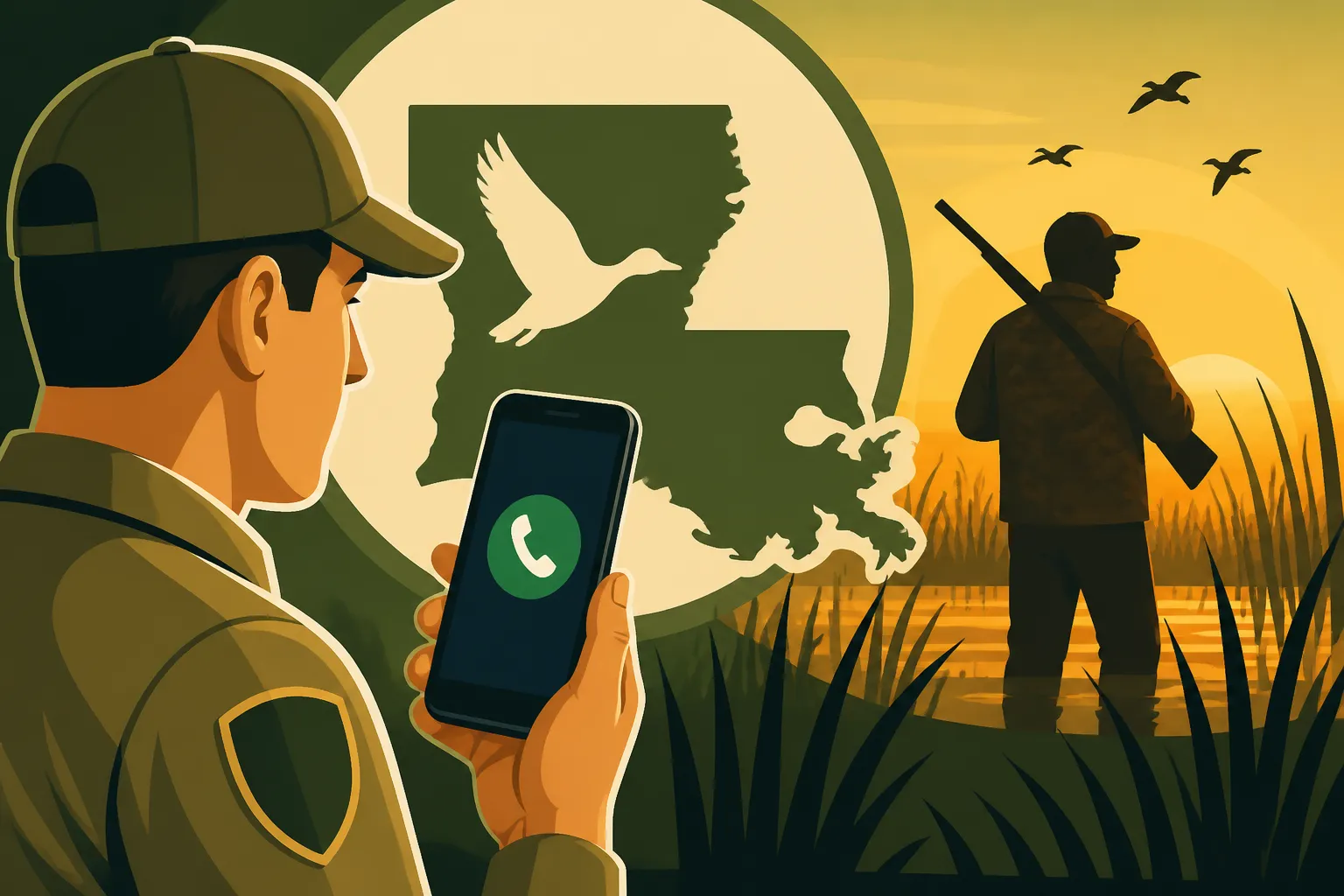
The most direct and often quickest way to report poaching, especially for urgent situations, is through the Operation Game Thief (OGT) hotline. This is a 24/7 service designed for exactly these kinds of calls. The number is (800) 442-2511. When you call, you'll reach a dispatcher who is trained to take down the critical details of your report. It’s important to speak clearly, concisely, and provide as much detail as possible, even if you’re shaken up. This hotline is specifically designed to handle sensitive information, and you can remain anonymous if you choose. Remember, this isn't just for deer season; it's for all wildlife violations, from illegal fishing to suspicious activity regarding American Alligators in Louisiana.
Using the LDWF Law Enforcement App
In our increasingly digital world, the LDWF has also provided a modern solution: a dedicated law enforcement app. This app is available for both iOS and Android devices and allows you to submit reports directly from your smartphone, often with the ability to include photos or videos if you’ve safely captured them. It’s particularly useful if you’re in an area with poor cell service for calls but can get enough data connectivity to send a message. The app often allows for more detailed, written accounts and the exact location mapping, which can be invaluable for wildlife agents trying to pinpoint an incident. It also provides a discreet way to report if you’re in a situation where making a phone call might alert the poacher. For a comprehensive scouting tool, some hunters use apps like GoHunt, which can give you a lot of topographical information, but for reporting violations, the official LDWF app is your direct line to law enforcement.
Local Wildlife Agent Contact
While the OGT hotline and app are excellent for immediate and anonymous reports, sometimes you might have an ongoing issue or need to provide more context. In such cases, contacting a local LDWF wildlife agent directly can be beneficial. You can often find contact information for agents assigned to specific parishes or regions on the LDWF website. This direct contact can be useful if you've previously reported an issue and want to follow up, or if you have a relationship with a particular agent. However, for initial, time-sensitive reports, always lean towards the OGT hotline or the app, as those are staffed continuously. If you’re regularly in a particular area, like when Scouting Louisiana Public Land Before Season, it can be helpful to know the local agent for any non-emergency questions or concerns that might arise.
What Information to Gather Before Reporting
Reporting a poacher effectively hinges on providing as much accurate information as possible. Think of yourself as a crucial witness; the more details you can give, the better equipped wildlife agents will be to investigate and apprehend the culprits.
The Who, What, When, Where, Why, and How
This classic framework for reporting is invaluable. When you encounter a potential poaching incident, try to mentally (or even physically, if safe) note these key pieces of information:
- Who: Can you describe the individual(s)? Number of people, gender, approximate age, height, build, hair color, clothing. Did you see their face? Any distinguishing marks or tattoos? What about the vehicle? Make, model, color, license plate number (even partials are helpful!). Any unique features like dents, stickers, or custom rims?
- What: What exactly did you observe? Was it a shot fired out of season? An animal carcass dumped illegally? Someone baiting deer in a restricted zone? A trapline set without proper tags? Be specific about the illegal activity. For instance, if it’s about White-Tailed Deer Across Louisiana, note if it was a buck or doe, and approximately how large.
- When: The exact date and time of the incident are crucial. Even an approximate time frame (e.g., "around dusk on Tuesday") is better than nothing.
- Where: This is perhaps the most vital piece of information. Provide specific locations. This could be a street address, GPS coordinates, a clearly identifiable landmark, road names, nearest intersections, or even a detailed description like "about 2 miles down the main logging road from Highway 10, near the large fallen cypress tree." Apps like GoHunt or the LDWF app can help you pinpoint exact coordinates.
- Why: While you might not know the poacher's motive, any contextual details can help. For example, "they appeared to be trying to conceal the carcass" or "they were shining a spotlight from the vehicle."
- How: What methods were they using? Firearms, crossbows, nets, traps, dogs where prohibited? Any specific equipment involved?
The more details you can recall, the stronger the case will be. Even seemingly minor observations can become critical puzzle pieces for law enforcement.
Prioritizing Your Safety First
Let's be absolutely clear: your safety is paramount. Do not, under any circumstances, confront suspected poachers. Poaching is a criminal activity, and individuals engaged in it are often armed and unpredictable. Getting involved directly can put you in harm's way. Your role is to be a vigilant observer and a reporter, not an enforcer. If you see something suspicious, maintain a safe distance, retreat if necessary, and use cover if you feel exposed. Do not draw attention to yourself. Your goal is to gather information safely and then relay it to the proper authorities. This means making a mental note of details, maybe snapping a discreet photo from a distance if it can be done without being seen, but never engaging.
Documenting Evidence Legally and Safely
While confronting a poacher is a definite no-go, documenting what you see (from a safe distance) can significantly bolster a case. If you can safely take photos or videos of the individuals, their vehicle, or the illegal activity without being detected, do so. These visual aids can provide irrefutable evidence. However, remember the emphasis on "safely" and "without being detected." A blurry photo is better than no photo, but risking your safety for a perfect shot is never worth it.
If you find physical evidence, like an illegally dumped carcass, discarded shells, or bait, do not disturb the scene. Note its location and describe it accurately to the authorities. Leave it for the wildlife agents to collect. If you are reporting through the LDWF app, you often have the option to attach these photos or videos directly to your report. If calling the hotline, tell them you have photos and ask how they prefer to receive them. The more evidence you have that stands up in court, the better the chances of conviction and enacting Louisiana Wildlife Violation Penalties.
Here's a quick reference table for reporting methods:
| Reporting Method | Best Use Case | Anonymity Option | Ability to Add Photos/Videos | Contact/Access Details |
|---|---|---|---|---|
| Operation Game Thief Hotline | Urgent, time-sensitive incidents, 24/7 | Yes | No (verbally describe) | (800) 442-2511 |
| LDWF Law Enforcement App | Non-urgent, discreet reports, includes location | Yes | Yes | Download from App Store/Google Play (search LDWF) |
| Local Wildlife Agent Contact | Ongoing issues, follow-ups, non-emergencies | Varies | Varies | LDWF Website (search by parish) |
What Happens After You Report
It's natural to wonder what happens once you've made that call or submitted that app report. The process isn't always instant, but rest assured, your information is being taken seriously.
The Investigation Process
Once a report comes in, especially through Operation Game Thief, it’s immediately relayed to the appropriate LDWF wildlife agents in the area of the reported incident. They will then initiate an investigation. This might involve patrolling the area, looking for the described vehicle or individuals, examining any evidence found, or conducting surveillance. Investigations can sometimes be quick, leading to immediate arrests, but often they require patience and careful detective work, especially if the poachers are elusive. They often have to consider many factors, including what specific Louisiana's Ten Deer Hunting Areas Explained the incident occurred in, as rules can vary. Agents are highly trained professionals, dedicated to protecting our wildlife, and they take these reports very seriously.
Anonymity and Rewards for Information
One of the biggest concerns for many people is remaining anonymous, and the LDWF fully respects that. You absolutely have the option to report poaching anonymously through the OGT hotline or the app. Your identity will be kept confidential. Furthermore, Operation Game Thief offers cash rewards for information that leads to an arrest or conviction. These rewards can range from a few hundred to thousands of dollars, depending on the severity of the violation and the information provided. It’s a way to encourage reporting and acknowledge the valuable service tipsters provide. You can specify if you want to be considered for a reward when you make your report.
The Importance of Follow-Up
Sometimes, a single report might not be enough, especially for ongoing issues. If you continue to observe suspicious activity in the same location or involving the same individuals after making an initial report, don't hesitate to follow up. You can reference your previous report (if you received a case number) or simply provide updated information. Persistence can pay off. Agents are working many cases simultaneously, and fresh details or repeated reports can elevate the priority of an investigation. It’s a testament to your commitment to ethical hunting and conservation, much like understanding the nuances of Hunting the Rut in the Early-Start Areas requires consistent observation.
Common Poaching Scenarios in Louisiana
Poaching takes many forms, and recognizing some of the common scenarios in Louisiana can help you identify suspicious activity more quickly. It's not always the obvious "spotlighting a deer" situation; sometimes it's more subtle.
Deer and Turkey Violations
Deer are by far the most commonly poached big game animal in Louisiana. Common violations include:
- Night Hunting/Spotlighting: This is when individuals use artificial lights (like vehicle headlights or handheld spotlights) to locate and shoot deer after dark. It’s incredibly dangerous and illegal.
- Hunting Out of Season: Taking a deer (or turkey) outside of the legal Louisiana Firearms Season Opening Day by Area or archery window is a classic poaching offense. This includes harvesting deer when only antlerless is allowed, or vice versa, or taking multiple bucks over the legal bag limit.
- Hunting Without a License/Tags: While this might seem basic, many poachers operate without the proper Louisiana Resident Hunting License Options or deer tags, often taking more than their legal limit.
- Baiting: While legal in some private land scenarios with certain restrictions, illegal baiting (e.g., within CWD management zones, or using prohibited substances) is a violation.
- Road Hunting: Shooting from a public road or within a prohibited distance from a roadway.
- Turkey Roost Shooting: Killing a wild turkey while it's still on the roost at night or before legal shooting hours is another common violation that is often associated with Wild Turkeys in Louisiana.
If you see someone actively engaged in these behaviors, especially if they appear to be trying to conceal their actions or the game they’ve taken, it's a strong indicator of poaching.
Waterfowl and Alligator Poaching
Louisiana's abundant waterfowl and alligator populations also make them targets for poachers.
- Waterfowl: Violations often include exceeding bag limits for ducks and geese, hunting out of season, using unplugged shotguns (holding more than three shells), shooting protected species, or hunting without proper federal or state migratory bird stamps. You might also see individuals Hunting the Vermilion Parish Marsh outside of regulated hours or using illegal methods.
- Alligators: Illegal alligator hunting can involve taking alligators out of season, without the proper tags, or using prohibited methods like firearms (unless specifically allowed for dispatching). The legal recreational alligator season involves strict regulations, and any deviation is a violation of Louisiana Alligator Legal Methods. Observing someone with alligator hides or meat outside of the legal framework or with obvious signs of illegal harvest should raise a red flag.
Baiting and Closed Season Incidents
Beyond specific species, general violations like illegal baiting are a persistent problem. For example, within Louisiana's Chronic Wasting Disease Zones, baiting is strictly prohibited to prevent the congregation and potential spread of the disease. Observing corn piles, mineral blocks, or other attractants in these restricted zones, especially on public land, is a reportable offense. Likewise, any hunting or trapping activity that occurs completely outside of legal seasons, regardless of the species, is poaching. This could be someone setting traps for furbearers in July or running dogs for Louisiana Feral Hog Regulations (which are legal year-round) but then taking deer during a closed season.
Debunking Myths About Reporting Poaching
Many misconceptions float around that might make people hesitant to report poaching. Let's tackle a few of these head-on, because your participation is truly vital.
"It's Not Worth It"
This is a common sentiment born out of frustration or a feeling of powerlessness. "They'll never catch them," or "it's just one deer," are phrases we often hear. But this couldn't be further from the truth. Every single report matters. Even if a specific report doesn't lead to an immediate arrest, it provides valuable intelligence to wildlife agents. They build databases, track patterns, and develop leads over time. A series of reports about suspicious activity in a certain area can lead to dedicated surveillance operations that eventually catch persistent poachers. Your report contributes to a larger effort, and without it, agents are operating blind. Think about the cumulative impact; if everyone who saw poaching said "it's not worth it," then our wildlife resources would quickly dwindle. GoHunt and other mapping tools used by ethical hunters can help pinpoint areas of concern, making "it's not worth it" an even weaker excuse.
"I'll Get Dragged Into Court"
Another major concern is the fear of legal entanglements. Many people worry that if they report a poacher, they'll be forced to testify in court, potentially exposing themselves to retaliation or significant inconvenience. As mentioned earlier, you can absolutely report poaching anonymously. If you choose to remain anonymous, your identity will not be shared, and you will not be called to testify. In cases where your information is critical and you're willing to be identified, you would typically be contacted by law enforcement to discuss the process. However, the decision to proceed as an identified witness is always yours. Wildlife agents understand these concerns and prioritize protecting their informants. They are usually able to build strong cases with collected evidence and their own investigative work, often minimizing the need for a tipster's direct court appearance.
"They Won't Do Anything Anyway"
It’s easy to feel cynical, especially if you haven't seen an immediate outcome from a past report. But wildlife agents are deeply committed to their work. They are often passionate hunters and conservationists themselves, and they take poaching very personally. The truth is, law enforcement investigations take time, and for every public arrest or conviction, there are countless hours of investigation, surveillance, and paperwork behind the scenes that the public never sees. They simply cannot disclose details of ongoing investigations to protect their cases and sources. Just because you don't see an immediate outcome doesn't mean nothing is being done. Trust that your report is being acted upon within the constraints of law enforcement protocols. Your effort to report contributes to the bigger picture, helping ensure that ethical practices are upheld, similar to how following the rules for Louisiana Hunting Licenses and What They Cost is part of being a responsible hunter.
Penalties for Wildlife Violations in Louisiana
Understanding the consequences poachers face can reinforce why reporting is so important. Louisiana law imposes significant penalties for wildlife violations, reflecting the seriousness of these crimes.
Fines and Jail Time
Wildlife violations in Louisiana can carry substantial fines, ranging from hundreds to thousands of dollars, depending on the severity of the offense and the species involved. For example, violations involving protected species like American Alligators in Louisiana or commercial quantities of game can result in particularly heavy fines. Beyond financial penalties, many poaching offenses also carry the possibility of jail time. For more serious or repeat offenses, poachers can face misdemeanor or even felony charges, leading to extended periods of incarceration. These penalties are designed to deter illegal activity and demonstrate that Louisiana takes its wildlife laws seriously.
Hunting License Revocation
One of the most impactful penalties for a poacher, particularly for someone who considers themselves a hunter, is the revocation of their hunting and fishing licenses. Louisiana law allows for the suspension or permanent revocation of all recreational licenses for individuals convicted of wildlife crimes. This means not only losing the privilege to hunt and fish in Louisiana but often in other states as well, due to interstate compacts like the Wildlife Violator Compact. For a true sportsman, losing the ability to participate in their beloved outdoor pursuits is a significant deterrent and a clear message that illegal activity will not be tolerated. This is a far cry from the careful planning required for a legal hunt during Hunting the Rut in the Long-Window Areas.
Restitution for Taken Game
In addition to fines and license revocation, poachers in Louisiana can also be ordered to pay restitution for the value of the illegally taken wildlife. This means they must financially compensate the state for the ecological and recreational value of the animals they poached. The restitution values can be significant, especially for trophy animals or multiple animals taken. This monetary penalty underscores that wildlife belongs to all citizens of Louisiana, and its illegal taking is a theft that must be repaid. This is a critical component of Louisiana Wildlife Violation Penalties, ensuring that the public is compensated for the damage done to shared natural resources.
Disclaimer
Please remember that this guide provides general information about reporting poaching in Louisiana and should not be considered legal advice. Wildlife laws and regulations can change, and specific situations may vary. Always refer to the official Louisiana Department of Wildlife and Fisheries (LDWF) regulations and consult with legal professionals for specific legal questions.