Running Dogs on Louisiana Feral Hogs
Feral hogs are a pervasive problem across Louisiana, tearing up pristine landscapes, destroying crops, and outcompeting native wildlife for food. For many hunters, the traditional method of running dogs on these destructive animals isn't just a sport; it's a vital part of managing their populations and a thrilling outdoor experience deeply rooted in our state's heritage. This guide will walk you through everything you need to know to safely and effectively engage in hog dogging in the bayous, swamps, and piney woods of Louisiana.
Understanding the Tradition and Legality of Hog Dogging in Louisiana
When you talk about controlling feral hogs in Louisiana, one of the first methods that often comes to mind for those steeped in local hunting culture is "hog dogging." It’s a method that evokes images of grit, determination, and a deep connection between hunter and hound. But it’s not just about the chase; it’s a strategic approach to a serious ecological issue, and it's essential to understand its place in both tradition and law.
The Enduring Appeal of Hog Dogging
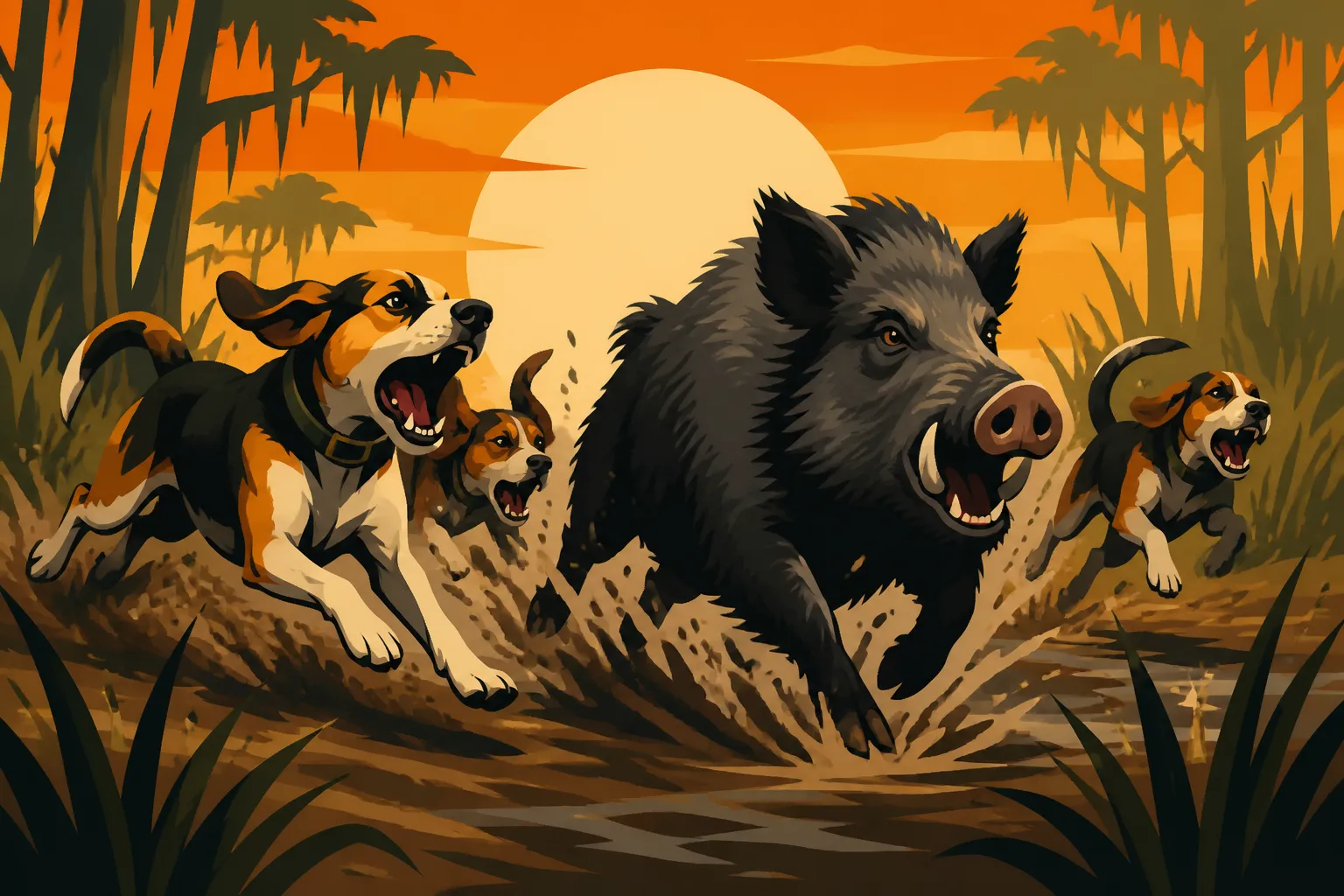
There's a raw, primal energy to running dogs on feral hogs that's unlike almost any other hunting pursuit. It's a true test of stamina, tracking ability, and the unbreakable bond between a hunter and their canine companions. For generations, Louisianans have relied on the keen noses and fearless hearts of their dogs to root out these elusive, intelligent, and often dangerous animals from the densest cover. The appeal isn't just in the challenge, but in the effectiveness. Hogs are notoriously difficult to ambush with traditional still-hunting methods, especially in the thick, unforgiving terrain of our swamps and bottomlands. Dogs can penetrate these areas, locating hogs that would otherwise remain hidden, flushing them out, or holding them at bay for the hunter to move in.
Beyond the practicalities, it’s a social event for many. Dog hunting often involves a team of hunters, each with their own dogs, working in concert. The camaraderie, the shared anticipation, the adrenaline of the chase, and the stories told afterward are all part of a rich tradition that passes down through families and communities. It’s a way of life for some, a deep-seated passion that connects them to the land and to a lineage of hunters before them. Many will tell you that the satisfaction of removing a destructive hog, knowing your dogs performed admirably, is unparalleled.
Legal Framework and Regulations
While hog dogging is deeply ingrained in Louisiana's hunting fabric, it's not a free-for-all. The Louisiana Department of Wildlife and Fisheries (LDWF) has specific rules governing the use of dogs for hunting feral hogs. It’s absolutely critical that you familiarize yourself with these regulations to ensure you're hunting legally and ethically. One of the most important things to remember is that Louisiana Feral Hog Regulations state that feral hogs can be hunted year-round on private lands during daylight hours. However, public lands often have more restrictive rules, sometimes requiring specific permits or only allowing dog hunting during designated periods or in certain areas.
For instance, on private lands, you generally have a lot more flexibility. There's often no closed season, and you don't need a hunting license to hunt hogs on your own land or with permission from the landowner. However, once you step onto public hunting grounds like Wildlife Management Areas (WMAs) or Kisatchie National Forest, the rules change drastically. Many WMAs might prohibit the use of dogs entirely, or only allow it during specific dates, sometimes coinciding with deer season or during special administrative hunts. Always check the current year's WMA regulations booklet or the LDWF website before planning a public land hunt. Violations can lead to significant penalties, so staying informed is paramount. You certainly don't want to run afoul of Louisiana Wildlife Violation Penalties.
Public vs. Private Land Considerations
Choosing where to run your dogs is a decision that significantly impacts your planning and strategy. Private land offers the most straightforward approach. If you have permission from a landowner, you often have the freedom to hunt when and how you wish, within the general state regulations for feral hogs. This includes the ability to conduct night hunts with lights or use trapping methods like Trapping Louisiana Feral Hogs if you so choose, though dog hunting is typically a daylight activity. Many landowners are eager to have hunters help them control hog populations due to the extensive damage these animals cause to crops, timber, and infrastructure. Building good relationships with landowners is key to securing consistent access to private land. This might even involve offering to help with other farm tasks or sharing some of the harvested hog meat.
Hunting on public land, however, requires meticulous preparation and adherence to strict WMA or National Forest rules. It’s less about general state law and more about the specific regulations for that particular parcel of public ground. For example, some WMAs in the Atchafalaya Basin might allow hog dogging during specific small game seasons, while others in the piney hills of North Louisiana may prohibit it year-round. You need to consult the LDWF's official WMA regulations each year, as they can change. The challenge on public land also comes with increased hunting pressure and often more difficult access. It’s wise to spend time Scouting Louisiana Public Land Before Season to understand the terrain, potential hog sign, and any specific access points or restrictions. You might find areas like the Pearl River WMA or parts of the Richard K. Yancey WMA offering opportunities, but only during specific windows, so diligent research is non-negotiable.
Building Your Hog Dog Team: Breeds, Training, and Gear
Successfully running dogs on feral hogs isn't something you just jump into. It requires a carefully selected team of canines, each with specific roles, along with dedicated training and the right equipment to ensure both efficiency and safety. This isn't just about having "a dog"; it's about building a cohesive, disciplined unit.
Choosing the Right Breeds: Bay Dogs and Catch Dogs
A typical hog dog team is comprised of at least two types of dogs, each with a distinct job: bay dogs and catch dogs. Understanding their roles is fundamental to building an effective team.
Bay Dogs: These are the scent hounds, the vocalists of the operation. Their primary job is to track the hog, locate it, and then "bay" it—which means holding it in place by barking, circling, and harassing it without actually making physical contact. This gives the hunter time to arrive on the scene. Good bay dogs have incredible stamina, a strong nose, and a keen sense of self-preservation. They're smart enough to keep a safe distance from a charging hog while still being aggressive enough to keep its attention. Common breeds or crosses used as bay dogs include Catahoula Leopard Dogs (a Louisiana native!), curs, Plott hounds, and Walkers. Their vocalization is key; it not only tells you where the hog is but also helps you gauge the intensity of the situation. A steady, consistent bay usually means the hog is held, while a frantic, changing tone might indicate a hog on the move or a dangerous encounter.
Catch Dogs: These are the muscle, the closers. Their role is to engage the hog physically, grabbing it by the ear or neck to subdue it once the hunter arrives. This allows the hunter to safely approach and dispatch the animal. Catch dogs need to be extremely powerful, fearless, and possess a strong bite and a thick hide. Pit Bull Terriers, American Bulldogs, and various bulldog crosses are frequently used as catch dogs due to their strength, tenacity, and protective instincts. They are typically released after the bay dogs have the hog cornered and held. It’s crucial that catch dogs are well-trained to grab and hold, not to "kill," as their job is to assist the hunter, not to finish the job independently. These dogs often wear protective vests to minimize injuries from tusks, which can inflict devastating wounds.
Here's a quick comparison of their key roles:
| Feature | Bay Dogs | Catch Dogs |
|---|---|---|
| Primary Role | Locate, track, and hold hog by barking (baying) | Physically engage and subdue hog |
| Approach | Maintain distance, harass vocally | Direct physical engagement, hold by ear/neck |
| Key Traits | Scenting ability, stamina, vocalization, agility | Strength, tenacity, protective instincts, strong bite |
| Common Breeds | Catahoula, Curs, Plotts, Walkers | Pit Bulls, American Bulldogs, various Bull Crosses |
| Safety Gear | GPS collars, bells | Protective vests, GPS collars |
| Release Timing | First, to find and bay | Second, once hog is bayed |
Essential Training for Your Hounds
Regardless of whether they are bay dogs or catch dogs, extensive and consistent training is absolutely non-negotiable. These are working animals, and their effectiveness and safety (as well as yours) depend on their discipline and learned behaviors.
- Socialization and Obedience: Every hog dog needs a strong foundation in basic obedience. They must respond to commands like "sit," "stay," "come," and "no" immediately and consistently. Early socialization with other dogs, people, and different environments is also vital. A well-socialsocialized dog is less likely to become aggressive towards other hunters or dogs afield, which is particularly important when Hunting With Dogs Where Louisiana Allows It.
- Scent Training: Bay dogs require specific scent training. Start with scent drags using hog parts or hog urine in a controlled environment. Gradually increase the difficulty, moving to areas with more natural cover. Encourage their natural tracking instincts, but also teach them to ignore other game animals. You want a hog-focused dog, not one that will chase a deer or a rabbit.
- Baying Training: For bay dogs, training them to bay without making contact is crucial. This can be done with a caged hog or a simulated hog target. Reward consistent barking and circling, and correct any attempts to engage physically. They need to understand the line between holding and fighting.
- Catch Training: Catch dogs need to be taught where and how to grab a hog. This is often done with a trained "hog dummy" or a docile, smaller hog in a controlled setting. They must learn to grab firmly by the ear or neck and hold, not bite aggressively to inflict damage beyond subduing. This controlled aggression is vital for their safety and for facilitating a humane dispatch.
- GPS Collar Training: All hog dogs should be comfortable wearing a GPS collar. Practice with them around the house and on training runs. This isn't just a piece of gear; it's a lifeline. Teaching them to respond to e-collar corrections (if you choose to use one) is also part of this training, particularly for reinforcing boundaries or calling them off. Brands like Garmin Alpha or Garmin Astro are popular choices for tracking multiple dogs in dense cover, integrating with mapping applications like GoHunt to visualize your dogs' positions in real-time.
Consistency is key. Regular training sessions, even short ones, reinforce good habits. Expose them to varied terrain, loud noises, and other distractions they might encounter in the field. Remember, these dogs are athletes; they need to be in excellent physical condition to withstand the rigors of the chase, especially in the warm, humid Louisiana climate.
Must-Have Gear for Hunter and Dogs
Heading into the Louisiana wilderness with hog dogs without the right gear is asking for trouble. This equipment is designed for safety, tracking, and effective hog retrieval.
-
For the Dogs:
- GPS Tracking Collars: Absolutely non-negotiable. These are critical for keeping tabs on your dogs in dense cover, especially if they run a hog far out of sight. A good system from brands like Garmin is vital. It allows you to see their location on a handheld device or even your phone, helping you navigate through the swamp or thicket to reach them. These systems are also excellent for understanding how far your dogs range and if they are holding a hog.
- Protective Vests: Essential for catch dogs. Feral hog tusks are razor-sharp and can inflict severe, often fatal, wounds. Vests made from ballistic nylon, Kevlar, or other tough materials protect the dog's chest and vital organs. Even bay dogs can benefit from lighter protective collars to shield their throats.
- E-collars: For remote correction and communication, especially if a dog gets off-track or needs a reminder of a command. Use these responsibly and only after thorough training.
- Leashes/Catch Poles: For securing dogs after the catch. A catch pole is especially useful for quickly and safely controlling a catch dog or a particularly feisty hog.
- First-Aid Kit (Canine Specific): Always carry a comprehensive first-aid kit for your dogs. This should include bandages, antiseptic, veterinary wrap, needle-nosed pliers (for thorns), blood clotting agents, and any specific medications your dogs might need. Hogs are dangerous, and injuries are a real possibility.
- Water: Plenty of fresh water for your dogs, especially in Louisiana's heat and humidity. Dogs can quickly overheat and dehydrate during an intense chase.
-
For the Hunter:
- GPS Device/Mapping App: Even with dog GPS, a reliable mapping tool for yourself is critical. This could be a handheld GPS unit or an app like GoHunt on your smartphone. These tools are indispensable for navigating dense terrain, marking your truck, and understanding the layout of the land, especially if you're venturing into unfamiliar public areas or large private tracts. They can show property boundaries, topography, and even aerial imagery which is incredibly useful for planning your approach.
- Tracking Collar Receiver: To monitor your dogs.
- Knife/Dispatch Weapon: A strong, sharp knife is the preferred and most humane tool for dispatching a hog at close quarters when using dogs. Some hunters prefer a handgun or a .22 short rifle, but always check local regulations regarding firearm use during dog hunts.
- Protective Clothing: Long sleeves, sturdy pants, snake boots, and gloves are recommended. The terrain can be rough, and snakes are always a concern in Louisiana.
- Water and Snacks: For yourself. Dog hunting can be physically demanding and often takes you far from your vehicle.
- Basic First-Aid Kit (Human): For cuts, scrapes, and other minor injuries you might sustain.
- Communication Device: A cell phone for emergencies, but also consider a satellite messenger if hunting in areas with no cell service.
Key Strategies for a Successful Hog Dog Hunt
Having the right dogs and gear is only part of the equation. To consistently find and catch feral hogs with dogs, you need a solid strategy, from scouting the area to executing the final catch. It's a dynamic process that requires quick thinking and an understanding of hog behavior.
Scouting and Locating Hog Activity
You can't just release dogs anywhere and expect success. Effective hog dogging starts long before the dogs hit the ground, with thorough scouting. Feral hogs are creatures of habit, often frequenting areas with abundant food, water, and dense cover for bedding and escape.
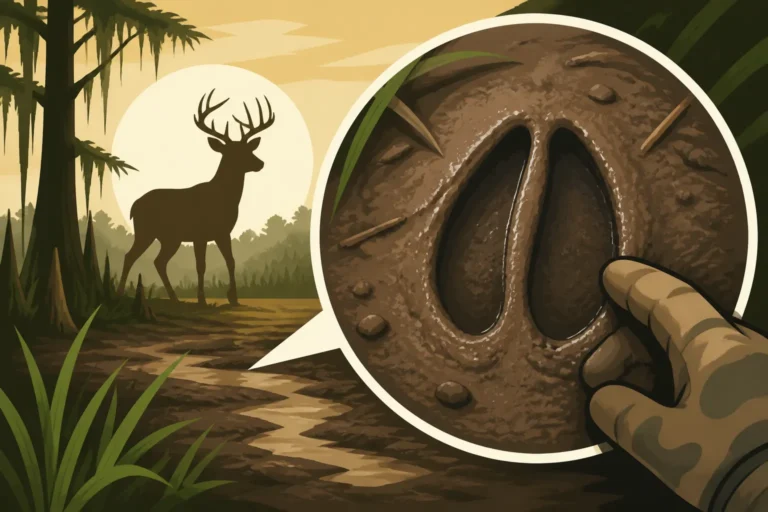
- Identify Hog Sign: Look for classic indicators like rooting (disturbed soil where hogs have dug for roots, tubers, and grubs), rubs on trees (from hogs scratching themselves), wallows (muddy depressions where they cool off), and tracks. Fresh sign is key. Hogs move, so old sign doesn't guarantee a current presence.
- Focus on Food Sources: Hogs are opportunistic omnivores. Look for areas with acorns, pecans, wild berries, or agricultural fields (corn, soybeans, rice). In the swamps, they'll frequent areas with palmetto roots or dense stands of vegetation. A bad acorn year, for instance, might push hogs into different areas in search of food, something to consider when Hunting After a Poor Acorn Year.
- Water Access: Hogs need water daily. Look for creek beds, sloughs, ponds, and marsh edges. These areas often provide both water and muddy wallows.
- Dense Cover: Hogs love thick cover—brier patches, cane thickets, dense palmetto swamps, clear-cuts, and bottomland hardwoods. These provide refuge from predators and hunters, especially during the heat of the day. They'll often bed down in the thickest stuff they can find, similar to Where Atchafalaya Basin Bucks Bed, making dog hunting an effective strategy to dislodge them.
- Utilize Mapping Tools: Apps like GoHunt are invaluable for scouting. You can use aerial imagery to identify potential travel corridors, dense bedding areas, and water sources. Mark these spots as waypoints for future reference. Understanding the topography and identifying natural funnels or pinch points can help you anticipate where hogs might try to escape. You can also layer property lines to ensure you're hunting legally.
Scouting isn't a one-and-done activity; it should be ongoing. Hogs can move in and out of an area quickly, so fresh scouting is always beneficial before a hunt.
Releasing the Hounds and Following the Chase
Once you've identified a promising area, it's time to release your bay dogs. This is where the hunt truly begins, and your ability to interpret your dogs' actions becomes paramount.
- Strategic Release: Release your bay dogs in an area with fresh hog sign, preferably upwind so their noses can pick up scent. Don't just turn them loose indiscriminately. Allow them to work the cover, casting in a pattern to pick up a trail.
- Listening to the Bay: The bay dogs will start to "open up" when they hit a fresh track, their barks changing from searching whimpers to more urgent calls. As they get closer to the hog, the bay will become more intense and consistent. This is your cue to start moving in their direction. Pay close attention to the sound: a steady, tight bay means the hog is likely cornered and standing its ground, while a moving, less consistent bay indicates the hog is on the run.
- Following the Chase: This is often the most physically demanding part. You need to follow your dogs, guided by their barks and your GPS tracking device. This might involve busting through dense brush, navigating swamps, or traversing uneven terrain. Speed is often of the essence, as you want to reach the bayed hog before it breaks cover or hurts your dogs. Use your GoHunt app or GPS unit to plot the most efficient route to their location, taking into account any natural barriers or terrain challenges. Understanding Wind and Thermals in Swamp Bottomland can also help you predict how scent might carry and where hogs might be moving.
- Team Coordination: If hunting with multiple people, effective communication is vital. Use radios or hand signals to coordinate your movements. One hunter might take a more direct route, while another might try to cut off a potential escape route for the hog.
The thrill of hearing your dogs close in, the bay growing louder with each step you take, is an experience that keeps hog doggers coming back for more.
Reading Your Dogs and Making the Catch
Reaching the bayed hog is the culmination of the chase, and it requires careful observation of your dogs and a decisive approach.
- Assess the Situation: When you get within earshot and sight, pause to observe. Are the bay dogs holding the hog effectively? Is the hog agitated and trying to escape, or is it standing its ground aggressively? Look for signs of injury to your dogs. If the hog is actively fighting and the bay dogs are struggling, it might be time to release the catch dogs.
- Release Catch Dogs (If Necessary): If the bay dogs cannot hold the hog, or if it's too aggressive and posing a threat, release your catch dogs. They should immediately move in and grab the hog, typically by the ear or neck, bringing it to a standstill. It’s crucial that these dogs are well-trained and execute their grab cleanly and quickly.
- Safe Approach: Once the hog is held, approach cautiously. A wounded or cornered hog is incredibly dangerous and can turn on you quickly. Have your dispatch weapon ready. Speak calmly to your dogs to reassure them and keep them focused on holding the hog.
- Humane Dispatch: The goal is a quick, humane dispatch. With a knife, target the heart and lung area behind the shoulder. This requires a swift, decisive action. If using a firearm, aim for the brain, typically between the eyes or slightly behind the ear, at close range. Ensure your dogs are clear and safe before you take the shot or make the cut. Never delay the dispatch; the longer the hog is held by the dogs, the greater the risk of injury to your valuable animals.
Making a clean catch and dispatch is a testament to the training of your dogs and your own skill as a hunter. It’s a moment of intense focus and responsibility.
Navigating Challenges and Ensuring Safety on a Hog Dog Hunt
Hog dogging is an exhilarating pursuit, but it's also inherently dangerous. The terrain, the unpredictable nature of feral hogs, and the physical demands all pose significant challenges. Prioritizing safety for both yourself and your dogs is paramount.
Dealing with Difficult Terrain and Dense Cover
Louisiana's diverse landscapes offer plenty of places for hogs to hide, but they also present formidable obstacles for hunters and their dogs. From the mucky, cypress-tupelo swamps of the Atchafalaya Basin to the thick piney woods and brier patches, you'll encounter a variety of challenging environments.
- Swamps and Bottomlands: These areas are often waterlogged, with deep mud, submerged roots, and dense vegetation. Navigating them requires proper footwear (snake boots are a must!), an understanding of the terrain, and careful footing. Your dogs will also be working through these conditions, which can lead to exhaustion. Consider the physical demands on both yourself and your hounds. Access can be difficult, sometimes requiring boat travel to reach promising areas. Understanding how to Recovering a Deer From a Basin Slough might offer insights into maneuvering through similar wet environments.
- Thick Brush and Clear-Cuts: Areas with dense undergrowth, such as clear-cuts or thickets, are prime hog habitat but can be nearly impenetrable for hunters. Dogs excel at pushing through this cover, but it's easy for hunters to get disoriented or snagged. Always have your GPS or GoHunt app running to maintain your bearings. These areas also increase the risk of snake encounters or tripping hazards.
- Physical Stamina: Hog dogging is not a sedentary sport. You will be walking, often running, through difficult terrain, potentially for miles. Being in good physical condition is crucial. Carry enough water to stay hydrated, and take breaks when needed. Listen to your body and your dogs; if they're showing signs of extreme fatigue, it's time to call it a day. The relentless heat and humidity of Louisiana can quickly lead to exhaustion and heatstroke for both humans and canines.
Navigating these challenges safely and effectively requires preparation, physical fitness, and a deep respect for the environment you're hunting in.
Protecting Your Dogs from Hog Attacks
This is perhaps the biggest and most heartbreaking challenge of hog dogging. Feral hogs, especially large boars, are powerful and aggressive animals capable of inflicting severe, life-threatening injuries on dogs with their razor-sharp tusks.
- Protective Vests: As mentioned, protective vests for your catch dogs are absolutely essential. They can mean the difference between a superficial wound and a gutted dog. Ensure the vests fit properly and cover vital areas. While they don't offer 100% protection, they significantly reduce the risk of critical injury.
- Dispatch Quickly: Once a hog is held by your catch dogs, dispatch it as quickly and humanely as possible. The longer the struggle, the greater the chance of a dog getting injured. This is not the time to delay or hesitate. Your dogs are relying on you to end the encounter swiftly.
- Dog Training and Discipline: Well-trained dogs are safer dogs. Bay dogs that know to keep their distance, and catch dogs that know to grab and hold without unnecessary aggression, are less likely to sustain injury. Overly aggressive or undisciplined dogs are a liability.
- First-Aid Readiness: Even with vests and quick dispatch, injuries can happen. Always carry a comprehensive canine first-aid kit and know how to use it. Be prepared to stabilize a bleeding wound, treat shock, or deal with punctures until you can get to a vet. Some serious injuries might require immediate transport to an emergency veterinary clinic, so knowing the closest options before you head out can save precious time.
- Hunting with Partners: Having another hunter with you can increase safety. One person can focus on controlling the dogs, while the other prepares for the dispatch or keeps an eye out for potential threats.
The bond you share with your hog dogs is profound, and their safety should always be your top priority. Investing in quality gear and training is an investment in their lives.
Hunter Safety and Emergency Preparedness
Your safety as a hunter is just as important as your dogs'. Hog dogging puts you in close proximity to a dangerous animal in often remote and challenging environments.
- Communication: Always let someone know where you are going and when you expect to return. Carry a fully charged cell phone, but also consider a satellite communication device like a Garmin inReach or Zoleo, especially if hunting in areas with unreliable cell service. These devices allow you to send SOS messages and communicate with loved ones even off-grid.
- Navigation: A reliable GPS device or mapping app (like GoHunt) is crucial. Use it to mark your vehicle, key landmarks, and your route. Getting lost in dense Louisiana terrain can quickly become dangerous, especially with dogs needing attention.
- Blaze Orange/Pink: While not always legally required for hog hunting, wearing blaze orange or blaze pink is a smart safety precaution, especially if other hunters might be in the area or during overlapping seasons like Hunting Louisiana's Year-Round Feral Hogs when deer season might be open. It significantly increases your visibility to other hunters.
- First-Aid Kit (Human): Don't forget your own first-aid kit. Minor cuts and scrapes are common, and you need to be able to treat them effectively.
- Wildlife Encounters: Beyond hogs, you might encounter other potentially dangerous wildlife, such as venomous snakes (cottonmouths, rattlesnakes), alligators in swampy areas, or even black bears in certain regions like the Tensas Basin or Atchafalaya Basin, particularly if you are in an area allowing Hunting Louisiana's Reinstated Bear Season. Stay aware of your surroundings, and know how to react appropriately to different threats. Carrying snake boots is a non-negotiable for many Louisiana hunters.
- Carrying a Dispatch Weapon Safely: Whether a knife or firearm, ensure it is carried securely and safely. Only draw or prepare it when you are ready to make the dispatch, ensuring no accidental discharge or injury to yourself or your dogs.
Being prepared for the worst allows you to focus on the thrill of the hunt with greater peace of mind.
Post-Hunt Logistics and Ethical Considerations
The hunt doesn't end when the hog is on the ground. Responsible hog dogging involves ethical dispatch, proper carcass management, and consideration for the land and other users. This final stage is just as important for maintaining the integrity of the sport and controlling the feral hog problem.
Dispatching Hogs Humanely
The primary goal of the catch dog is to hold the hog for a humane dispatch. As hunters, we have a responsibility to end the animal's life as swiftly and painlessly as possible.
- Swift and Decisive Action: Once the catch dogs have the hog secured, the hunter should move in immediately for the dispatch. There should be no hesitation. The longer the hog is held, the more stress it endures, and the higher the risk of injury to the dogs.
- Preferred Methods:
- Knife: A strong, sharp blade is the most common and often preferred method for close-quarters dispatch. The aim is typically to sever the heart and lungs with a single, deep thrust behind the shoulder, or a precise cut to the jugular. This method is quiet and extremely effective when done correctly.
- Firearm: A small-caliber handgun (like a .22LR) or rifle can be used for a headshot at very close range, aiming for the brain. This requires extreme precision to ensure a quick kill and minimize risk to dogs or hunters. Always ensure dogs are clear of the line of fire.
- Avoid Prolonged Suffering: Never prolong the suffering of the animal. If your initial attempt is not immediately fatal, follow up quickly to complete the dispatch. This reflects respect for the animal and responsible hunting practices.
- Check for Life: After dispatch, always confirm the hog is deceased before releasing your dogs or moving away. A seemingly dead hog can still deliver a fatal blow if not properly checked.
Humane dispatch is a cornerstone of ethical hunting, and it’s especially critical in the intense environment of a hog dog hunt.
Carcass Management and Utilization
What you do with the hog after the catch is another vital aspect of responsible hog dogging. Feral hogs are prolific, and proper management of their carcasses is important for both hygiene and preventing the spread of disease.
- CWD Considerations: Louisiana is actively monitoring for Chronic Wasting Disease (CWD), a neurological disease that affects cervids (deer, elk, moose) but has also been found to have a very low risk of transmission to hogs. While hogs are not susceptible to CWD in the same way deer are, it's still good practice to be mindful of CWD zones when handling any wild game. For current information on Louisiana's Chronic Wasting Disease Zones and carcass movement restrictions, always consult LDWF guidelines, especially when hunting in or near areas like Tensas Parish.
- Processing for Meat: Many hunters harvest hogs specifically for their meat, which can be delicious if handled properly. Field dressing should occur as soon as possible, especially in warm Louisiana weather, to cool the carcass and preserve the quality of the meat. Be mindful of parasites like trichinosis; always cook hog meat thoroughly. Learning about Butchering a Deer at Camp can provide transferable skills for hog processing.
- Disposal if Not Consumed: If you don't intend to consume the meat, proper disposal is essential. Do not leave carcasses in visible areas or where they might attract other nuisance animals. Drag them deep into the woods, away from trails, roads, and water sources, allowing nature to reclaim them. This prevents unsightly scenes and potential health hazards. In some areas, bury the carcass if feasible. Remember, leaving carcasses near public access points or residential areas is irresponsible and can give hunters a bad name.
- Dog Training Reward: Some hunters reward their dogs with hog meat or organs (cooked, to avoid parasites) after a successful hunt. This reinforces the positive association with hunting hogs.
Responsible carcass management not only demonstrates respect for the animal but also promotes good stewardship of the land.
Respecting the Resource and Other Land Users
Hog dogging, like any hunting method, operates within a broader community of outdoor enthusiasts and landowners. Maintaining a positive image and ensuring harmonious coexistence is crucial.
- Landowner Relations: If you are hunting on private land, always secure explicit permission. Communicate your intentions, respect their property, and follow any specific rules they may have. Leaving gates as you found them, not damaging property, and offering to share harvested meat are all ways to build and maintain strong landowner relationships. This is particularly important for Getting Private Land Permission in Louisiana.
- Public Land Etiquette: On public lands, be acutely aware of other users. Hikers, birdwatchers, or other hunters (deer, small game) may be present. Control your dogs, keep them from harassing other people or their pets, and minimize disturbance. Avoid running dogs where you know other hunters are actively still-hunting or using methods like Still-Hunting Kisatchie Hills Wilderness. Your actions reflect on all dog hunters.
- Minimize Environmental Impact: Drive vehicles only on designated roads, pick up all trash (including spent shell casings), and leave the land cleaner than you found it. Avoid excessive damage to natural vegetation.
- Share Knowledge and Mentor: For those new to hog dogging, offering guidance and sharing your experience can help ensure new generations learn to hunt responsibly. Education is key to preserving these traditional methods while upholding ethical standards.
- Advocate for Your Sport: Understand the importance of feral hog control for Louisiana's ecosystem. Be prepared to articulate the benefits of dog hunting as a legitimate and effective management tool, helping to counter any negative perceptions.
By adhering to these ethical considerations, hog doggers can continue to enjoy their passion while contributing positively to wildlife management and the outdoor community in Louisiana.
Disclaimer
Please note: Hunting regulations and laws can change. Always consult the latest Louisiana Department of Wildlife and Fisheries (LDWF) regulations pamphlet or their official website before participating in any hunting activity. This guide is for informational purposes only and does not supersede official state regulations.