How Many Bears Louisiana’s First Season Took
Oh, the memories of Louisiana's first modern bear season! It was a moment many of us in the hunting community had been waiting for, and there was so much chatter and anticipation leading up to it. People were naturally curious, even a little anxious, about how it would all shake out. The big question on everyone's mind wasn't just if it would happen, but exactly how many bears would be taken and what that would mean for the future of bear hunting in our beloved state. This guide is here to shed some light on that landmark season and the carefully managed harvest that took place.
The Journey to Louisiana's Bear Season
Before we dive into the numbers, it's important to understand the incredible journey Louisiana's black bear population undertook to even make a hunting season possible. This wasn't just a flip of a switch; it was decades of dedicated, passionate work by countless individuals and organizations.
Historical Context and Conservation Efforts
Picture this: the early to mid-20th century. Louisiana's black bears, once thriving across our vast bottomland hardwoods and coastal marshes, were on the brink. Habitat loss, unregulated hunting, and human encroachment had decimated their numbers. It was a truly disheartening time, and many thought the Louisiana black bear might be gone forever from our landscape.
But thankfully, that wasn't the end of the story. Driven by a deep commitment to wildlife, the Louisiana Department of Wildlife and Fisheries (LDWF) embarked on a monumental recovery effort. This included translocating bears from other states, restoring crucial habitat, and implementing stringent protections. It was a long, slow grind, full of setbacks and triumphs, but the dedication paid off. Gradually, painstakingly, the bear population began to rebound. They earned federal protection as a threatened species, which further fueled conservation, research, and public awareness. It’s a testament to what we can achieve when we prioritize our natural heritage. You can learn more about this remarkable recovery in our piece on Louisiana's Recovering Black Bear.
The Rationale Behind a Limited Hunt
So, with bears making a comeback, why even consider a hunting season? It’s a valid question that often sparks a lot of discussion. The truth is, once a wildlife population reaches a certain level of health and stability, carefully managed hunting can become a vital tool for conservation. It’s not about reducing numbers indiscriminately; it’s about managing the population to ensure long-term sustainability and healthy ecosystems.
Think of it like this: a healthy forest sometimes needs thinning to prevent overcrowding and disease. Similarly, a robust bear population, especially one that is expanding into new areas or causing increased human-bear conflicts in some locales, can benefit from regulated harvest. The LDWF meticulously monitors bear numbers, health, and distribution. They use scientific data to determine if a limited, controlled hunt is appropriate to help manage growth, maintain balance within the ecosystem, and foster a connection between hunters and conservation funding. It also offers a unique opportunity for Louisiana hunters to participate in the ongoing stewardship of a species that was once nearly lost. This careful balance ensures that future generations can also experience the wonder of these magnificent animals.
Louisiana's Inaugural Bear Hunt: The Numbers Revealed
After years of discussion, planning, and meticulous preparation, Louisiana finally opened its first modern black bear season. This was a pilot season, designed to gather critical data and assess the viability of future hunts, making the harvest numbers even more significant.
The Official Harvest Total
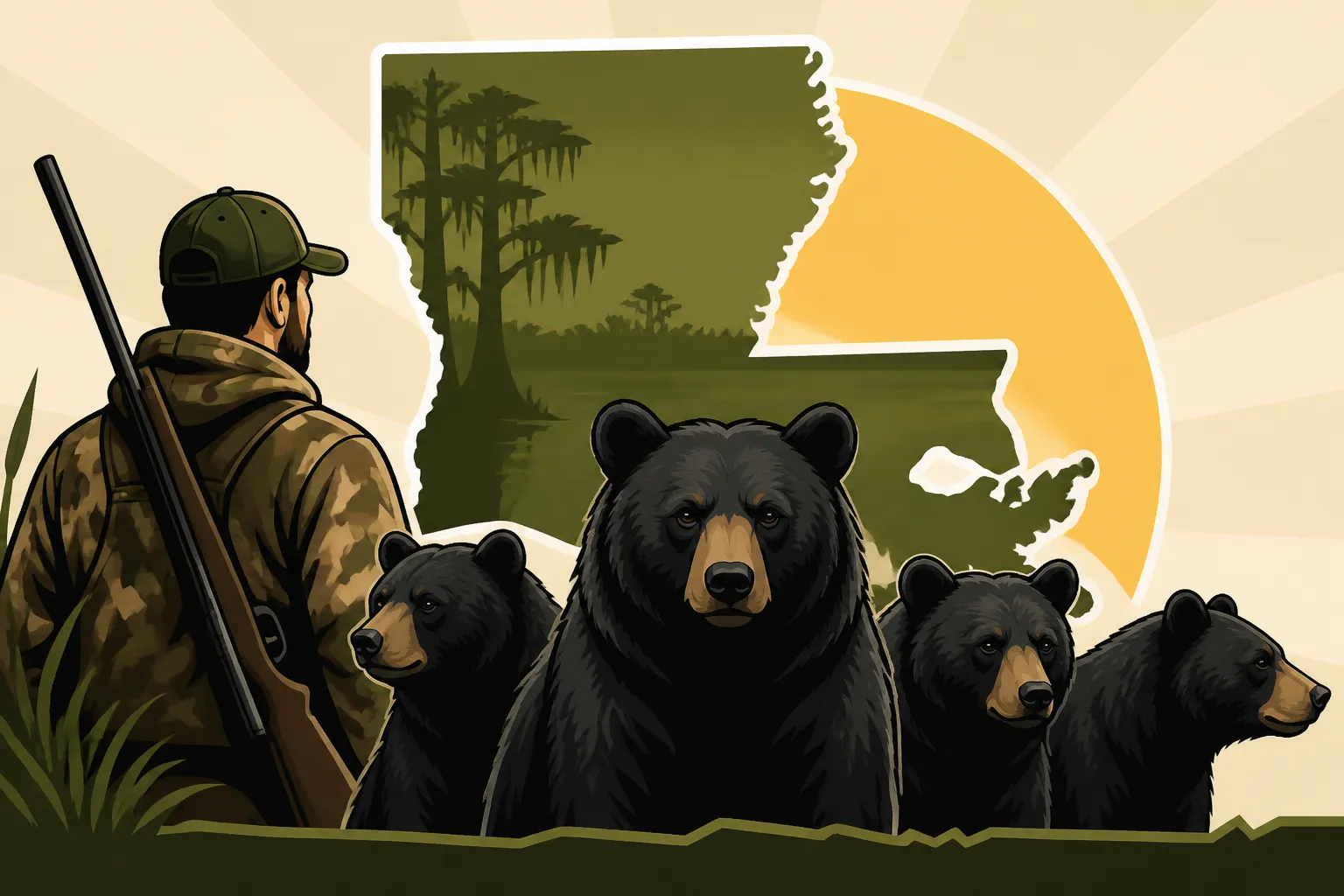
When the dust settled on Louisiana's inaugural modern black bear season, the official harvest total was eight bears. Yes, you read that right – eight. For many, this number might seem incredibly small, especially when compared to deer or hog harvests. But for a state that had seen its bear population dwindle to near non-existence, and for a pilot program focused on cautious reintroduction of hunting, those eight bears represented a carefully managed, highly successful first step.
The season was designed to be extremely restrictive, with a limited number of tags issued through a lottery system. This wasn't about mass harvest; it was about precision management. Each hunter who drew one of those coveted tags knew they were part of something historical, a privilege that came with immense responsibility. The goal was never to take a large number of bears, but rather to safely and ethically harvest a few, collecting invaluable biological data in the process. This meticulous approach to issuing tags, combined with the difficulty of bear hunting itself, ensured a very controlled outcome. If you're curious about how to get involved, our article on Louisiana Black Bear Lottery Application Window is a great resource.
Geographic Distribution of the Harvest
Those eight bears weren't taken just anywhere; their harvest locations reflected the current strongholds of Louisiana's black bear populations. The majority came from the Tensas River Basin, a region renowned for its dense bottomland hardwoods and a robust bear subpopulation. This area, with its extensive swamps and forests, provides ideal habitat for bears, making it a logical place for a limited harvest. You can learn more about this specific area in our article about The Tensas Basin Bear Population.
Another significant area where tags were drawn, and success was possible, was within the Atchafalaya Basin, particularly areas near Wildlife Management Areas (WMAs) where bear numbers have steadily increased. The Basin's unique cypress-tupelo swamps and vast wilderness offer prime bear habitat, albeit challenging for hunters. These regions were chosen not just for higher bear densities, but also because they represented the core of the state's recovery efforts. The harvest data from these distinct geographical areas provides important insights into regional bear distribution and population health. Understanding these key habitats is crucial for future management, and you might find our insights on The Atchafalaya Basin Bear Population particularly helpful for understanding this unique ecosystem.
Hunter Success Rates and Challenges
Let's be real: bear hunting, especially in Louisiana's dense and often swampy terrain, is not for the faint of heart. The success rate for that inaugural season, while impressive given the circumstances, highlights the inherent challenges. Many more hunters applied for tags than actually received them, and even among those who drew a tag, success was far from guaranteed.
Hunters faced thick cover, warm temperatures, and the elusive nature of the black bear. These aren't animals that just walk out into an open field during daylight hours. They are intelligent, cautious, and incredibly adaptable. Scouting was paramount, understanding bear sign, travel corridors, and feeding patterns was critical. Many hunters spent countless hours in the woods, battling mosquitos, humidity, and challenging terrain, simply trying to locate a legal bear. It was an experience that tested skill, patience, and perseverance. For those contemplating this pursuit, understanding the unique demands is key. Articles like Spot-and-Stalk Tactics for a Bear Lottery Tag or Hunting Louisiana's Reinstated Bear Season offer insights into the rigorous preparation required. Even with platforms like GoHunt that offer invaluable mapping and scouting tools, the physical and mental game of bear hunting remains incredibly tough.
The Impact and Lessons Learned from the First Season
The initial bear season was much more than just a hunt; it was a carefully orchestrated scientific endeavor wrapped in a historic hunting opportunity. The lessons learned and data collected were invaluable for shaping the future of bear management in Louisiana.
Biological Significance and Data Collection
Every single one of those eight harvested bears provided a treasure trove of biological data. Hunters were required to bring their harvested bears to mandatory check stations, where LDWF biologists meticulously collected information. This wasn't just about weight and size; it involved taking measurements, extracting teeth for age determination, and collecting tissue samples for genetic analysis and health assessments. This data is absolutely crucial for understanding the overall health, age structure, reproductive success, and genetic diversity of Louisiana's bear populations.
By analyzing this information, wildlife managers can get a clearer picture of how specific bear subpopulations are thriving, identify any potential health concerns, and refine their population models. This scientific approach ensures that future hunting seasons, should they occur, are based on sound ecological principles, safeguarding the species for generations to come. It’s all part of the LDWF's commitment to informed conservation. Understanding How Many Black Bears Louisiana Has is directly influenced by this kind of data collection.
Hunter Feedback and Public Perception
The inaugural bear season generated a wide array of feedback from both the hunting community and the general public. For the hunters who participated, it was often described as a profoundly challenging yet immensely rewarding experience. Many lauded the opportunity to hunt such a magnificent animal, emphasizing the rigorous preparation and respect involved. The focus on ethical hunting and careful selection of a legal bear (e.g., Passing on a Cub or Sow With Cubs) was a recurring theme in hunter accounts.
Public perception was, as expected, more varied. There was significant support from those who understood the conservation role of regulated hunting, and immense pride in the bear's recovery. However, some groups expressed concerns, which wildlife agencies actively addressed through education and transparent communication, explaining the scientific basis for the hunt and the minimal impact of the pilot program. Overall, the season demonstrated that with careful management and clear communication, the state could move forward with conservation efforts that included limited hunting opportunities while upholding ethical standards.
Paving the Way for Future Seasons
The success and learnings from that first season were instrumental in paving the way for subsequent bear hunting opportunities in Louisiana. The data collected validated the LDWF's population estimates and management strategies, demonstrating that a highly regulated hunt could proceed without negatively impacting the overall bear population. This gave wildlife managers the confidence to continue refining the program.
The experience also highlighted areas for improvement, such as streamlining the lottery application process and enhancing hunter education. For instance, the mandatory bear hunter course, discussed in Attending the Mandatory Bear Hunter Course, became an even more critical component, ensuring all participants were fully informed about regulations, shot placement (like what's covered in Shot Placement on a Louisiana Black Bear), and post-harvest procedures (such as Handling a Bear After the Shot). Each season builds on the last, adjusting to new data and conditions. This iterative process is what defines responsible wildlife management, ensuring that hunting remains a sustainable and cherished part of Louisiana's outdoor heritage. As hunters, staying informed about Louisiana Bear Legal Harvest Rules is our shared responsibility.
Here’s a quick summary of the initial season:
| Aspect | Details |
|---|---|
| Season Status | Inaugural modern pilot season |
| Total Harvest | 8 bears |
| Tag Allocation | Highly limited, via lottery |
| Primary Harvest Zones | Tensas Basin, Atchafalaya Basin |
| Hunter Preparation | Extensive scouting, understanding regulations, mandatory course |
| Conservation Impact | Provided crucial biological data for long-term management |
| Overall Sentiment | Historical, challenging, and scientifically valuable first step |
Ultimately, Louisiana's first modern bear season was a landmark event, a culmination of decades of conservation work. It was a cautious, scientifically-driven step that provided invaluable insights and set the stage for the continued, responsible management of our remarkable black bear population. It's a true testament to the power of dedicated conservation and careful stewardship by the hunting community.
Disclaimer
This article is for general informational purposes only and does not constitute professional advice. Laws, prices and regulations vary by location and change over time. Consult a qualified professional for guidance on your specific situation.