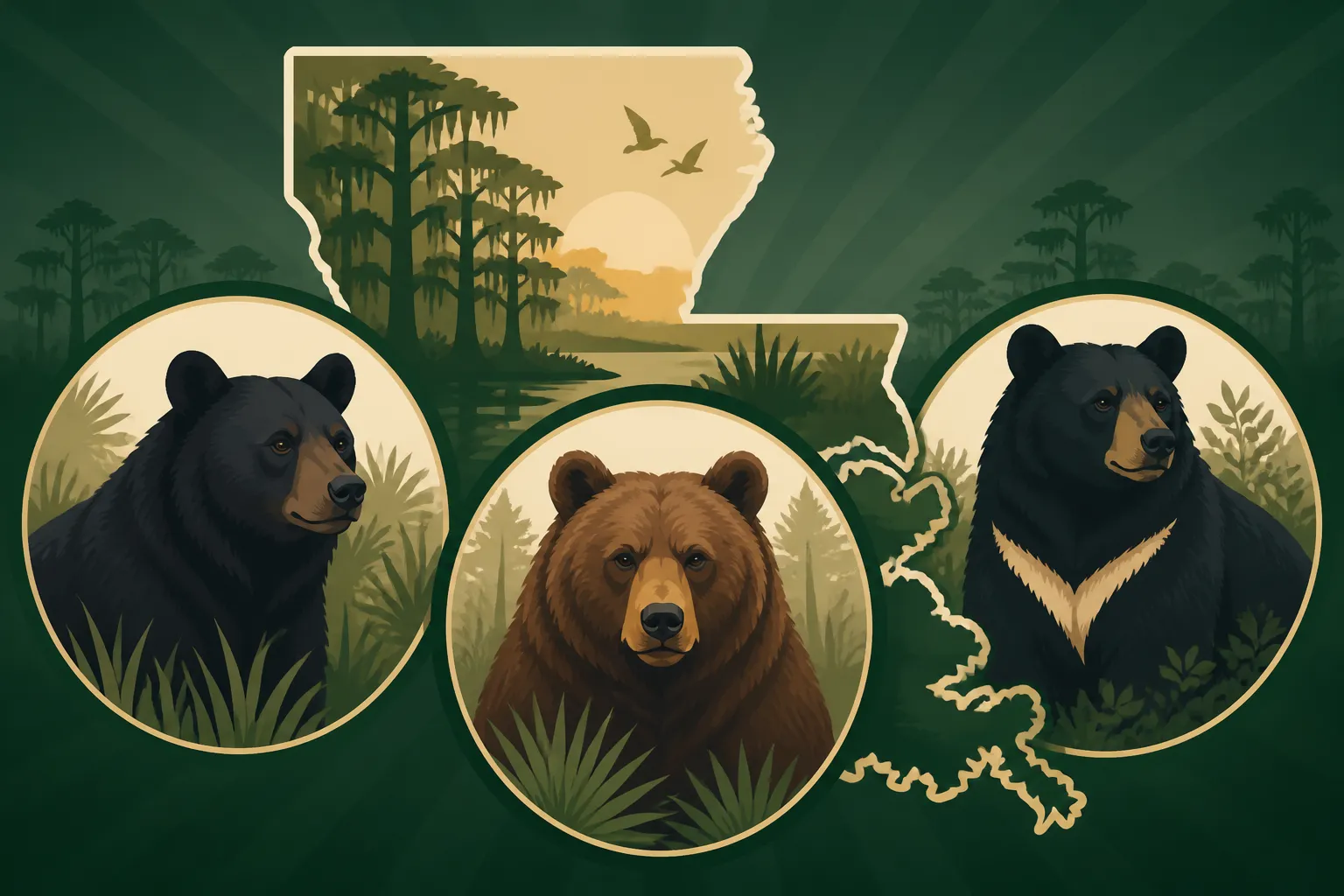
Louisiana’s Three Bear Subpopulations
It's easy to picture black bears roaming wild in vast, untouched wildernesses, perhaps in the mountains out West or the sprawling forests up North. Here in Louisiana, however, our relationship with these magnificent creatures is a bit more nuanced. We're proud to be home to a distinct subspecies of black bear, the Louisiana black bear, and understanding their unique populations is vital for both conservation and potential hunting opportunities. This guide will delve deep into the three primary bear subpopulations that grace our diverse landscapes, offering insight into their lives and the efforts to protect them.
The Remarkable Comeback of the Louisiana Black Bear
For many generations, the idea of seeing a black bear in Louisiana was almost mythical, a fleeting glimpse into a past when vast bottomland hardwood forests dominated the landscape. But thanks to dedicated conservation efforts, the Louisiana black bear is making a truly remarkable comeback, a testament to what focused management can achieve.
A History of Near Extinction and Resurgence
Back in the early 20th century, habitat destruction, unregulated hunting, and human encroachment pushed the Louisiana black bear to the brink of extinction. Their numbers dwindled dramatically, becoming critically endangered. It was a dire situation, leaving many to believe these iconic animals were lost to our state forever. However, starting in the 1980s, significant federal and state protections, coupled with habitat restoration projects, began to turn the tide. The U.S. Fish and Wildlife Service, along with the Louisiana Department of Wildlife and Fisheries (LDWF), led initiatives to reintroduce bears into suitable habitats and protect existing populations. It was a slow, arduous process, but the results speak for themselves: the Louisiana black bear was eventually delisted from the endangered species list in 2016, a huge win for wildlife conservation. If you're curious about the journey, it's worth learning about Louisiana's Recovering Black Bear.
Defining the Louisiana Black Bear Subspecies
What makes our bears so special is that they aren't just any black bears. Louisiana is home to the Ursus americanus luteolus subspecies, commonly known as the Louisiana black bear. These bears are generally smaller than some of their northern cousins, with a typically dark, lustrous black coat, and often sport a distinctive brownish muzzle. They're well-adapted to our unique bayou and forest environments, exhibiting behaviors and dietary preferences that reflect their Southern habitat. Understanding the distinct genetics and ecological role of this specific subspecies is at the heart of all management decisions, ensuring that the recovery efforts truly benefit the bears that belong here.
The Majestic Tensas Basin Population
When we talk about black bears in Louisiana, one area inevitably comes to mind first: the Tensas Basin. This region in the northeast part of the state has been a stronghold for Louisiana black bears and continues to be the most robust of our three subpopulations.
Habitat and Geographical Footprint
The Tensas River Basin is a sprawling expanse of bottomland hardwood forests, cypress-tupelo swamps, and vast agricultural fields. This mosaic of habitat provides everything a bear needs: dense cover for denning and safety, abundant mast crops like acorns and pecans for food, and rich river bottoms for foraging. Bears here thrive on a diet of wild berries, insects, and, yes, sometimes even venturing into agricultural fields for corn or other crops. The Tensas River National Wildlife Refuge, for example, is a prime example of the kind of protected habitat that allows these bears to flourish. You can really get a sense of their core territory by looking into Why the Tensas Basin Holds the Most Bears. They are not confined to the refuge, however, and roam extensively across private lands in Madison, Tensas, Franklin, and surrounding parishes, often navigating agricultural landscapes with surprising stealth.
Population Dynamics and Conservation Success
The Tensas Basin population is considered the largest and most stable of Louisiana's three groups. Their success is a direct result of decades of conservation work, including reintroductions from populations in Minnesota starting in the 1980s, alongside robust habitat protection and educational outreach. LDWF and federal partners actively monitor this population using various methods, including genetic sampling and GPS collaring, to track health, reproduction, and movement patterns. This scientific approach helps ensure that management strategies are effective and responsive to the bears' needs. While their numbers are strong, these bears still face challenges like road mortality and human-bear conflicts, especially as they expand into more populated areas. It's a constant balancing act between fostering growth and ensuring coexistence.
The Elusive Atchafalaya Basin Population
Deep in the heart of Louisiana, where cypress trees rise from the water and bayous twist like ancient serpents, lives another significant bear population: the Atchafalaya Basin bears. These aren't just any swamp bears; they're a unique group adapted to one of the most dynamic wetland ecosystems in North America.
Life in the Heart of the Swamp
The Atchafalaya Basin is a labyrinthine world of water, trees, and mud, and the bears here are perfectly at home. Unlike the Tensas bears who often navigate agricultural edges, the Atchafalaya bears are true swamp dwellers. Their diet relies heavily on wetland resources like palmetto berries, cane, aquatic plants, and, of course, the ever-present crawfish and other invertebrates. Finding den sites can be challenging in a perpetually wet environment, so they often utilize tree hollows, elevated root masses, or even build ground nests in dense thickets during drier periods. Getting a handle on how these animals thrive in such an environment gives you a true appreciation for The Atchafalaya Basin Bear Population. Their lives are intrinsically linked to the ebb and flow of the mighty Atchafalaya River.
Connectivity and Genetic Exchange
One of the fascinating aspects of the Atchafalaya Basin bear population is its connectivity, or lack thereof, with other bear groups. Historically, this population was relatively isolated, leading to unique genetic characteristics. However, with ongoing conservation efforts and general population expansion, there's a growing interest in understanding how these bears interact with potential dispersing individuals from other populations. Maintaining genetic diversity is crucial for long-term health, and habitat corridors that allow for safe movement between fragmented areas are a key focus for biologists. Protecting these corridors and reducing barriers like major highways are important steps to ensure the genetic viability and resilience of this unique swamp-dwelling population. Organizations like the Black Bear Conservation Coalition work tirelessly to promote these connections across the landscape.
The Unique Coastal Plain Bear Population
While the Tensas and Atchafalaya Basins are often highlighted, there's a third, equally compelling subpopulation of Louisiana black bears that calls our coastal plain home. These bears exhibit an incredible adaptability, thriving in environments far different from traditional forest habitats.
Adapting to Salty Marshes and Barrier Islands
Imagine a bear, not in a dense forest, but navigating brackish marshes, making its way along cheniers (oak ridges), and occasionally even venturing onto barrier islands. That's the reality for the coastal plain bears, primarily found in parishes like Vermilion, Iberia, and Terrebonne. These bears have developed unique behaviors to survive in a landscape dominated by water and fluctuating salinity. They build dens in elevated natural ridges, use spoil banks created by canals, and feast on a diet that includes marsh vegetation, crabs, and even washed-up marine life. It's a testament to the species' resilience to see them thrive in such an unexpected environment. Learning about The Coastal Bear Population Near Terrebonne truly highlights their extraordinary adaptations.
Challenges and Future Outlook
The coastal plain bear population faces a unique set of challenges, arguably more intense than their inland counterparts. Coastal erosion, driven by subsidence and rising sea levels, constantly threatens their habitat. Furthermore, a high density of oil and gas infrastructure crisscrosses their range, leading to potential human-bear conflicts and increased road mortality. Scientists are diligently studying this population, often using advanced tools like GPS tracking and genetic analysis, to understand their movements, dietary needs, and reproductive success in the face of these pressures. The future of these coastal bears is intrinsically linked to the future of Louisiana's vanishing coast, making their conservation a critical component of broader environmental efforts.
Conservation Efforts and Management Strategies
The thriving presence of Louisiana's black bear subpopulations is not accidental; it's the direct result of decades of dedicated conservation and careful management by state and federal agencies, along with non-profit organizations. These efforts are multifaceted, addressing both the bears' needs and the concerns of human communities.
Protecting Corridors and Reducing Conflicts
A major focus of conservation is the establishment and protection of habitat corridors. These are essentially pathways that allow bears to move safely between fragmented patches of habitat, which is crucial for genetic exchange and population expansion. Programs often involve working with private landowners to implement conservation easements or land management practices that benefit wildlife. Additionally, reducing human-bear conflicts is paramount. As bear populations grow and expand, encounters with people become more frequent. LDWF actively promotes public education campaigns, teaching residents how to "bear-proof" their properties by securing garbage, pet food, and other attractants. Rapid response teams are also in place to address nuisance bear issues, often using aversion conditioning or relocation as a last resort to minimize negative interactions. For hunters, resources like GoHunt can be invaluable for understanding the specific regulations and safe practices needed when encountering bears in the wild, whether you're deer hunting or specifically targeting bears.
Monitoring and Research for Sustainable Populations
LDWF biologists are constantly engaged in monitoring and research to ensure the long-term sustainability of the black bear populations. This includes population surveys, den studies, genetic analysis, and tracking individual bears using GPS collars. The data collected provides critical insights into reproductive rates, survival rates, movement patterns, and overall population health. This scientific information is then used to inform management decisions, such as setting hunting quotas and identifying critical habitat areas for protection. For instance, understanding the poult-to-hen ratios in turkey populations or the annual deer harvest reports helps biologists make informed decisions across all game species, including bears, ensuring a balanced ecosystem. This continuous cycle of research, monitoring, and adaptive management is what allows Louisiana to maintain healthy bear populations while also offering limited hunting opportunities.
Hunting Opportunities and Bear Management
The return of the Louisiana black bear has not only been a conservation success story but has also, in recent years, led to the reinstatement of a highly regulated and limited hunting season. This provides a unique opportunity for hunters to participate in a carefully managed process that directly contributes to conservation.
Understanding the Lottery and Limited Harvest
Due to the sensitive nature of the Louisiana black bear's recovery and the relatively small population numbers compared to other states, hunting opportunities are extremely limited and managed through a lottery system. This isn't your everyday deer tag; it's a coveted permit, and rightfully so. Hunters must apply for a specific quota hunt, and only a very small number of tags are issued each year, typically targeting areas where bear populations are robust and stable, like the Tensas Basin. The number of tags is meticulously determined by LDWF biologists based on population surveys, reproductive success, and overall health to ensure that the harvest is sustainable and does not negatively impact the long-term recovery of the species. If you're considering applying, it's critical to know the Louisiana black bear lottery application window and understand the entire process for Applying for a Louisiana Bear Lottery Tag.
Ethical Hunting and Contributing to Conservation
Being drawn for a Louisiana bear tag is a tremendous privilege that comes with significant responsibility. All successful applicants are required to attend a mandatory bear hunter training course, which covers everything from bear biology and identification to ethical shot placement and carcass handling. You'll learn the difference between a sow and a cub and the importance of Judging a Legal Bear Versus a Cub to ensure only legal bears are harvested. This course emphasizes ethical hunting practices, ensuring that hunters are well-prepared and understand their role in the conservation process. The fees from licenses and tags directly support wildlife management and conservation efforts, making bear hunters active participants in the ongoing success story of the Louisiana black bear. After the shot, knowing the correct Shot Placement on a Louisiana Black Bear and proper steps for Handling a Bear After the Shot are crucial for both recovery and respecting the animal. Always check the current Louisiana Bear Season Dates as they can vary by year and management area.
Comparative Look at Louisiana Black Bear Subpopulations
To give you a clearer picture of what makes each of Louisiana's black bear subpopulations distinct, here's a quick comparison of their key characteristics:
| Characteristic | Tensas Basin Population | Atchafalaya Basin Population | Coastal Plain Population |
|---|---|---|---|
| Primary Habitat | Bottomland hardwoods, agricultural fields, cypress-tupelo swamps | Vast cypress-tupelo swamps, hardwood forests, bayous | Brackish marshes, cheniers, spoil banks, barrier islands |
| Geographic Focus | Northeast Louisiana (Madison, Tensas, Franklin Parishes) | Central/South-Central Louisiana (Atchafalaya Basin proper) | Southwestern Louisiana (Vermilion, Iberia, Terrebonne Parishes) |
| Population Status | Largest and most stable, core of recovery | Established, isolated in part historically, increasing connectivity | Unique adaptation, faces significant habitat challenges |
| Key Challenges | Road mortality, human-bear conflict near agriculture | Habitat fragmentation, limited genetic exchange (historically) | Coastal erosion, oil/gas infrastructure, human-bear conflict |
| Dietary Adaptations | Acorns, pecans, berries, agricultural crops, insects | Palmetto berries, cane, aquatic plants, crawfish, insects | Marsh vegetation, crabs, fish, berries, occasional marine life |
| Hunting Potential | Primary area for limited lottery tags | Potential for limited harvest in future, currently smaller | Highly sensitive, unlikely for hunting in near-term |
Disclaimer
Please remember that hunting regulations and wildlife management strategies can change. Always consult the latest Louisiana Department of Wildlife and Fisheries (LDWF) regulations and official sources before planning any hunting trip or engaging with wildlife.