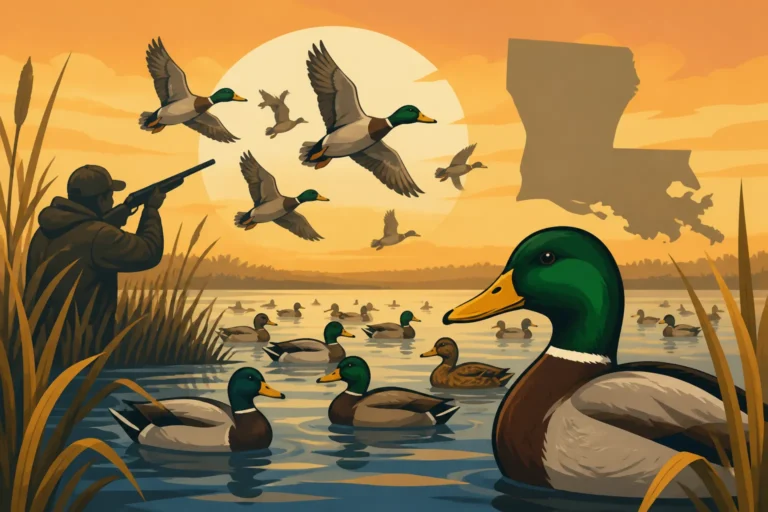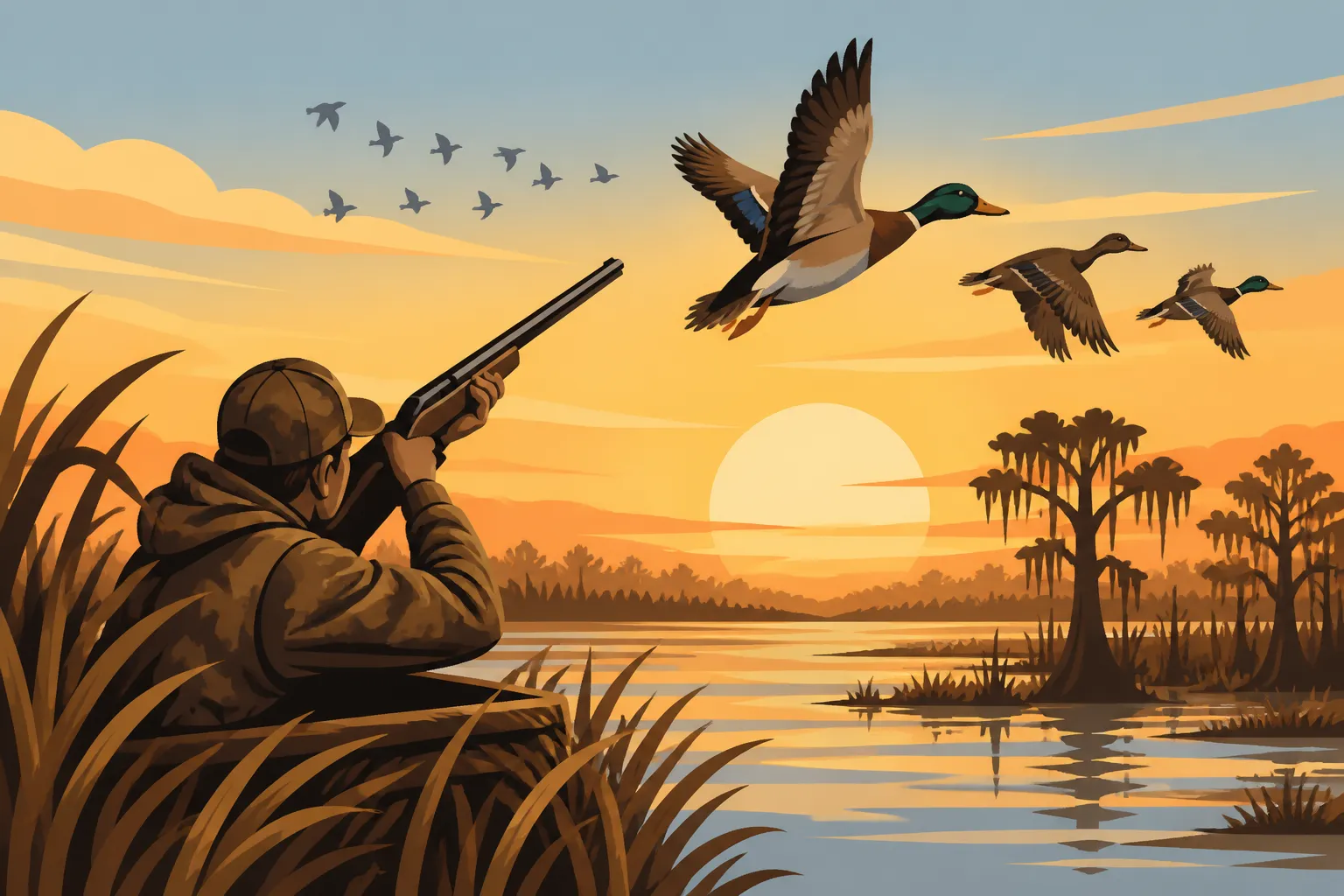
Louisiana Waterfowl on the Mississippi Flyway
Hunting waterfowl in Louisiana can feel like stepping into another world, a vibrant, sometimes chaotic symphony of wings and calls that can overwhelm even seasoned hunters. You've heard the stories of ducks piling into the marshes and fields, but actually understanding how it all works – the migration, the habitats, the regulations – well, that's a different beast entirely. This guide is here to demystify the incredible world of Louisiana waterfowl, from the intricate dance of the Mississippi Flyway to the nitty-gritty of habitats, species, and the crucial management efforts that keep this tradition alive for all of us.
Understanding the Mississippi Flyway's Importance to Louisiana
Louisiana sits at the absolute bottom of one of the world's most incredible avian superhighways: the Mississippi Flyway. For millions of ducks and geese, our state isn't just another stop; it's often the ultimate destination, their wintering grounds, a place where they can escape the harsh cold of the north and find abundant food and sanctuary. This unique geographical position shapes everything about waterfowl hunting here, from the species we see to the sheer volume of birds that call our bayous and marshes home for a significant portion of the year.
The Flyway's Path and Its Significance
Imagine a massive, invisible corridor stretching from the Canadian Arctic all the way down to the Gulf Coast of Louisiana. That's essentially the Mississippi Flyway. It’s a route carved by ancient glaciers and defined by the massive Mississippi River system and its tributaries, providing a natural pathway for migratory birds. This vast network of rivers, lakes, wetlands, and agricultural lands funnels ducks and geese south each fall, offering critical resting and feeding areas along the way. When those bitter cold fronts sweep down from the north, pushing ice and snow ahead of them, it's like a signal for the birds to hit the accelerator, and their final destination for many is right here in Louisiana.
The sheer scale of this migration is difficult to grasp until you've witnessed it. Millions upon millions of birds, representing dozens of species, follow this route annually. From pintails that have traveled thousands of miles to mallards escaping the frozen prairie potholes, they all converge here. This immense influx of waterfowl makes Louisiana not just a key player in the flyway but its grand finale, a bustling metropolis for wintering birds. It's a truly humbling experience to be part of that natural phenomenon, and it’s why Louisiana holds such an iconic status in the waterfowl world.
Louisiana's Unique Position as the "Sportsman's Paradise"
Our state’s nickname, "Sportsman's Paradise," isn't just a catchy phrase; it's a profound truth, especially when it comes to waterfowl. Louisiana's geography is like a custom-made magnet for ducks and geese. We boast over 2.5 million acres of coastal marsh, an intricate labyrinth of brackish and freshwater wetlands that provides an unparalleled buffet of aquatic vegetation, insects, and small crustaceans. This vast, nutrient-rich estuary acts as a prime wintering ground, offering both food and crucial refuge from hunting pressure. When combined with our expansive agricultural lands, particularly the rice fields of southwest Louisiana, which provide endless grains and invertebrates, it creates an irresistible combination for hungry migratory birds.
The abundance of these diverse habitats means Louisiana can support a staggering number of birds throughout the winter months. You'll find ducks not just in the coastal parishes like Cameron and Vermilion, but also pushed up into the flooded timber of the Atchafalaya Basin, or resting on inland reservoirs and private impoundments. This incredible variety ensures that even when one habitat type is under pressure or conditions change, there are always other options for the birds. It’s this unique mosaic of wetlands and farmlands, all situated at the terminus of the mighty Mississippi Flyway, that solidifies Louisiana’s reputation as a world-class waterfowl destination.
Key Waterfowl Species Calling Louisiana Home
When you talk about Louisiana waterfowl, you're not just talking about "ducks." Our state hosts a dazzling array of species, each with its own behaviors, preferred habitats, and hunting challenges. Understanding these differences is key to becoming a more effective and appreciative waterfowl hunter. From the way they feed to their flight patterns, distinguishing between dabbling and diving ducks, as well as the various goose species, will significantly enhance your experience afield.
Diving Ducks vs. Dabbling Ducks
The most fundamental distinction in the duck world is between dabblers and divers. This isn't just an arbitrary classification; it describes how they feed, which in turn dictates where you'll find them and how you'll hunt them.
Dabbling ducks, often called "puddle ducks," are the ones you see tipping up in shallow water, their tails poking straight up into the air as they feed on vegetation, seeds, and insects near the surface. They rarely dive completely underwater for food. This group includes some of Louisiana's most iconic species:
- Mallards: The quintessential duck, with the drake's iridescent green head a familiar sight. They love shallow water, flooded timber, and agricultural fields. Their varied diet makes them adaptable.
- Gadwalls: Often called "gray ducks," they're common in both marsh and open water, feeding on aquatic plants. Drakes have a distinctive black rear end and a subtle white speculum on their wings.
- Green-winged Teal: Small, fast, and often found in tight-knit flocks. They prefer very shallow water and feed on small seeds and invertebrates. The drakes have a noticeable cinnamon head with a green eye patch.
- Blue-winged Teal: Another early migrant, often gone before the main season hits. They also prefer shallow, vegetated areas.
- American Wigeon: Known for their grazing habits, often feeding on grasses and aquatic vegetation like a tiny goose. The drake has a white crown and a noticeable white belly in flight.
- Northern Shovelers: Easily identifiable by their oversized, spoon-shaped bills, which they use to filter small invertebrates and seeds from the water.
- Northern Pintails: Elegant ducks with long necks and, in drakes, a distinctive "pintail." They are wary birds that prefer open water and agricultural fields.
Diving ducks, on the other hand, are built for going deep. They propel themselves underwater using their powerful feet, often in deeper, more open water to forage for mollusks, crustaceans, and rooted aquatic vegetation.
- Lesser Scaup (Bluebills): One of the most numerous diving ducks, often seen in large rafts on coastal bays and larger lakes. Drakes have a black head with a purple-green sheen, a black breast, and a gray back, with a distinctive blue bill.
- Canvasbacks: Considered by many to be the "king of ducks," they are large, fast-flying divers with a distinctive wedge-shaped head and a long, sloping profile. Drakes have a rusty red head and neck and a white back. They primarily feed on tubers and rhizomes of aquatic plants.
- Redheads: Another coastal diver, drakes have a round, reddish-brown head, a black breast, and a gray body. They often associate with scaup and canvasbacks.
- Ring-necked Ducks: Smaller divers, often found on inland ponds and shallow lakes. Drakes have a black back, gray sides, and a subtle ring around their neck (though the white ring at the base of the bill is more visible).
Knowing these differences helps you set up appropriate decoy spreads and choose the right calling techniques. For example, you wouldn't typically find a large raft of divers in flooded timber, just as dabblers might not be comfortable far offshore.
Geese and Other Migratory Birds
While ducks often get the spotlight, Louisiana is also a crucial wintering ground for several species of geese and other migratory birds, offering additional hunting opportunities. These birds, too, follow the Mississippi Flyway, arriving in impressive numbers.
- Snow Geese: These iconic white geese arrive in massive flocks, often numbering in the thousands. They primarily feed on agricultural waste grains, particularly in rice fields. Hunting them is a different challenge altogether, often requiring huge decoy spreads and specialized calls.
- Greater White-fronted Geese (Specklebellies): Highly prized for their table fare and distinct call, specklebellies are a favorite among many Louisiana hunters. They also frequent agricultural fields, often feeding alongside snow geese, but are generally warier and require more finesse to hunt. The adults have a distinctive white patch around the base of their pink bill and black bars on their belly.
- Canada Geese: While not as abundant as in other flyways, Canada geese do winter in parts of Louisiana, particularly in the northern and central agricultural regions. Their numbers are generally lower, and they often stick to private lands.
Beyond ducks and geese, Louisiana's wetlands also provide habitat for a variety of other migratory game birds, adding diversity to the sportsman's bag:
- American Coots: Often mistaken for ducks by new hunters, coots are dark, chicken-like birds with a distinctive white bill. They are abundant in marsh and open water, and while not a primary target for most, they are legal to hunt and can be quite tasty.
- Rails: Including species like clapper, sora, and Virginia rails, these secretive marsh birds offer a unique challenge. They are typically hunted by walking marsh edges with a dog.
- Snipe: These small, fast-flying shorebirds are found in wet, muddy fields and marsh edges. Their erratic flight makes them a challenging target, but they offer excellent sporting opportunity.
Understanding the specific species, their habits, and Louisiana Duck and Goose Bag Limits is crucial for a successful and legal hunt. Each species adds a layer of complexity and excitement to the overall waterfowl hunting experience in the state.
Prime Waterfowl Habitats Across the State
Louisiana's success as a waterfowl magnet isn't just about its location on the flyway; it's profoundly linked to the incredible diversity and sheer abundance of its wetlands and agricultural landscapes. Different species prefer different dining rooms and resting spots, and Louisiana offers them all. Understanding these prime habitats is essential for any hunter looking to consistently find birds.
The Coastal Marsh and Rice Fields
Without a doubt, the expansive coastal marsh of Louisiana is the crown jewel of our waterfowl habitat. This vast, intricate network of brackish and freshwater ponds, bayous, and Spartina grass flats stretches for miles along the Gulf Coast, particularly in parishes like Cameron, Vermilion, and Terrebonne. It's a truly unique environment, constantly shaped by tides, salinity levels, and freshwater inputs from inland rivers. This dynamic ecosystem provides an endless buffet of aquatic vegetation, seeds, invertebrates, and small fish that ducks and geese absolutely thrive on. Diving ducks often utilize the larger, deeper ponds and bays, while dabblers frequent the shallower, more vegetated areas. The rich organic matter and abundant food sources are Why the Coastal Marsh Concentrates Ducks during the winter.
Complementing the marsh are the vast agricultural lands, especially the rice fields of southwest Louisiana. After the rice harvest, these fields are often intentionally flooded, transforming them into shallow, food-rich wetlands. The waste grain from the rice crop, combined with the invertebrates that flourish in the shallow water, creates an irresistible feast for ducks and geese, particularly pintails, mallards, gadwalls, and specklebellies. Hunters often employ specialized tactics here, such as Layout Blind Hunting Coastal Rice Fields, leveraging the open terrain and the birds' affinity for these flooded fields. These areas are critical, acting as major feeding grounds that draw birds away from the deeper marsh for part of their daily routine.
Flooded Timber and River Bottoms
Venture further inland, away from the saltwater influence, and you'll discover another iconic Louisiana waterfowl habitat: flooded timber. The magic of hunting mallards in flooded cypress and tupelo swamps, or dense bottomland hardwoods, is a hallmark of the Louisiana experience. Key areas like the Atchafalaya Basin, portions of the Mississippi River Delta, and other river bottoms across the state provide this unique environment. During high water events or intentional flooding, these timbered areas become rich feeding grounds, offering acorns, cypress seeds, and a variety of invertebrates that mallards and wood ducks particularly relish.
Hunting flooded timber requires a different approach entirely. It's often intimate, close-quarters hunting, with decoys carefully placed among the trees. The challenge is not just finding the birds but navigating the dense canopy and often challenging terrain. Working Flooded Timber for Mallards is a skill honed over generations, relying on reading water levels, understanding the local timber species, and calling ducks into tight pockets. Wood ducks, with their vibrant plumage and acrobatic flight, are also abundant in these timbered areas, often utilizing smaller creeks and sloughs within the larger bottomland system. The experience of calling in cupped-wing mallards through the cypress trees at dawn is something every waterfowl hunter should aspire to witness.
Inland Lakes and Impoundments
While the coastal marsh and flooded timber get a lot of attention, we shouldn't overlook the role of Louisiana's numerous inland lakes, reservoirs, and private impoundments. These areas, though sometimes smaller in scale, provide critical resting and feeding grounds, especially for birds pushed out of more pressured public lands or those looking for undisturbed sanctuary during migration. Lakes like Grand Lake, Catahoula Lake (a seasonally flooded natural lake), and various smaller oxbow lakes along rivers can hold significant numbers of ducks, particularly diving ducks when conditions are right.
Private impoundments, often managed explicitly for waterfowl, are also crucial. These can be shallow-water areas flooded over agricultural crops, or naturally low-lying areas enhanced for duck habitat. Hunting these areas can offer excellent opportunities, sometimes with less competition than the bustling public marshes. These inland waters serve as vital waypoints and quieter havens, especially after intense hunting pressure has settled into the more popular spots. A well-scouted inland pond or lake, particularly after a strong cold front, can often surprise hunters with its potential.
Louisiana's Waterfowl Management and Conservation Efforts
The incredible bounty of Louisiana's waterfowl resources isn't just a stroke of luck; it's the result of decades of dedicated management, scientific research, and the unwavering commitment of hunters and conservation organizations. Without these ongoing efforts, the skies would certainly not be as full as they are today. It's a complex dance between state and federal agencies, scientists, and grassroots groups, all working to ensure sustainable populations for future generations.
Role of LDWF and Federal Agencies
At the forefront of waterfowl management in Louisiana are the Louisiana Department of Wildlife and Fisheries (LDWF) and the U.S. Fish and Wildlife Service (USFWS). These agencies collaborate extensively to monitor bird populations, conduct scientific research, and implement regulations that ensure the health of the resource. LDWF biologists conduct aerial surveys, leg banding operations (which help track migration patterns and survival rates), and habitat assessments across the state. They work tirelessly to understand how factors like weather, habitat loss, and hunting pressure impact duck and goose populations.
The USFWS, as the primary federal agency, sets the overall framework for migratory bird hunting seasons and bag limits across the nation, including the Mississippi Flyway. Their decisions are based on vast amounts of data collected across all flyways, ensuring that harvest levels are sustainable at a continental scale. LDWF then works within those federal guidelines to tailor Louisiana Waterfowl Zones and Seasons that best suit our state's unique conditions and bird concentrations. This multi-layered approach, from local habitat projects to continental population modeling, is what keeps our waterfowl robust.
Hunter Contributions and Organizations
While government agencies do a lot of the heavy lifting, the backbone of waterfowl conservation truly lies with hunters and dedicated conservation organizations. Every time a hunter purchases a Federal Duck Stamp, a significant portion of that money goes directly towards acquiring and restoring wetland habitats across the country. In fact, Federal Duck Stamp dollars have conserved millions of acres of wetlands since their inception in 1934. Similarly, state duck stamps contribute to local habitat projects.
Beyond individual stamp purchases, groups like Ducks Unlimited (DU), Delta Waterfowl, and the Coastal Conservation Association Louisiana (CCA LA) are absolutely critical. DU, for instance, has conserved and restored hundreds of thousands of acres of wetlands in Louisiana alone, creating and enhancing the very places ducks and geese need to survive. Delta Waterfowl focuses on duck production and research, ensuring healthy populations start their migration. These organizations raise funds, coordinate volunteers, and execute large-scale projects, from restoring coastal marshes damaged by hurricanes to creating managed impoundments. Hunters are not just consumers of the resource; they are, by far, its most significant funders and advocates, directly contributing to the conservation of the very birds they pursue.
Navigating Seasons, Zones, and Regulations
One of the most common frustrations for new waterfowl hunters, or even those new to Louisiana, is trying to decipher the layers of regulations. Seasons, zones, licenses, stamps, bag limits – it can feel like you need a law degree just to go hunting! But don't worry, once you understand the logic behind it, it becomes much clearer. These rules are in place for good reasons: to manage populations, distribute hunting pressure, and ensure fair chase.
Understanding Louisiana's Duck Hunting Zones
Louisiana is divided into two primary waterfowl zones for ducks: the East Zone and the West Zone. While it might seem complicated, these zones exist to account for subtle differences in migration timing and bird concentrations across the state. The dividing line generally runs north-south through the center of the state. Your parish will fall into one of these zones, and it's absolutely crucial to know which one dictates your hunting dates, as the season opening and closing days can vary by several weeks between them. This staggering of seasons helps to spread out hunting pressure and can sometimes allow for better hunting opportunities as different waves of birds move through.
You'll need to consult the current Louisiana Department of Wildlife and Fisheries (LDWF) hunting regulations each year, as dates can shift slightly based on flyway council recommendations and biological data. These regulations clearly lay out the specific season dates for each zone. For instance, sometimes the West Zone might open a bit earlier or close later to align with specific bird movements through that region. Always double-check the latest LDWF waterfowl pamphlet or their website before planning your hunts to ensure you're in compliance. Knowing Louisiana Duck Zone Rules for your specific hunting area is non-negotiable for a legal and enjoyable season.
Essential Licenses and Stamps
Before you even think about setting out decoys, you need to make sure your paperwork is in order. Hunting waterfowl in Louisiana requires a few different permits and licenses, and missing just one can land you in hot water with a wildlife agent.
Here’s a breakdown of what you'll typically need:
- Basic Hunting License: This is your foundational license. Every hunter, resident or nonresident, needs one. The cost varies, so be sure to check Louisiana Hunting Licenses and What They Cost based on your residency status.
- Louisiana Duck Stamp: This is a state-specific stamp, often a physical stamp you attach to your license or a digital endorsement. The funds generated from this stamp go directly to Louisiana-based waterfowl habitat conservation and management projects.
- Federal Duck Stamp: This is arguably the most important conservation tool for wetlands in North America. Issued by the U.S. Fish and Wildlife Service, this stamp is required for anyone 16 years or older hunting migratory waterfowl. As mentioned earlier, the revenue from these stamps directly funds the acquisition and protection of wetland habitats across the continent. You can buy it at many post offices, sporting goods stores, or online. Don't forget your Louisiana Federal Duck Stamp Requirement!
- Harvest Information Program (HIP) Certification: This is a federal requirement for all migratory bird hunters, including waterfowl. It's not a license you pay for, but rather a brief survey that collects information about your hunting activities. This data is vital for migratory bird population management. It's usually a quick process you complete when purchasing your state license. Make sure you get your Louisiana HIP Certification for Bird Hunters.
It can seem like a lot, but thankfully, most of these can be purchased together through the LDWF website or app, or at authorized vendors like sporting goods stores. Always carry proof of all your licenses and stamps with you while hunting, whether physical copies or digitally on your phone.
Bag Limits and Legal Shooting Hours
Understanding bag limits and legal shooting hours is critical for ethical and legal waterfowl hunting. Bag limits define the maximum number of birds you can harvest per day, and these limits are often species-specific and designed to manage populations. It's not uncommon for a single day's bag limit to include a variety of ducks, each with its own sub-limit. For example, the general daily limit might be six ducks, but within that, there could be limits of 2 mallards (only 1 of which can be a hen), 1 pintail, 1 canvasback, 3 wood ducks, and so on. These specific limits are based on population assessments for each species.
It's your responsibility to correctly identify the birds before you shoot and to keep an accurate count of your harvest. Mistakes happen, but intentional disregard for bag limits is a serious offense. The LDWF regulations pamphlet provides a detailed breakdown of Louisiana Duck Daily Bag Limit for each species, as well as goose limits.
Legal shooting hours are also strictly enforced. For most migratory birds, including waterfowl, legal shooting hours typically begin 30 minutes before sunrise and extend until sunset. Shooting before or after these times is illegal and can result in severe penalties. It's a good practice to use a reliable app or watch that automatically calculates sunrise and sunset times for your specific location. This ensures you're ready to hunt at the exact legal moment and cease shooting promptly at the end of the day. Adhering to these rules is not just about legality; it's about respecting the resource and maintaining the integrity of the sport.
Hunting Strategies and Gear for Louisiana Waterfowl
Hunting waterfowl in Louisiana is a dynamic endeavor, heavily influenced by our unique habitats and the ever-changing weather. What works in a flooded rice field won't necessarily work in a cypress swamp. Having the right gear and understanding effective strategies are paramount to success and safety. It's about adapting to the conditions and thinking like a duck (or a goose!).
Decoy Spreads and Calling Techniques
Your decoy spread is your primary tool for luring birds within shooting range. The type, number, and placement of decoys should be tailored to your habitat and the species you're targeting.
- Marsh Hunting: In the coastal marsh, a mix of dabbler and diver decoys often works well, reflecting the diversity of birds present. Spreads can range from a dozen to several dozen, depending on the openness of the water. A common strategy is to create a "landing zone" – an open area in your spread where ducks feel safe to land – directly in front of your blind. Motion decoys, like spinning wing decoys or jerk strings, can add crucial realism to an otherwise static spread, especially on calm days.
- Flooded Timber: Here, less is often more. A small spread of 6-12 mallard or wood duck decoys, strategically placed to mimic feeding birds, can be highly effective. Focus on natural-looking setups that take advantage of openings in the canopy. The goal is to make the spot look inviting, not overwhelmed with plastic.
- Field Hunting: For geese and often for ducks in flooded rice fields, large numbers of decoys are often necessary to simulate a flock of feeding birds. Full-body field decoys, silhouettes, and even large flags for geese can be crucial. For ducks in fields, using motion decoys becomes even more important.
Calling is an art form. While some hunters swear by aggressive, loud calling, often a subtle approach is more effective, especially for wary, late-season birds. Learn to make basic quacks, greetings, and feeding calls for ducks, and master the distinctive calls of specklebellies or the loud "honk" of snow geese. More importantly, learn to read the birds. Are they locked up and coming? A soft contented chuckle might be all you need. Are they circling suspiciously? A little more aggressive calling might draw their attention, or it might send them packing. Platforms like GoHunt can be useful for researching current bird activity and popular calling strategies in specific regions, giving you a valuable edge in planning your approach. Practice makes perfect, and listening to live birds is the best teacher.
Blinds, Boats, and Retrievers
The right gear makes a huge difference in comfort, effectiveness, and safety in Louisiana's unique waterfowl environments.
- Blinds: Your blind needs to blend seamlessly into the surroundings.
- Marsh/Open Water: Permanent box blinds, often built into the marsh, are common. Alternatively, boat blinds brushed in with natural vegetation or temporary pop-up blinds can be used.
- Flooded Timber: Natural cover is often the best blind here. Standing in the water, leaning against a cypress tree, or building a makeshift blind from cut palmetto or cane can be very effective.
- Field Hunting: Layout blinds are king for open fields, allowing hunters to lie flat and emerge only when birds are committed. Layout Blind Hunting a Cut Rice Field is a highly effective tactic.
- Boats: For marsh and timber hunting, a reliable boat is indispensable. Mud boats with shallow-running outboards or airboats are common for navigating the shallow, often mucky waters of the marsh. For deeper bayous and flooded timber, a traditional flat-bottomed boat with a reliable outboard is necessary. Safety is paramount; ensure your boat is properly equipped with all required safety gear.
- Retrievers: A well-trained retrieving dog is not just a luxury; it's an essential part of ethical waterfowl hunting. A good dog saves countless crippled birds, speeds up game recovery, and greatly enhances the overall hunting experience. Louisiana's warm, often mucky waters can make manual retrieval challenging, so a dog is invaluable.
Understanding Weather and Water Levels
Unlike deer hunting where a cold front might just get bucks moving, for waterfowl, weather and water levels are the hunt. A strong cold front pushing down the Mississippi Flyway often means fresh birds are on the way. The wind, especially, plays a critical role, often dictating where ducks will fly and how they will approach your decoys. Overcast, windy days are often prime.
Water levels are equally crucial, particularly in the marsh and flooded timber. High tides can open up new feeding areas in the marsh, while low tides can concentrate birds in deeper pockets. In the timber, rising water opens up new feeding grounds, while falling water might push birds out into bigger bodies of water. Always monitor weather forecasts and local tide charts. A well-placed call to a local bait shop or a quick check of an app like GoHunt for current conditions can give you invaluable insight. Learning to adapt your strategy based on these dynamic environmental factors is what separates a consistent waterfowl hunter from a frustrated one.
Ethical Hunting and Safety Practices
Waterfowl hunting in Louisiana is an exhilarating pursuit, steeped in tradition and camaraderie. But with any powerful experience in the outdoors, it comes with a profound responsibility – to the resource, to other hunters, and to personal safety. Upholding ethical standards and practicing rigorous safety measures ensures the longevity of our sport and the well-being of everyone involved.
Respecting the Resource and Other Hunters
Ethical hunting begins with respect. Respect for the game you pursue means making clean, quick kills and recovering every bird possible. This means knowing your effective shooting range and resisting the urge to "sky-bust" – shooting at birds that are too far away. Not only is sky-busting ineffective, but it also wounds birds that may never be recovered and often flares entire flocks, ruining the hunt for yourself and others. Take the time to identify your target properly; never shoot at movement or sound.
Respect for other hunters is equally vital, especially on Louisiana's popular public lands. This includes giving other hunting parties ample space, not crowding someone's spread, and keeping your dog under control. Early morning boat runs should be conducted carefully, recognizing that others might be set up. Sharing access points, understanding Louisiana Public Land Hunting Hours, and simply being a good neighbor goes a long way. If you're on private land, ensure you have explicit permission and understand property boundaries. Retrieving a downed bird from another's property without permission is trespassing, so always get consent if the situation arises.
Firearms Safety and Gear Maintenance
Firearms safety is paramount and non-negotiable. Treat every firearm as if it were loaded. Always point the muzzle in a safe direction, keep your finger off the trigger until ready to shoot, and be sure of your target and what's beyond it. In a chaotic environment like a duck blind, where multiple hunters are often shooting in rapid succession, maintaining a clear zone of fire and communicating with your hunting partners is crucial. Never swing your barrel in a way that covers another person.
When it comes to shotguns for waterfowl, specific gauges and shot sizes are designed for different species. Always use non-toxic shot (steel, bismuth, tungsten alloy, etc.) as lead shot is illegal for migratory birds. Match your choke to your shot size and the range you expect to shoot. Understand your gun's capabilities and practice regularly to ensure proficiency.
Louisiana's humid, often wet and salty environment is tough on gear. Regularly clean and oil your shotgun, especially after hunting in the coastal marsh. Maintain your boat, motor, and decoys. Check your waders for leaks, ensure your calls are clean, and keep emergency supplies like a first-aid kit, whistle, and fully charged phone on hand. If hunting during deer gun seasons in areas where it's allowed, remember to adhere to Louisiana Blaze Requirement During Gun Season for safety, even if just walking to your blind. Being prepared and diligent about safety and maintenance isn't just a recommendation; it's a responsibility that every Louisiana waterfowl hunter must embrace.
| Species | Type | Primary Habitat | Common Food Sources | Distinctive Features | Typical Behavior |
|---|---|---|---|---|---|
| Mallard | Dabbler | Flooded Timber, Ponds, Rice Fields | Seeds, Grains, Aquatic Invertebrates, Acorns | Drake: Iridescent green head, white collar, chestnut breast, yellow bill. Hen: Mottled brown, orange bill. Blue speculum. | Tips up to feed in shallow water, often gregarious. |
| Gadwall | Dabbler | Marsh, Open Ponds, Lakes | Aquatic Plants (leaves, stems, seeds), Aquatic Insects | Drake: Gray body, black rear, white speculum. Hen: Mottled brown, yellow-edged black bill. | Feeds by dabbling and grazing. Less vocal than mallards. |
| Green-winged Teal | Dabbler | Shallow Marsh, Ponds, Mudflats | Small Seeds, Aquatic Invertebrates | Drake: Cinnamon head with green eye patch, vertical white stripe on side. Hen: Mottled brown, green speculum. Small size. | Fast, erratic flight in tight flocks. Prefer very shallow water. |
| American Wigeon | Dabbler | Marsh, Open Water, Grasslands | Aquatic Vegetation, Grasses (often grazes on land) | Drake: White crown, green eye stripe, white belly. Hen: Grayish head, mottled brown body. | Often grazes on land or steals food from divers. |
| Northern Pintail | Dabbler | Marsh, Open Ponds, Agricultural Fields | Seeds, Grains, Aquatic Plants | Drake: Long, slender neck, chocolate brown head, white stripe on neck, long "pintail." Hen: Mottled brown, grayish bill. | Graceful, fast flight. Wary. Prefer open water and fields. |
| Canvasback | Diver | Large Lakes, Coastal Bays | Aquatic Plants (esp. wild celery tubers and rhizomes) | Drake: Rusty red head, black breast, white back, sloping profile. Hen: Grayish brown, sloping profile. | Dives for food in deep water. Powerful, direct flight. |
| Lesser Scaup | Diver | Coastal Bays, Large Lakes | Mollusks, Aquatic Insects, Small Fish | Drake: Black head with purplish sheen, black breast, gray back, blue bill. Hen: Brown, white patch at bill base. | Often forms large rafts on open water. Dives frequently. |
Disclaimer
This guide is intended for informational purposes only and should not be considered legal advice. Hunting regulations, seasons, and licensing requirements can change annually. It is the sole responsibility of the individual hunter to consult the most current Louisiana Department of Wildlife and Fisheries (LDWF) regulations and any federal guidelines before engaging in any hunting activities. Always ensure you possess all necessary licenses, permits, and stamps and adhere strictly to all bag limits and safety protocols.