Attending the Mandatory Bear Hunter Course
Drawing a Louisiana black bear lottery tag is a monumental achievement, a true testament to the dedication of conservation efforts and a dream come true for many hunters. But let's be honest, that initial burst of excitement can quickly be followed by a slight feeling of dread when you remember the mandatory bear hunter course. It might feel like just another hurdle, but trust me, it’s a vital step. This guide is going to strip away any confusion and walk you through everything you need to know about attending the mandatory bear hunter course in Louisiana, explaining why it's so important, what invaluable knowledge you'll gain, and how it truly prepares you for a responsible, safe, and ultimately thrilling hunt.
Why the Mandatory Bear Hunter Course Exists
For those unfamiliar with the journey, the idea of a mandatory course might seem a bit over the top, especially for seasoned hunters. You've probably been hunting deer, ducks, or hogs for years, right? But hunting black bears in Louisiana is a completely different ballgame, carrying with it a unique set of responsibilities and challenges. The Louisiana Department of Wildlife and Fisheries (LDWF) isn't just trying to make things harder; they're safeguarding a precious resource and ensuring public safety, which is why this course is a non-negotiable part of the process for anyone who manages to secure one of those coveted tags through the Louisiana's Reinstated Black Bear Lottery.
The History of Louisiana's Black Bear Recovery
To truly understand why this course is so critical, you have to look back at the incredible comeback story of the Louisiana black bear. Not long ago, these magnificent animals were on the brink, listed as federally threatened under the Endangered Species Act. Their numbers had dwindled dramatically due to habitat loss and historical overhunting, leaving only scattered, isolated populations. Years of dedicated conservation work, including habitat restoration, public education, and stringent protection, were necessary to bring them back from the edge.
It's a success story we're all proud of, one where Louisiana's black bear population has rebounded enough to allow for a very limited, carefully managed hunting season. This isn't just any game animal; it's a species that was almost lost, and every single hunt is viewed through the lens of continued recovery and sustainable management. The course instills this profound respect for the animal and its journey, ensuring that every hunter who enters the field understands their role in this ongoing conservation success. Without this foundational understanding, the entire program would be at risk, and we certainly don't want to go back to the days when these bears were facing extinction.
Ensuring Hunter Safety and Species Conservation
Hunting black bears presents challenges you won't typically encounter with other game animals in Louisiana. Bears are incredibly powerful, intelligent, and can be unpredictable if cornered or injured. Their behavior patterns, how they react to pressure, and even their physical anatomy for shot placement are distinct. The course directly addresses these differences, equipping hunters with specialized knowledge that goes far beyond what a general hunter education course provides.
On the safety front, it's about minimizing risks for both the hunter and the animal. Knowing how to approach a wounded bear, what to do if you have an unexpected encounter, or how to properly handle a bear carcass in the field are all crucial components. From a conservation perspective, the course ensures that hunters can accurately identify a legal bear (avoiding sows with cubs or undersized animals), understand the specific regulations surrounding their tags, and contribute to the LDWF's data collection efforts that inform future management decisions. This isn't just about bagging a bear; it's about making sure every hunt is conducted ethically, responsibly, and with the long-term health of the species firmly in mind. It's a privilege to hunt these animals, and with that privilege comes a significant responsibility, which the course aims to firmly establish.
What the Course Covers: Beyond the Basics
Forget what you think you know about hunting; the mandatory bear hunter course is designed to immerse you in the specific world of Louisiana black bears. It's not just a review of hunter safety; it's a deep dive into biology, ethics, and practical skills tailored to the unique environment of our state. The curriculum is meticulously crafted to ensure that by the time you leave, you're not just certified, but genuinely knowledgeable and prepared for the challenges and responsibilities that come with Applying for a Louisiana Bear Lottery Tag and heading into bear country.
Bear Biology and Behavior Specific to Louisiana
One of the most fascinating aspects of the course is the detailed exploration of Louisiana black bear biology and behavior. You'll learn about the three distinct bear subpopulations that exist in our state: the Tensas Basin population, the Atchafalaya Basin population, and the smaller coastal population near Terrebonne Parish. Understanding these distinctions is crucial because their habitats, food sources, and movement patterns vary significantly. For instance, bears in the Tensas River Basin might rely heavily on agricultural crops and dense bottomland hardwoods, while those in the Atchafalaya Basin are masters of the swamp, navigating cypress-tupelo forests and backwater sloughs.
The course delves into their diet, which shifts seasonally from acorns and soft mast in the fall to various vegetation and even small mammals. You'll learn how to identify bear sign – not just tracks, but scat, claw marks on trees, rub trees, and bedding areas – all specific to the Louisiana landscape. Instructors often share invaluable insights into how these bears react to changes in weather, hunting pressure, and food availability, knowledge that is absolutely essential for effective scouting and successful hunting. This detailed biological background provides the foundation for making informed decisions in the field, helping you anticipate bear movements and understand their habits rather than just stumbling upon them.
Ethical Hunting Practices and Regulations
The ethical component of the course is paramount. You'll spend considerable time discussing what constitutes a responsible and humane harvest. This includes precise Shot Placement on a Louisiana Black Bear, which is vital for a quick, clean kill, and understanding the bear's anatomy to maximize success. The course emphasizes that tracking a bear can be exceptionally challenging, especially in Louisiana's dense cover and often wet terrain, so a well-placed shot is the ultimate goal to minimize suffering and prevent a lost animal.
You’ll also learn about the strict regulations designed to protect the species, such as the rules against harvesting sows with cubs. Identifying whether a bear is a sow with cubs or a lone bear, especially in thick brush, requires keen observation skills, and the course often includes visual aids and real-world scenarios to practice this. Furthermore, proper carcass handling, field dressing, and preservation techniques are covered, especially considering Louisiana's warm climate, ensuring that the meat is not wasted. This section often includes detailed information on specific requirements for Louisiana Bear Legal Harvest Rules and how to report your harvest promptly, which is critical for the LDWF's data collection and management of the bear population. Every ethical consideration is covered to ensure you are a truly responsible steward of the resource.
Safety Protocols and Encounter Preparedness
Hunting bears, by its very nature, carries inherent risks. The course goes deep into safety protocols, not just about firearm handling, but about navigating bear country itself. You'll learn strategies for minimizing an unexpected encounter, such as making noise while moving through dense areas. However, the focus also shifts to what to do if an encounter does occur. This includes understanding bear body language, recognizing warning signs, and knowing how to react defensively.
Instructors often discuss the "four Ds" – deter, defend, deter, defend – and when to employ various tactics, from making yourself look big and loud to, in rare circumstances, using defensive sprays or even firearms. While hunting, it's crucial to be aware of your surroundings at all times, especially when approaching a downed animal or tracking a wounded one. This section also covers basic first aid specific to potential injuries from animal encounters and how to communicate effectively with hunting partners. This comprehensive safety training is designed to give you the confidence and knowledge to handle challenging situations, ensuring your well-being throughout the hunt.
The Logistics: Signing Up and What to Expect
Once you've beaten the odds and successfully drawn a tag in the Louisiana Bear Lottery Application Window, the next immediate step is to figure out the logistics of the mandatory course. Trust me, you don't want to drag your feet on this. These courses aren't offered every day, and securing a spot can be competitive, especially with a limited number of tags issued. Being proactive is key to ensuring your hunt goes off without a hitch.
Finding Course Dates and Locations
The Louisiana Department of Wildlife and Fisheries (LDWF) is the primary source for all official course information. Typically, they will release the schedule for the mandatory bear hunter training shortly after the lottery draw results are announced. You'll want to check the LDWF website regularly, specifically the "Hunting" section, or look for direct communications if you’re a lottery winner. Keep an eye out for announcements on their social media channels too, as that’s often where the news breaks first.
These courses are usually held at various locations across the state, often at LDWF regional offices, state parks, or larger public facilities. Given the specific nature of the training, they aren't as numerous as general hunter education classes. The number of attendees per session might also be limited to ensure quality instruction and hands-on participation. This scarcity means that once dates and locations are published, it’s imperative to register as quickly as possible. Waiting too long could mean missing out on a convenient location or, worse, missing the opportunity entirely, which would unfortunately invalidate your hard-won bear tag.
Course Format and Materials
The mandatory bear hunter course is generally an in-person, full-day affair, typically lasting around 8-10 hours. It's an intensive experience designed to cover a vast amount of specialized information. While some general hunter education courses might have online components, for bear hunting, the hands-on instruction, Q&A with experienced biologists and enforcement agents, and group discussions are considered essential. There might be some pre-course reading or materials provided online to get you started, so always check the registration details for any prerequisites.
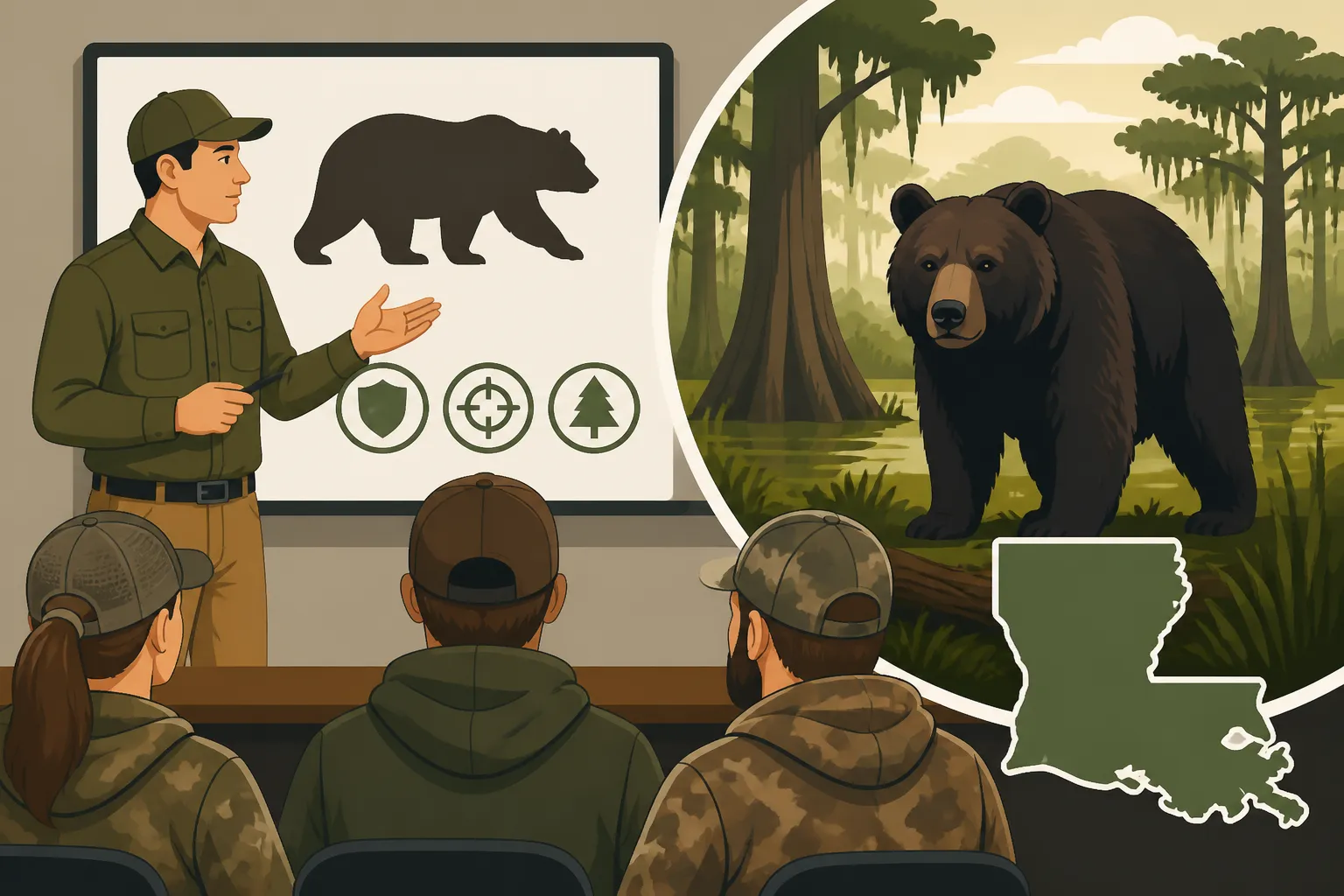
You can expect a blend of classroom lectures, visual presentations (think videos and detailed anatomical diagrams), and sometimes even practical demonstrations, like proper field dressing techniques or how to use specific tracking tools. Instructors often bring in hides, skulls, or other props to make the biology and shot placement discussions more tangible. You'll want to bring a notebook, pen, and any questions you have. This isn't the time to be shy; absorb every bit of information you can. Remember, the goal is to make you a safer, more ethical, and more successful bear hunter.
Certification and Next Steps
Upon successful completion of the course, you'll receive a certification confirming your attendance and understanding of the material. This isn't just a piece of paper; it's official proof that you've met one of the critical requirements for legally hunting a black bear in Louisiana. The LDWF will record your completion, linking it directly to your lottery tag. Without this certification, your tag is invalid, and you won't be permitted to hunt during the season.
After receiving your certification, the next steps involve meticulously planning your hunt. This is where all that newfound knowledge truly comes into play. You’ll want to review the Louisiana Bear Season Dates and start refining your scouting efforts. This certification empowers you to confidently approach your hunt, knowing you're well-versed in bear biology, ethical practices, and safety protocols. It's a significant milestone on your journey to harvesting a Louisiana black bear.
Here’s a quick overview of what the mandatory bear hunter course typically covers:
| Course Topic | Why It's Crucial for Louisiana Bear Hunters |
|---|---|
| Bear Biology & Ecology | Understand diet, habitat, and seasonal patterns of Louisiana's three unique bear subpopulations (Tensas, Atchafalaya, Coastal). |
| Species Identification | Learn to distinguish legal bears from protected individuals (sows with cubs, undersized bears) to avoid violations and protect the species. |
| Ethical Hunting & Regulations | Master precise shot placement, tracking, and recovery techniques to ensure a humane harvest. Know all Louisiana Bear Legal Harvest Rules. |
| Carcass Handling & Preservation | Learn proper field dressing and handling methods to preserve meat quality, especially in Louisiana's warm climate. |
| Encounter Preparedness | Understand bear behavior, how to avoid conflicts, and what to do in an unexpected encounter to ensure personal safety. |
| Post-Harvest Reporting | Learn the mandatory reporting procedures for harvested bears, critical for LDWF population management data. |
| Conservation & Management History | Gain appreciation for the species' recovery from threatened status and your role in its continued conservation. |
Preparing for Your Bear Hunt: Applying Course Knowledge
Okay, you’ve attended the course, soaked up all that invaluable information, and now you’re officially certified. That's a huge step! But let's be real, sitting in a classroom is one thing; actually getting out into the swamps and bottomlands of Louisiana and putting that knowledge to use is where the rubber meets the road. The mandatory bear hunter course gives you the map, but it's up to you to navigate the terrain. This preparation phase is where your dedication truly shines, transforming classroom theory into practical, boots-on-the-ground success.
Scouting and Habitat Identification
One of the biggest takeaways from the course should be a heightened awareness of bear habitat. You'll recall learning about Where Louisiana Black Bears Range Today and the specific characteristics of their preferred environments, whether it’s the dense hardwood forests of the Tensas Basin or the intricate cypress-tupelo sloughs of the Atchafalaya. Now it's time to apply that. Start your scouting long before the season opens. Use mapping tools like GoHunt to analyze aerial photos, identify potential travel corridors, dense bedding areas, and prime food sources. Look for areas with a mix of cover, water, and mast-producing trees like oaks or pecans.
For example, if you're hunting in an area like the Tensas River Basin, you'll be looking for areas where the river bottom transitions into higher ground, creating natural funnels. The course might have highlighted that Why the Tensas Basin Holds the Most Bears is largely due to its rich food sources and expansive, relatively undisturbed habitat. Use this to focus your scouting efforts. Look for fresh tracks in muddy creek beds, claw marks on trees where bears have rubbed or climbed for acorns, and distinct bear scat indicating recent activity. Don't forget to consider water sources, especially during warmer periods, as bears are often found near sloughs, creeks, or flooded timber. Effective scouting isn't just walking around; it's about connecting the dots from what you learned in the course to what you see in the field.
Gear and Equipment Considerations
The course likely touched on the importance of appropriate gear, and this is where you solidify your setup. Bear hunting often demands a more robust approach than deer or small game. When it comes to firearms, the course emphasizes powerful, reliable calibers capable of delivering a clean, humane kill on an animal that can weigh several hundred pounds. Consider a rifle in a .30 caliber or larger, or a powerful primitive firearm if that's your chosen method.
Beyond the firearm, think about tracking and recovery. Louisiana's dense cover can make trailing a bear incredibly difficult. A good quality tracking light, bright flagging tape, and a dependable GPS or mapping app like GoHunt are indispensable. You’ll also need equipment for Handling a Bear After the Shot, which means sturdy knives, game bags, and perhaps even a game cart or sled for extraction, especially in remote or marshy areas. The course might even cover techniques for dragging a deer out of a swamp, which is often applicable to bears as well. Remember, this isn't just about the shot; it's about the entire process from ethical harvest to respectful recovery.
Hunting Tactics Specific to Louisiana Bears
While the course won't explicitly tell you where to hang your stand, it provides the strategic framework. You'll recall discussions about bear behavior and movement. For instance, bears are often crepuscular, meaning most active during dawn and dusk, so planning your sits around those times is critical. Understanding wind direction and thermals, particularly in the deep woods or near water, becomes even more important when targeting an animal with such a keen sense of smell.
Many hunters choose stand hunting over known travel routes, near dense cover, or overlooking areas with abundant food sources. Some may consider still-hunting, particularly in areas like Kisatchie National Forest, using the wind and terrain to their advantage. Remember, the course stressed avoiding sows with cubs and ensuring positive identification before taking a shot. This requires patience and often waiting for the right opportunity. It’s not just about what you learned, but how you integrate it into a disciplined and thoughtful hunting approach. For those needing additional support, understanding how to go about Finding a Guide Once You Draw a Bear Tag can also be a game-changer, as experienced local guides possess a wealth of practical knowledge that complements the course.
Common Questions and Misconceptions
When a new program like Louisiana's black bear season comes along, especially one with a mandatory course, it's natural for questions and a few misconceptions to pop up. Let's clear the air on some of the most common ones people have, so you can approach this incredible opportunity with total clarity and confidence. After all, the goal is to make sure every hunter is well-informed and ready.
Is it Really Mandatory?
This is perhaps the most frequent question, and the answer is an unequivocal yes. If you are lucky enough to draw a black bear lottery tag in Louisiana, attending and successfully completing the mandatory bear hunter course is not optional; it is a legal requirement. There are no exceptions for seasoned hunters, those who have hunted bears in other states, or individuals with extensive outdoor experience. The LDWF has made this a cornerstone of the black bear hunting program for all the reasons discussed earlier: conservation, safety, and responsible management.
Think of it like getting a specialized pilot's license. You might be a fantastic driver, but flying a plane requires specific training. Similarly, hunting an animal that was once federally threatened and requires such delicate management demands a specific educational foundation. Without the course certificate linked to your tag, you simply cannot legally participate in the hunt. It's an essential gatekeeper to ensure that only properly informed individuals are pursuing Louisiana's recovering black bear population.
What if I've Hunted Bears Elsewhere?
It's completely understandable to feel that if you've harvested black bears in, say, Arkansas, Texas, or Canada, you're already well-versed in bear hunting. While that experience is certainly valuable and gives you a leg up, Louisiana's mandatory course is tailored specifically to our state's unique circumstances. Our black bear population, while recovering, has distinct characteristics. The habitats they occupy, from the dense swamps of the Atchafalaya to the agricultural edges of the Tensas, are unlike many other regions.
Furthermore, Louisiana has specific regulations, harvest criteria, and conservation nuances that differ from other states or provinces. The course ensures that every hunter, regardless of prior experience, is intimately familiar with Louisiana's bear management goals, identification protocols (like distinguishing our specific subspecies, Ursus americanus luteolus), and legal framework. It's about standardizing the knowledge base for all Louisiana bear hunters, guaranteeing everyone operates under the same, precise understanding of local conditions and rules. Your previous experience is an asset, but it doesn't bypass the need for this localized, critical training.
GoHunt and Supplemental Information
In this modern age, hunters have access to an incredible array of tools and resources, and platforms like GoHunt are fantastic for pre-season scouting, analyzing public land boundaries, and understanding topography and habitat types. GoHunt provides detailed mapping layers, satellite imagery, and sometimes even species-specific data that can be incredibly useful when you're trying to pinpoint where a bear might be moving or feeding. For instance, you could use GoHunt to overlay mast crop data or identify potential bedding cover in an area you're Scouting Louisiana Public Land Before Season. This kind of digital scouting complements the knowledge gained in the course beautifully.
However, it's vital to understand that while GoHunt and similar platforms offer invaluable supplemental information and scouting aids, they are not a substitute for the mandatory bear hunter course. The course provides the foundational, regulatory, and ethical knowledge that no app can replicate. It’s where you learn the why and the how of responsible bear hunting, directly from LDWF biologists and enforcement officers. Think of GoHunt as an advanced navigation system, but the course is your fundamental driver's education. Both are important, but one is mandatory and teaches you the rules of the road, while the other helps you plan the most efficient route. Use them together, and you'll be as prepared as any bear hunter can be.
Disclaimer
The information provided in this guide is for general informational purposes only and is not intended as legal advice. Hunting regulations, seasons, and requirements can change. Always consult the most current Louisiana Department of Wildlife and Fisheries (LDWF) official regulations and publications before planning any hunting activity.