Hunting Cypress-Tupelo Swamp Edges
Hunting the murky, mysterious edges of a cypress-tupelo swamp in Louisiana can feel like stepping into another world, a place where the landscape itself seems to shift and breathe with the water. For many hunters, the thought of navigating these dense, water-logged environments is daunting, leading to frustration and missed opportunities on ground that often holds some of the biggest, most elusive game. But don't you worry, because this guide is all about demystifying those seemingly impenetrable swamp edges, helping you understand their unique appeal and equipping you with the tactics, gear, and mindset to successfully hunt deer, hogs, and even waterfowl in these incredible, wild places.
Navigating the Unique Challenges of Cypress-Tupelo Swamp Edges
Louisiana's cypress-tupelo swamps are truly iconic, and their edges – where the deep water transitions to slightly higher ground or merges with agricultural fields and pine forests – are often bustling with wildlife. These aren't just pretty backdrops for postcards; they're dynamic ecosystems that demand a different kind of hunting strategy. The very elements that make them challenging also make them incredibly productive.
Why Swamp Edges are Deer Magnets (and More!)
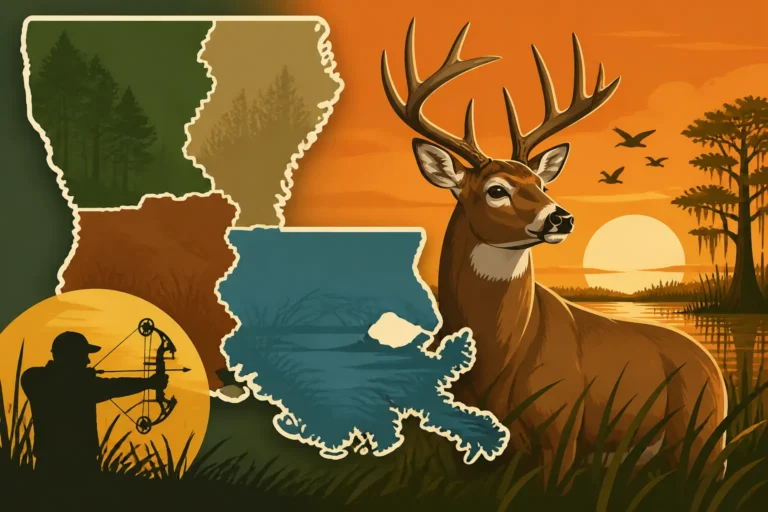
Think about it: an animal's primary needs are food, water, and cover. Cypress-tupelo swamp edges offer all three in spades, often year-round. Deer, in particular, are drawn to these transition zones like a moth to a flame. On one side, you have the dense, often impenetrable cover of the swamp itself – perfect for bedding down and escaping pressure. Bucks especially love the security of these thickets. On the other side, you might have agricultural fields offering a smorgasbord of food, or a slight rise in elevation boasting hardwood trees dropping acorns. This creates a natural highway where deer move between their secure bedding areas and their preferred feeding grounds.
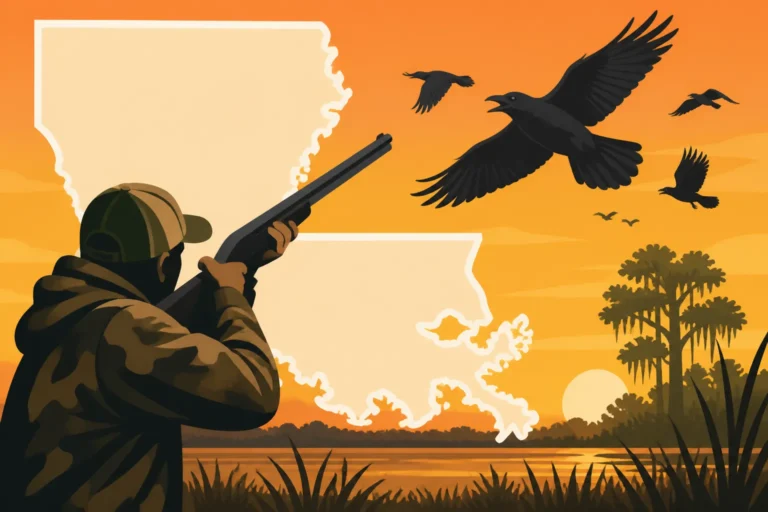
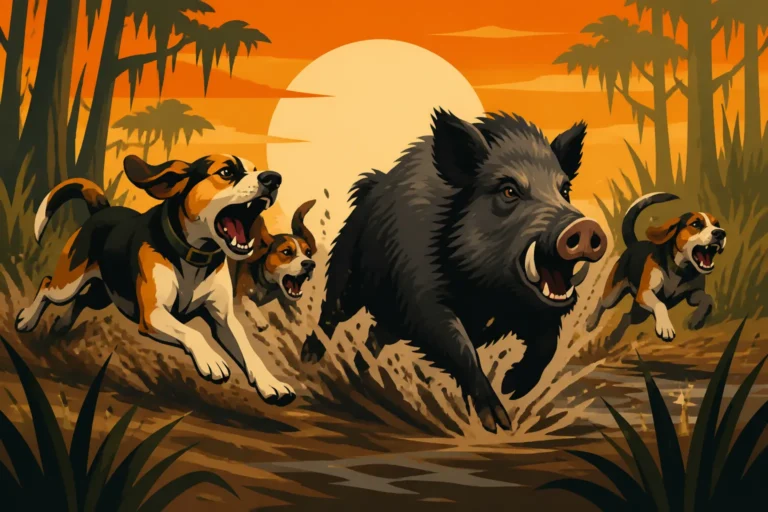
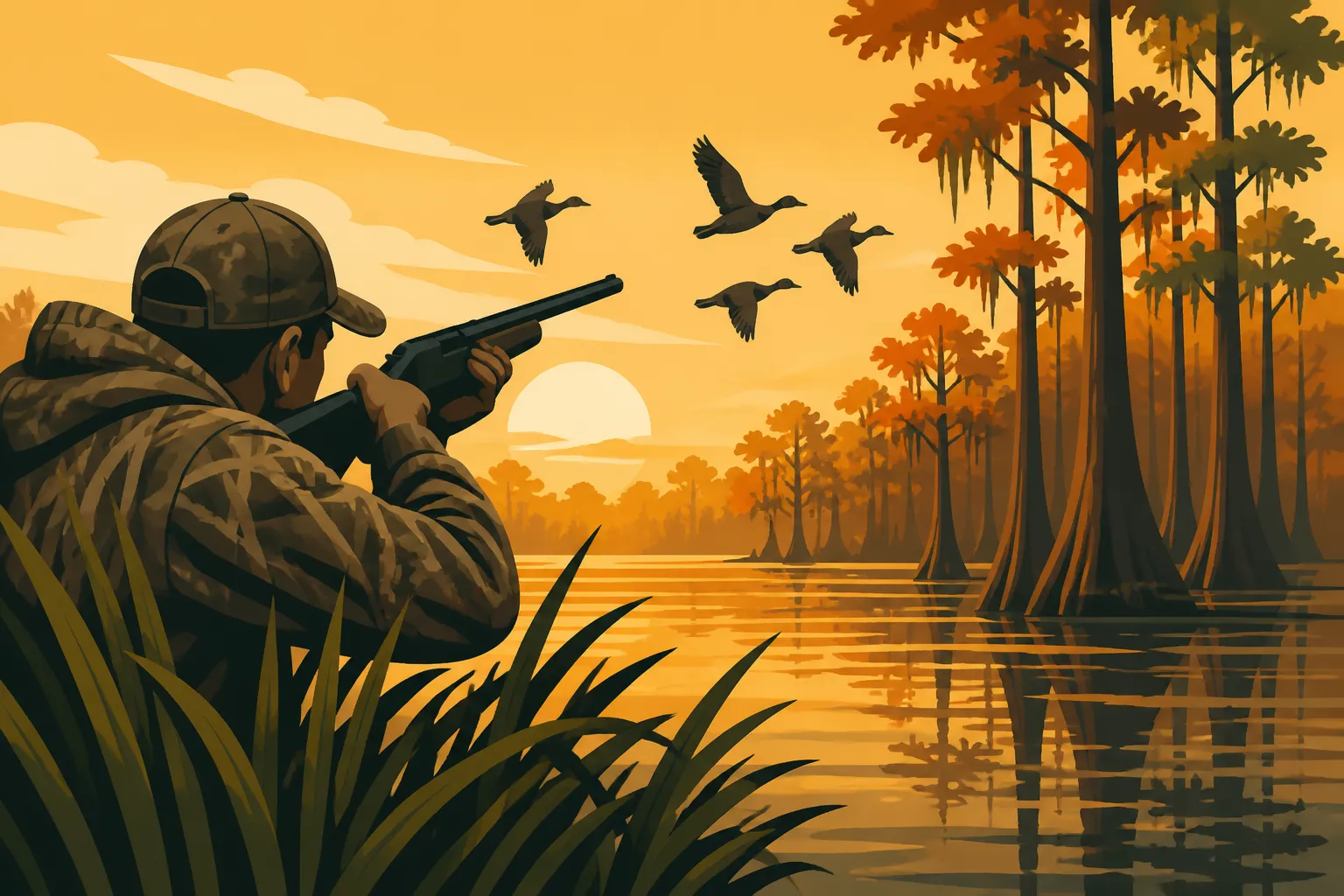
It's not just deer, either. Wild hogs absolutely thrive in these environments, rooting around for tubers and grubs in the soft, moist earth, and finding excellent cover in the dense undergrowth. The water itself attracts a variety of waterfowl, especially during migration, making these edges prime spots for opportunistic duck and goose hunting as well. If you're looking for a multi-species experience, the swamp edge might just be your ticket. The beauty of these areas is their constant state of flux, always offering new puzzles to solve and new opportunities to discover.
The Dynamic Influence of Water Levels
Perhaps the single biggest factor influencing wildlife movement along cypress-tupelo swamp edges is water level. This isn't your typical dry land hunting where the terrain remains relatively static. Here, water dictates everything. High water, whether from heavy rains or a rising river like the Mississippi or Red, can push animals out of the deeper swamp and concentrate them onto slightly higher ground along the edges. This can create fantastic hunting opportunities as game is funneled into smaller, more predictable areas. Conversely, extremely low water can open up access to parts of the swamp that are normally inaccessible, allowing animals to disperse and making them harder to pattern.
Understanding the current water conditions is paramount. Are the sloughs and bayous overflowing? Is the adjacent river on a rapid rise or fall? In coastal regions, you also have to factor in tidal movements. A falling tide might expose mudflats that attract dabbling ducks, while a rising tide could push deer and hogs onto higher ground or game trails that become temporary islands. Tools like GoHunt's mapping features, or even simpler resources like river gauges from the National Weather Service, can provide crucial insights into water levels. Knowing what the water is doing will tell you what the animals are doing, helping you predict their travel routes and feeding patterns. This is particularly vital when you’re scouting for a trip into areas like the Pearl River WMA Bottomland Deer Ground, where water is the dominant force.
Reading the Swamp: Finding Those Hidden Travel Routes
Unlike hunting open fields or pine plantations, where deer might move across large expanses, hunting swamp edges is all about identifying those narrow, often subtle, pathways that animals rely on. It's like finding a needle in a haystack, but with the right eye and understanding of swamp dynamics, that needle becomes glaringly obvious.
Identifying Key Funnels and Pinch Points
Deer and hogs in swampy terrain are creatures of efficiency. They're not going to swim or trudge through deep muck unless absolutely necessary. Instead, they'll seek out the path of least resistance. This means concentrating your efforts on natural funnels and pinch points. Look for subtle rises in elevation – even a few inches can make a difference in a water-logged environment – that create dry travel corridors. These might be old logging roads, natural levees, spoil banks from dredged canals, or even just slightly higher ground between two sloughs.
Bayous and creeks can act as boundaries, forcing animals to cross at specific, shallower points or follow the bank until they find solid ground. A mature cypress tree standing alone on a slightly elevated mound, surrounded by water, might be a key bedding spot or a staging area. You need to train your eye to see these nuances. Think about where a deer must travel to get from deep cover to a feeding area when the water is high. Often, it's a very narrow strip of land, creating a perfect ambush opportunity. This also applies when considering how to Recover a Deer From a Basin Slough after the shot – knowing the easiest paths is critical.
The Art of Scouting in Wet Environments
Scouting in cypress-tupelo swamps is a hands-on, often wet, affair. Forget cruising in your truck; you'll be on foot, in a boat, or even in a pirogue. Start by using aerial maps. High-resolution satellite imagery, available through platforms like GoHunt, can reveal subtle elevation changes, old roads, drainage patterns, and even visible game trails that are hard to spot on the ground. Look for areas where different habitat types meet – where the dark green of the swamp meets lighter greens of brushy edges or the distinct lines of agricultural fields.
Once you've identified potential hotspots on the map, it's time for boots-on-the-ground reconnaissance. Look for physical sign: tracks in the mud, rubs on trees along a slight ridge, hog rooting, and droppings. Don't be afraid to get a little muddy. Pay attention to bedding areas – often elevated spots with dense cover. During the off-season, you can even hang trail cameras in these areas, ensuring they are well above potential high-water marks. When the water is low, these scouting trips become even more productive, allowing you to walk areas that might be underwater during the season. This type of detailed preparation is key to success, especially when considering more general tactics like Scouting Louisiana Public Land Before Season.
Strategic Hunting Approaches for Swamp Edges
Once you understand the landscape and have identified potential hotspots, it’s time to think about how to actually hunt these challenging yet rewarding areas. It's not just about showing up; it's about smart planning and adapting to the swamp's rhythm.
Optimal Stand Placement for Success
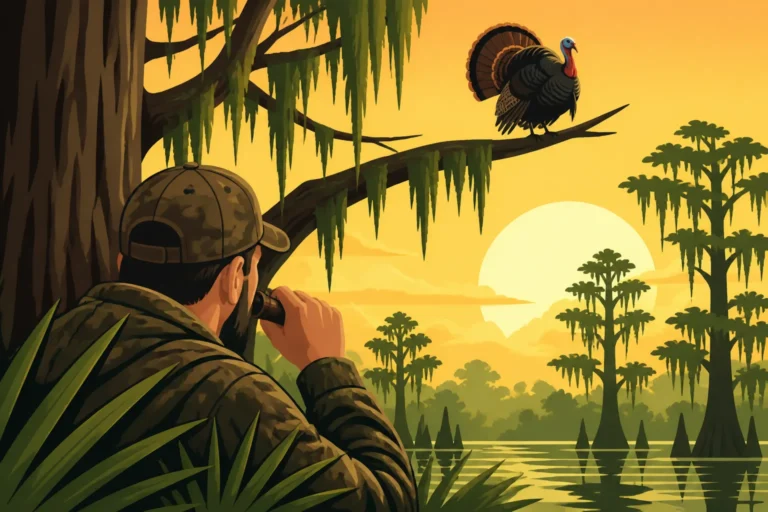
Choosing where to place your stand along a cypress-tupelo swamp edge is critical and can vary wildly depending on whether you're after deer, hogs, or waterfowl. For deer, you're primarily looking to intercept them moving between bedding and feeding areas. This often means setting up overlooking a well-used game trail or a natural pinch point. Consider the prevailing wind direction and how thermals will behave in the dense cover. Aim for a spot that offers a clear shot while also allowing for a quiet entry and exit. Sometimes, a tree stand overlooking a small opening or a bend in a bayou can be deadly.
When hunting hogs, which can be less predictable in their movements, focusing on areas with fresh rooting sign or near water sources they frequent can be effective. A ground blind, well brushed in, can be a great option for both deer and hogs, especially in areas where tall, sturdy trees for climbing stands are scarce or difficult to access. Remember, the swamp is unforgiving; secure your stand well, as trees can be slick and unstable. If you’re considering a more mobile approach, a small boat or kayak with a portable platform can even serve as a temporary "stand" in deeper water near an edge.
Mastering Wind and Thermals in the Swamp
The dense canopy and varied terrain of a cypress-tupelo swamp create complex wind and thermal patterns that can be incredibly challenging to decipher. Unlike open country where wind direction might be relatively consistent, in the swamp, air currents can swirl and eddy, especially as the sun rises and falls. Understanding Wind and Thermals in Swamp Bottomland is an essential skill. Generally, early morning thermals will pull your scent down into the lower areas of the swamp, while evening thermals will cause it to rise. However, this is heavily influenced by tree cover, water temperature, and sunlight.
Always hunt with the wind in your favor, even if it means a longer, more difficult approach. Use a wind checker constantly to monitor subtle changes. Pay attention to how the air moves around sloughs, ridges, and dense patches of trees. Sometimes, the best strategy is to set up a little further back from the very edge, allowing your scent to dissipate before it hits the prime travel corridor. This is where patience and meticulous planning truly pay off; guessing the wind in a swamp is a recipe for an empty game bag.
Accessing Your Spot Quietly and Safely
Getting to your hunting location in a cypress-tupelo swamp often requires a different mode of transportation than a typical deer lease. Boats, kayaks, or canoes are frequently necessary for navigating deeper sloughs and bayous. If you're using a motorized boat, plan your route to minimize noise and arrive well before legal shooting light, allowing the water and woods to settle down. Small, quiet electric motors are a swamp hunter's best friend.
For shallower areas or when transitioning from water to land, a good pair of waders is indispensable. Waders allow you to traverse muddy bottoms and shallow water quietly, keeping your scent off the ground and minimizing disturbance. Always carry a compass and a GPS device (like the one found on the GoHunt app) to navigate. The swamp can be disorienting, with countless similar-looking trees and winding waterways. Marking your entry and exit points, as well as your stand location, is not just a good idea – it's crucial for your safety. Consider exploring specific tactics like Hunting Atchafalaya Basin Swamp Deer or even Waterfowl Hunting the Louisiana Coastal Marsh, both of which necessitate specialized access.
Essential Gear and Safety Tips for Swamp Hunters
Hunting cypress-tupelo swamp edges isn't just about strategy; it's also about having the right tools and a keen awareness of the unique risks involved. The Louisiana swamp environment can be beautiful, but it's also wild and can turn hostile quickly if you're unprepared.
Must-Have Equipment for the Louisiana Swamp
Your gear list for swamp hunting will look a bit different than for a typical deer hunt. Here’s a quick rundown of some non-negotiables:
| Item | Purpose | Key Features |
|---|---|---|
| Chest Waders or Hip Boots | Stay dry, traverse shallow water and mud silently. | Durable, puncture-resistant material; good traction; comfortable fit. |
| Waterproof Backpack | Protect gear from moisture, carry essentials. | Roll-top closure; durable, lightweight material; external attachment points. |
| GPS/Mapping Device | Navigation, marking locations, finding routes. | Reliable battery life; pre-loaded maps; user-friendly interface (e.g., GoHunt). |
| Headlamp/Flashlight | Early morning/late evening navigation, tracking, safety. | Red light option to preserve night vision; long battery life; waterproof. |
| Bug Spray | Essential defense against mosquitoes, gnats, and other insects. | High DEET concentration or picaridin; apply liberally. |
| First-Aid Kit | Treat minor injuries, snake bites (if equipped). | Waterproof case; bandages, antiseptic wipes, pain relievers, snake bite kit. |
| Knife | Field dressing, general utility. | Sharp, sturdy blade; easy to clean. |
| Ropes/Pulling Aids | Retrieving game, navigating difficult terrain. | Durable rope; gambrel or drag sled for easier retrieval. |
| Water/Snacks | Stay hydrated and fueled for long, physically demanding hunts. | Ample supply; non-perishable, energy-rich options. |
| Small Watercraft | Access deeper areas (kayak, canoe, pirogue). | Stable, quiet, easily maneuverable. |
Beyond this list, consider specialized gear for the game you're after. For example, if you're Hunting Louisiana's Year-Round Feral Hogs at night, you'll need appropriate lighting and perhaps thermal optics. For waterfowl, specialized decoys and calls are a given. No matter what, always ensure your firearm or bow is well-maintained and waterproofed as much as possible, as moisture is a constant threat. And if you're going to be Using a Ground Blind on Louisiana Public Land, ensure it's securely anchored and brushed in.
Staying Safe in an Unforgiving Environment
The Louisiana swamp is beautiful, but it demands respect. Safety should always be your top priority. Here are some critical considerations:
- Tell Someone Your Plan: Always inform a trusted friend or family member exactly where you're going, your planned route, and when you expect to return. Share your GoHunt map pins with them if possible.
- Watch for Wildlife: Be aware of snakes, alligators, and other potentially dangerous animals. While most will avoid you, accidental encounters can happen. Knowing about American Alligators in Louisiana and giving them space is crucial.
- Hydration and Exposure: The heat and humidity in Louisiana, even during cooler months, can lead to dehydration. Always carry plenty of water. Conversely, a sudden cold front can bring rapid temperature drops, making hypothermia a risk if you get wet. Dress in layers and bring rain gear.
- Navigation: As mentioned, the swamp can be disorienting. Always carry a fully charged phone with offline maps, a dedicated GPS device, and a physical compass and map as backups. Know how to use them all.
- First Aid: Beyond a basic kit, consider additional training for snake bites or severe injuries, as help can be a long way off.
- Water Safety: If you're using a boat, wear a PFD (personal flotation device), even if you're an excellent swimmer. The water might look calm, but unseen currents or submerged obstacles can create hazards.
- Check Conditions: Before heading out, check weather forecasts, river stages, and local conditions. The swamp can change dramatically overnight. This is especially true if you are operating within a Louisiana Waterfowl Zones and Seasons for ducks, where rapid weather shifts can affect bird movement.
Hunting cypress-tupelo swamp edges offers an incredibly rewarding experience for those willing to embrace the challenge. It’s a chance to connect with a truly wild side of Louisiana, test your skills against savvy game, and come home with stories that are anything but ordinary. Be prepared, be patient, and enjoy the unique adventure that only these mystical wetlands can provide.
Disclaimer
The information provided in this article is for general guidance and informational purposes only. Hunting regulations, seasons, and local conditions in Louisiana can change frequently. Always consult the latest official Louisiana Department of Wildlife and Fisheries (LDWF) regulations and local authorities before planning any hunting trip. Hunter safety is paramount; always follow safe firearm handling practices and be aware of your surroundings.