Coastal Marsh Duck Lodge Multi-Day Rates
Hunting the vast, whispering coastal marshes of Louisiana for ducks is an experience like no other, but figuring out the logistics and costs for a multi-day lodge stay can feel like navigating a maze in the fog. Many hunters dream of those sunrise shoots over the decoys, followed by warm coffee and a hearty breakfast at a comfortable lodge, but the range of packages and prices can be overwhelming. This guide is here to unravel the complexities of multi-day rates at Louisiana's coastal marsh duck lodges, helping you understand what you're paying for and how to find the perfect fit for your next unforgettable waterfowl adventure.
The Allure of Multi-Day Marsh Duck Hunts
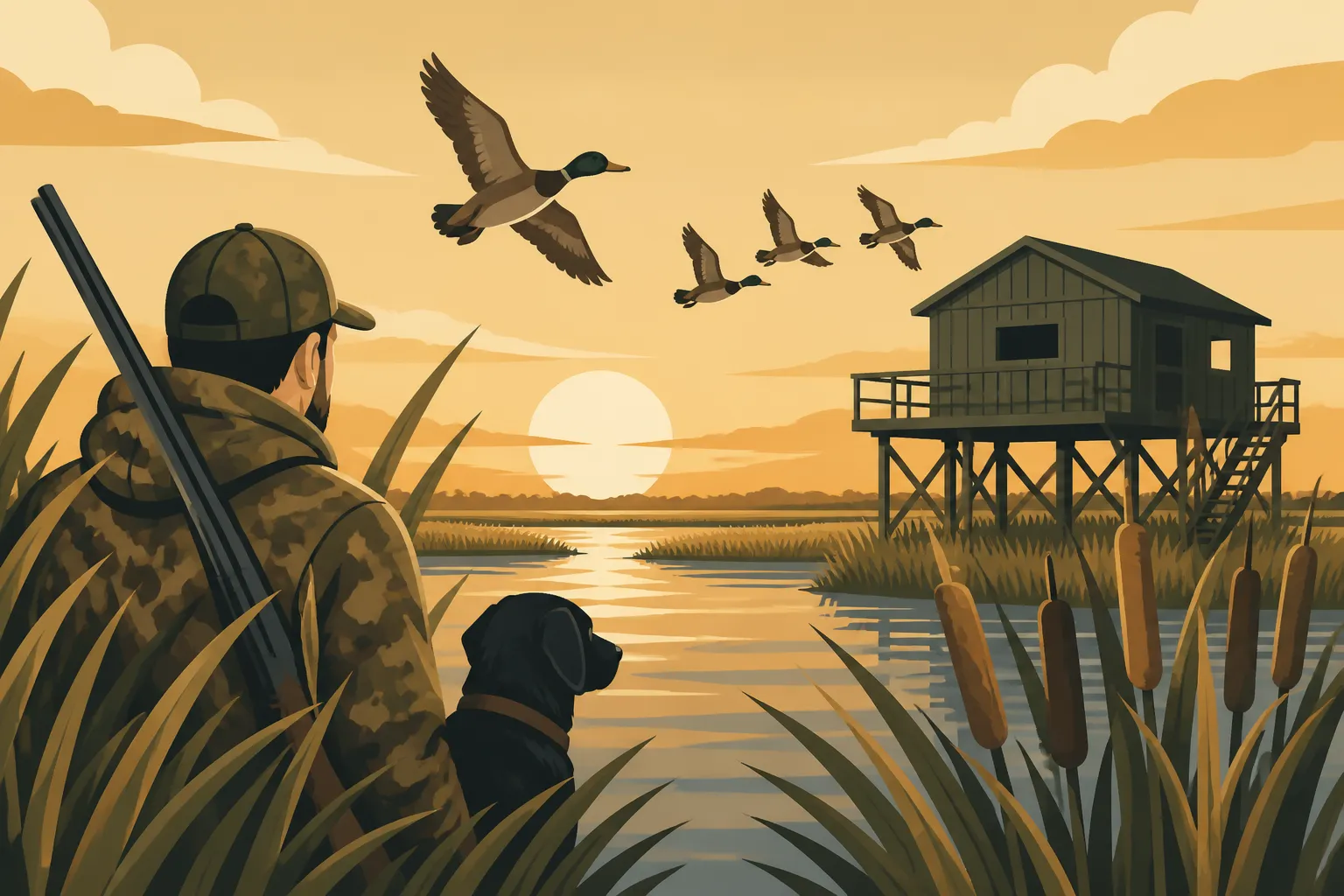
There's something uniquely captivating about hunting ducks in the sprawling coastal marshes of Louisiana. It's not just the sheer number of birds that can pour into the state along the Mississippi Flyway, but the entire atmosphere – the crisp morning air, the calls of pintails and gadwalls, the taste of salt on the wind, and the camaraderie in a blind miles from anywhere. For many, a single day hunt just isn't enough to truly soak it all in.
Why Hunters Seek Multi-Day Experiences
A multi-day trip allows you to fully immerse yourself in the hunting culture and the marsh environment. You get to settle into a routine, shake off the travel fatigue, and truly connect with the guides and fellow hunters. Imagine waking up at the lodge, grabbing a cup of coffee, and being chauffeured out to a blind as the first hint of dawn paints the sky. After a morning hunt, you return for a delicious, warm meal, share stories, and maybe even get a little nap before preparing for the next day's hunt. This sustained immersion offers a deeper, more relaxed experience than the rush of a single-day trip.
Moreover, multi-day hunts increase your chances of hitting good weather windows and experiencing peak flight days. The marsh can be unpredictable; one day might be slow, but the next, a cold front could push thousands of new birds into the area. By booking several days, you give yourself a better statistical chance of being there when the ducks really start working. It’s an investment in the full experience, not just a single morning.
The Unique Appeal of Coastal Marsh Lodges
Coastal marsh lodges aren't just places to sleep; they are often hubs of local hunting tradition and hospitality. These lodges are typically located in prime duck country, giving you quick access to productive hunting grounds in parishes like Cameron, Vermilion, and Terrebonne. Hunting Cameron Parish Marsh Ducks is an experience truly unique to Louisiana. Many are family-owned and operated, providing an authentic taste of Louisiana culture, complete with delicious Cajun cooking and genuine Southern charm.
These lodges often have exclusive access to vast private marshlands, meaning you're hunting grounds that aren't open to the general public, and where bird numbers can be consistently higher due to thoughtful management. They're designed to cater specifically to hunters, with amenities like dog kennels, wader dryers, and comfortable communal areas where you can unwind and relive the day's highlights. It's a full-service experience that takes care of all the details, letting you focus solely on the hunt.
Factors Influencing Multi-Day Lodge Rates
Understanding the cost of a multi-day marsh duck hunt means looking at a variety of factors that contribute to the overall price. It's rarely just about the guide fee; you're paying for a comprehensive package that includes lodging, food, and often much more.
Location and Access to Prime Hunting Grounds
The old adage "location, location, location" holds true for duck lodges. Lodges situated in historically productive areas, or those with exclusive access to vast, well-managed private marshland, will naturally command higher rates. These prime locations often guarantee better hunting opportunities and consistently draw large numbers of migratory birds, especially during peak migration. Hunting the Vermilion Parish Marsh or Hunting the Terrebonne Parish Marsh are examples of locations known for their waterfowl populations.
Lodges that offer convenient access, minimizing travel time by boat each morning, also add value. If a lodge has private boat launches or blinds strategically located just a short ride from the dock, that convenience is built into the pricing. You're paying for the efficiency and the higher likelihood of a successful hunt that comes with being right in the thick of the action.
Inclusions and Exclusions in the Package
Multi-day packages vary widely in what they include. The most basic might offer just lodging and guided hunts, while all-inclusive options cover everything from meals and beverages to bird processing and even transportation to and from the nearest airport. When you're comparing rates, it's crucial to look beyond the headline number and scrutinize the fine print of what's provided.
Things like meals (how many, what quality), alcoholic beverages, bird cleaning and packaging, use of a lodge dog, or even shotgun shell provisions can all add up quickly if not included. A seemingly cheaper rate might become more expensive once you factor in all the extras you'll need to pay for out of pocket. Always ask for a detailed breakdown of what's covered.
Time of Year and Season Peaks
Just like any other hunting venture, demand and pricing for marsh duck hunts fluctuate with the season. Peak migration periods, often from mid-December through January, tend to be the most sought-after times, and consequently, lodges may charge higher rates during these weeks. The weather is typically colder, pushing more ducks south, and the birds are often more concentrated.
Conversely, dates earlier in the season, such as the initial weeks of November, or later in the season in February, might see slightly lower rates or more availability. While early season can offer fantastic hunting for resident birds and early migrants, Duck Migration Timing Through Louisiana shows that the sheer volume of birds typically peaks mid-winter. If you have flexibility, targeting these shoulder periods might offer a more budget-friendly option without necessarily sacrificing a quality hunt.
What's Typically Included in a Multi-Day Duck Lodge Package
When you're looking at those exciting lodge brochures or websites, it's helpful to know what the "standard" offerings usually entail. While every lodge is a little different, there are common elements you can expect to find in most multi-day packages.
Lodging and Accommodations
The core of any multi-day package is, of course, the lodging itself. Most coastal marsh lodges offer comfortable, clean accommodations designed to house hunting parties. This could range from bunk-style rooms shared with your group to semi-private rooms with a few beds. The amenities can vary greatly, from rustic charm to more luxurious setups complete with private bathrooms and satellite TV.
Expect common areas where hunters can relax, eat, and share stories. These often include a dining room, a living room with comfortable seating, and possibly an outdoor patio or fire pit. The emphasis is on comfort and functionality for hunters, providing a warm, dry place to unwind after a day in the marsh.
Guided Hunts and Transportation
This is the main event! All multi-day packages will include guided duck hunts, typically one morning hunt per day, though some may offer afternoon hunts for specific species like geese or opportunities for other game like feral hogs. Your guide will be a seasoned veteran of the marsh, intimately familiar with the local bird movements, tides, and weather patterns.
Transportation to and from the blinds is also a standard inclusion. This usually means an airboat, mud boat, or traditional skiff, expertly piloted by your guide, taking you deep into the marsh where the birds are. You'll often be hunting from fixed blinds or layout blinds, depending on the specific setup and the type of hunting. Layout Blind Hunting Coastal Rice Fields is common for some types of waterfowl, for instance.
Meals and Refreshments
A huge part of the lodge experience is the food, and most multi-day packages pride themselves on providing delicious, hearty meals. You can typically expect a pre-hunt breakfast (often simple and quick like coffee, pastries, and fruit), a substantial hot brunch or lunch upon returning from the morning hunt, and a full dinner in the evening.
The cuisine is often a highlight, featuring traditional Cajun and Creole dishes, fresh seafood, and generous portions to refuel hungry hunters. Drinks like coffee, tea, water, and sodas are usually included, and some lodges may also provide beer or wine, or allow you to bring your own adult beverages. Always confirm the specifics on meals and drinks to avoid any surprises.
Comparing Lodge Types and Their Pricing Structures
Just as there are different kinds of hunters, there are different kinds of lodges and hunting experiences in the Louisiana marsh, each with its own pricing structure. Understanding these distinctions will help you align your expectations with your budget.
Rustic Versus Luxury Lodges
The most significant differentiator in multi-day rates often comes down to the level of luxury and amenities offered by the lodge.
Rustic Lodges: These tend to be more basic, focusing on functionality and a no-frills hunting experience. Accommodations might be simpler, perhaps dormitory-style rooms with shared bathrooms. The food will be hearty and plentiful but might not feature gourmet dishes. The focus is purely on the hunt, the camaraderie, and the raw marsh experience. These lodges typically offer the most budget-friendly multi-day rates, making them accessible to a wider range of hunters who prioritize the hunt itself over lavish comforts. Think of them as a comfortable base camp rather than a resort.
Mid-Range Lodges: These strike a balance, offering more comfortable private or semi-private rooms, often with en-suite bathrooms, and a step up in meal quality and variety. You might find amenities like satellite TV, Wi-Fi, and a more dedicated lounge area. The guiding services are still top-notch, but the overall experience is a bit more refined and comfortable. Their rates fall in the middle, providing a good value for those who want a comfortable stay without breaking the bank. These lodges aim to provide both an excellent hunt and a pleasant, relaxing environment back at camp.
Luxury Lodges: At the higher end, luxury lodges offer premium accommodations, often with individual rooms or suites, upscale furnishings, and gourmet dining experiences prepared by professional chefs. You might find amenities like hot tubs, full-service bars, daily housekeeping, and concierge-level services. These lodges cater to clients seeking a five-star experience alongside their world-class hunting. Their multi-day rates will be significantly higher, reflecting the elevated level of service, comfort, and exclusivity. For those looking for an indulgent hunting vacation, these lodges provide an unmatched blend of sport and relaxation.
All-Inclusive Versus A La Carte Packages
Another key distinction is how packages are structured regarding inclusions.
All-Inclusive Packages: As the name suggests, these packages aim to cover virtually everything from the moment you arrive until you depart. This typically includes lodging, all meals and non-alcoholic beverages, guided hunts, transportation to the blinds, bird processing (cleaning, breasting, bagging), and sometimes even shotgun shells or limited alcoholic beverages. The benefit here is simplicity and predictability; you pay one price and largely don't have to worry about additional costs during your stay, outside of personal items or guide tips. For many, the peace of mind knowing all major expenses are covered is well worth the upfront cost. They're excellent for planning a trip with a fixed budget. All-Inclusive Marsh Duck Packages streamline the experience for many hunters.
A La Carte Packages: Less common for multi-day duck lodge stays, but some operations might offer a more itemized approach, allowing you to pick and choose services. For instance, you might pay a base rate for lodging and a separate daily fee for guiding, and then purchase meals, bird processing, or drinks as needed. While this can appear cheaper upfront, it often requires more active budgeting during your trip, and the cumulative cost can sometimes exceed an all-inclusive option. It's crucial to meticulously calculate potential add-ons if considering this type of package to ensure you're getting a true value. Always ask for a detailed menu of services and their associated costs if a lodge offers this model.
Understanding Price Variations Among Outfitters
Even within similar categories (e.g., mid-range, all-inclusive), prices can vary between different outfitters. This is often due to factors like the outfitter's reputation, their specific hunting grounds (some may lease thousands of acres of highly productive marsh), the experience level of their guides, and the overall demand for their services. A long-established outfitter with a consistent record of success and rave reviews might charge more than a newer operation.
It's wise to compare several different lodges in your desired area and price range. Websites like BookYourHunt can be a great resource for comparing different outfitters and their offerings side-by-side, helping you find a good match for your specific needs and budget. Reading reviews and talking to past clients can also shed light on why certain outfitters command the rates they do.
Budgeting for Your Multi-Day Marsh Adventure
Planning your dream duck hunt requires a clear understanding of all the potential costs involved. Beyond the lodge package itself, there are several other expenses you'll need to factor into your overall budget.
License and Stamp Requirements
Before you even step foot in the marsh, you'll need the proper licensing. This isn't usually included in lodge rates and is entirely your responsibility. For waterfowl hunting in Louisiana, you'll need a basic Louisiana hunting license, a Louisiana waterfowl conservation stamp, and a federal duck stamp. You'll also need to register with the Harvest Information Program (HIP). Non-residents will have different rates for these licenses. Always check the current regulations and costs with the Louisiana Department of Wildlife and Fisheries (LDWF) well in advance of your trip. Louisiana Waterfowl Zones and Seasons and Louisiana Hunter Education Requirements are good places to start your research.
It's easy to purchase these online through the LDWF website or via their mobile app. Don't wait until the last minute, as you'll want to have everything in order before you arrive at the lodge.
Equipment and Gear Considerations
While lodges provide the guided hunt, you're responsible for your personal gear. This includes:
- Shotgun and Ammunition: Bring a reliable waterfowl shotgun (12 gauge is most common) and plenty of non-toxic shot (steel, bismuth, or tungsten-matrix are legal). Duck limits can be generous, so plan for multiple boxes per day.
- Waders and Boots: Neoprene or breathable waders are essential for marsh hunting, along with comfortable, insulated boots. The marsh can be muddy and wet, so quality footwear is critical.
- Warm, Layered Clothing: Louisiana weather can be unpredictable. Mornings can be freezing, but afternoons can warm up significantly. Layers are key for staying comfortable. Don't forget waterproof outerwear.
- Other Essentials: Headlamp, game strap, cooler for transporting birds, sunscreen, insect repellent (especially in early season), camera, and any personal medications.
Consider whether you need to purchase new gear or if your existing setup is adequate. Quality gear is an investment, but it makes the experience much more enjoyable.
Tipping Guidelines for Guides and Staff
Tipping is a customary and expected part of the guided hunting experience, a way to show appreciation for hard work and a successful hunt. This is not typically included in your multi-day rate. For marsh duck hunts, a common guideline is 15-20% of the total hunt cost per hunter for your guide. If there are other staff members who greatly enhance your experience, like cooks or lodge attendants, a separate tip for them is also appropriate. Tipping Guides and Boat Captains is a great resource for more detailed etiquette.
It's a good idea to bring cash for tips, as many guides prefer it, and it can be difficult to arrange electronic payments in remote lodge locations. Factor this into your budget upfront, so you're not scrambling at the end of your trip.
Booking Strategies and Vetting Lodges
Booking a multi-day duck hunt at a Louisiana marsh lodge is a significant investment of both time and money. Doing your homework and planning strategically can make all the difference in ensuring a successful and enjoyable trip.
Researching and Comparing Outfitters
Start your research early, especially if you plan to hunt during peak season or with a large group. Many popular lodges book up months, or even a year, in advance. Utilize online resources, hunting forums, and word-of-mouth recommendations. Pay attention to reviews on platforms like BookYourHunt or GoHunt, where you can often find candid feedback from past clients. Look for consistency in positive reviews, and note how outfitters respond to any negative feedback.
When comparing, gather detailed quotes from at least 3-5 different lodges. Don't just look at the price, but compare what's included in each package, the location of their hunting grounds, their guide-to-hunter ratio, and their cancellation policies. Ask direct questions about bird cleaning, meals, and any hidden fees. This thorough comparison will help you gauge value.
Asking the Right Questions Before You Book
Once you've narrowed down your choices, get on the phone or send detailed emails with specific questions. Here are a few crucial ones:
- What's your typical success rate, and what factors influence it? (Understand they can't guarantee birds, but you want to know their historical performance.)
- What is the maximum group size per blind? (Ensure a comfortable hunting experience.)
- Are licenses and stamps included, or do I need to purchase them separately? (Clarifies budgeting.)
- What is your policy on bad weather or unexpected events? (Understand their contingency plans for high winds, fog, or major storms. Weather Contingency Policies for Marsh Guides is important.)
- What is your deposit and cancellation policy? (Crucial for protecting your investment. Deposits and Cancellation Terms in Louisiana vary.)
- Can you provide references from past clients? (Hearing directly from others is invaluable.)
- What should I bring? Is there anything I shouldn't bring? (Helps with packing and avoiding unnecessary items.)
- What's the typical schedule for a hunting day? (Sets expectations.)
- What happens with the birds after the hunt? Is processing included? (Important for getting your game home.)
A reputable outfitter will be happy to answer all your questions thoroughly and transparently. If you encounter evasiveness or pressure to book quickly without full disclosure, consider it a red flag.
Understanding Deposit and Cancellation Policies
Louisiana marsh duck hunting is weather-dependent, and sometimes life throws curveballs. It's absolutely critical to understand the lodge's deposit and cancellation policies before you commit. Most lodges require a significant non-refundable deposit to secure your dates, with the balance due closer to the hunt.
Pay close attention to how they handle cancellations, particularly those due to unforeseen circumstances like severe weather, family emergencies, or travel issues. Some may offer a credit for a future hunt, while others might have strict no-refund policies. Consider purchasing travel insurance, especially for high-cost trips, to protect your investment against unexpected events that might force you to cancel. Don't assume anything; get these policies in writing.
Maximizing Your Multi-Day Experience
Once you've booked your multi-day marsh duck hunt, there are still things you can do to ensure you get the most out of your experience and create lasting memories.
Preparing Physically and Mentally
While marsh hunting isn't usually as physically demanding as, say, a mountain elk hunt, it's not a stroll in the park either. You'll be getting up very early, walking through mud or shallow water in waders, and sitting in blinds for several hours. Being in reasonable physical condition will make the experience much more enjoyable. Physical Demands of a Marsh Duck Hunt can vary.
Mentally, be prepared for anything. Weather in Louisiana can change on a dime, bird activity can fluctuate daily, and things might not always go exactly as planned. Embrace the adventure, stay positive, and trust your guide's expertise. The true joy of hunting often lies in the unpredictable moments and the lessons learned along the way.
Being a Considerate Hunter and Guest
Remember that you're a guest in someone else's lodge and hunting grounds. Being respectful, polite, and appreciative goes a long way. Listen to your guides, follow their instructions, and be mindful of other hunters in your group. This includes respecting quiet hours, cleaning up after yourself, and being punctual for meals and hunt departures.
A good attitude can enhance everyone's experience, including your own. The guides and staff work incredibly hard to provide a memorable trip, and a little courtesy and gratitude can foster a friendly atmosphere. You might find yourself making new friends and connections that last beyond the hunt.
Bringing Home Your Harvest
One of the great rewards of a successful duck hunt is bringing home delicious wild game. Make sure you understand the lodge's bird processing procedures. Most will clean and bag your birds, and some may even vacuum-seal them for transport. Bring enough coolers and ice to properly store your harvest for the journey home.
If you're flying, be aware of TSA regulations regarding transporting game meat. Typically, it needs to be frozen solid and packed in a hard-sided cooler. Always double-check current airline and state regulations, especially if crossing state lines. Enjoying a meal of Louisiana marsh duck with friends and family after your trip is the perfect way to cap off the adventure. Cooking Louisiana Alligator Tail Meat is a different experience, but preparing your ducks can be just as rewarding!
Ultimately, a multi-day duck lodge experience in the Louisiana marsh offers an unparalleled opportunity to connect with nature, test your skills, and create cherished memories. With careful planning and a clear understanding of what to expect from lodge rates and inclusions, you'll be well-prepared for the hunt of a lifetime.
Disclaimer
This article is for general informational purposes only and does not constitute professional advice. Laws, prices and regulations vary by location and change over time. Consult a qualified professional for guidance on your specific situation.