Feral Swine Sightings in North Louisiana
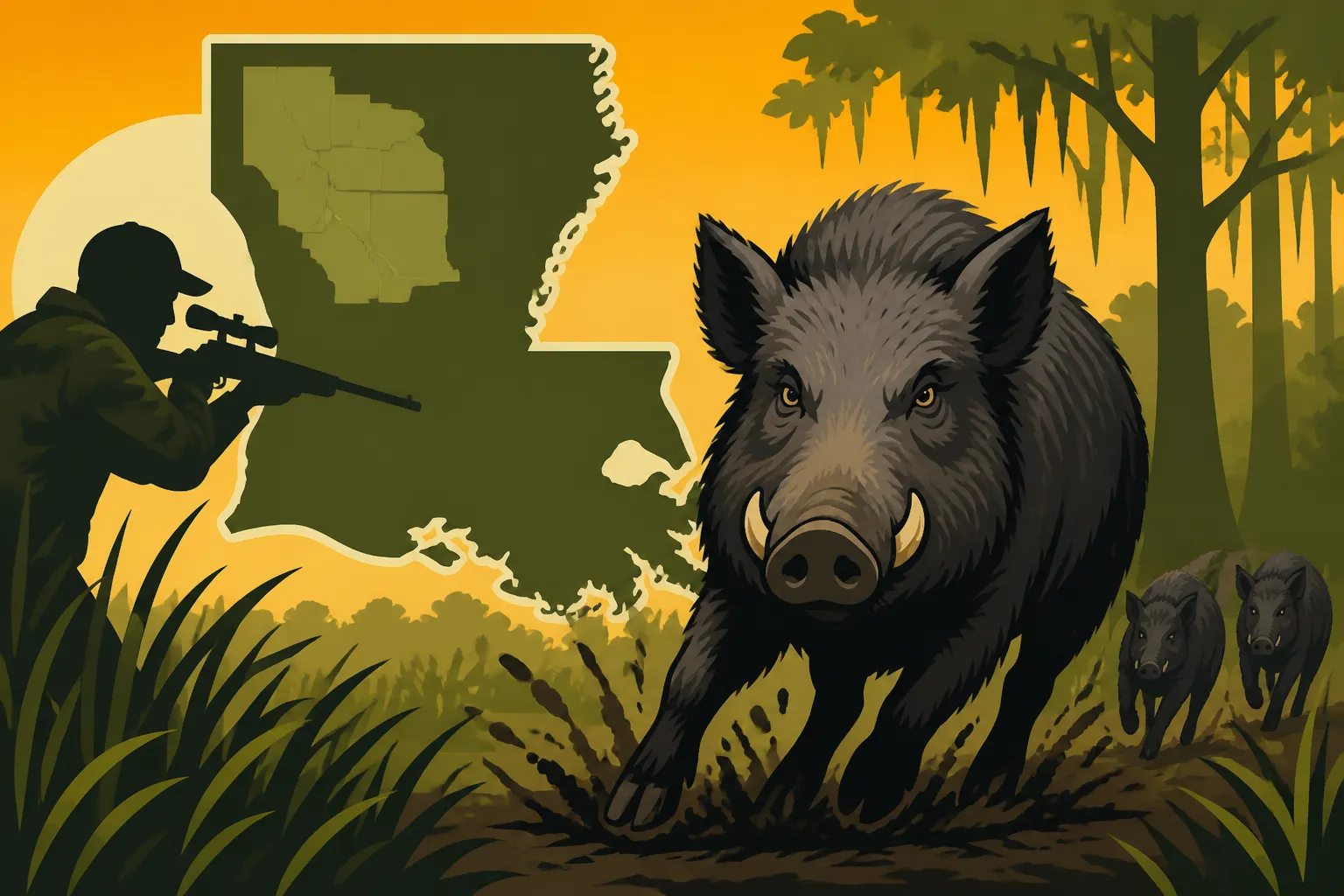
If you've spent any time in North Louisiana lately, especially on the fringes of what you might consider traditional "swamp country," you've likely noticed a concerning trend: feral swine are showing up where they once were rare. It's no longer just a problem for the deep bottomlands; these destructive animals are making their presence felt in pine forests, agricultural fields, and even suburban edges, impacting everything from crops to native wildlife. This guide will help you understand why these sightings are increasing, the damage they cause, and what can be done to manage their expanding presence.
Understanding Feral Swine Expansion in North Louisiana
For years, when folks in Louisiana talked about feral hogs, our minds naturally drifted to the dense, wet bottomlands of the Atchafalaya Basin or the vast marshes of the coast. These areas, with their thick cover and abundant water, seemed like the perfect — and only — habitat for these prolific animals. However, that perception is rapidly changing. Hunters and landowners across North Louisiana, in parishes that were historically less impacted, are now regularly encountering feral swine, sometimes in surprisingly large numbers. This expansion isn't an anomaly; it's a testament to the incredible adaptability of these animals and a clear signal that the challenge of feral hog management is now a statewide concern, reaching far beyond the bayous and into the rolling pine hills and fertile farm fields.
The Surprise of Northern Sightings
Imagine setting up your deer stand in a quiet pine timber tract near Ruston or patrolling a fencerow on a cattle farm in Union Parish, expecting to see a whitetail or maybe a coyote, and instead, you come across a sounder of hogs. It's a jarring experience for many, especially if you've always associated hogs primarily with the deeper, more remote swamps and river bottoms. The reality is, these animals are not confined to the low-lying, wet areas anymore. They've pushed into what many considered "safe" territory, changing the landscape of hunting and land management in places like the Kisatchie National Forest and the farmland of the Ouachita River valley. This shift means that previous assumptions about where to find hogs, or even if you'd find them, have to be reevaluated, forcing a broader, more inclusive approach to understanding their impact and presence across the state.
Their spread into these unexpected areas highlights their opportunistic nature. They follow drainage ditches, powerline cuts, and even dense thickets that offer cover, using these corridors to move into new territories. A farmer in Caldwell Parish might discover them rooting up a freshly planted cornfield, while a hunter in Jackson Parish finds their tracks along a pine ridge. It's a stark reminder that the "swamp problem" has truly become a statewide one, demanding attention and strategic thinking from everyone who enjoys or manages land in Louisiana.
How Hogs Colonize New Territory
Feral hogs are, to put it mildly, master colonizers. Their success in spreading across Louisiana and into its northern reaches isn't just luck; it's a combination of incredible reproductive efficiency, keen intelligence, and an uncanny ability to adapt to almost any environment. These animals can start breeding as young as six months old, and a sow can have two, sometimes even three, litters of piglets in a single year. Each litter can range from four to twelve piglets, leading to an exponential population boom that makes control incredibly difficult. This rapid breeding cycle means that even if you remove a significant number of hogs from an area, the population can rebound alarmingly fast if a few individuals are left behind.
Beyond their reproductive prowess, hogs are incredibly mobile. They don't just stay in one small area; they're constantly on the move, especially if food or water sources become scarce or if they face hunting pressure. They'll follow creek beds and stream corridors for miles, using these natural highways to navigate through dense woodlands and agricultural lands. They're also smart, learning to avoid traps that have been sprung unsuccessfully or associating vehicle sounds with danger. Their ability to learn and adapt makes them notoriously difficult to manage effectively, often outsmarting conventional control methods if not applied with persistence and strategic thinking. This constant movement and quick learning are primary drivers of their spread into new territories, including the northern parishes where they were once uncommon.
Habitat Preferences Beyond the Bottomland
While feral hogs certainly love the cover and water offered by Louisiana's bottomland hardwoods and cypress-tupelo swamps, it's a mistake to think that's their only preferred habitat. In North Louisiana, these animals have shown an impressive ability to thrive in a much wider array of environments. We're talking about vast expanses of pine forests, often managed for timber, where they find refuge in dense thickets and browse on various plants and fungi. They also readily inhabit mixed woodlands, those transition zones where pine meets hardwood, offering a diverse buffet of food sources like acorns and other mast crops.
Perhaps most significantly, they've become incredibly adept at living in and around agricultural fields. A standing cornfield provides not just food but excellent cover, allowing sounders to disappear entirely within its rows. Soybean and peanut fields offer similar attractions, and the hogs are notorious for rooting up these crops, causing extensive damage. This adaptability to diverse landscapes means that landowners and hunters in areas ranging from the central pineywoods of Rapides Parish to the rich delta soils of Tensas Parish need to be vigilant. Knowing that these animals are comfortable outside of traditional swamp country is the first step in recognizing a potential problem and implementing effective management strategies.
Impact of Feral Swine on North Louisiana's Landscape
The presence of feral swine in North Louisiana isn't just an interesting wildlife sighting; it's a deeply problematic phenomenon with far-reaching consequences for the region's ecology, economy, and even public health. These aren't just nuisance animals; they are an invasive species capable of profound alteration to the natural and agricultural landscapes. The damage they inflict is cumulative, often subtle at first, but escalating rapidly as their populations grow. From tearing up delicate ecosystems to decimating valuable crops, their impact is a significant concern that demands serious attention and concerted efforts to mitigate. Understanding the scope of this damage is crucial for anyone living, working, or hunting in affected northern parishes.
Ecological Damage and Wildlife Competition
The ecological footprint of feral swine is nothing short of devastating, especially in the sensitive ecosystems of North Louisiana. Their incessant rooting behavior, where they use their powerful snouts to dig for roots, tubers, and invertebrates, can turn a lush forest floor into a torn-up wasteland in a single night. This rooting destroys native plant communities, disrupts the soil structure, and can lead to increased erosion and sedimentation in waterways, impacting water quality in creeks and rivers. Imagine pristine stands of hardwoods, critical for wildlife, suddenly dotted with massive churned-up areas that resemble a ploughed field, but without the benefit of purposeful planting.
Beyond direct habitat destruction, these hogs are direct competitors with native wildlife for crucial food resources. White-Tailed Deer Across Louisiana rely heavily on acorns and other mast crops, particularly in the fall and winter, to build fat reserves. Turkeys, squirrels, and many other species also depend on these same food sources. When a sounder of hogs moves through, they can consume a significant portion, leaving little for the native animals. This competition can stress deer herds, reduce turkey brood survival by destroying nests, and generally disrupt the delicate balance of the ecosystem. It's a direct threat to the very wildlife we cherish and work so hard to manage.
Agricultural Devastation and Economic Strain
For the farmers and landowners in North Louisiana, the economic impact of feral swine is a brutal reality. These animals are agricultural wrecking balls, causing millions of dollars in damage annually across the state. They will target almost any crop, from the young tender shoots of newly planted soybeans and corn to the mature, ready-for-harvest produce. They trample, root up, and consume vast quantities of crops, leaving behind a trail of destruction that can decimate a farmer's yield and livelihood. Consider a field of sweet potatoes in Franklin Parish or peanuts in Webster Parish; a sounder can lay waste to acres in a matter of nights. It's not just the food they eat; it's the sheer destruction of the plants and the fields themselves.
Beyond row crops, they also damage pastures, rooting up forage for cattle, which directly impacts livestock operations. Timberland, a significant industry in North Louisiana, isn't safe either. Hogs will root up young pine saplings, delaying reforestation efforts and causing long-term economic losses for timber companies and private landowners. This constant battle against property damage means farmers often have to invest in costly fencing, increased monitoring, and direct control efforts, all of which cut into already slim profit margins. The presence of feral hogs thus places a significant and ongoing economic strain on the backbone of North Louisiana's rural economy.
Disease Concerns for Wildlife and Livestock
The widespread presence of feral swine, particularly as their populations expand into new areas of North Louisiana, brings with it a serious concern for disease transmission. These animals are known carriers of a host of pathogens that can affect both native wildlife and domestic livestock, posing a significant risk to animal health and, in some cases, even human health. Diseases like brucellosis and pseudorabies are well-documented in feral hog populations. While pseudorabies typically isn't a threat to humans, it can be fatal to swine, cattle, dogs, and cats. Brucellosis, on the other hand, can cause abortions in cattle and has the potential to spread to humans, causing flu-like symptoms that can become chronic.
The risk of cross-species transmission is high because hogs interact with so many other animals. They share water sources and foraging grounds with deer, coyotes, and various small game. If a hog carrying a disease contaminates a water hole or leaves behind infected bodily fluids, it creates a vector for spreading that disease to other species. For landowners with cattle or other livestock, this presents a constant worry, potentially leading to herd health issues and economic losses. Monitoring and understanding these risks are crucial, and taking precautions when handling harvested hogs, such as wearing gloves, is always a good idea. The long-term implications of these disease reservoirs in an expanding feral swine population are a major concern for wildlife biologists and agricultural agencies alike.
Managing Feral Swine Sightings in Northern Parishes
Successfully managing feral swine in North Louisiana is a multi-faceted challenge that requires a combination of reporting, proactive control methods, and a community-wide understanding of the problem. Simply hunting them recreationally, while helpful, often isn't enough to curb their rapid reproduction and widespread destruction. Landowners and hunters need to adopt a strategic approach, utilizing the most effective tools available and working together to make a real impact. This means not only responding to sightings but anticipating their movements and acting decisively. The battle against these animals is ongoing, but with the right tactics, it's a fight that can be managed more effectively.
Reporting and Monitoring Efforts
One of the most crucial, yet often overlooked, steps in managing feral swine is accurate reporting of sightings and damage. The Louisiana Department of Wildlife and Fisheries (LDWF) and other agricultural agencies rely on this information to track population trends, identify new areas of concern, and allocate resources for control efforts. If you see hogs or evidence of their rooting, especially in areas where they weren't historically common, make sure to report it. This data helps biologists understand their spread and develop more targeted management plans for specific regions, including North Louisiana's diverse landscape.
Beyond official channels, utilizing modern mapping and land management tools can be incredibly beneficial. Platforms like GoHunt offer advanced mapping layers that can help hunters and landowners identify potential hog hotspots, understand habitat usage, and even share information within a private group. This can be especially useful for scouting new public lands or for coordinating efforts across multiple private properties. Knowing where others are seeing hogs, or where consistent sign is found, can significantly improve your chances of intercepting them. Whether it's through official channels or utilizing advanced technology, active monitoring and reporting are the first lines of defense against these destructive invaders.
Effective Control Methods for Landowners
When it comes to actually reducing feral swine populations, landowners in North Louisiana have a few highly effective tools at their disposal, with trapping standing out as arguably the most efficient. Given the rapid reproductive rate of these animals, methods that remove multiple hogs at once are essential. Large-scale corral traps, often equipped with remote triggers, allow you to capture entire sounders. The key to successful trapping lies in consistent pre-baiting with an attractant like soured corn. You want to get the entire sounder accustomed to feeding within the trap's footprint before you ever set the gate. For more in-depth guidance on this, consider resources like Trapping Louisiana Feral Hogs and Building and Freshening a Hog Bait Site.
In addition to trapping, night hunting with the aid of artificial lights is another highly effective method on private land where it is legally permitted. Hogs are largely nocturnal, especially when pressured, and hunting them at night with thermal or night vision equipment can be incredibly productive. Be sure to check Night Hunting Hogs With Lights on Private Land for specific regulations. Organized hog drives can also be successful, particularly in smaller, contained areas, though they require careful planning and communication among participants. Some landowners also find success in Running Dogs on Louisiana Feral Hogs, which can be particularly useful for locating elusive animals in dense cover. The combination of these methods, applied consistently, offers the best chance at significantly reducing their numbers and mitigating their impact.
| Control Method | Best Use Case | Pros | Cons |
|---|---|---|---|
| Trapping | Removing entire sounders; long-term population control | Highly efficient; targets multiple hogs simultaneously | Requires consistent effort; hogs can become trap-shy |
| Night Hunting | Targeting nocturnal hogs; quick response to sightings | Very effective for wary hogs; reduces crop damage quickly | Requires specialized gear; limited to legal areas |
| Organized Drives | Clearing smaller, dense areas; group effort | Exciting and engaging; can push hogs into open areas | Requires multiple participants; less effective in large areas |
| Hunting with Dogs | Locating and cornering hogs in thick cover | Excellent for dense terrain; provides sport | Requires trained dogs and handlers; can be controversial |
Hunter Opportunities and Ethical Considerations
While trapping and organized efforts are crucial for significant population control, individual hunters play a vital role in managing the feral swine problem across North Louisiana. The good news is that Hunting Louisiana's Year-Round Feral Hogs is permitted on private land year-round, with very liberal regulations. This means hunters have ample opportunity to help reduce their numbers. When you're out chasing deer in the Piney Hills Versus Basin Deer areas or scouting for turkeys in the spring, always be prepared to take a hog if the opportunity arises. Every hog removed is one less animal destroying habitat and competing with native game.
Different hunting methods can be adapted for hogs in northern terrain. Stalking through pine timber or along creek bottoms, much like you would for deer, can be effective. Setting up stands over natural food sources or established hog trails, particularly where they are entering fields, can also yield results. While baiting for deer is often restricted, using bait for hogs is generally allowed on private land, providing another tactic. Remember to focus on ethical hunting practices, aiming for clean, humane shots. If you need a refresher, check out Shot Placement on a Feral Hog. After harvest, properly dispose of the carcass, especially if in a CWD Management Zone, or process the meat for personal consumption or donation. It’s an opportunity to both enjoy the outdoors and contribute directly to conservation efforts.
Future Outlook and Community Action
The battle against feral swine in North Louisiana is not a sprint; it's a marathon, and an uphill one at that. Their incredible reproductive capacity and adaptability mean that eradication is likely an unrealistic goal in most areas. However, this doesn't mean we throw in the towel. It means we must commit to long-term, adaptive management strategies and foster a strong sense of community responsibility. The future health of North Louisiana's ecosystems and agricultural economy hinges on how effectively we can control these populations and mitigate their damage. This challenge requires ongoing vigilance, continuous learning, and collaborative action from every corner of the community.
The Uphill Battle for Control
Let's be realistic: completely eliminating feral hogs from North Louisiana is an incredibly difficult, if not impossible, task. Their biology works against us. As we've discussed, sows can breed at a very young age and produce multiple litters annually, meaning their populations can rebound with astonishing speed. Even if you remove 70% of the hogs from an area, the remaining 30% can quickly repopulate it if not continuously pressured. This makes control an ongoing, persistent effort rather than a one-time fix. The sheer numbers, combined with their intelligence and elusive nature, mean that landowners and wildlife managers will be contending with these animals for the foreseeable future.
The vastness of North Louisiana's landscape, from dense timber to scattered farm plots, also makes a unified, area-wide eradication nearly impossible. Hogs can easily move between properties, undermining localized control efforts. This constant struggle highlights the need for continuous management rather than a reactive approach. It’s about keeping their numbers at a tolerable level to reduce their impact, understanding that the problem will never fully disappear. This sustained pressure is critical to prevent their populations from spiraling out of control and causing even greater damage to our precious natural resources and agricultural industries.
Collaborative Efforts for Mitigation
Given the daunting nature of feral hog control, the most promising path forward lies in collaborative efforts. No single landowner, hunter, or agency can tackle this problem alone. It requires a coordinated approach where neighbors work together, sharing information and resources. Imagine a group of adjacent landowners in a particular watershed pooling their efforts, setting up a series of traps along a shared creek system, and coordinating hunting activities. This kind of group effort can be far more effective than isolated attempts, as it addresses the problem across larger, more contiguous areas that hogs utilize.
Furthermore, state agencies like the LDWF play a crucial role in providing resources, expertise, and guidance. They can offer workshops on effective trapping techniques, provide educational materials, and help coordinate large-scale monitoring. Organizations like GoHunt can facilitate information sharing and mapping for groups of hunters or landowners, making it easier to identify and target problem areas. Building these networks, fostering communication, and working together across property lines and jurisdictional boundaries is the best way to develop comprehensive mitigation strategies that stand a chance against the formidable challenge posed by feral swine.
Understanding the Threat and Adapting Strategies
Ultimately, successfully living with and managing feral swine in North Louisiana hinges on a deep understanding of the threat they pose and a willingness to constantly adapt our strategies. These aren't just animals to be occasionally harvested for sport; they are an invasive species that fundamentally alters ecosystems, devastates agriculture, and carries disease. Recognizing this comprehensive threat is the first step toward effective management. We can't afford to be complacent, assuming that what worked five or ten years ago will still be sufficient today, especially as their populations expand into new territories.
This means staying informed about the latest research on hog biology and control methods, being proactive in scouting for signs of their presence, and being flexible in our approach. Perhaps a new type of trap proves more effective, or a different baiting strategy yields better results. Hunters might need to shift their tactics from purely opportunistic shooting to more deliberate, targeted hog hunts. Landowners might need to consider long-term fencing solutions in conjunction with aggressive trapping. The constant evolution of the problem demands a constant evolution of our solutions. By understanding their behavior, their impact, and continuously refining our management efforts, we can work towards reducing their numbers and protecting North Louisiana's valuable natural and agricultural heritage.
Disclaimer
This article is for general informational purposes only and does not constitute professional advice. Laws, prices and regulations vary by location and change over time. Consult a qualified professional for guidance on your specific situation.