Snow Geese on Louisiana Rice Fields
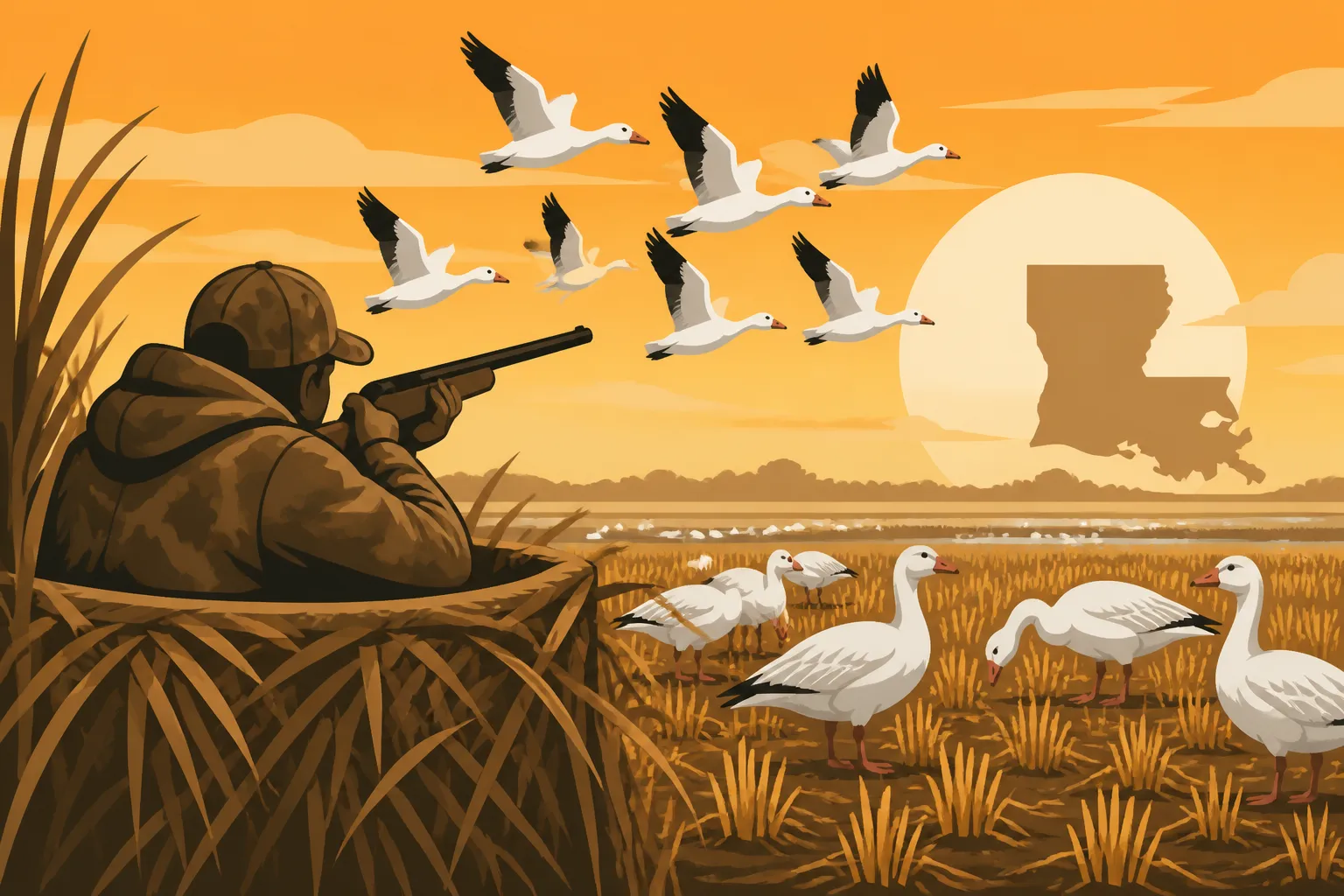
For many Louisiana waterfowl hunters, nothing compares to the electrifying chaos of a giant flock of snow geese descending into a rice field. It's an experience that can be both incredibly rewarding and utterly frustrating, leaving even seasoned hunters wondering how to crack the code on these notoriously wary birds. This guide aims to pull back the curtain on the tactics, gear, and sheer determination needed to successfully hunt snow geese on Louisiana's vast rice fields, offering insights to help you get your share of this unforgettable migration.
The Annual Snow Goose Spectacle in Louisiana
When late fall and winter roll around, a true natural marvel unfolds across the flyways, bringing millions of waterfowl to Louisiana's warm climate and abundant food sources. Among them are the snow geese, migrating in colossal numbers, creating a spectacle of white against the green and brown landscapes. These birds aren't just passing through; they're here to stay for the winter, making our state a prime destination for hunters.
Why Louisiana Attracts So Many Snow Geese
Louisiana’s position at the terminus of the Mississippi Flyway is, simply put, a geographical gift for waterfowl hunters. As winter tightens its grip further north, countless birds follow ancient migratory routes, drawn south by the promise of milder temperatures and an all-you-can-eat buffet. For snow geese, our agricultural lands, particularly the sprawling rice fields, represent a crucial energy source during their wintering months. These fields, often flooded or recently harvested, offer leftover grains and tender young shoots that are irresistible to hungry geese. It’s not just the food, though; the vast, open nature of these fields, interspersed with marsh and bayous, provides safety in numbers from predators and ample roosting sites, creating an ideal winter habitat.
The sheer scale of their presence here is astounding. Imagine fields stretching for miles, dotted with white patches that, upon closer inspection, resolve into thousands upon thousands of geese. The constant chatter and roar of their wings are sounds unique to this time and place. It's a testament to the incredible bounty of our state's wetlands and agricultural areas that these birds choose to call Louisiana home for a significant portion of the year. Understanding this powerful draw helps hunters grasp the sheer volume of birds they’re pursuing.
Understanding the Snow Goose Migration Cycle
The snow goose migration cycle isn't just a flip of a switch; it's a gradual, dynamic process that unfolds over weeks and months. Typically, the earliest arrivals begin trickling into North Louisiana in October, often coinciding with the early cold fronts pushing down from the Dakotas and Canada. These initial groups are usually smaller, often family units, testing the waters before the main event. As November progresses and more severe weather blankets the northern states, the true spectacle begins. Massive waves of geese, often numbering in the tens of thousands, begin their journey south, settling into central and south Louisiana's agricultural hubs, particularly in parishes known for their rice production.
By December and January, the snow goose population in Louisiana peaks, and you'll find these birds spread across a wide range of habitats, from the coastal marshes to the interior rice fields. Their movements within the state during these peak months are highly dependent on local weather patterns, food availability, and hunting pressure. A strong cold front can push birds from the northern parts of the state further south, while sustained warm weather might keep them more spread out. Hunters often pay close attention to the wind direction and temperature shifts, knowing these factors can dictate where geese will be feeding and roosting. Services that track large migrations, often used for deer, can also give a broad idea of these movements.
The Unique Challenges of Hunting Snow Geese on Rice Fields
Hunting snow geese isn't like hunting ducks or even specklebelly geese. Snow geese are in a league of their own when it comes to wariness and flock dynamics. Their sheer numbers are both their strength and a major challenge for hunters. They have an incredible ability to spot anything out of place, making concealment paramount. The wide-open expanse of a rice field offers little natural cover, forcing hunters to get creative with their setups.
Reading the Fields for Feeding Patterns
One of the most critical aspects of successful snow goose hunting is the ability to scout and "read" the fields. Snow geese are creatures of habit, and their feeding patterns are often predictable once you understand them. They'll typically hit a field hard for a day or two, sometimes even longer if the food source is incredibly rich, before moving on to another area. This means scouting isn't just about finding birds; it's about identifying fresh feeding activity. Look for white patches that indicate where a large flock has been grazing, paying attention to the edges of the field and any subtle changes in terrain.
Beyond the visible signs, consider the time of day. Geese often leave their roosts at first light, flying to feeding grounds, and then return to roosts or loafing areas mid-day before another potential feeding flight in the late afternoon. Understanding this daily rhythm is crucial for setting up in the right spot at the right time. Wind direction also plays a huge role; geese almost always land and take off into the wind, so positioning your spread accordingly is non-negotiable. Many experienced hunters use detailed mapping tools to mark prime feeding spots and observe flight lines over several days, gathering intelligence before committing to a hunt. Resources like GoHunt can be invaluable for pinpointing these crucial patterns and tracking movements across large agricultural areas.
The Incredible Noise and Its Impact
If you've never been near a thousand snow geese in full conversation, you're missing one of nature's most impressive — and deafening — orchestras. The cacophony of their calls, from high-pitched squeals to guttural honks, can be overwhelming. For hunters, this noise presents a double-edged sword. On one hand, it's part of the allure, a vital element in convincing a passing flock that your spread is a safe and bustling feeding ground. On the other hand, it means you need to be able to replicate that sound effectively, and that takes specialized calling techniques and often, electronic calls.
The sheer volume of a real snow goose flock means that a couple of mouth calls simply won't cut it. To draw in large groups of high-flying birds, you often need multiple electronic calls, strategically placed to mimic the spread's depth and breadth. These calls help create a "sound cone" that pulls birds from hundreds of feet in the air. However, it's not just about volume; it's about rhythm and realism. A monotonous, unchanging sound will quickly be dismissed by wary geese. Varying the call types and intensity, especially as birds approach, is key to closing the deal. This is a skill that takes practice, patience, and a deep understanding of goose behavior, often learned by spending hours watching live birds interact.
Essential Gear and Decoying Strategies for Success
Hunting snow geese effectively demands a specialized arsenal of gear and a strategic approach to decoying. It's not a sport for the faint of heart or light of wallet, but the investment often pays off in the form of unforgettable experiences and heavy straps of birds.
Building an Effective Decoy Spread
When it comes to snow geese, bigger is often better for decoy spreads. We're talking hundreds, sometimes thousands, of decoys to truly replicate a large feeding flock. The goal is to create an illusion of a safe, bustling haven that passing birds can't resist. There are several types of decoys to consider:
- Full-body decoys: These are the most realistic and effective, but also the most expensive and cumbersome to transport. They add crucial dimension and can be strategically placed closest to your blinds.
- Socks (or "Sillosocks"): These are lightweight, foldable decoys that consist of a windsock body and a head. They're excellent for building large numbers quickly, creating the illusion of movement in the wind, and are much easier to transport than full bodies.
- Silhouettes: Flat, two-dimensional decoys that offer a good balance of realism and portability. They add to the numbers and can be used on the edges of the spread.
- Flyers/Rotators: Decoys with spinning wings or motion that simulate birds landing. These are critical for grabbing attention from afar, especially on calm days.
The layout of your spread is just as important as the quantity. Geese tend to land into the wind and prefer open "landing zones" within a larger flock. Many hunters create a "U" or "J" shape, with the open end facing into the wind, guiding incoming birds directly over their blinds. Placing some decoys facing away from the wind can mimic feeding birds that have already landed and are moving across the field. Don't be afraid to experiment with your layout; what works one day might not work the next, especially with varying wind conditions or bird behavior. For non-residents, considering a guided hunt that provides this extensive gear can be a game-changer.
Choosing the Right Blinds and Calling Techniques
Concealment in a wide-open rice field is absolutely paramount. Snow geese have incredible eyesight, and even a slight glint or an unnatural lump can send them flaring. Layout blinds are the go-to choice for snow goose hunting. These low-profile blinds allow hunters to lie down, blending seamlessly into the field stubble. The key is to "brush in" your layout blind with natural vegetation from the surrounding field, making it virtually invisible. Don't skimp on this step; a poorly brushed blind is an instant giveaway. Sometimes, a well-placed pit blind, if the land allows, can offer superior concealment. You might even find yourself Layout Blind Hunting a Cut Rice Field often during these hunts.
As for calling, as mentioned earlier, electronic calls are often a necessity for snow geese. These systems can play a variety of snow goose vocalizations at high volume, drawing birds from incredible distances. However, don't underestimate the power of mouth calls. Once birds are within range, human callers can add a critical layer of realism and responsiveness. A good caller can "talk" to approaching birds, adjusting their cadence and tone to convince the flock that everything is safe. It's often a combination of both electronic and mouth calling that seals the deal, creating a dynamic, believable soundscape that mimics a contented flock.
Navigating Seasons, Regulations, and Ethical Considerations
Hunting snow geese in Louisiana is not just about having the right gear and tactics; it's also about understanding and adhering to the specific rules and regulations. This migratory bird hunting requires attention to detail regarding licenses, stamps, and ethical practices.
Louisiana's Goose Season Rules and Dates
Louisiana's goose seasons are part of the broader migratory bird hunting regulations, which are set annually by the Louisiana Department of Wildlife and Fisheries (LDWF) in conjunction with federal guidelines. Snow geese, specifically, often fall under a unique "conservation order" season, which aims to reduce their overall population due to concerns about habitat degradation in their Arctic breeding grounds. This conservation order typically allows for extended seasons, higher bag limits, and often permits methods like electronic calls and unplugged shotguns that are usually restricted for other waterfowl.
It's absolutely critical to consult the most current LDWF hunting regulations pamphlet or their official website before heading into the field. These regulations outline the specific Louisiana Goose Season Dates for snow geese, white-fronted geese (specklebellies), and other species, as well as bag and possession limits. You'll need a valid Louisiana hunting license, a Louisiana Migratory Bird Hunting and Conservation Stamp, and a Federal Duck Stamp. For residents, this usually means a Louisiana Resident Hunting License Options and then adding on the necessary endorsements. Nonresidents will need to understand Louisiana Nonresident Hunting License Options and secure the same stamps. Don't forget that Louisiana Migratory Bird Certification is also a must-have for all migratory bird hunters. Failing to have any of these can result in serious penalties.
Harvest Reporting and Ethical Practices
Responsible hunting extends beyond simply following the law; it encompasses a strong ethical framework. For snow geese, this means practicing good shot selection, retrieving every bird, and respecting the land. Because snow goose hunts often involve large numbers of birds and intense action, it's easy for excitement to override good judgment. Always aim for clean, ethical shots within your effective range. A crippled bird that flies off and cannot be retrieved is a wasted resource and a stain on the hunting community.
Retrieving downed birds quickly is not only ethical but often a legal requirement. In the vastness of a rice field, this can be challenging, especially if you're marking multiple birds falling from a large flock. Having a well-trained retriever dog is an invaluable asset, but if you don't have one, make sure to clearly mark where birds fall and work systematically to recover them. Finally, always leave the field cleaner than you found it. Pick up spent shells, trash, and any lost gear. Showing respect for the land and the landowners (if on private property) ensures continued access for future hunts. Ethical hunting protects the sport and upholds its integrity.
Maximizing Your Harvest and Post-Hunt Care
The hunt doesn't end when the guns go silent. Proper post-hunt care ensures that your hard-earned harvest is respected and provides delicious table fare for you and your family. Handling snow geese correctly from field to freezer is crucial.
Field Dressing and Transporting Your Geese
Snow geese are large birds, and handling a successful harvest of multiple birds can be a significant undertaking. In warm Louisiana weather, getting the birds cooled down quickly is paramount to preserving meat quality. The most common method for field dressing geese is to breast them out. This involves removing the breast plate with the attached meat, leaving the rest of the carcass. This reduces weight and bulk, making transport easier. Some hunters prefer to pluck and gut the whole bird, but this is much more labor-intensive, especially with a large bag limit.
Once breasted, the meat should be placed in coolers with plenty of ice. Even a short drive in a warm truck can compromise meat if it's not properly chilled. Many hunting camps have designated areas for processing, often with running water for rinsing and space for coolers. When transporting birds, ensure they are stored legally, often with a wing or head attached to aid in species identification if stopped by enforcement officers. Familiarize yourself with the regulations on Louisiana Deer Reporting Requirements, as similar requirements might exist for certain migratory bird species or specific conservation orders.
Making the Most of Your Snow Goose Harvest
Snow geese have a reputation, sometimes unfair, for being tough or "gamey." However, with proper care and cooking techniques, snow goose meat can be absolutely delicious. The key is to understand the nature of the meat: it's lean, dark, and often has a rich, strong flavor. Brining the breasts for 24-48 hours can significantly improve tenderness and flavor, especially if you're dealing with older, tougher birds. A simple brine of salt, sugar, and water can work wonders.
When it comes to cooking, slow-cooking methods often yield the best results. Braising, stewing, or grinding the meat for sausage are popular choices. You can also marinate and grill breasts quickly to a medium-rare for a more steak-like experience, but be careful not to overcook, as this will dry out the lean meat. Experiment with different recipes and spices; many Louisiana hunters have family recipes for goose gumbo, chili, or jerky that make the most of their harvest. Don't let any of that meat go to waste! For tips on preparing game, you might even consider methods for Cooking a Wild Turkey Breast as some techniques can be adapted. If you find yourself with an abundance of meat, consider donating it to organizations that process and distribute wild game to those in need.
Snow Goose Hunting Considerations Table
| Aspect | Key Considerations |
|---|---|
| Scouting | Essential. Look for fresh feeding areas, flight lines, and roosts. Use mapping tools like GoHunt to mark locations and observe daily patterns. Check weather forecasts, especially wind direction. |
| Decoy Spread | Go Big. Utilize hundreds to thousands of socks, full bodies, and silhouettes. Include motion decoys (flyers/rotators) for visual appeal. Create a "kill hole" or landing zone into the wind for incoming birds. |
| Concealment | Critical. Layout blinds are standard; brush them in meticulously with local vegetation. Wear camouflage that matches the field environment. Any exposed skin or unnatural shapes can flare birds. |
| Calling | Electronic calls are usually necessary for volume and realism, especially for high-flying birds. Supplement with mouth calls for close-in finesse. Vary volume, cadence, and types of calls to mimic a natural flock. |
| Firearms & Ammo | 12-gauge shotguns are standard. Use steel or other non-toxic shot, typically BB, BBB, or T-shot. Consider 3.5-inch shells for added range and payload. Be aware of unplugged shotgun rules during conservation orders. |
| Regulations | Consult current LDWF regulations for Louisiana Waterfowl Zones and Seasons, specific snow goose season dates (especially conservation order rules), and bag limits. Secure all required licenses and stamps. |
| Retrieval | Plan for rapid retrieval. Mark downed birds clearly. A good retriever dog is invaluable. Recover all birds; practice ethical hunting. |
| Meat Care | Breast out birds quickly in the field. Chill meat immediately on ice to preserve quality. Consider brining for tenderness and flavor. Use slow-cooking methods or grind for sausage. |
| Access | Rice fields are typically private land. Secure landowner permission well in advance. Guided hunts often provide access to prime land and extensive gear. Explore options for Self-Guided Field Hunts in Louisiana on certain public lands if available. |
Disclaimer
This article is for general informational purposes only and does not constitute professional advice. Laws, prices and regulations vary by location and change over time. Consult a qualified professional for guidance on your specific situation.