Louisiana Hog Hunting Permit Requirements
The world of Louisiana hunting regulations can sometimes feel like navigating a dense cypress swamp at night – full of twists, turns, and things that might leave you scratching your head. One area that often causes a lot of confusion for both seasoned local hunters and newcomers alike is whether you need a specific permit to hunt feral hogs. It's a common question, and the good news is, we're going to clear up all that mud right here, explaining exactly what you need to know to hunt hogs legally and responsibly in the Pelican State.
The Truth About Hog Hunting Permits in Louisiana
Let's get straight to the point because this is where a lot of people get tangled up. In Louisiana, you don't actually need a specific permit for hunting feral hogs. That's right, there isn't a "hog permit" you purchase separately, unlike tags for deer or turkey. This might seem counterintuitive given how many other species require specific tags, but it speaks to the unique status of feral hogs in our state.
Why the Confusion Exists Around "Permits"
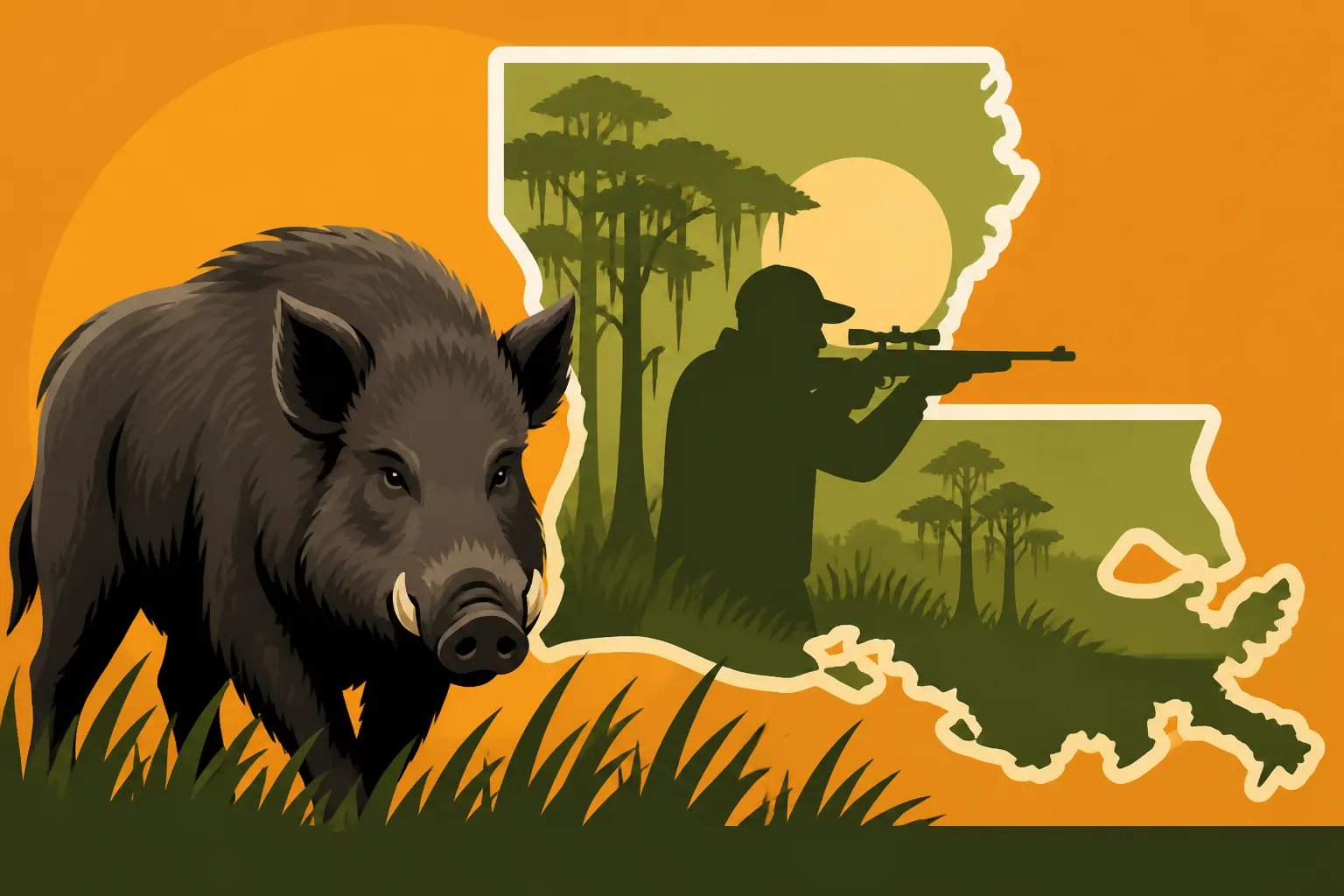
The confusion largely stems from the fact that feral hogs are classified differently than native game animals. They're not seen as a valued wildlife resource in the same way deer or ducks are; instead, they're considered an invasive, nuisance species. These destructive animals cause millions of dollars in agricultural damage annually, rooting up crops, destroying habitat, and even preying on fawns and ground-nesting birds. Because of this, the Louisiana Department of Wildlife and Fisheries (LDWF) aims to facilitate their removal, rather than manage them as a traditional game species. This distinction is crucial and is why you won't find a line item for a "hog hunting permit" when you're purchasing your licenses.
Many folks hear "year-round season" and "no bag limit" and mistakenly believe it means a free-for-all with no paperwork at all. While those statements are true for private lands, they don't negate the fundamental requirement of being a licensed hunter. It's this nuance that often trips people up, leading to unnecessary worry or, worse, unintended violations.
The Core Requirement: A Valid Louisiana Hunting License
Even though there's no dedicated hog permit, you absolutely do need a valid Louisiana hunting license to hunt feral hogs, whether you're on private land or public. This is the overarching rule that covers all hunting activities in the state, regardless of the species you're pursuing. Think of it as your passport to participate in any legal hunting activity. If you're a resident, you'll need a basic Louisiana Resident Hunting License. Non-residents will need a Nonresident Hunting License.
This requirement is fundamental for a few key reasons. First, it ensures that anyone engaging in hunting activities has contributed to the state's wildlife management efforts, which are funded in part by license sales. Second, it allows the LDWF to track hunting activity and ensure compliance with broader safety and ethical standards. It’s also important for identification should a game warden encounter you in the field. When you're considering your options, checking out resources like GoHunt can be incredibly helpful for understanding the different license packages available and ensuring you pick the one that fits your hunting plans perfectly, especially if you plan to hunt multiple species.
Specific Scenarios and What You Need to Know
The rules around hunting feral hogs can vary significantly depending on where you plan to hunt. Louisiana offers diverse landscapes, from vast private farms to sprawling public wildlife management areas, and each comes with its own set of guidelines you need to follow.
Hog Hunting on Private Land
Hunting feral hogs on private land is often the most straightforward scenario, and it's where the "no closed season, no bag limit" rules truly shine. Landowners, or those with explicit permission from landowners, can hunt hogs year-round, day or night, using a variety of methods to control these destructive animals. This flexibility is a direct response to the immense damage hogs inflict on agricultural crops, timber, and native habitats.
However, a valid hunting license is still required for the hunter. This means that while the landowner might not need a special permit to have hogs removed from their property, anyone actually pulling a trigger or setting a trap for recreational or management purposes must possess a current Louisiana hunting license. You also absolutely must have permission from the landowner to be on their property. Ignoring this critical step can lead to serious trespassing charges, which nobody wants. For more in-depth information on securing land access, you might want to read about Do Feral Hogs Need Landowner Permission?.
On private land, the methods you can use are quite broad. You can hunt them during daylight hours with firearms or archery equipment, just like deer. But you also have the option for Night Hog Hunting Light Rules in Louisiana, which is a popular and often effective way to target these nocturnal creatures. Additionally, using dogs to pursue hogs is another common and traditional method, and you can learn more about specific rules for Running Dogs on Louisiana Feral Hogs if that's your preferred approach. You can even trap them, although there are specific regulations for Louisiana Feral Hog Trapping Rules to be aware of if you're going that route.
Hog Hunting on Public Land (WMAs and National Forests)
Public lands, such as Wildlife Management Areas (WMAs) and Kisatchie National Forest, operate under a different set of rules compared to private land. While the statewide rule of "no hog permit needed, just a hunting license" still applies, these areas often have specific seasons, methods, and access regulations for feral hogs that hunters must adhere to.
For example, on most WMAs, hog hunting is typically restricted to open deer, small game, or turkey seasons. This means you can't just show up any time of year and start hunting hogs. There might also be restrictions on the types of weapons you can use or whether you can use dogs. Some WMAs even have specific quota hunts or sign-in requirements that apply to all hunters, including those targeting hogs. You'll need to check the specific WMA regulations pamphlet or the LDWF website for the particular area you plan to hunt. A Louisiana WMA Permit Requirement is often an additional purchase beyond your basic hunting license to access and hunt on these managed lands. A great place to start your research is the overarching guide to Louisiana Wildlife Management Areas.
Kisatchie National Forest, being federal land, also has its own set of rules, though they often align closely with LDWF regulations. Again, hogs are generally hunted during established deer or small game seasons, and specific weapon restrictions might apply. It's crucial to consult the Kisatchie National Forest's local office or their official website for the most current rules, as they can sometimes differ slightly from state WMAs. For a deeper dive into hunting this unique public land, check out Kisatchie National Forest Hunting.
Here’s a quick overview of permit requirements for hog hunting:
| Land Type | Specific Hog Permit Required? | General Hunting License Required? | Additional Permits/Fees? | Key Considerations |
|---|---|---|---|---|
| Private Land | No | Yes | Landowner permission is paramount | Year-round, no bag limit, various methods allowed. |
| Public Land (WMAs) | No | Yes | WMA Access Permit often required | Specific open seasons for hogs, method restrictions apply. Check WMA rules. |
| Public Land (National Forest) | No | Yes | Federal permit/stamp (rarely for hogs) | Specific open seasons, method restrictions. Check Forest Service rules. |
Understanding License Types and Where to Get Them
Since a general hunting license is the cornerstone of legal hog hunting in Louisiana, it’s important to understand the different types available and how to acquire them. This ensures you're properly covered, whether you're a long-time resident or just visiting.
Resident vs. Non-Resident Licenses
Louisiana offers several license options tailored to your residency status. For those who call Louisiana home, the basic Louisiana Resident Hunting License Options include an annual basic hunting license, or you might consider a combination license that covers fishing as well if you enjoy both pursuits. There are also lifetime licenses available, which are an excellent long-term investment for passionate hunters.
Non-residents, on the other hand, have different options. The annual Louisiana Nonresident Hunting License Options will cover you for a full year. However, if you're just planning a short trip specifically for hog hunting, the Louisiana Nonresident Five-Day License Cost can be a cost-effective choice. This allows you to hunt hogs for a designated five-day period without committing to a full annual license. Remember, regardless of your residency, you'll need to accurately declare your status when purchasing your license to avoid any issues. Using a platform like GoHunt can simplify the process of identifying and purchasing the correct license, often guiding you through the necessary steps.
Additional Stamps and Certifications (If Applicable)
When it comes to just hog hunting, you generally won't need any additional state or federal stamps beyond your basic hunting license. These stamps (like the Federal Duck Stamp or state migratory bird licenses) are typically for specific game species like waterfowl or turkey.
However, if your hunting trip involves more than just hogs – say you're planning to hunt deer or small game concurrently – then you will need the appropriate add-on licenses or tags for those species. For example, if you plan to deer hunt, you'll need a big game license and deer tags. It's always a good idea to ensure you have all the necessary documentation if you're pursuing multiple species. Also, depending on your age, you might need to meet the Louisiana Hunter Education Requirements before you can obtain a hunting license. This is a crucial safety measure for all hunters and ensures everyone has a foundational understanding of responsible hunting practices.
The Practicalities: What to Carry and Enforcement
Having the right license is just the first step; knowing how to present it and understanding the implications of not having it are equally important. You don't want to turn a fun hog hunt into a stressful encounter with law enforcement.
Carrying Proof of License and ID
When you're out in the field hunting hogs, you are required to have proof of your valid hunting license on your person. This can be your physical license card, or increasingly, a digital version on your smartphone. The LDWF offers an app that allows you to store your licenses digitally, making it convenient and easy to access. Most third-party hunting apps, like GoHunt, also offer features to store your license information digitally, ensuring it’s always with you. Alongside your hunting license, it's always wise to carry a valid form of identification, such as your driver's license, to confirm your identity if requested by a game warden. This common-sense practice makes any potential interaction smooth and quick.
Penalties for Hunting Without a License
It might seem like a small detail, but hunting without the required license, even for feral hogs, is a serious offense in Louisiana. The consequences can range from hefty fines to the confiscation of your hunting equipment, and even the loss of your hunting privileges for a period of time. These Louisiana Wildlife Violation Penalties are in place to uphold the integrity of the state's wildlife management system and ensure fair play among all hunters.
Ignorance of the law is generally not considered a valid excuse, which is why it's so important to do your homework before you head into the field. A quick check of the current LDWF regulations or a call to their regional office can save you a lot of trouble and expense down the road. Remember, responsible hunting begins with knowing and respecting the rules.
Disclaimer
Please note that hunting regulations, seasons, and licensing requirements can change. Always consult the official Louisiana Department of Wildlife and Fisheries (LDWF) website or the current Louisiana Hunting Regulations pamphlet for the most up-to-date and accurate information before planning any hunting trip. This article is intended for informational purposes only and should not be considered legal advice.