Louisiana Turkey Area A Closing Date
It's a common frustration among Louisiana turkey hunters, isn't it? Trying to keep track of all the different season dates, especially when you've got separate hunting zones like Areas A, B, and C. It can feel like you need a calendar the size of a billboard just to plan your spring gobbler chase. This guide is here to clear up that confusion, specifically focusing on the Louisiana Turkey Area A closing date, so you can plan your last-ditch efforts for a longbeard.
Understanding Louisiana's Turkey Hunting Areas
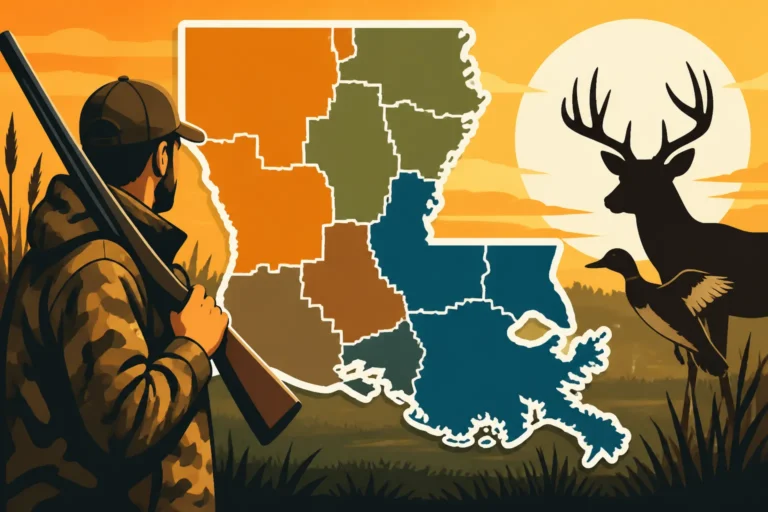
Louisiana is a diverse state, from the piney hills up north to the vast river bottoms and coastal plains. It makes sense that our wildlife management folks at the Louisiana Department of Wildlife and Fisheries (LDWF) have to tailor hunting regulations to different regions, and turkeys are no exception. The state is divided into three distinct turkey hunting areas: A, B, and C, each with its own season framework.
Why Different Areas Exist
The reason for these different turkey areas isn't just to make our heads spin, I promise. It's all about managing our wild turkey populations effectively, ensuring their health and sustainability across the varied landscapes of Louisiana. Turkey densities, habitat types, and even recovery efforts can differ significantly from one part of the state to another. For example, some areas might have denser turkey populations, allowing for a longer season, while others might be undergoing recovery, requiring a more conservative approach. This regional management allows the LDWF to respond to local conditions, giving turkeys the best chance to thrive while still providing ample hunting opportunities for us. It means they're looking out for the future of our hunting heritage, even if it adds a layer of complexity to our planning.
General Season Structure Across the State
Each of Louisiana's turkey hunting areas (A, B, and C) operates under its own set of rules, including different opening and closing dates, and sometimes even variations in bag limits. Area A, which generally encompasses the larger, more contiguous blocks of prime turkey habitat, often boasts the longest season. Areas B and C, on the other hand, typically have shorter windows, often reflecting more fragmented habitat or ongoing restoration efforts.
For many hunters, especially those who might hunt across parish lines or on different WMAs, this can be a real headache. You might be accustomed to the season in one area, only to find it's completely different just a few miles down the road. It's why staying on top of the most current regulations is absolutely non-negotiable. Knowing these distinctions is vital not just for legal compliance, but also for understanding the overall health and management strategy for wild turkeys across the state. For a deeper dive into these rules, you might want to read our article on Louisiana Spring Turkey Season Rules.
Pinpointing the Louisiana Turkey Area A Closing Date
Alright, let's cut to the chase and get to the information you're really looking for. Area A is often considered the workhorse of Louisiana's turkey hunting, offering the longest season for hunters eager to chase gobblers.
The Specific Closing Date for Area A
For Louisiana Turkey Area A, the spring turkey season typically concludes on April 30th. This date generally holds consistent from year to year, giving hunters a solid, extended period to pursue gobblers across a significant portion of the state. However, and this is a big however, I cannot stress enough the importance of always, always checking the current year's official Louisiana Department of Wildlife and Fisheries (LDWF) hunting regulations. While April 30th is the traditional closing date, regulations can change due to various factors like population dynamics, extreme weather events, or shifts in wildlife management strategies. A quick check of the LDWF website or their official hunting guide will always give you the most accurate and up-to-date information for your season planning. Don't risk a violation for relying on last year's calendar!
For a comprehensive overview of how all three areas compare, including their season lengths and general locations, take a look at our detailed guide on Louisiana Turkey Area A, B and C Rules.
What Makes Area A Unique
Area A stands out primarily because of its generous season length. Spanning roughly from the Red River south and east, covering many of the state's central and southeastern parishes, it includes a broad swath of excellent turkey habitat. This larger geographical area often means more stable and robust turkey populations, allowing the LDWF to offer a longer hunting season.
This extended period gives hunters more opportunities to get out in the woods, whether they're seasoned veterans or new to Spring Turkey Hunting in Louisiana. It also allows for more flexibility in dealing with unpredictable spring weather, which can definitely throw a wrench in your plans down here. You can pick your days based on gobbling activity, weather fronts, or just when you can finally break away from work and family commitments. Many hunters cherish Area A for this very reason, as it truly maximizes their chances of encountering a vocal gobbler. It's a real blessing for those of us who love chasing these wily birds.
Maximizing Your Late-Season Hunt in Area A
As April marches on and the closing date for Area A approaches, turkey behavior can shift. The early-season frenzy often gives way to more cautious, pressured birds. But don't despair! Late season can still be incredibly productive if you adjust your tactics.
Strategies for Pressured Birds
By late April, many gobblers in Area A have heard it all. They've been called to, chased, and possibly even shot at. This means that run-of-the-mill calling and aggressive tactics that worked in the early season might just send them packing. Instead, think subtle. Soft clucks, purrs, and quiet tree yelps can often be more effective than loud, excited calling. Sometimes, no calling at all is the best call. Let the woods wake up naturally around you.
Consider shifting your hunting locations, too. Those easy-access spots near public land parking lots have likely been pounded. Now is the time to put in the legwork, deep into areas others avoid. Look for isolated pockets of timber, small drainage systems, or dense cover where a weary gobbler might be hiding out. Using a good hunting app like GoHunt can really help you scout satellite imagery for these overlooked corners, identifying potential roosting areas or travel corridors that see less human traffic. Remember, these birds are smart, and the oldest ones didn't get big by being easy targets. Adaptability is your best friend When Louisiana Gobblers Go Quiet in Late April.
Key Considerations Before the Close
With the season winding down, there are a few critical things to keep in mind. First, always double-check your Louisiana Turkey Bag Limit Rules. You wouldn't want to accidentally overharvest in your enthusiasm for a last-minute gobbler. Ensure you've reported any birds already harvested correctly, which is a crucial part of wildlife management data for the state.
Secondly, pay close attention to the weather. Late April in Louisiana can bring anything from chilly mornings to sweltering, humid afternoons. Dress in layers, stay hydrated, and be prepared for potential pop-up thunderstorms. These late-season storms can sometimes trigger a flurry of gobbling activity, making for an exciting hunt if you're prepared. Also, consider your setup. If birds are wary, a good ground blind or a well-camouflaged position against a big tree is paramount. You might find some excellent advice on Setting Up Against a Big Oak or even Decoy Placement for Pressured Louisiana Birds useful for these situations. Make every setup count, because opportunities can be fewer and farther between.
Essential Resources and Ethical Hunting
Being a responsible hunter means more than just knowing when the season closes. It means utilizing the right tools, staying informed, and upholding the integrity of our sport.
Checking Current Regulations
I've said it before, and I'll say it again: always, always verify the current year's regulations directly from the Louisiana Department of Wildlife and Fisheries. Their website is typically updated well in advance of the season, and they publish an annual hunting regulations booklet that is your go-to source for all legal aspects of your hunt. This isn't just about avoiding a citation; it's about being an informed participant in wildlife conservation. Regulations exist to protect the resource and ensure fair chase. If you're planning a trip to a specific Wildlife Management Area (WMA), remember that WMA regulations can sometimes differ from private land general season rules, so be sure to check those specific WMA pamphlets as well.
The Role of Technology in Planning
In today's world, hunters have access to incredible tools that can make planning and executing a hunt much more efficient. While nothing replaces boots on the ground, apps and digital platforms can give you a significant advantage. For example, a robust mapping app like GoHunt allows you to pour over satellite imagery, identify potential roost sites, travel corridors, and even locate less-pressured areas on public land. You can mark waypoints, track your movements, and even check property boundaries. This is especially helpful when you're trying to figure out how to navigate public lands, which can be confusing. Many hunters use these tools for Scouting Louisiana Public Land Before Season or even to help with Reading Aerial Photos for Central Louisiana Deer, which often share similar habitat features with turkey country. Utilizing technology effectively can help you hunt smarter, not just harder.
Respecting the Resource
As hunters, we are the primary conservationists. Respecting the resource means more than just following the law; it means practicing ethical hunting at all times. This includes taking clean, humane shots, properly recovering and caring for your game, and reporting your harvest diligently to the LDWF. The data collected from hunter harvest reports is vital for wildlife biologists to make informed management decisions that sustain our turkey populations for generations to come. It also means leaving no trace, respecting private property, and being a good ambassador for hunting. Whether you're trying Calling a Louisiana Gobbler Off the Roost or executing a perfect Run-and-Gun Turkey Tactics on Public Land, doing so ethically ensures that we all get to enjoy the thrill of the spring turkey hunt. Every effort contributes to the overall picture of conservation in our beloved state.
Here's a quick overview of Louisiana's general turkey season areas for reference:
| Turkey Area | General Season Dates (Illustrative, Always Verify Current Regs) | Typical Season Length | Notes |
|---|---|---|---|
| Area A | Mid-March to April 30th | Longest Season (45-50 days) | Covers a large portion of central and southeastern Louisiana, often with denser turkey populations. |
| Area B | Late March to Mid-April | Shorter Season (20-25 days) | Typically in north-central and southwestern parishes, often with more fragmented habitat. |
| Area C | Early April to Late April | Shortest Season (15-20 days) | Limited to specific parishes, reflecting lower turkey densities or focused recovery efforts. |
Remember, these dates are illustrative and can shift slightly each year. Always consult the official LDWF regulations for the most accurate information. Making the most of a Making the Most of a Short Turkey Window requires precision and up-to-date information.
Disclaimer
Please note that hunting regulations, seasons, and bag limits are subject to change by the Louisiana Department of Wildlife and Fisheries (LDWF). While this guide strives to provide accurate and up-to-date information, it is the hunter's responsibility to consult the most current official LDWF regulations prior to any hunting activity. This content is for informational purposes only and does not constitute legal advice.