Louisiana CWD Testing for Hunters
The emergence of Chronic Wasting Disease (CWD) in Louisiana has introduced a new layer of complexity and concern for many hunters. You've always focused on the thrill of the hunt, the camaraderie, and the reward of venison for your family, but now there's this underlying worry about disease, complicated regulations, and what it all means for your deer. It's frustrating to feel like you're navigating a new maze when all you want to do is enjoy the tradition. This guide is here to untangle the specifics of CWD testing for Louisiana hunters, walking you through why it matters, what’s required, and how to confidently handle your harvest in this new landscape.
Understanding Chronic Wasting Disease and Its Impact
Chronic Wasting Disease is a topic that can easily get lost in jargon, but for Louisiana hunters, it's something we absolutely need to understand. It's not just a far-off problem anymore; it's a reality that directly impacts our deer herds and our hunting practices. Let's break down what CWD actually is and why it's such a significant concern.
What CWD Actually Is
At its core, CWD is a neurological disease that affects cervids, which include deer, elk, and moose. It's caused by abnormal proteins called prions. Think of prions like rogue proteins that cause normal proteins in the brain to misfold, leading to irreparable damage. This isn't a bacteria or a virus; it's a fundamentally different kind of pathogen, and that's part of what makes it so challenging.
Over time, deer infected with CWD will show a range of symptoms: severe weight loss (hence "wasting"), stumbling, drooling, a vacant stare, and an overall lack of coordination. It's a progressive disease, and unfortunately, it's always fatal. There's no cure, no vaccine, and no treatment. Once a deer contracts CWD, its fate is sealed. The scariest part is that deer can carry the disease for a long time, sometimes years, before showing any outward symptoms. This "incubation period" means a seemingly healthy deer could still be infected and spreading the disease.
Why CWD is a Concern for Louisiana Hunters
For us hunters, the concern goes beyond just losing a few deer. CWD poses several significant threats to our beloved Louisiana deer population and hunting heritage. Firstly, there's the long-term health of the herd. If CWD becomes widespread, it can lead to a drastic decline in deer populations, impacting hunting opportunities for generations. We've seen how dedicated the Louisiana Department of Wildlife and Fisheries (LDWF) has been to managing our deer, and CWD is a direct threat to all that hard work.
Secondly, and perhaps most immediately, there's the human health aspect. While there's currently no scientific evidence that CWD can be transmitted to humans, agencies like the Centers for Disease Control and Prevention (CDC) strongly advise against consuming meat from CWD-positive animals. It's a "better safe than sorry" approach, and frankly, as hunters who feed our families with venison, that's a warning we take very seriously. The uncertainty alone is enough to make any hunter pause and demand clear testing protocols.
Lastly, the presence of CWD introduces a whole host of new regulations and responsibilities. From carcass movement restrictions to mandatory testing in certain areas, it changes how we plan our hunts and how we process our deer. It can feel like an added burden, but it's a necessary one to protect our resources. This is why understanding Louisiana's Chronic Wasting Disease Zones is more important than ever.
How CWD Spreads and Its Environmental Persistence
One of the most insidious aspects of CWD is how it spreads and its remarkable persistence in the environment. Prions can be shed by infected deer through saliva, urine, and feces. Other deer can then pick up these prions directly, or indirectly by coming into contact with contaminated soil, plants, or even water. Bait sites and mineral licks, where deer congregate frequently, can become hotbeds for transmission. This is precisely why LDWF has implemented rules like The Enhanced Mitigation Zone Baiting Ban.
What makes CWD truly challenging is the environmental persistence of these prions. They are incredibly hardy and can remain infectious in soil for years, possibly even decades, even after an infected animal has long decomposed. This means an area where a CWD-positive deer lived and died can remain a source of infection for new deer entering the area, creating a long-term problem that's incredibly difficult to eradicate. This environmental reservoir is a major reason why CWD isn't just a fleeting concern; it's a long-term management challenge that requires sustained effort from wildlife agencies and hunters alike.
Louisiana's CWD Management Strategy and Testing Requirements
Louisiana has been actively preparing for and responding to CWD, particularly since the first confirmed case. It's a dynamic situation, and the Louisiana Department of Wildlife and Fisheries (LDWF) has implemented a multi-pronged strategy to monitor, contain, and manage the disease. For hunters, this translates into specific requirements and recommendations that are crucial to follow.
The LDWF's Proactive Approach to CWD
The LDWF didn't just wait for CWD to arrive; they've been running surveillance programs for years, testing hundreds of deer annually across the state as a precautionary measure. This proactive stance helped them quickly identify and respond when Which Parish Found Louisiana's First CWD Case was confirmed. Their strategy focuses on surveillance, management zones, hunter education, and robust testing protocols. They’re constantly gathering data, refining their approach, and working to minimize the spread while also trying to protect the health of our deer herds for future hunting seasons. It’s a tough balancing act, but their commitment to the resource is clear.
Mandatory Versus Voluntary Testing
Now, let's talk about what hits closest to home for hunters: the testing requirements. It's not a blanket rule across the entire state, and that's where some of the confusion can arise.
- Mandatory Testing: If you harvest a deer within a designated CWD Enhanced Mitigation Zone, testing is mandatory. This means you must submit a sample from your harvested deer for CWD testing. These zones are established around confirmed positive cases and are the front line of defense against wider spread. The LDWF has specific dates and locations for mandatory testing during deer season within these zones. Ignoring this is not an option; it's a legal requirement designed to protect the broader deer population and public health. You'll want to be familiar with the rules for Mandatory Testing Inside a Louisiana CWD Zone.
- Voluntary Testing: If you hunt outside of an Enhanced Mitigation Zone, testing is currently voluntary, but still highly encouraged. Even if your parish isn't currently a CWD hot zone, participating in voluntary testing helps the LDWF gather valuable data for statewide surveillance. It gives them a clearer picture of CWD prevalence and helps detect any new outbreaks early. Plus, for your own peace of mind, knowing your venison is CWD-negative is invaluable. Many hunters simply prefer to know, regardless of where they harvested their deer.
Specific CWD Management Zones and Their Rules
Louisiana has established distinct CWD Management Zones, each with its own set of rules designed to address varying levels of risk. These zones are critical for hunters to understand, as they dictate everything from testing to carcass movement and baiting.
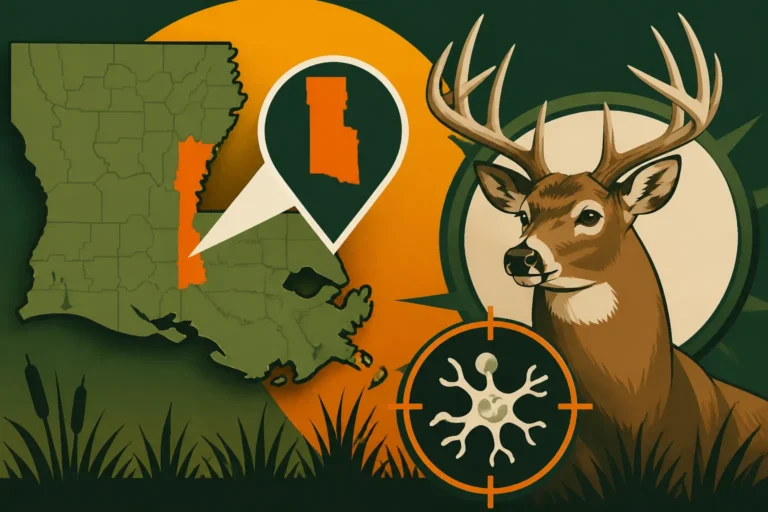
- Enhanced Mitigation Zone (EMZ): This is the core zone, typically a 15-mile radius around a confirmed CWD positive deer. In an EMZ, mandatory testing is in effect for all harvested deer. Additionally, there are strict rules regarding carcass movement and baiting. You cannot transport whole deer carcasses out of an EMZ, and baiting is strictly prohibited to prevent deer from congregating and potentially spreading prions. Understanding the boundaries of the EMZ is paramount for any hunter in or near these areas.
- Buffer Zone: Surrounding the EMZ is often a larger Buffer Zone. While not as restrictive as the EMZ, there are still important rules. Voluntary testing is highly encouraged, and there are specific regulations concerning baiting and carcass movement, which may differ slightly from the EMZ. The idea here is to create a wider area of surveillance and mitigation to slow or prevent further spread. Knowing the differences, especially regarding The CWD Buffer Zone Baiting Rules, is crucial to avoid any missteps. The prevalence of CWD, particularly Why Tensas Parish Drives Louisiana's CWD Count, makes these zones a critical focus for LDWF.
The CWD Testing Process for Hunters: Step-by-Step
Navigating the CWD testing process can seem daunting at first, especially if you're used to simply field dressing your deer and heading home. But the Louisiana Department of Wildlife and Fisheries (LDWF) has worked to make it as straightforward as possible for hunters. Here's a detailed look at what you need to do.
Locating Official CWD Sampling Stations
The first hurdle for many hunters is figuring out where to get their deer tested. The LDWF sets up various sampling stations, especially during peak hunting seasons and within CWD management zones. These can include:
- Check Stations: These are often manned stations set up during specific dates, typically on weekends, in and around CWD zones. They're staffed by LDWF personnel who can answer questions, properly extract samples, and ensure all necessary paperwork is completed.
- Self-Serve Drop-Off Locations: Recognizing that manned stations aren't always feasible or convenient, the LDWF also establishes self-serve drop-off freezers at various locations, such as wildlife management area (WMA) headquarters or public boat launches. These usually include clear instructions, sample bags, and forms for hunters to complete. You simply take the required sample, fill out the info, and drop it in the freezer. It’s a convenient option for those hunting during weekdays or outside of staffed station hours.
- LDWF Regional Offices: During regular business hours, some LDWF regional offices may also accept samples, particularly if you're outside a mandatory testing window but still wish to test your deer voluntarily.
The absolute best way to find current sampling station locations and operating hours is to check the official LDWF website. They keep an up-to-date map and list of all available sites. Additionally, a tool like the Scouting With the LDWF App or other hunting apps that integrate LDWF data, like GoHunt, can be incredibly helpful for pinpointing the closest drop-off points while you're still in the field. These digital resources often provide real-time updates that are vital during hunting season.
Properly Submitting Your Deer Sample
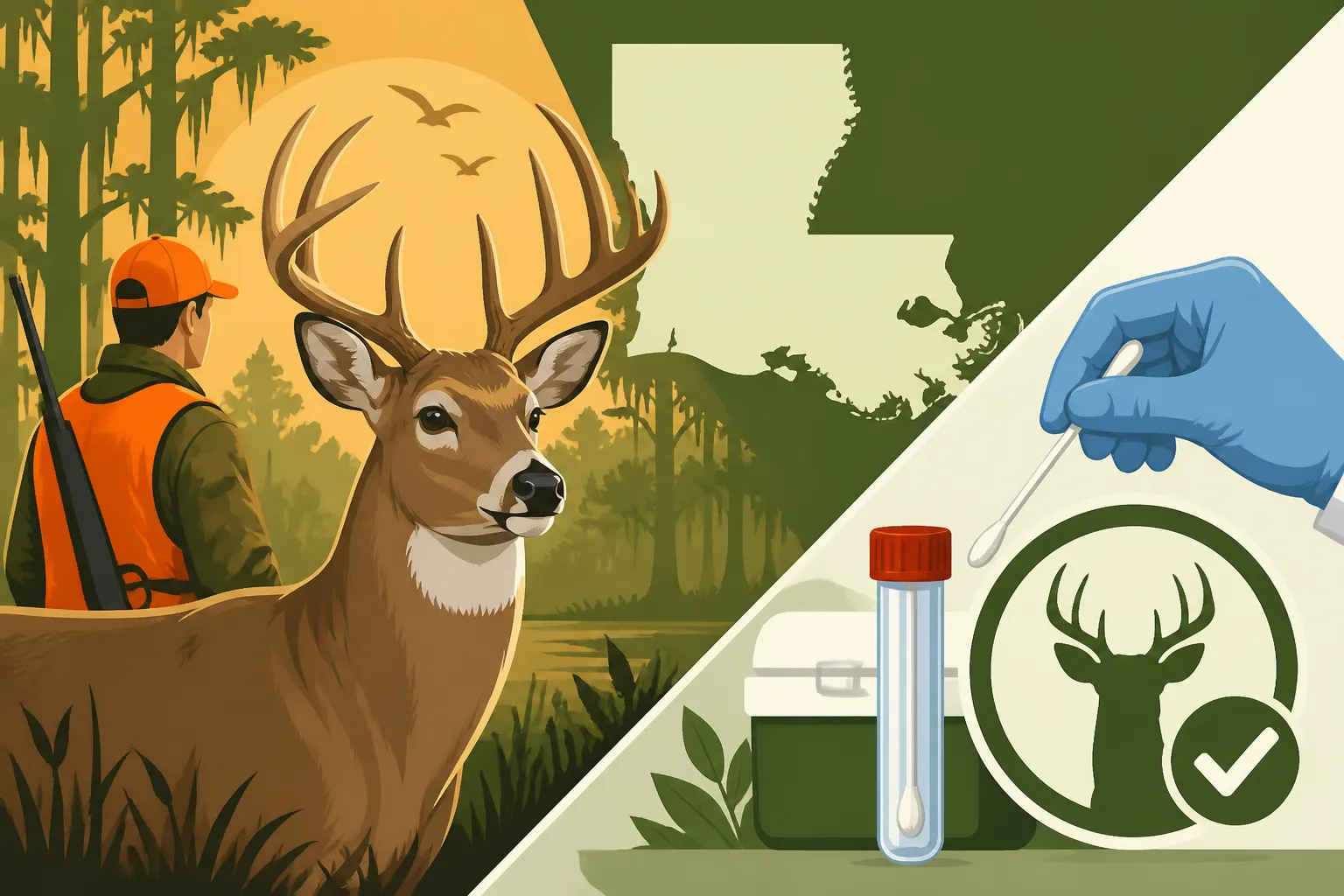
Submitting a sample correctly is crucial for accurate testing. Don't worry, you don't need to be a veterinarian! The LDWF provides clear instructions, and in many cases, staff at manned check stations will handle the sampling for you. However, if you're using a self-serve station or need to collect the sample yourself, here’s what’s typically involved:
- The Sample Tissue: CWD is detected in specific lymphatic tissues and brain matter. For testing purposes, the LDWF typically requires the obex (a specific part of the brainstem) and retropharyngeal lymph nodes from the deer's head.
- Head Removal: You'll need to remove the deer's head, usually at the atlas joint (where the skull meets the spine). Make sure to keep the head clean and free from excessive dirt or debris.
- Packaging: Place the entire head (or the specific tissues if instructed otherwise) into a provided plastic bag or a sturdy, leak-proof bag. Ensure it's clearly labeled with your hunting license number, the date of harvest, the parish of harvest, and any other required information. The LDWF often provides tags or forms for this purpose.
- Information Form: You'll almost always need to fill out a detailed form that accompanies your sample. This form will ask for information such as your name, contact details, hunting license number, harvest date, location of harvest (WMA, parish, specific area), and whether the deer was male or female. This data is vital for LDWF's tracking and epidemiological efforts.
- Maintaining Condition: Keep the sample cool, ideally refrigerated or on ice, until you can drop it off. Freezing the entire head is also an option if you can't get it to a station immediately.
Remember, following these steps meticulously ensures the integrity of the sample and prevents delays in getting your results. You can find more detailed instructions for Finding a Louisiana CWD Sampling Location on the LDWF website.
Understanding the Timeline for Results
After submitting your sample, the waiting game begins. The timeline for receiving CWD test results can vary depending on several factors:
- Volume of Samples: During peak hunting season, the LDWF labs can be swamped with samples, which naturally extends processing times.
- Laboratory Capacity: The capacity of the testing laboratories plays a significant role.
- Type of Test: While less common for routine hunter submissions, some tests might take longer than others.
Generally, hunters can expect results within 2 to 4 weeks, though sometimes it might be quicker or, in very busy periods, slightly longer. The LDWF understands that hunters are eager for results, especially when it comes to consuming their venison. They usually have a system in place to notify you. This might be via email, a phone call, or an online portal where you can check the status using a unique sample ID provided to you at drop-off. Keep that sample ID handy! If you haven't heard back within the expected timeframe, don't hesitate to check the LDWF website or contact them directly, referencing your sample ID.
Interpreting Test Results and Next Steps
Once your deer sample has been submitted and processed, you'll eventually receive the results. This is the moment of truth for many hunters, and knowing how to interpret these results and what actions to take is crucial for both your peace of mind and the health of the deer herd.
What a Negative Result Means for Your Harvest
Receiving a "negative" or "not detected" result is, of course, the best possible outcome. This means that CWD prions were not found in the tissues submitted for testing. For you, the hunter, this offers a significant sense of relief and clarity.
- Peace of Mind: You can proceed with processing and consuming your venison with confidence, knowing that, based on current testing methods, your deer did not have CWD. This is especially important for those of us who rely on deer meat to fill our freezers and feed our families throughout the year.
- Consumption Guidelines: A negative result generally means the venison is considered safe for human consumption according to health guidelines. There are no further restrictions on how you can prepare or share the meat.
- No Further Action: Beyond keeping a record of your results for your own files, no further action is required by the LDWF or any other authority. You've done your part by testing, and the outcome is positive.
It's important to note that a negative test result is for that specific animal. It doesn't mean the area is entirely CWD-free forever, but it confirms your harvest is clear.
Handling a Positive CWD Test Result
While we all hope for negative results, it's vital to be prepared for the possibility of a positive CWD test. This scenario requires immediate and responsible action.
- Mandatory Reporting: If your deer tests positive for CWD, the LDWF will contact you directly. This is not something you have to report; they will initiate contact. This contact is critical because a positive test triggers specific protocols for disease management and data collection.
- Carcass and Venison Disposal: The most critical step is the proper disposal of the carcass and any venison. You must not consume or distribute meat from a CWD-positive deer. The LDWF will provide specific instructions for disposal, which typically involves double-bagging all remaining parts (meat, bones, hide, etc.) and taking them to a designated landfill or specific collection points established for CWD-positive carcasses. This is designed to prevent the further spread of prions into the environment. It's tough to discard a harvested animal, but it's an essential public health and wildlife management measure. Be prepared to follow Handling Venison From a CWD Management Zone guidelines strictly.
- Consumption Warnings: Again, the CDC and other health organizations strongly advise against eating meat from CWD-positive animals. Even if you've already processed some of the meat before receiving results, you must discard it all if the test comes back positive.
- Area Monitoring: A positive test will also trigger intensified monitoring and testing efforts in the area where the deer was harvested, reinforcing the importance of zones like those mentioned in Louisiana's CWD Case Count by Parish. This information is crucial for LDWF's ongoing surveillance and management plans.
The Importance of Responsible Carcass Disposal
Proper carcass disposal is not just a suggestion; it's a critical component of CWD management, regardless of test results, but especially so in CWD zones. Prions are incredibly persistent, and simply leaving an infected carcass in the woods or disposing of it improperly can contribute to contaminating the environment for years to come.
- Preventing Environmental Spread: By following LDWF guidelines for carcass disposal (often involving landfills with specific protocols for animal waste), you prevent prions from entering the soil and water where other deer could be exposed. This is paramount to mitigating the long-term impact of the disease.
- General Best Practice: Even for CWD-negative deer harvested outside of CWD zones, it's a good practice to dispose of carcasses responsibly. If you butcher your deer at home, consider double-bagging scraps and placing them in your municipal trash for landfill disposal rather than leaving them in the woods where scavengers might spread potential disease or where prions could persist if CWD were unknowingly present.
- Using Designated Drop-Offs: Within CWD zones, the LDWF often provides specific carcass disposal sites or instructions. Utilizing these is the most responsible way to ensure proper containment. This helps to protect not only our deer but also other wildlife and the wider ecosystem.
Navigating CWD Zones and Carcass Movement Restrictions
Louisiana's CWD management strategy heavily relies on regulating the movement of deer carcasses and parts, especially in and around confirmed CWD areas. This can be one of the most confusing aspects for hunters, particularly those who hunt across multiple parishes or live outside a CWD zone but harvest a deer within one.
Rules for Transporting Carcasses within and out of CWD Zones
The moment you harvest a deer, you need to consider where you are and where you intend to take that animal. These rules are in place specifically to prevent the physical spread of CWD prions through infected animal parts.
- Within an Enhanced Mitigation Zone (EMZ): If you harvest a deer within an EMZ, you generally cannot transport the whole carcass out of that zone. The intent here is to contain potential contamination. You are typically allowed to transport certain "low-risk" parts, such as:
- Boned-out meat: This means the meat has been removed from the bone.
- Clean skull plates or antlers: These must have all brain material and attached tissue completely removed and thoroughly cleaned.
- Hides: Free of any head or spinal column material.
- Clean teeth.
These low-risk parts can usually be transported out of the EMZ. However, the skull, spinal column, and other high-risk parts must remain within the EMZ for proper disposal. Many hunters will field dress and debone their deer at the harvest site or at a local processor within the EMZ to comply with these rules.
- From a Buffer Zone: Regulations in buffer zones might be slightly less stringent than EMZs, but still require careful attention. While you might be allowed to transport a whole carcass through a buffer zone, taking it out of a buffer zone into an uninfected area could still have restrictions. Always check the latest LDWF guidelines for the specific buffer zone you are hunting in.
- Transporting within Louisiana (General Rule): Even outside of specific CWD zones, it's generally recommended to process your deer as close to the harvest site as possible to minimize potential spread, should CWD be unknowingly present. If you're transporting a whole deer across parishes, make sure you're familiar with Louisiana Carcass Movement Restrictions to avoid any issues.
Table: CWD Zone Rules Comparison for Louisiana Hunters
| Feature | Enhanced Mitigation Zone (EMZ) | Buffer Zone (Surrounding EMZ) |
|---|---|---|
| Mandatory Testing | YES, for all harvested deer | Voluntary, but highly encouraged |
| Carcass Movement | Only boned-out meat, clean skulls/antlers, hides allowed out of zone. High-risk parts must stay. | Generally, whole carcasses can be transported within the zone. Transport out of zone may have restrictions. Check specific parish rules. |
| Baiting & Feeding | STRICTLY PROHIBITED | May have restrictions or be prohibited depending on specific zone rules. Check LDWF guidance. |
| High-Risk Parts | Must be disposed of within the EMZ | Recommended disposal within the zone. |
| Primary Goal | Contain and mitigate immediate spread | Monitor, prevent further spread, and inform management decisions |
Enhanced Mitigation Zone Baiting Bans and Feeding Restrictions
The presence of bait and feed sites can create artificial congregations of deer, increasing the likelihood of disease transmission. When deer gather in large numbers to feed, they exchange saliva, urine, and feces more frequently, creating a perfect environment for CWD prions to spread.
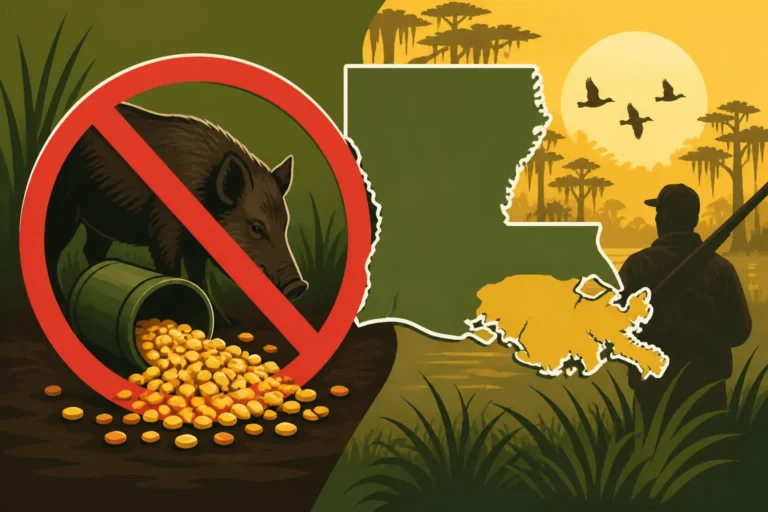
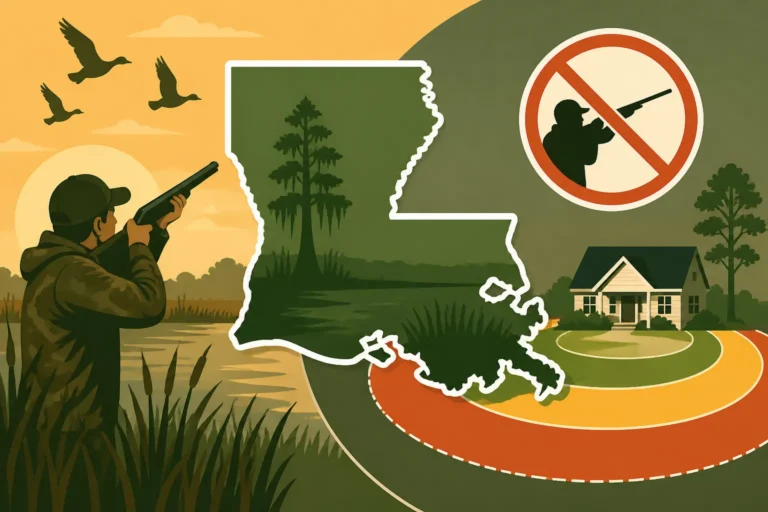
This is why, in an Enhanced Mitigation Zone, all baiting and supplemental feeding of deer are strictly prohibited. This includes corn, rice bran, mineral blocks, protein pellets, and anything else used to attract or feed deer. The rule is absolute in these areas, aiming to reduce deer-to-deer contact and minimize environmental contamination. The penalties for violating these bans can be significant, so it's critical to be fully aware of The Enhanced Mitigation Zone Baiting Ban and ensure you are compliant if hunting in or near one of these zones.
Buffer Zone Baiting Rules and Surveillance Efforts
Buffer zones, while less restrictive than EMZs, also play a crucial role in CWD management and often come with their own set of baiting and feeding regulations.
- Varying Restrictions: Baiting rules in buffer zones can vary. Sometimes baiting might be allowed under certain conditions, while other times it might be restricted or completely prohibited depending on the proximity to a positive CWD case or the specific parish involved. It's not a one-size-fits-all situation, and this is where referring to the most current LDWF regulations is paramount. The CWD Buffer Zone Baiting Rules can change based on new findings and data.
- Increased Surveillance: Buffer zones are also areas of intensified surveillance. This means the LDWF will often be collecting more voluntary samples from harvested deer in these areas, and they may conduct targeted testing of roadkill or sick deer sightings. The goal is to detect any potential spread early, before it can become a larger problem. Hunters in these zones are encouraged to participate in voluntary testing to contribute to this crucial data collection.
Resources and Best Practices for Louisiana Hunters
Navigating the complexities of CWD requires ongoing vigilance and a commitment to staying informed. As hunters, we have a vital role to play in protecting our deer herds and our hunting heritage. Fortunately, there are many resources available to help us do just that.
Staying Informed with LDWF Updates
The Louisiana Department of Wildlife and Fisheries is the primary source of authoritative information regarding CWD in our state. Their website is a treasure trove of the latest regulations, zone maps, testing locations, and scientific findings.
- Official LDWF Website: Make it a habit to check the LDWF website, particularly before and during hunting season. They regularly update their CWD section with news releases, revised zone boundaries, and new testing opportunities.
- Social Media and Newsletters: Follow LDWF's official social media channels and sign up for their email newsletters. These platforms are often used to disseminate urgent updates, special announcements, and reminders about CWD protocols.
- GoHunt and Other Apps: Utilizing hunting apps like GoHunt can be incredibly beneficial. Many of these apps integrate public land boundaries, WMA rules, and increasingly, CWD zone information directly onto their maps. This allows you to visually see if you are hunting in an area with special CWD considerations, even when you're deep in the woods and might not have cell service to check a webpage. Always ensure your app's data is updated to reflect the most current LDWF regulations.
Remember, rules can change. A new CWD detection could alter zone boundaries or introduce new testing requirements, so consistent monitoring of official channels is key.
Utilizing Mapping Tools for CWD Zones
Visualizing CWD zones on a map is often far clearer than reading a description. Several tools can help hunters understand where they stand.
- LDWF Interactive Maps: The LDWF often provides interactive online maps that clearly outline Enhanced Mitigation Zones and Buffer Zones. These maps allow you to zoom in on specific parishes or WMAs to see if your hunting grounds fall within a regulated area.
- Third-Party Hunting Apps: As mentioned, applications like GoHunt, onX Hunt, or BaseMap are increasingly incorporating CWD zone overlays into their mapping features. This can be incredibly powerful for planning your hunt, ensuring you're aware of the rules before you even set foot in the woods. Always double-check that the app's CWD data is sourced from and aligns with the latest LDWF updates. These tools are also great for general Scouting With the LDWF App before the season even starts.
- Paper Maps: For those who prefer traditional methods or hunt in areas with no signal, download and print CWD zone maps from the LDWF website before your hunt. Having a physical reference can prevent honest mistakes in the field. Understanding the specific boundaries, particularly in parishes bordering CWD zones, is crucial to avoid inadvertently breaking regulations.
Hunter Responsibilities Beyond Testing
While testing and adherence to carcass movement rules are paramount, our responsibilities as Louisiana hunters extend beyond these specific actions. We are the eyes and ears of the woods, and our collective efforts can make a significant difference in CWD management.
- Report Sick or Abnormal Deer: If you observe a deer exhibiting any signs consistent with CWD (severe weight loss, stumbling, drooling, unusual behavior), it is your ethical and civic duty to report it to the LDWF immediately. Do not attempt to harvest or approach a sick-looking animal. Provide as much detail as possible about the location, date, and observed symptoms. This information is vital for LDWF's surveillance efforts and can lead to early detection of new CWD cases. Knowing Reporting a Sick Animal in Louisiana can truly help protect the herd.
- Responsible Carcass Disposal (Even for Negatives): We touched on this earlier, but it bears repeating. Even for CWD-negative deer, dispose of all carcass remains responsibly. Avoid dumping them in open fields, near waterways, or in areas where other deer frequent. Proper disposal, often at landfills, prevents the potential spread of any disease and maintains the aesthetic integrity of our wild places.
- Clean Equipment: Always clean your knives, saws, and other processing equipment thoroughly after handling a deer, especially if you hunt in multiple locations or are unsure about CWD status. A simple bleach solution can effectively denature prions on surfaces, reducing the risk of accidental transmission.
- Support LDWF Initiatives: Engage with and support the LDWF's CWD management efforts. Attend public meetings, provide feedback, and understand that these regulations are designed to protect the resource we all cherish. Your cooperation is critical to the long-term health of Louisiana's deer herd and the future of hunting in our state.
Disclaimer
Please note: The information provided in this guide is intended for general informational purposes only and does not constitute legal advice. Hunting regulations, including those pertaining to CWD, are subject to change. Always consult the most current Louisiana Department of Wildlife and Fisheries (LDWF) regulations and official publications before hunting to ensure compliance.