Hunting Florida Parishes Bottomland
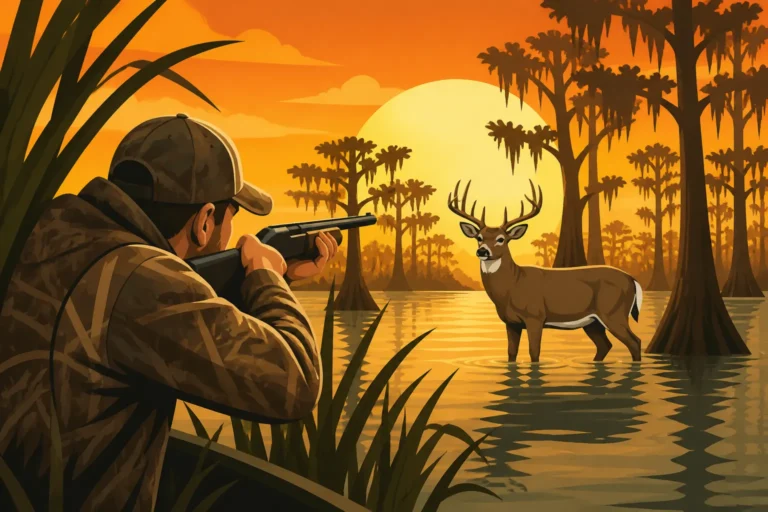
Hunting the dense, often water-logged bottomlands of Louisiana's Florida Parishes can feel like a puzzle with missing pieces, leaving many hunters frustrated by the sheer amount of cover and the elusive nature of deer in such thick environments. This guide is designed to cut through that confusion, offering practical strategies for scouting, understanding deer movement, and effectively hunting these challenging yet rewarding areas.
Understanding the Unique Florida Parishes Bottomland Habitat
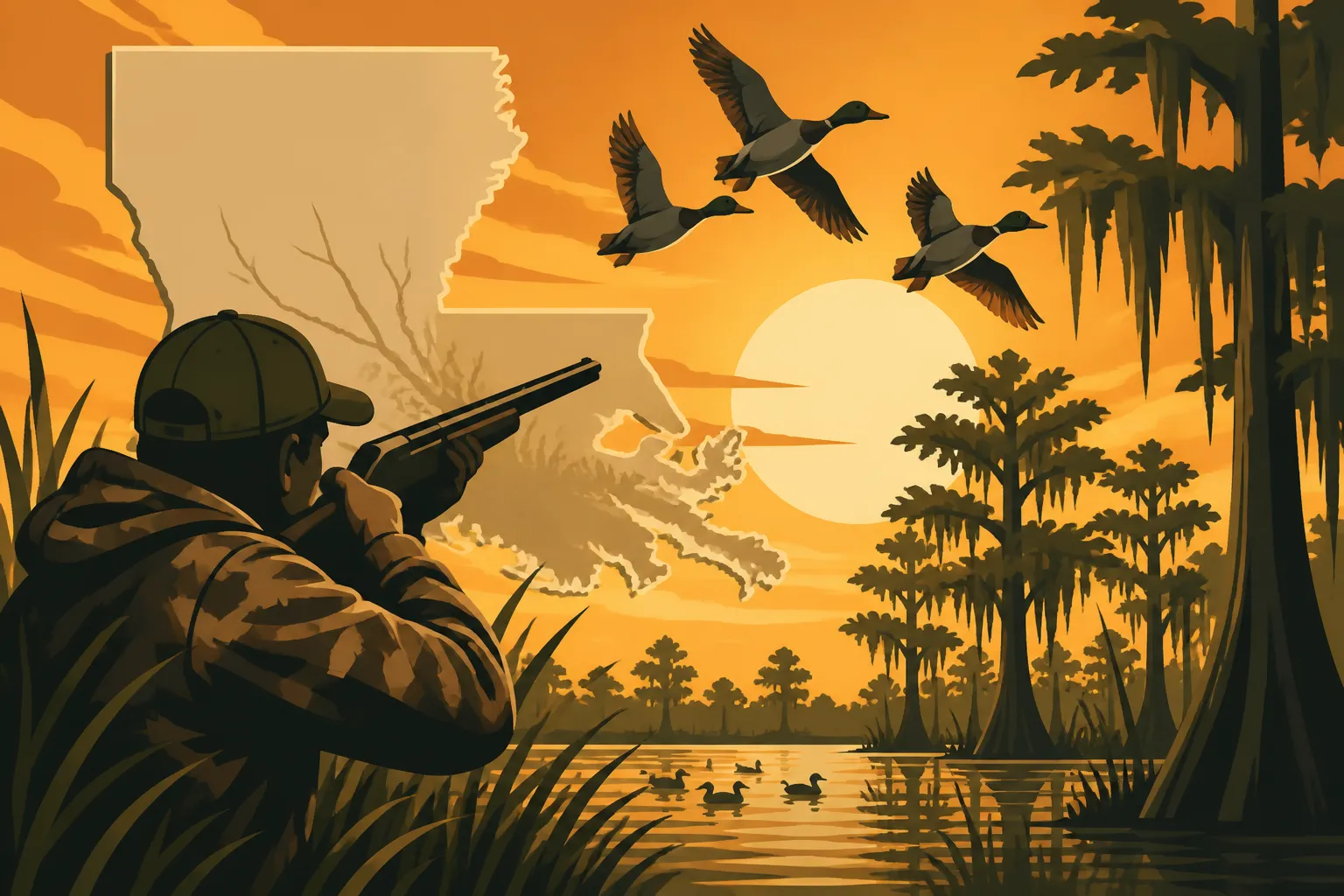
The bottomlands of the Florida Parishes, stretching across areas like Tangipahoa, Washington, and St. Tammany parishes, are a world unto themselves. Unlike the piney hills or the vast river basins, these areas present a unique blend of dense hardwood hammocks, cypress-tupelo swamps, and often fluctuating water levels that dictate everything from deer movement to hunter access. It's a rich, fertile landscape, but one that demands a specific approach if you want to be successful.
Distinguishing Bottomland Characteristics
When you step into a Florida Parishes bottomland, you're immediately struck by the sheer density. We're talking about areas with thick undergrowth, palmetto flats, and a canopy dominated by water oaks, willow oaks, sweetgums, and cypress trees. The terrain is generally flat, but don't let that fool you; small elevations, even just a foot or two higher than the surrounding area, can become critical travel corridors or bedding areas when water levels rise. These subtle changes in elevation are often overlooked but are absolute magnets for deer in wet conditions. Knowing these nuances is key to understanding Why the Florida Parishes Grow Big Bucks, as they often have ample cover and food to reach maturity.
Furthermore, the prevalence of water is a defining feature. Creeks, sloughs, and temporary standing water from heavy rains are common. This constant interaction with water means deer are highly adapted to navigating it, and as hunters, we need to be too. The soil is often rich, black muck, which holds scent well but can be incredibly noisy and difficult to traverse, making silent movement a real challenge. Understanding these characteristics helps you better predict deer behavior and plan your hunt.
Key Food Sources and Their Seasonal Importance
Deer in the Florida Parishes bottomlands rely heavily on natural mast crops. Acorns from various oak species are absolute king, especially water oak and willow oak acorns which often drop earlier and continue through much of the fall. When these fall, deer will congregate in areas with heavy mast production. A good pre-season scout with a tool like GoHunt's mapping features can help you identify mature oak stands. Beyond acorns, persimmons, muscadines, and various browse species like greenbrier, yaupon, and rattan provide year-round sustenance.
The availability and timing of these food sources directly influence deer movement. Early in the season, you might find deer focusing on green browse and any early-dropping soft mast. As fall progresses into winter, the focus shifts almost entirely to acorns. During a poor acorn year, deer might be forced to seek out less desirable browse or even venture to agricultural edges if available, which can drastically alter their typical patterns. Knowing the cycle of these food sources is paramount for successful hunting in these areas. You really need to be paying attention to Late-Season Food Sources for Louisiana Whitetails if you're hunting into December and January.
Scouting Strategies for Bottomland Deer
Scouting in bottomland can be physically demanding, but it's where you truly unlock the secrets of the land. Given the thick cover and often wet conditions, traditional scouting methods need to be adapted, and digital tools can become an invaluable asset.
Pre-Season Reconnaissance and Digital Tools
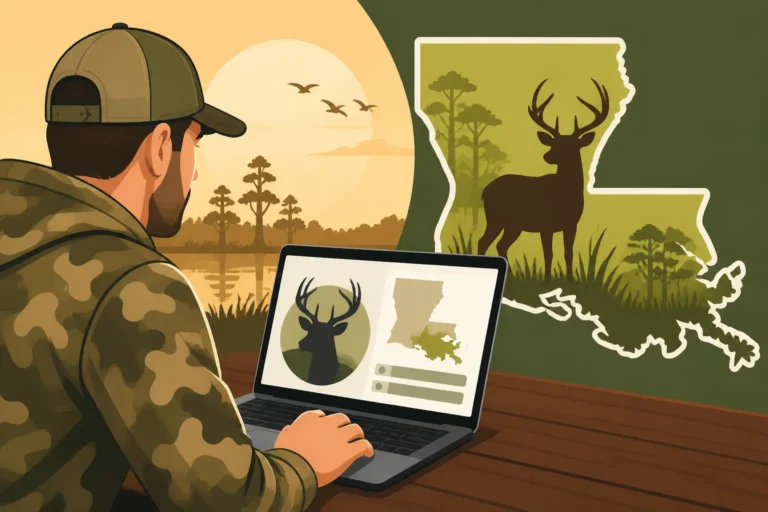
Before you even set foot in the woods, a thorough digital scouting session is non-negotiable. Start with high-resolution aerial imagery. Tools like GoHunt offer detailed satellite views that allow you to identify key features from your couch. Look for subtle elevation changes, areas of dense evergreen cover that might serve as bedding, creek bends, sloughs, and potential pinch points or funnels created by water features or changes in vegetation. These digital maps are excellent for Reading Aerial Photos for Central Louisiana Deer, and the same principles apply here.
Pay close attention to changes in forest type – hardwoods transitioning to cypress-tupelo, for example, can create distinct travel corridors. Identify potential access points, but also visualize how you might need to navigate water or extremely dense sections once you're on the ground. Marking these points and potential routes on your GoHunt app before you go in saves a tremendous amount of time and effort, ensuring you're not aimlessly wandering in thick cover during precious daylight hours. You can even use these insights to start planning your Entry Routes Through Standing Soybeans if you're bordering agricultural land.
Interpreting Deer Sign in Wet Environments
Once on the ground, interpreting deer sign in bottomland requires a keen eye. Tracks in the soft, muddy soil are often abundant, but focus on identifying consistent travel corridors. Look for heavily used trails that follow subtle rises, skirt the edges of sloughs, or cross narrow necks of water. These pathways are golden tickets, especially during periods of high water. Don't just look for fresh tracks; try to discern the direction of travel and how deer are using these routes to get from bedding to feeding areas.
Rubs and scrapes are also critical. In bottomlands, rubs might be on smaller trees or even thick vines due to the density of the undergrowth. Scrapes will often be found along travel corridors, especially on higher ground or along the edges of palmetto thickets. Pay attention to the freshness of these signs. Soft, damp soil preserves scent longer, so a track might look older than it actually is. It's all about piecing together the puzzle of recent deer activity. Understanding these signs is vital for Scouting Louisiana Public Land Before Season.
Effective Hunting Tactics for Dense Bottomland
Hunting the Florida Parishes bottomlands requires patience, stealth, and adaptability. The dense cover that often frustrates hunters is also the deer's biggest advantage, but with the right tactics, you can turn it into your own.
Still-Hunting and Stand Placement
Still-hunting is a highly effective tactic in these thick environments. Move slowly, deliberately, and with purpose. Take only a few steps at a time, then stop, scan, and listen. The dense vegetation limits visibility, so you need to rely heavily on your ears and nose. Use the natural contours of the land, like the edge of a slough or a slight ridge, to your advantage, moving against the wind and paying close attention to Wind and Thermals in Swamp Bottomland.
For stand placement, focus on identifying pinch points, funnels, and transition zones. A pinch point might be where a slough narrows, forcing deer into a tight crossing. A funnel could be a strip of higher ground between two low-lying, wet areas. Transition zones, like where a dense palmetto thicket meets an open oak flat, are also prime locations. Don't be afraid to hang stands deeper into the cover than you might in more open terrain. Sometimes, the thickest part of a palmetto swamp is where a mature buck feels safest bedding, making a well-placed stand on the edge of that sanctuary incredibly effective. When choosing your spot, consider if a Using a Ground Blind on Louisiana Public Land might be a better option than a treestand in particularly dense spots, offering better concealment and versatility.
Deer Drives and Their Effectiveness
In the dense bottomlands, deer drives can be a powerful tool, especially on larger tracts of land or when hunting with a group. The thick cover that makes still-hunting challenging also makes it easy for deer to hide, and a well-executed drive can push them out of their sanctuaries. This is often where hunters will rely on a tactic like Deer Drives With Three or Four Hunters to cover ground efficiently.
The key to a successful drive in bottomland is knowing the escape routes and strategically placing standers. Deer in these areas often have specific routes they prefer to use to evade pressure. These might be subtle rises, creek crossings, or fringes of impenetrable cover. Drivers need to move slowly and systematically, making noise but also pausing to listen. Standers should be placed in areas where deer are likely to filter out, such as narrow openings, logging roads, or along the edges of known travel corridors. Safety is paramount; clear communication and knowing where every hunter is located are non-negotiable.
Rattling and Grunting in Thick Cover
While many hunters associate rattling and grunting with more open, big-woods hunting, these calls can be incredibly effective in the dense Florida Parishes bottomlands, especially during the rut. The thick cover actually works to your advantage by containing the sound and making it seem more immediate and localized, often drawing in curious bucks who want to investigate a potential fight or doe in distress. This is similar to Rattling Volume in Thick Cover strategies used in other parts of the state.
When rattling, opt for shorter, more aggressive sequences, followed by long periods of silence. Bucks might approach cautiously, circling downwind to catch your scent. So, set up with the wind in your favor, overlooking a thicket or funnel where a buck might emerge. Grunt calls can be used to simulate a buck trailing a doe or to stop a moving deer for a shot. Start with soft grunts and increase volume if you don't get a response. The key is to be patient and listen intently, as deer can approach silently through the dense undergrowth.
Navigating the Challenges of Water and Terrain
The bottomlands are defined by their dynamic interaction with water. Overcoming these challenges is crucial for both comfort and success, whether you're dealing with a flooded slough or simply getting to your hunting spot.
Dealing with Water and Mud
Water and mud are omnipresent challenges in the Florida Parishes bottomlands. A slight rain can turn a dry trail into a quagmire, and prolonged wet periods can flood vast sections. Investing in quality waterproof gear is non-negotiable. Hip boots or chest waders are often essential, not just for crossing water but for quietly navigating muddy terrain that would otherwise be noisy to walk through. The right footwear isn't just about staying dry; it's about minimizing noise and scent.
Beyond personal gear, think about how you'll move through water. Small, quiet boats like canoes, kayaks, or even pirogues can be indispensable for accessing remote areas. They allow you to slip silently into areas that would otherwise be impenetrable or too noisy to approach on foot. When walking through standing water, take it slow and methodical. Use a walking stick to probe for deeper spots or submerged obstacles. Remember that the dense vegetation often provides enough cover to break up your silhouette even in standing water, making careful movement key to stealth. You might even encounter scenarios where you need to consider Recovering a Deer From a Basin Slough in similarly waterlogged environments.
Accessing Remote Bottomland Areas
The most productive hunting spots in bottomland are often the hardest to reach. These remote areas typically see less hunting pressure, leading to more mature deer and more natural behavior. However, getting there requires planning and effort. This often involves venturing off the beaten path, away from easy road access. This means you might be looking for Finding Ground Others Walk Past to increase your chances.
Consider using non-motorized methods like a bicycle for long stretches of dirt road, then transitioning to a canoe or on foot. Establishing a small, temporary camp in a remote, higher-ground area can allow you to stay deeper in the woods for multi-day hunts, minimizing the noisy trips in and out. Always carry a reliable GPS device or use a mapping app like GoHunt on your phone, loaded with offline maps. The thick cover can quickly disorient you, and getting lost in bottomland, especially as darkness falls, is a serious concern. Plan your routes meticulously, mark key waypoints, and always tell someone where you're going and when you expect to return.
Navigating Seasonal Changes in Bottomland Dynamics
The Florida Parishes bottomland is a living, breathing ecosystem that constantly changes with the seasons, directly impacting how deer behave and how hunters need to adapt their strategies. Understanding these shifts can be the difference between a frustrating outing and a successful harvest.
Early Season Adjustments
When archery season kicks off in early October, the Florida Parishes bottomlands are often still thick with foliage, and temperatures can be stubbornly warm. Deer, especially bucks, are typically still in their summer patterns, focusing heavily on available green browse and any early-dropping soft mast like persimmons. Water levels might be lower, allowing deer to utilize a wider range of terrain. During this period, your focus should be on shaded, cooler areas, often close to water sources, where deer might bed during the heat of the day.
Look for fresh sign around food sources that are actively producing. Setting up on travel corridors between thick bedding cover and these food plots, or even along the edges of small private tracts, can be effective. Consider a Warm-Weather Sitting Strategy in Louisiana which means you'll likely want to hunt dawn and dusk, avoiding the midday heat, and choosing stands with good air movement. Scent control is paramount, as warm temperatures mean scent molecules hang in the air longer.
Rut-Time Strategies
The rut in the Florida Parishes can be a magical, if fleeting, time. It typically peaks in mid-November through early December in many parts of the region, though specific timing can vary. During this period, buck behavior shifts dramatically from food-focused to doe-focused. This means those subtle funnels, pinch points, and cover edges that might have been quiet before suddenly become high-traffic areas as bucks cruise for does. Keeping an eye on Hunting the Rut in the Early-Start Areas can give you an idea of what to expect behavior-wise, even if the timing is slightly different.
This is prime time for calling. Aggressive rattling and grunting, as discussed earlier, can draw in curious or competitive bucks. Focus on areas where you know does are bedding or feeding, or where multiple travel corridors converge. Setting up a decoy, particularly a doe decoy, might also be effective in drawing a buck into shooting range, especially if he's feeling territorial or looking to challenge another deer. Patience is key, but don't be afraid to be more aggressive with your tactics when the rut is on.
Late Season Challenges and Opportunities
As the season winds down into December and January, conditions in the bottomlands often become colder and potentially wetter. Most of the natural mast crops will have dropped, and deer will be focused on the remaining hard mast or shifting to evergreen browse and whatever green growth they can find. If you've been monitoring Hunting After a Poor Acorn Year, you'll know that deer can be highly concentrated around any remaining food. Water levels can also be at their highest, forcing deer onto the limited high ground, which can concentrate them in predictable areas.
Hunting pressure from the gun season can push deer into the thickest, most impenetrable cover available. This is where those remote, hard-to-access pockets become gold mines. Scouting for these sanctuaries and the subtle travel routes leading in and out of them is crucial. A well-placed stand overlooking a small patch of remaining acorns on a slight rise, or a bedding area within a thick palmetto flat, can produce a late-season opportunity. Don't overlook small, overlooked parcels of public land that might hold deer seeking refuge from pressure on surrounding private lands.
| Seasonal Bottomland Hunting Considerations | Early Season (Oct-Nov) | Rut (Nov-Dec) | Late Season (Dec-Jan) |
|---|---|---|---|
| Primary Food Source | Green Browse, Early Soft Mast | Doe Concentration Areas | Remaining Hard Mast, Evergreen Browse |
| Deer Behavior | Summer Patterns, Food-Focused | Doe-Focused, Cruising | Pressure-Sensitive, Food-Focused |
| Key Tactics | Still-hunting, Stand near food | Calling, Stand near funnels | Deep scouting, Sanctuaries |
| Water Level | Variable, often lower | Variable | Often higher |
| Hunter Pressure | Low (Archery) | Moderate | High (Gun) |
Disclaimer
The information provided in this guide is for general informational purposes only and does not constitute legal advice regarding hunting regulations. Hunting laws and regulations in Louisiana are subject to change and vary by specific parish, WMA, or private land. Always consult the latest official Louisiana Department of Wildlife and Fisheries (LDWF) regulations and ensure you have all necessary licenses and permits before engaging in any hunting activities. Adherence to all safety guidelines and ethical hunting practices is paramount.