Hunting Cameron Parish Marsh Ducks
The vast, shimmering expanse of Cameron Parish's coastal marsh calls to duck hunters like a siren song, promising epic sunrises and whistling wings. But let's be real, stepping into this unique environment without a solid game plan can quickly turn that dream hunt into a frustrating, empty-handed slog. The sheer scale, the unpredictable tides, the specific duck behavior—it's a lot to navigate. This guide is here to cut through the confusion, offering deep insights into the methods, strategies, and local knowledge you'll need to successfully hunt ducks in this renowned Louisiana waterfowl paradise.
Understanding the Cameron Parish Marsh Ecosystem for Waterfowl
Cameron Parish is a jewel in the crown of Louisiana's duck hunting landscape, largely due to its incredible marsh ecosystem. It's not just a big swamp; it's a dynamic, intricate world that dictates how and where ducks feed, rest, and fly.
The Unique Habitat and Its Draws for Ducks
The Cameron Parish marsh is predominantly brackish, meaning it's a mix of freshwater from inland rivers and saltwater from the Gulf of Mexico. This unique salinity level supports a diverse array of submerged aquatic vegetation (SAV) like widgeongrass and dwarf spikerush, along with emergent grasses like wiregrass and oligo-saline species. These plants aren't just pretty scenery; they are the grocery store for migrating and resident waterfowl. Ducks, especially dabblers, rely heavily on these plants' seeds, tubers, and the invertebrates that live among them.
Think about it from a duck's perspective: you've flown hundreds or thousands of miles down the Mississippi Flyway, and suddenly you hit a massive buffet. The shallow, nutrient-rich ponds, sloughs, and bayous provide perfect dabbling depths, allowing ducks to tip up and feed without fully submerging. The dense marsh grasses also offer crucial cover from predators and harsh weather, making it an ideal wintering ground or migration stopover. The sheer size of this habitat means that ducks can spread out, making it challenging for hunters but also offering endless opportunities for those willing to explore.
Key Duck Species Found in Cameron Parish
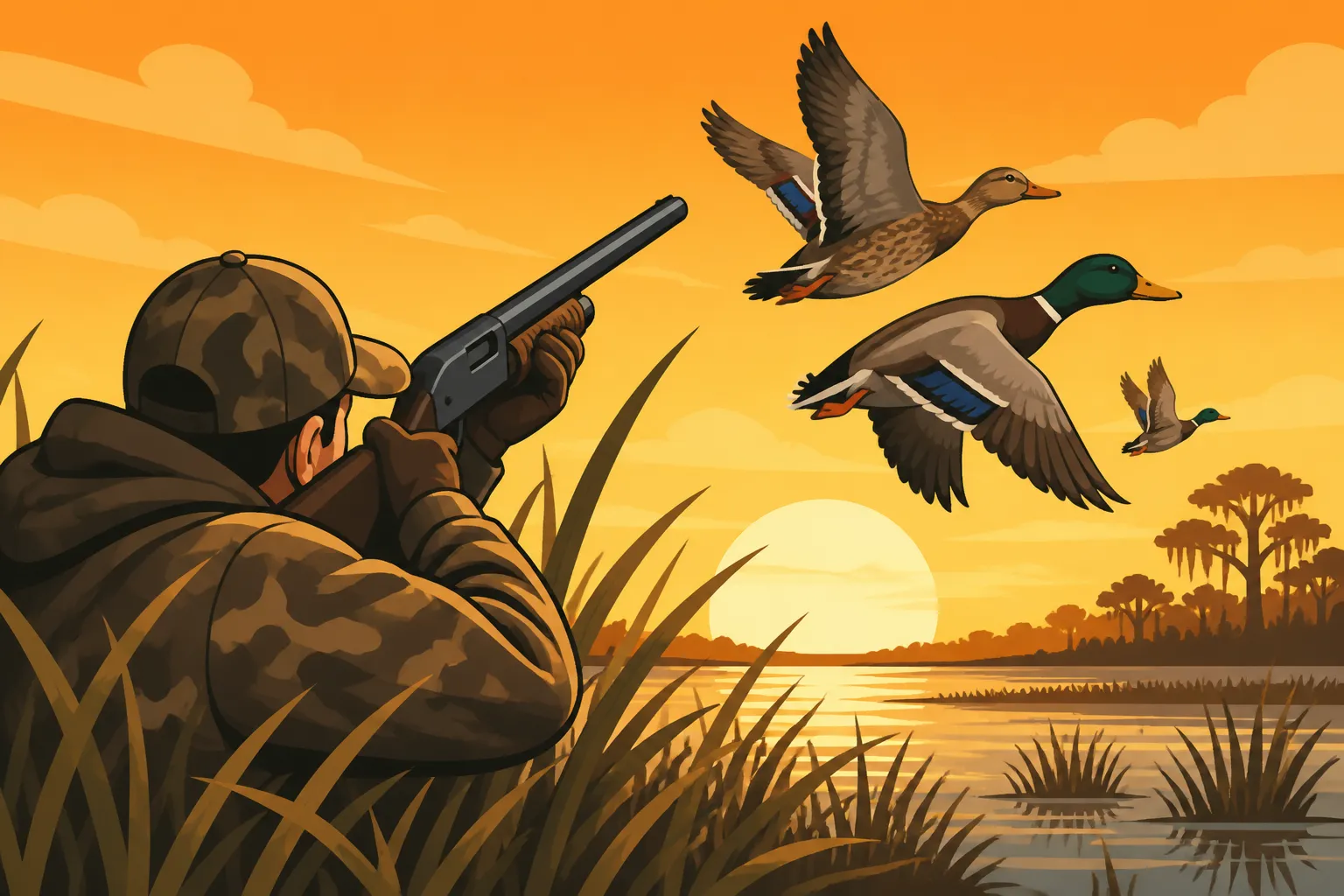
While the marsh attracts a variety of waterfowl, several species are particularly prominent in Cameron Parish. Green-winged Teal and Blue-winged Teal are often the first to arrive and can be found in massive numbers, darting across the water with incredible speed. Gadwall, known for their subtle beauty and distinctive white speculum, are also incredibly common and make up a significant portion of the annual harvest. Pintails, with their elegant long necks and "pin" tails, frequent the open marsh ponds, often arriving later in the season. Wigeon, recognizable by their white belly and often distinct call, are also regulars. And, of course, no discussion of Louisiana marsh ducks is complete without mentioning the resilient Mottled Ducks and Louisiana's Resident Flock, which breed and live year-round in these coastal areas, offering hunting opportunities even when migration slows.
Each of these species has slightly different preferences within the marsh. Teal often favor shallower, muddier areas. Pintails prefer more open water, while gadwall can be found almost anywhere there's good food. Understanding these preferences helps immensely when scouting and setting up your spread. Observing their flight patterns, feeding habits, and even the sounds they make can give you crucial clues about where to focus your efforts.
Migration Patterns and Timing
The timing of duck migration is a dance choreographed by weather and instinct, and understanding it is crucial for hunting success in Cameron Parish. Early in the season, typically in November, you'll see a strong push of Blue-winged Teal, often followed by Green-winged Teal. These birds are swift and can offer fast-paced shooting. As the season progresses into December and January, more "big ducks" like Gadwall, Pintails, and Wigeon arrive, often spurred by cold fronts sweeping down from the north. These cold fronts aren't just a chill in the air; they literally push new birds into the warmer, food-rich southern marshes.
Monitoring regional weather forecasts and reports from further north along the Mississippi Flyway can provide valuable insights into when major pushes of birds are likely to occur. A strong northerly wind combined with freezing temperatures up north often signals an influx of fresh ducks. However, it's not always about new birds. The resident Mottled Duck population offers consistent hunting throughout the season. For a deeper dive into the broader patterns, check out information on Duck Migration Timing Through Louisiana. The key is to be adaptable; some days the marsh will be buzzing with birds, other days you might only see a few stragglers.
Essential Gear and Setup for Marsh Duck Hunting
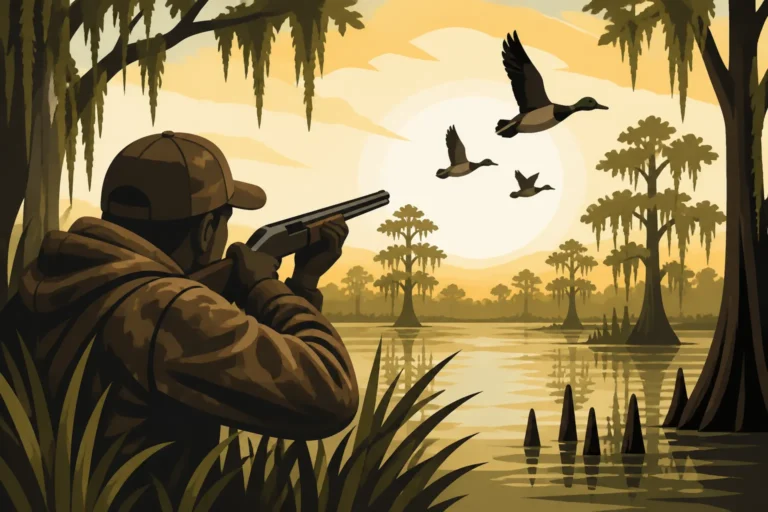
Hunting ducks in the Cameron Parish marsh isn't like hunting flooded timber or an open field. The environment demands specialized gear and thoughtful setups to maximize your chances of success and ensure your safety.
Specialized Decoy Spreads for Shallow Water
The shallow, often muddy nature of the marsh dictates specific decoy strategies. Forget heavy keel decoys meant for deep water; here, you'll often use lightweight decoys on shallow-water stakes or anchors designed to hold in soft mud. Motion is absolutely key in the marsh. Ducks often key in on the subtle ripples and splashes of feeding birds. Jerk strings, which allow you to animate a few decoys from your blind, are incredibly effective. Spinner decoys, like those from Mojo Outdoors, can also grab attention from a distance, especially on calmer days, but be mindful of over-using them if birds are heavily pressured.
When setting up your spread, think realism. Ducks in the marsh are often feeding in small, spread-out groups. A massive, tightly packed spread might look unnatural. Instead, try scattering smaller "family groups" of decoys, leaving a landing zone or "hole" in the middle. A J-hook or U-shaped spread can also be effective, guiding birds directly into your shooting lane. Don't forget confidence decoys like coots or geese if they are present in the area, as these can make your spread look even more inviting. The goal is to mimic what the ducks are already doing naturally in the marsh.
Boat Selection and Navigation in the Marsh
Navigating the labyrinthine waterways of Cameron Parish requires a specialized vessel. You won't see many deep-V hulled boats here. Instead, shallow-draft boats equipped with mud motors or Go-Devil engines are the kings of the marsh. These boats are designed to run through extremely shallow water, often traversing areas that are barely wet. Pirogues or kayaks can also be useful for stealthily accessing very remote ponds or for retrieving downed birds in thick cover.
Safety and navigation are paramount. The marsh is a maze of unmarked channels, shallow mud flats, and hidden obstacles. A reliable GPS unit with detailed maps, like those available on platforms such as GoHunt, is not just a convenience; it's a necessity. Mark your routes, especially in low light conditions, and always let someone know your float plan. Tides can significantly impact water levels, turning a navigable channel into a mud flat in a matter of hours, so understanding the local tidal charts is vital. If you're exploring similar coastal regions, some of these navigation tips might also be helpful when Hunting the Vermilion Parish Marsh.
Blinds, Cover, and Concealment
Concealment in the marsh is all about blending seamlessly with your surroundings. Natural marsh grass offers incredible cover, and often, the best blind is simply one you've brushed in yourself using local vegetation. Layout blinds, especially those designed for wet environments, are fantastic for hunting open ponds where natural cover is sparse. They keep you low to the ground and well-hidden, mimicking the natural humps and islands of grass.
When building or setting up a blind, pay close attention to the sun's position, especially at first light. You want the sun at your back, not in the ducks' eyes, or worse, directly in your own. Break up your outline completely; a perfectly square or unnatural shape will stand out like a sore thumb to wary ducks. Even small details, like shiny equipment or exposed skin, can flare birds. The principles of effective concealment, like those discussed in Brushing In a Blind on a Field Edge, apply directly here, adapted for the unique marsh environment. Make sure your face and hands are covered, and your clothing matches the tones of the marsh.
Proven Hunting Tactics and Strategies
Beyond the gear, successful marsh duck hunting hinges on smart tactics and the ability to read the unique environment of Cameron Parish. It’s about understanding duck behavior, anticipating their movements, and adapting to ever-changing conditions.
Reading the Marsh for Productive Spots
The Cameron Parish marsh is vast, and knowing where to set up is often more important than how you set up. The key is scouting. Look for fresh sign: duck droppings, dabbling marks in the mud, and tracks along pond edges. These are clear indicators that ducks are actively feeding in the area. Pay attention to the types of vegetation present; areas with abundant widgeongrass or dwarf spikerush are prime feeding grounds.
Tides and wind direction are your best friends in the marsh. Ducks will often feed on rising or falling tides as new food sources become available or are concentrated. Wind dictates how ducks land and take off; they almost always land into the wind. Set your blind with the wind at your back or quartering, so ducks will be cupping their wings, presenting a broadside shot as they come into your spread. For specific insights on how ducks use water bodies, understanding Reading a Marsh Pond for a Morning Flight can be incredibly helpful, as the principles are consistent across similar marsh environments. Don't be afraid to move if your chosen spot isn't producing; the marsh offers endless possibilities for a new setup.
Calling Techniques Specific to Marsh Ducks
Marsh ducks are often very responsive to calling, but subtlety and realism are crucial, especially in pressured areas. Unlike flooded timber where loud, aggressive calling might work, the open nature of the marsh often benefits from softer, more varied calls. You'll want a versatile call that can mimic the quack of a mallard (even if fewer mallards are present, other dabblers respond), the distinctive chatter of a gadwall, and the whistle of a pintail or wigeon.
Start with soft greetings and feed calls. If birds respond, you can increase the intensity slightly, but always listen to their reactions. If they're flaring, scale back immediately. Sometimes, silence is the best call. A well-placed feed chuckle can bring wary birds in close. Don't forget the importance of the pintail whistle and the distinctive "wigeon-whew" call, which can be incredibly effective on those specific species. Practicing these calls until they sound natural will give you a significant advantage. Remember, you're trying to sound like a contented flock on the water, not an overzealous salesman.
Managing Pressure and Adapting to Conditions
The popularity of Cameron Parish means that ducks here can become very wary, especially as the season progresses. Dealing with hunting pressure is a reality you'll face, but it doesn't mean you can't have a successful hunt. One strategy is to hunt smaller, more secluded ponds or sloughs that other hunters might overlook or deem too difficult to access. Early morning hunts are often best before birds become active and educated.
As the season wears on, consider reducing the size of your decoy spread and relying more on natural-looking setups. Less calling, or more realistic, softer calling, can also be more effective on pressured birds. If a spot isn't producing after a couple of hours, don't be afraid to pull up stakes and move to a new area. The marsh is dynamic; what was good yesterday might be empty today. Paying attention to wind shifts, tidal changes, and new bird arrivals will help you adapt. Sometimes, hunting later in the day, after the initial morning rush, can also yield results as birds move between feeding and resting areas.
Navigating Regulations and Conservation in Cameron Parish
Hunting in Cameron Parish isn't just about good strategy; it's also about respecting the law and contributing to the conservation efforts that keep this incredible resource healthy. Understanding the rules is non-negotiable.
Understanding Louisiana Waterfowl Zones and Bag Limits
Cameron Parish falls squarely within Louisiana's West Zone for waterfowl hunting. This is crucial because season dates and bag limits can vary significantly between zones. Always consult the current Louisiana Department of Wildlife and Fisheries (LDWF) regulations pamphlet or their website before heading out. Bag limits specify the maximum number of ducks you can harvest per day, and often include species-specific limits (e.g., only so many pintails, mallards, or wood ducks within your total bag).
Beyond the daily bag, there are possession limits, which typically mean you can only possess up to three times your daily bag limit while in the field or in transit. This prevents over-harvesting and encourages sustainable hunting practices. Make sure you can identify different duck species accurately to avoid violating these regulations. For a comprehensive overview, familiarize yourself with Louisiana Duck Zone Rules and the detailed breakdown of Louisiana Duck and Goose Bag Limits. Ignorance of the law is no excuse, and wardens patrol the marsh diligently.
Public vs. Private Access in Cameron Parish
Access to the prime duck hunting grounds in Cameron Parish is a mixed bag, literally. While there are some incredible public opportunities, particularly within portions of the Sabine National Wildlife Refuge or nearby Lacassine National Wildlife Refuge, much of the sought-after marsh is privately owned or leased. Securing permission to hunt private land is often key to consistent success, but it can be challenging to obtain. Many landowners lease their property to private hunting clubs or outfitters.
If you're planning a self-guided trip, thoroughly research public access points. The LDWF website and mapping tools, including those available through platforms like GoHunt, can help identify Wildlife Management Areas (WMAs) or National Wildlife Refuges (NWRs) that offer waterfowl hunting. Keep in mind that public lands often see significant pressure, especially on opening weekend. Understanding the specific regulations for Hunting Cameron Parish Marsh Public Access is vital, as rules can vary between different refuges and state-managed areas. Sometimes, a guided hunt through an outfitter who has access to private leases is the most straightforward way to experience the best of Cameron Parish duck hunting.
Conservation Efforts and Ethical Hunting
As duck hunters, we are often the staunchest conservationists. The money from federal duck stamps, state hunting licenses, and excise taxes on hunting equipment directly funds habitat restoration and wildlife management projects across the country, including those in Cameron Parish. Supporting organizations like Ducks Unlimited and Delta Waterfowl also contributes significantly to maintaining healthy waterfowl populations and their habitats.
Ethical hunting goes hand-in-hand with conservation. This includes taking clean, ethical shots within your effective range to minimize crippling losses, and making every effort to retrieve all downed birds. Leaving no trace behind—picking up spent shells, trash, and ensuring your blind leaves the marsh as pristine as you found it—is also part of being a responsible hunter. Reporting observed violations to the LDWF helps protect the resource for future generations. Our actions in the field reflect on the entire hunting community, and upholding a high standard ensures that these traditions can continue.
The Guided Hunt Experience in Cameron Parish
For many, especially those traveling from out of state or new to the intricacies of marsh hunting, booking a guided hunt in Cameron Parish is the ultimate way to experience its legendary waterfowl action. It takes the guesswork out of logistics and puts you directly in the hands of experienced professionals.
What to Expect from a Marsh Duck Lodge
A full-service marsh duck lodge in Cameron Parish offers more than just a place to sleep; it provides an immersive, all-inclusive hunting experience. Typically, a package will include comfortable lodging, delicious Cajun meals (often featuring freshly prepared game), and experienced guides who know the marsh like the back of their hand. They'll supply the boat, decoys, and often the blind, removing much of the logistical burden from your shoulders.
Beyond the hunt itself, these lodges often cultivate a rich camaraderie. You'll share stories with fellow hunters, enjoy hearty breakfasts before dawn, and unwind with good food and drinks after the hunt. It's an opportunity to learn from seasoned guides and absorb the local culture. For more on what these experiences entail, you might find details in Booking a Coastal Marsh Duck Lodge enlightening, as many aspects of the experience are shared across the coastal region. These lodges are built on generations of local knowledge, ensuring you're in the best spots at the right time.
Choosing the Right Outfitter
Selecting the right outfitter is paramount to a successful and enjoyable guided hunt. Do your homework. Look for outfitters with a long-standing reputation in Cameron Parish and positive reviews from previous clients. Don't hesitate to ask for references and follow up with them. A good outfitter will be transparent about their success rates, what's included in their packages, and any additional costs.
Crucially, ensure your chosen guide has extensive local knowledge of the Cameron Parish marsh itself. This isn't a place where a guide can just show up and expect to be successful; it requires intimate familiarity with tidal patterns, specific duck movements, and hidden honey holes. Platforms like GoHunt can sometimes offer insights or reviews on reputable outfitters. When vetting potential guides, always refer to a checklist similar to what you'd use when Vetting a Louisiana Outfitter Before You Book, ensuring all your questions are answered before you commit. Look for guides who prioritize safety, ethical hunting, and providing a memorable experience, not just filling a limit.
Maximizing Your Guided Hunt
Once you've booked your guided trip, there are several things you can do to ensure you get the most out of the experience. First and foremost, communicate your expectations clearly with your guide beforehand. Are you looking for a trophy? Do you want to learn more about marsh hunting? Or are you simply focused on volume shooting? Your guide can tailor the experience if they understand your goals. Be prepared for the weather; marsh conditions can change rapidly, so layered clothing, waterproof gear, and appropriate footwear are essential.
Listen intently to your guide's instructions in the blind. They have the local knowledge, and their guidance on when to call, when to shoot, and how to stay concealed is invaluable. Don't be afraid to ask questions. A good guide loves to share their expertise. Lastly, remember that guides work hard to make your hunt successful. Tipping is customary and a great way to show your appreciation for their effort, knowledge, and hospitality. Often, 15-20% of the hunt's cost is considered appropriate.
Louisiana Duck Species & Marsh Habitat Preferences
Here's a quick look at some common duck species you'll encounter in the Cameron Parish marsh and their general habitat preferences. This table can help you anticipate what birds you might see in different parts of the marsh.
| Species | Common Marsh Habitats | Preferred Food Sources | Typical Calling Sounds |
|---|---|---|---|
| Green-winged Teal | Shallow, brackish ponds; mud flats; dense vegetation | Seeds of sedges, grasses; small invertebrates | High-pitched whistles, short quacks |
| Blue-winged Teal | Shallow, open mud flats; ponds with sparse vegetation | Small seeds; aquatic insects; snails | Soft, raspy quacks; often silent |
| Gadwall | Open to semi-open brackish ponds; areas with widgeongrass | Widgeongrass, dwarf spikerush; other SAV; some insects | Low, raspy quacks; drake "ka-wek" |
| Northern Pintail | Large, open ponds; shallow bays; coastal flats | Seeds of marsh plants; tubers; grain (if near fields) | Soft whistles (drake); quiet quacks (hen) |
| American Wigeon | Open water; ponds with widgeongrass | Widgeongrass, smartweed; often graze on emergent grasses | Distinctive "whew-whew-whew" (drake) |
| Mottled Duck | All brackish marsh habitats; coastal prairies | Seeds of marsh plants; aquatic insects; crabs | Loud, raspy quacks, similar to mallard |
Disclaimer
Please remember that hunting regulations, seasons, and bag limits can change. Always consult the latest Louisiana Department of Wildlife and Fisheries (LDWF) regulations pamphlet or website before planning any hunting trip. This guide is for informational purposes only and does not replace official legal requirements.