Booking a Louisiana Alligator Guide
For many folks, the thought of hunting an alligator in Louisiana might seem like something out of a movie. It’s a primal, exhilarating experience that connects you directly to the raw, untamed heart of our swamps and bayous. But the reality of navigating the lottery, the gear, and the sheer scale of the Louisiana wetlands can be daunting. This comprehensive guide is here to walk you through everything you need to know about successfully booking a reputable alligator guide and making your dream hunt a reality.
Why a Guided Alligator Hunt? Beyond the Basics
Let's be honest, alligator hunting isn't like heading out to a deer stand on a crisp morning. It's a whole different beast, quite literally. The unique environment, the specialized techniques, and the sheer power of these reptiles mean that going with an experienced guide isn't just a convenience; it's often the difference between a once-in-a-lifetime adventure and a frustrating, even dangerous, flop. Many hunters, even seasoned ones, realize quickly that the learning curve for alligators is steep, and the risks are real.
The Allure of the Swamp Monster
There's something deeply captivating about the American Alligator. They're living dinosaurs, perfectly adapted predators that have ruled these waters for millions of years. To pit your wits and skill against such an ancient, powerful creature in its natural element is an experience that resonates deep within. It's not just about the harvest; it's about the chase, the tension, the respect for an apex predator, and the incredible feeling of bringing one home. For many, it’s the ultimate hunting challenge Louisiana offers, a story they'll tell for generations.
Trying to tackle this challenge alone, especially for a first-timer, can be overwhelming. Where do you even begin to look for alligators? How do you set a line properly so it holds something with that much power? And what do you do once you've actually hooked one? A guide brings a lifetime of local knowledge, understanding the subtle cues of the swamp, the best places to set lines, and the safest, most effective ways to dispatch and retrieve these formidable animals. They turn what could be a dangerous gamble into a calculated and memorable success.
Navigating Louisiana's Unique Regulations
Louisiana has a thriving alligator population, thanks to incredible conservation efforts, but that also means a very specific set of rules and regulations. Unlike deer or duck season where licenses are readily available, recreational alligator hunting operates on a lottery system. You don't just decide you want to hunt alligators; you have to apply and get drawn for tags, usually in specific zones. This process alone can be confusing for newcomers, let alone understanding the nuances of tag allocation, legal harvest length, and reporting requirements.
A good guide is not only intimately familiar with these regulations but often holds their own commercial or landowner tags, simplifying the process for you. If you're a lucky lottery winner and secured your own tags, a guide can ensure you're compliant every step of the way, from proper tag placement to legal methods. They know the ins and outs of Louisiana's New Recreational Alligator Season and can help you understand nuances like Louisiana Alligator Zone Allocations to ensure your hunt is legitimate and hassle-free. This local expertise is invaluable, preventing costly mistakes or even legal issues down the line.
Accessing Prime Alligator Habitat
Louisiana's wetlands are vast and intricate. Finding productive alligator habitat isn't as simple as driving down a road and spotting a likely pond. The best spots are often deep in the marsh or cypress swamps, requiring specialized boats, local knowledge of waterways, and an understanding of alligator behavior patterns based on tides, weather, and time of year. Private land and restricted access areas often hold the densest populations of large gators.
Many guides have long-standing relationships with landowners or hold leases on prime alligator territory that is otherwise inaccessible to the general public. This exclusive access puts you where the gators are, significantly increasing your chances of a successful hunt. Without a guide, you'd be limited to public waters, which, while offering opportunities, are often more pressured and require extensive scouting and specialized equipment just to get there. They know the hidden channels, the best spots where alligators sun themselves, and the deep holes where the giants lurk.
Understanding Louisiana's Alligator Hunting Landscape
Before you even start thinking about what kind of boat you'll be on, it's crucial to grasp the framework of alligator hunting in the Pelican State. Louisiana has done an incredible job managing its alligator population, transforming it from an endangered species to a thriving, huntable resource. This success is built upon a system designed to maintain healthy numbers while providing opportunities for both recreational and commercial harvest.
Recreational Lottery vs. Landowner Tags
For the average resident or non-resident hunter wanting to experience alligator hunting, the primary route is through the recreational lottery. Each year, the state allocates a limited number of tags to lucky applicants across various management zones. Winning a tag means you've secured the legal right to harvest a certain number of alligators in a specific area during the season. This is a highly sought-after opportunity, and many apply year after year hoping for a draw. For more details on this process, check out Applying for the Alligator Recreational Lottery.
However, there's another significant component: landowner tags. Private landowners who own or lease 100 or more acres of qualifying alligator habitat can be issued tags by the state. These tags are tied directly to their property, and they can either hunt these tags themselves, have someone hunt them on their behalf, or sell them. Many professional alligator hunting guides operate using these landowner tags. This means if you book a guided hunt, you're likely hunting on tags provided by the guide, simplifying your experience by removing the need to win a lottery tag yourself. This distinction is important because it dictates whether you need to apply for a lottery tag or if the guide takes care of the tag aspect for your trip.
Legal Methods and Gear
Louisiana allows specific legal methods for harvesting alligators, primarily focusing on hook-and-line and snaring. You can't just go out with any old fishing rod or firearm. The regulations are strict to ensure humane harvest and manage the population effectively. The most common methods you'll encounter with a guide involve setting baited lines or snares. These methods are designed to capture the alligator alive, allowing for proper assessment (like judging size) before dispatch.
- Hook-and-Line: This involves setting large, strong hooks baited with rotten chicken, fish, or other meat, typically suspended over the water from a sturdy pole or tree on the bank, or a boat. The line is extremely heavy-duty, designed to withstand the immense power of a gator. Hunters return later, usually early in the morning, to check their lines. Once an alligator is hooked, the real battle begins, requiring skill, strength, and the right tools to bring it to the boat and dispatch it safely and legally. Guides specialize in Hook-and-Line Alligator Setups.
- Snatch Hook (also known as "Snaring" or "Jumping"): This method involves actively pursuing alligators, often at night with a spotlight, locating them, and then using a long pole with a large treble hook (the "snatch hook") to hook the alligator, usually in the hide. Once hooked, it's another intense fight to bring the animal close enough to the boat for dispatch. This method is incredibly exciting and offers a more hands-on, active approach. Guides who offer this type of hunt are masters of Snatch-Hook Alligator Tactics.
Regardless of the method, the final step involves dispatching the alligator. This is almost exclusively done with a bangstick, a specialized device that delivers a fatal shot to the brain at close range, ensuring a quick and humane kill. A guide will have all the necessary legal equipment, from lines and baits to bangsticks and retrieval tools, ensuring your hunt adheres to Louisiana Alligator Legal Methods.
Prime Alligator Zones and Seasons
Louisiana is roughly divided into several alligator hunting zones, and the season dates can vary slightly between them. Generally, the season runs in late summer and early fall, usually September and October, when temperatures are still warm, and alligators are active. The coastal marshes and vast cypress swamps are generally considered the prime alligator habitat. Parishes in the southwestern and southeastern coastal areas, like Cameron, Vermilion, and Terrebonne, are legendary for their alligator populations and offer some of the best hunting opportunities.
The Atchafalaya Basin, a massive overflow swamp, is another incredible area known for producing big alligators. These diverse habitats, from brackish coastal marsh to freshwater cypress-tupelo swamps, each present unique challenges and rewards. A skilled guide will focus their operations in areas known for consistent success and healthy alligator numbers. When planning your trip, consider asking your potential guide which zones they operate in and what their success rates are in those specific areas. Knowing Where Louisiana's Biggest Alligators Live can help you choose a guide operating in areas renowned for large gators.
What to Look for in a Louisiana Alligator Guide
Choosing the right guide is paramount to having a safe, successful, and memorable alligator hunt. This isn't a decision to take lightly, as you'll be spending intense hours in close quarters with potentially dangerous animals. You need someone who is not just competent but also prioritizes safety, operates legally, and genuinely wants you to have a great experience.
Experience and Reputation
When it comes to alligator hunting, experience isn't just a bonus; it's essential. You want a guide who has spent countless hours on the water, who understands alligator behavior in various conditions, and who can read the subtle signs of the swamp. An experienced guide knows where to set lines for the best chances of success, how to handle a powerful alligator once it's on the line, and crucially, how to do it all safely. They've seen it all, from tangled lines to feisty gators, and they know how to react calmly and effectively.
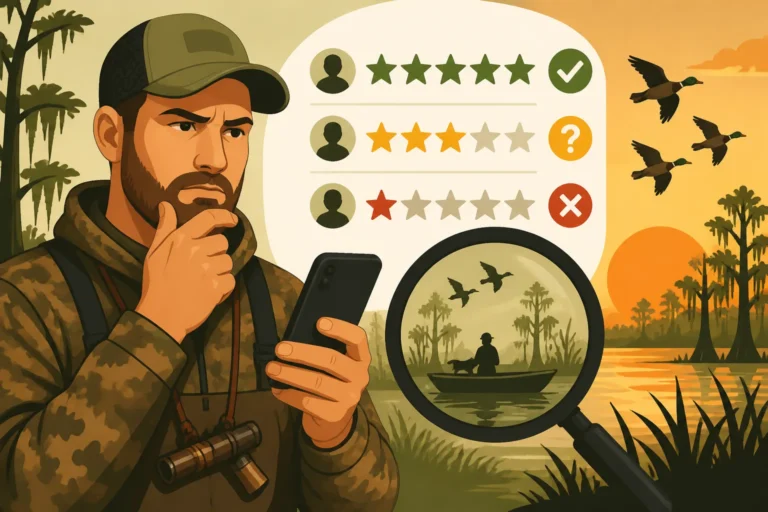
Look for guides with a long-standing presence in the industry. Ask about how many years they've been guiding alligator hunts specifically. Don't hesitate to ask for references from previous clients. Online reviews on platforms like BookYourHunt or GoHunt can also offer valuable insights, but always take them with a grain of salt and look for consistent themes. A guide with a stellar reputation will have positive feedback regarding their professionalism, safety practices, and ability to put clients on gators. Pay attention to how they talk about the hunt – a passionate, knowledgeable guide will instill confidence.
Licensing and Insurance
This is a non-negotiable. Any legitimate Louisiana alligator guide should be properly licensed by the state. This demonstrates they meet specific requirements and operate legally. Don't be afraid to ask for proof of their licensing. A professional guide will also carry liability insurance. Hunting, especially for large, powerful animals like alligators, comes with inherent risks. While a guide will always prioritize safety, accidents can happen. Insurance offers a layer of protection for both you and the guide in unforeseen circumstances.
It's your right as a client to ensure you're dealing with a legitimate operation. A guide who is hesitant to provide this information or brushes off your questions should be a major red flag. This due diligence protects you legally and financially, and ensures you're supporting ethical, responsible hunting practices. Remember, an unregistered or uninsured guide might offer a cheaper price, but the potential risks far outweigh any savings.
Communication and Customer Service
Beyond their hunting prowess, a good guide should be an excellent communicator and provide top-notch customer service. From your initial inquiry to the end of your hunt, they should be responsive, clear, and helpful. Do they answer your questions thoroughly? Are they upfront about costs, expectations, and what you need to bring? Do they make you feel comfortable and excited about the trip?
Pay attention to how quickly they respond to emails or phone calls. A guide who takes days to get back to you or gives vague answers might not be the most organized or client-focused. Before you book, make sure you understand everything that is included in the price, what you are responsible for, and any potential hidden fees. A guide who clearly explains the process, sets realistic expectations about success rates (no guarantees in hunting!), and offers advice on preparation demonstrates professionalism and respect for their clients. A smooth booking experience and clear communication go a long way in setting the stage for a great hunt.
Types of Guided Alligator Hunts
Louisiana offers a diverse array of hunting experiences, and alligator hunts are no exception. Depending on your preferences, budget, and desired level of involvement, you can find a guided trip that perfectly fits your vision of an alligator adventure.
Day Hunts vs. Multi-Day Packages
Most guided alligator hunts fall into either day hunts or multi-day packages, each offering a different flavor of the experience.
- Day Hunts: A typical day hunt usually involves meeting your guide early in the morning to check lines that were set the previous evening. This provides immediate action and is great for those with limited time or who want a taste of alligator hunting without a significant time commitment. You'll spend the morning checking lines, battling gators, and if successful, handling the harvest. Some guides might offer a full day, allowing for line checks and then potentially some active "jumping" or snatch-hooking in the afternoon or evening if conditions allow. Day hunts are generally more affordable and are an excellent option for first-timers.
- Multi-Day Packages: For a more immersive experience, multi-day packages are the way to go. These typically include lodging, meals, and multiple days of hunting. This allows for a deeper dive into the alligator's world, often incorporating line setting on the first day, multiple morning line checks, and potentially night hunting for larger gators. With more time, you can explore different areas of the swamp, try various methods, and really soak in the unique Louisiana environment. Multi-day hunts are more expensive but offer a richer, more comprehensive adventure, perfect for dedicated hunters or groups.
When comparing options, consider how much time you want to dedicate and what kind of overall experience you're seeking. A multi-day trip might also offer a better chance at harvesting a specific size of alligator, as it provides more opportunities.
Snatch-Hook and Hook-and-Line Focus
As discussed, the two primary legal methods are hook-and-line and snatch-hook (or jumping). Some guides specialize in one over the other, or offer a combination, so it's good to know what you're signing up for.
- Hook-and-Line Focused Hunts: These are often the more traditional approach. You and your guide will typically set multiple baited lines in strategic locations, leaving them overnight. The anticipation of returning at first light to see what's on your lines is a huge part of the thrill. This method can be a bit more "set-and-wait" but often produces consistent results and is an excellent introduction to alligator hunting. The battle to bring a hooked gator to the boat is incredibly physical and exhilarating.
- Snatch-Hook/Jumping Hunts: These hunts are generally more active and require keen eyes, quick reflexes, and often take place at night. Your guide will use a powerful spotlight to locate alligators, specifically looking for the tell-tale red eye-shine. Once spotted, you'll approach cautiously, and the guide (or sometimes the client, under strict supervision) will attempt to "snatch" hook the gator with a long pole. This is a very hands-on, high-adrenaline method that offers a dynamic challenge. Some hunters find this method more exciting due to its active nature. Be aware that these hunts often involve cooler evening or night temperatures, so dressing appropriately is crucial.
Many guides will tailor the hunt based on client preference and what the alligators are doing. Don't be shy about expressing your interest in one method over another when speaking with potential guides.
Combining the Hunt with Other Activities
Louisiana is a sportsman's paradise, and it's not uncommon for guides or lodges to offer combination packages that blend alligator hunting with other iconic Louisiana experiences. This is particularly appealing for those traveling from out of state or for families looking for a broader adventure.
- Alligator Hunting and Fishing: Imagine spending the morning battling a gator and the afternoon catching redfish, speckled trout, or even bass in the same general area. Many guides are also accomplished fishing captains and can seamlessly transition between the two activities. This is a fantastic way to experience the full aquatic bounty of Louisiana.
- Alligator Hunting and Swamp Tours: For non-hunting companions or to get a different perspective, combining an alligator hunt with a traditional swamp tour can be a great option. Some outfitters might have a dedicated swamp tour operation, allowing you to learn more about the ecosystem and see other wildlife without the pressure of the hunt. This is a wonderful way to introduce others to the beauty of the Louisiana wetlands.
- Alligator Hunting and Duck Hunting: If your alligator hunt falls during early duck season, some specialized guides might offer a "cast and blast" type of experience. Imagine checking gator lines at dawn, then heading to a duck blind for a morning flight. This is a rare and truly unforgettable combination that showcases Louisiana's unparalleled hunting opportunities.
When researching guides on platforms like BookYourHunt or GoHunt, keep an eye out for these package deals. They can offer great value and allow you to maximize your time in Louisiana.
The Booking Process: From Inquiry to Confirmation
Once you've decided an alligator hunt is for you, the next step is actually booking it. This involves more than just picking up the phone; it's a careful process of research, communication, and ensuring all your ducks (or gators!) are in a row.
Initial Research and Contact
Your journey begins with research. Use online search engines, hunting forums, and dedicated booking platforms to find potential guides. Websites like BookYourHunt and GoHunt often list reputable outfitters with reviews and details about their services. Pay attention to guides operating in regions known for strong alligator populations, such as the coastal marshes or the Atchafalaya Basin. Compile a short list of 3-5 guides that seem to fit your initial criteria.
Once you have your list, make initial contact. An email is often a good starting point as it allows you to articulate your specific interests (e.g., "first-time hunter," "interested in a large gator," "looking for a snatch-hook experience"), and it provides a written record of communication. Be clear about your desired dates, group size, and any specific questions you have. A prompt, informative response from the guide is a good sign of their professionalism and commitment to customer service. Don't be afraid to ask about their availability for the Louisiana Bear Lottery Application Window if you're thinking of a combo trip, as good guides book up quickly.
Asking the Right Questions
Before you commit, it’s absolutely critical to ask a comprehensive list of questions. This isn't just about price; it's about understanding the entire experience, ensuring safety, and managing expectations. Here's a table of essential questions to consider:
| Category | Specific Questions to Ask |
|---|---|
| Guide & Experience | How many years have you been guiding alligator hunts specifically? |
| Do you primarily use landowner tags or do clients need to win a lottery tag? | |
| What is your success rate for harvesting a legal alligator? (Be realistic, no guarantees!) | |
| Can you provide references from past clients? | |
| What safety protocols do you have in place for handling alligators? | |
| What are your boat and equipment like? (e.g., airboat, bay boat, size, safety gear) | |
| Hunt Details | What legal methods do you primarily use (hook-and-line, snatch hook, etc.)? |
| What is a typical day's itinerary? (Meeting time, duration, line checks, active hunting) | |
| What size alligators do you typically target or harvest? | |
| What happens if we don't harvest an alligator? (Rain checks, reduced rates for future hunts) | |
| Do you operate in a specific Louisiana Alligator Zone Allocations? | |
| Logistics | What is included in the price? (Tags, license, gear, lodging, meals, processing, caping, taxidermy prep) |
| What is not included? (Licenses, tips, travel, personal gear, special requests) | |
| What licenses or permits do I need to purchase on my own? | |
| What is your deposit and cancellation policy? | |
| What is your policy on weather cancellations or delays? | |
| What gear and clothing should I bring? | |
| What are the Louisiana Resident Alligator License Cost or nonresident costs if I need my own tags? | |
| Post-Harvest | What is the process for field dressing and transporting the alligator? |
| Do you offer processing services (skinning, butchering) or can you recommend a local processor? | |
| What are the options for taxidermy or skull cleaning? | |
| Can you provide information on Moving a Deer Carcass Out of a CWD Zone – relevant for alligator, too, if they ask about carcass rules generally? |
Don't rush through these questions. A reputable guide will appreciate your thoroughness, as it shows you're a serious client.
Deposits, Contracts, and Cancellation Policies
Once you've found your ideal guide and discussed all the details, it's time to formalize the booking. This typically involves paying a deposit and signing a contract or booking agreement.
- Deposits: A deposit is standard practice for securing your hunt dates. It ensures commitment from both parties. Understand the deposit amount, when it's due, and if it's refundable under any circumstances.
- Contracts/Agreements: While not all guides use formal contracts, many do, especially for multi-day or higher-cost hunts. Read any agreement carefully. It should clearly outline:
- The dates and duration of the hunt.
- What's included and excluded.
- The total cost and payment schedule.
- Cancellation and refund policies.
- Liabilities and disclaimers.
- Any specific rules or expectations for clients.
- Details on the type of hunt (e.g., What a Guided Alligator Hunt Costs).
- Cancellation Policies: This is a crucial section to understand. Life happens, and sometimes plans change. What happens if you need to cancel? Is the deposit non-refundable? Can you reschedule? What if the guide has to cancel due to unforeseen circumstances (e.g., mechanical issues, illness, severe weather)? A fair cancellation policy will usually offer options like rescheduling or a partial refund, especially if the cancellation is outside your control. Always clarify these terms upfront to avoid any unpleasant surprises.
Make sure you get everything in writing – even if it's just an email confirming details. This protects both you and the guide and ensures there's no misunderstanding about the terms of your booking.
Preparing for Your Louisiana Alligator Adventure
Alright, you're booked! The excitement is building. Now it's time to get ready for your trip. Proper preparation ensures you're comfortable, safe, and ready to make the most of your alligator hunting experience.
Gear, Clothing, and Essentials
The Louisiana swamps and marshes are unique environments, and what you wear and bring makes a huge difference in your comfort and safety.
- Clothing: Think layers, even in the early fall. Mornings can be cool and damp, especially on a boat, but midday can get warm and humid. Quick-drying fabrics are your friend. Long pants and long-sleeved shirts are highly recommended to protect against sun, insects, and brush. Darker, subdued colors are generally preferred, but camouflage isn't strictly necessary for alligator hunting as it is for deer. A good rain jacket and pants are essential – weather in Louisiana can change quickly. Waterproof boots are also a must, as you'll likely be in and out of the water or muddy banks.
- Insect Repellent: This cannot be stressed enough. Mosquitoes, gnats, and other biting insects are a constant presence in the wetlands. Bring plenty of strong repellent, preferably with DEET, and consider permethrin-treated clothing.
- Sun Protection: Even on cloudy days, the sun reflects off the water intensely. A wide-brimmed hat, sunglasses (polarized are excellent for spotting gators), and high SPF sunscreen are crucial.
- Personal Gear:
- Camera: You'll want to capture the memories! Make sure it's protected from water.
- Small Backpack/Dry Bag: For personal items like snacks, water, camera, and extra layers, kept dry.
- Snacks and Water: Hydration is key, and a few energy bars can be a lifesaver on a long day.
- Hand Towel: Handy for cleaning mud or wiping sweat.
- Gloves: Consider some durable work gloves, especially if you plan to get hands-on with ropes or the alligator itself.
Your guide will provide specialized equipment like the bangstick, lines, and retrieval tools. However, for your personal comfort and safety, be diligent with your clothing and insect protection.
Physical Demands and Expectations
Alligator hunting can be surprisingly physical. It's not a sedentary activity, especially when you've got a powerful gator on the line. Expect to be on a boat for extended periods, often in bumpy conditions. You might need to help pull on lines, maneuver the boat, or assist with retrieving the animal. Bringing a large alligator to the boat, subduing it, and then moving its heavy carcass requires significant strength and teamwork.
- Strength and Stamina: Be prepared for a wrestling match! A big gator can put up an incredible fight. You'll be pulling, tugging, and holding on.
- Agility and Balance: Boats in the marsh can be unstable, especially smaller ones. You'll need good balance to move around safely, especially when actively engaged with a gator.
- Mental Fortitude: Alligator hunting can be intense. The sheer size and power of the animal can be intimidating. You'll need to remain calm, follow your guide's instructions precisely, and be prepared for high-adrenaline moments.
It's wise to discuss the physical demands with your guide upfront. If you have any physical limitations, be honest about them. A good guide can often adapt the hunt to accommodate different fitness levels, but it's important to set realistic expectations. Don't expect a leisurely boat ride; expect an active, engaging hunt.
Handling Your Harvest and Taxidermy
Once you've successfully harvested your alligator, the work isn't over! This is where your guide's expertise in post-harvest care becomes invaluable.
- Field Dressing and Transport: Your guide will expertly dispatch the alligator and ensure it's tagged properly. They will then help with the initial field dressing, which usually involves bleeding the animal and sometimes rough skinning, depending on how it will be processed. Alligators are heavy, and moving them from the water to the boat and then to a vehicle is a major task that your guide will lead. They'll also know the legal requirements for transporting your How Many Alligators Louisiana Has harvest.
- Meat and Hide Processing: Alligator meat is a delicacy, and the hide is valuable. Your guide should be able to either process the animal themselves (skinning, butchering, cleaning the skull) or direct you to a reputable local processor. These services usually come at an additional cost, so confirm this with your guide beforehand. They can provide advice on how to get the most meat and best hide yield from your gator.
- Taxidermy: If you plan to get a full mount, head mount, or even just a skull cleaned, discuss this with your guide. They often have relationships with local taxidermists who specialize in alligators. They can advise on the best way to prepare the hide and skull for the taxidermist, often caping it out in a specific way to preserve it for mounting. Shipping large hides or skulls can be complex, and your guide can offer advice or even coordinate with the taxidermist on your behalf. Make sure to factor in taxidermy costs, which can be significant, when budgeting for your overall trip.
Costs and Considerations for a Guided Alligator Hunt
Budgeting for a guided alligator hunt requires a clear understanding of all potential expenses. It's more than just the guide's fee; there are several other costs to factor in to ensure you have a stress-free trip.
Understanding Pricing Structures
The cost of a guided alligator hunt in Louisiana can vary significantly based on several factors:
- Duration: Day hunts will be considerably less expensive than multi-day packages.
- Inclusions: Basic day rates might just cover the guide's time and equipment for the hunt itself. More comprehensive packages might include lodging, meals, tags (if the guide is using landowner tags), initial processing, and even a specific size or number of alligators. Always clarify exactly What a Guided Alligator Hunt Costs covers.
- Methods: Some specialized hunts, like those focused on very large gators or using specific, more intensive methods, might command a higher price.
- Group Size: Prices are often per person, but some guides may offer a flat rate for a small group, which can make it more economical if you're hunting with friends or family.
- Guide's Reputation and Experience: Highly experienced and in-demand guides with a proven track record may charge a premium.
A good guide will provide a transparent pricing structure. Be wary of guides who are vague about costs or constantly add on "hidden" fees. Get a written quote or a clear breakdown of what you're paying for.
Tipping Your Guide
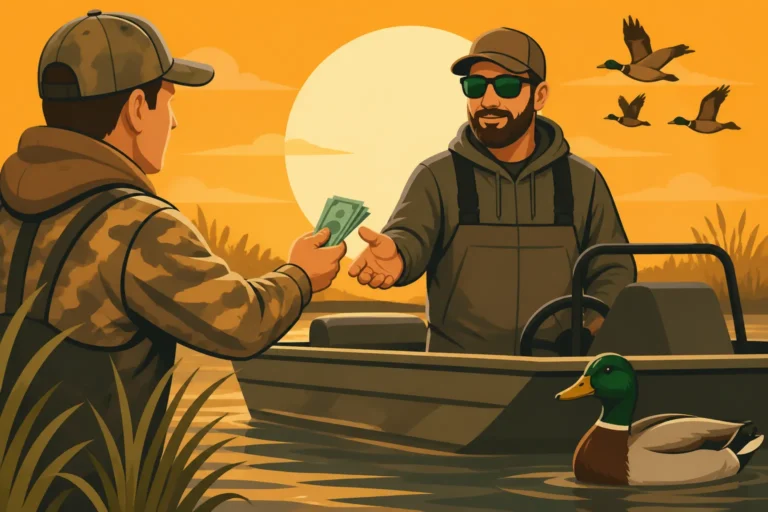
Tipping your guide is a standard practice in the hunting industry and a way to show your appreciation for their hard work, expertise, and dedication. Guides often work extremely long hours, in challenging conditions, to ensure their clients have a successful and enjoyable experience.
- How Much to Tip: A general guideline for a successful guided hunt is 15-20% of the total hunt cost. If your hunt was exceptional, or the guide went above and beyond (e.g., worked extra hard to find a specific size gator, was incredibly patient with a novice hunter, provided unexpected amenities), you might consider tipping more. For shorter, less expensive day hunts, a flat amount might be more appropriate if 15-20% seems low, but always err on the side of generosity if the service was excellent.
- When to Tip: It's customary to give your tip at the end of the hunt, usually after the animal has been handled and you've returned to the dock or lodge. Presenting it in cash is often preferred.
- Service vs. Success: While success is certainly a factor, the tip should primarily reflect the guide's effort, professionalism, and the quality of the experience, regardless of whether you harvested an alligator. Sometimes the hunting is tough, but a great guide makes the effort memorable. If you didn't harvest an alligator but the guide worked tirelessly and provided an excellent experience, a tip is still warranted. This is often covered in articles such as Tipping Guides and Boat Captains.
Additional Expenses (Licenses, Processing, Travel)
Beyond the guide's fee and tip, remember to budget for these other essential costs:
- Hunting Licenses: Even if your guide provides the alligator tags, you will still need to purchase a valid Louisiana hunting license, and potentially a Louisiana Alligator Hunter License and/or a Federal Duck Stamp if you plan to combine with waterfowl hunting. Check the Louisiana Department of Wildlife and Fisheries (LDWF) website for current requirements and costs, as these can change.
- Travel and Accommodation: Factor in the cost of getting to Louisiana, transportation to the meeting point for your guide, and any pre- or post-hunt accommodation not included in a package.
- Meat Processing: Unless explicitly included, the cost of skinning, butchering, and freezing the alligator meat will be an extra expense. This can vary based on the size of the alligator and the services you choose.
- Taxidermy: If you want a mount, skull, or other trophy, budget for these services. They are typically not included in the guide's fee and can add hundreds or even thousands of dollars depending on the scope of the taxidermy work.
- Shipping: If you're traveling from out of state and want to take meat or a hide home, consider the costs and logistics of shipping frozen meat or a properly prepared hide. Your guide or processor can often advise on this.
- Gear: If you need to purchase new waterproof gear, boots, insect repellent, or other personal items, factor that into your overall budget.
By taking a holistic view of all potential costs, you can plan effectively and avoid any unpleasant financial surprises, ensuring your Louisiana alligator hunt is everything you dreamed of.
Disclaimer
This article is for general informational purposes only and does not constitute professional advice. Laws, prices and regulations vary by location and change over time. Consult a qualified professional for guidance on your specific situation.