How Louisiana’s Ten Deer Areas Differ
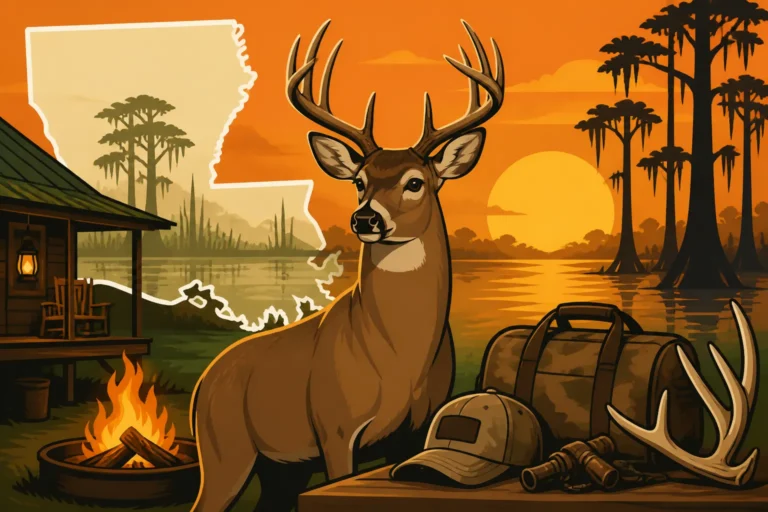
Anyone who's hunted deer in Louisiana for more than a season or two quickly realizes that "Louisiana deer hunting" isn't a single, uniform experience. Our state is a patchwork of incredibly diverse landscapes, from the piney woods of the north to the sprawling coastal marshes, and what works in one area might be utterly useless in another. This guide is all about breaking down exactly how Louisiana's ten distinct deer hunting areas differ, helping you understand the unique challenges and opportunities each one presents so you can plan your next hunt with confidence.
Understanding Louisiana's Deer Area System
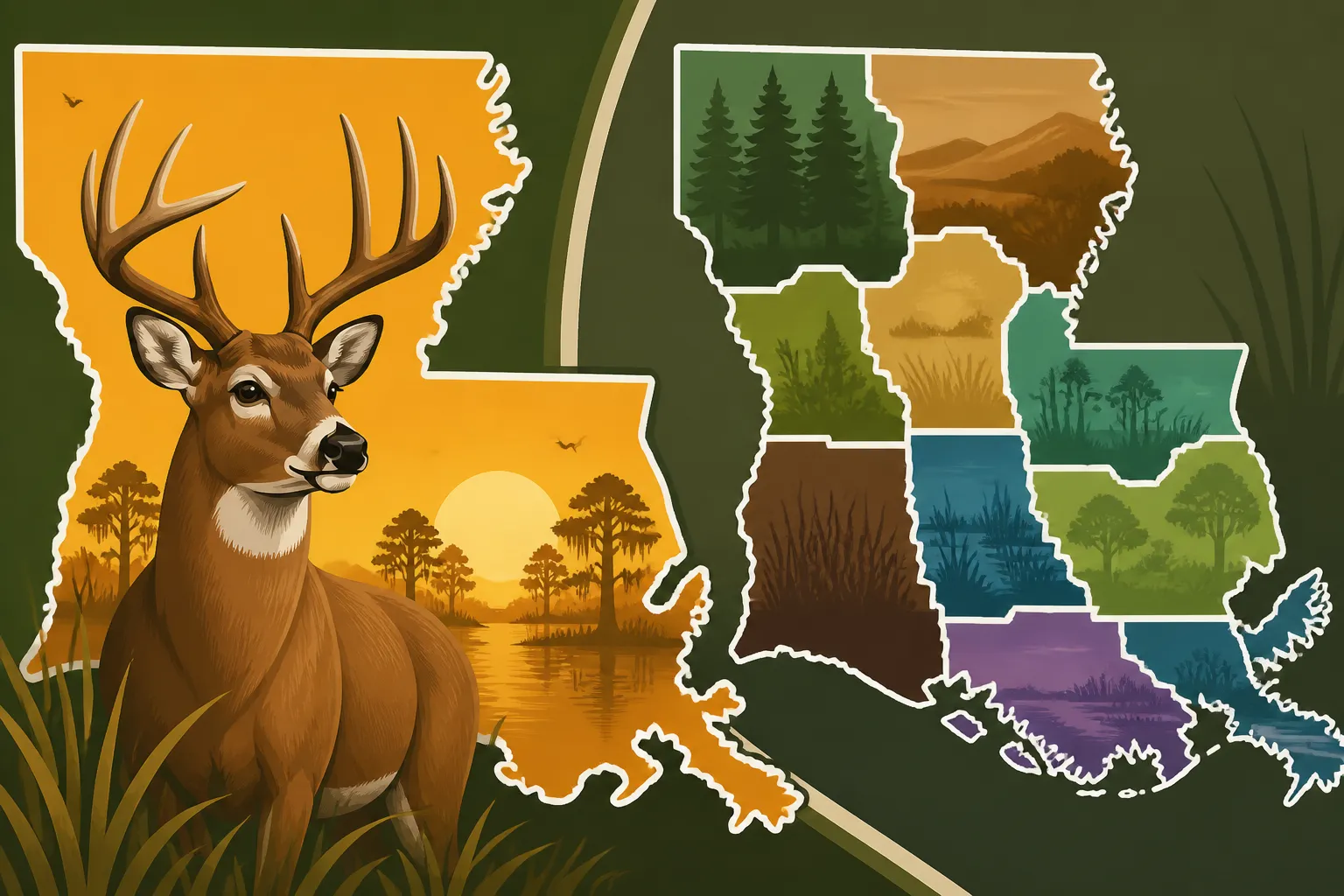
Louisiana's deer hunting landscape is meticulously managed by the Louisiana Department of Wildlife and Fisheries (LDWF), and a core part of that management involves dividing the state into ten distinct deer areas. This isn't just about drawing lines on a map; it's about recognizing the vastly different habitats, deer populations, and local traditions that exist across our great state. Each area has its own specific season dates, bag limits, and even antler restrictions sometimes, all tailored to the unique ecological conditions and deer herd health within that zone.
Why These Zones Matter So Much
Imagine trying to hunt an open rice field in southwest Louisiana with the same tactics you’d use in the dense bottomland hardwoods of the Tensas River Basin. It just wouldn't work, right? That's precisely why these deer areas are so crucial. They dictate everything from when archery season kicks off to how long you have to take an antlerless deer. Ignoring these distinctions can lead to frustration in the field, or worse, unknowingly violating regulations. Understanding the nuances of each area allows hunters to tailor their strategies, choose the right gear, and predict deer movement more accurately, making for a much more productive and enjoyable hunt. It's not just about compliance; it's about effective hunting.
Navigating Regulations Across Different Areas
The regulatory framework is the most immediate and impactful difference you'll encounter between areas. While the general state regulations provide a baseline, each area layer adds specific rules for things like opening day, primitive firearms seasons, and critical either-sex days. For instance, some areas might have an extended either-sex harvest period, while others are much more restrictive, especially on public lands. Checking the current year's hunting digest for your specific area is non-negotiable before heading afield. Tools like the LDWF app and online resources make it easier than ever to confirm the rules for the exact parish or WMA you plan to hunt, helping you avoid costly mistakes.
Deep Dive into Early-Start Deer Areas
Many of Louisiana's deer areas share a similar characteristic: they offer an earlier start to the deer season, typically kicking off archery season in early October and firearms season shortly thereafter. These areas are often characterized by specific habitats that support healthy deer populations, but also come with their own set of challenges, particularly when it comes to warmer weather hunting.
Areas 2, 3, 4: Piney Hills and Mixed Forests
Head to the north and central parts of the state, and you'll encounter Areas 2, 3, and 4. These regions are largely defined by their piney hills, interspersed with mixed pine-hardwood forests, especially along creek drainages and river bottoms. Think of the sprawling landscapes of Kisatchie National Forest, which falls within Area 2, or the rich, fertile soils along the Ouachita River in Area 3. Deer in these areas thrive on a diet that includes acorns, various browse, and planted agriculture in the interspersed farmlands. The terrain can be rolling and rugged in places, particularly in the Kisatchie Hills Wilderness, offering challenging yet rewarding hunting experiences. Hunters often find themselves navigating dense timber, clear-cuts, and the occasional open field. Understanding how to scout and locate game in these diverse habitats is key. Many hunters focus on finding natural funnels, identifying bedding areas, and paying close attention to food sources as they become available throughout the season.
The early start in these areas means hunters often face warm temperatures during the initial weeks. This can make deer movement more nocturnal, and post-shot recovery a race against the clock. Tactics often involve hunting early mornings and late evenings, focusing on water sources or shaded travel corridors. For those who embrace the early season, these areas provide ample opportunity. The general deer density by Louisiana area varies, but these regions typically boast strong populations capable of handling the longer seasons.
Areas 7, 8, 10: Florida Parishes and River Bottoms
Moving towards the southeast and northeastern corners, we find Areas 7, 8, and 10. These areas, particularly the Florida Parishes (Areas 7 and 8), are renowned for their fertile soils, excellent habitat, and a reputation for growing big bucks. The Florida Parishes, especially, are a prime example of why the Florida Parishes grow big bucks. They often feature a mosaic of bottomland hardwoods, pine uplands, and extensive agricultural fields, providing deer with abundant nutrition year-round. Area 10, in the northeast, also encompasses significant river bottomland along the Mississippi River, offering incredibly rich habitat.
The early-start nature of these areas aligns with the Hunting the Rut in the Early-Start Areas strategy, meaning hunters can capitalize on pre-rut and early rut activity if they plan their trips carefully. Due to the rich habitat and strong genetics, these areas are highly sought after by hunters looking for trophy-class deer. Public lands like Pearl River Wildlife Management Area in Area 8, or Red River Wildlife Management Area in Area 10, offer access to these productive environments, though they often see significant hunting pressure. Using mapping tools like those offered by GoHunt can provide invaluable insights into terrain features, property lines, and potential pinch points in these mixed agricultural and timbered landscapes. It's about knowing where the deer are likely to travel between bedding and feeding, and leveraging the varied terrain to your advantage.
Exploring the Long Either-Sex Window Areas
Not all deer areas are created equal when it comes to antlerless harvest opportunities. Some regions in Louisiana stand out for their significantly longer either-sex windows, allowing hunters more flexibility and increasing the chances of filling their freezer. These areas often have higher deer populations, or specific management goals that necessitate more liberal harvest regulations.
Areas 5 and 6: Coastal Marsh and Agricultural Mix
When you hear "Areas 5 and 6," picture the vast, unique landscapes of southwest Louisiana. These zones stretch across the coastal prairie, marsh, and interspersed agricultural fields, particularly rice and sugarcane. This is a truly distinct environment where deer have adapted to life on ridges, levees, and small islands of higher ground amidst the wetlands. While not typically known for massive trophy bucks, these areas sustain robust deer populations, making the generous either-sex regulations a crucial management tool. The long either-sex window in Areas 5 and 6 is a prime example of Hunting the Long Either-Sex Window in Areas 5, 6 and 9.
Hunting in the coastal marsh presents unique challenges: navigating by boat, dealing with high tides, and spotting deer in dense cane or sparse marsh grasses. However, the opportunity to harvest deer, particularly does, is excellent. Many hunters combine these deer hunts with waterfowl hunting, taking advantage of the diverse game opportunities in parishes like Cameron and Vermilion. Understanding the specific land features, like spoil banks from canals or natural ridges, is vital here, as these often serve as primary travel corridors and bedding areas for deer.
Area 9: The Atchafalaya Basin
Area 9 is synonymous with the legendary Atchafalaya Basin, one of the largest river swamps in the United States. This area is an ecological marvel and a truly wild place to hunt, characterized by cypress-tupelo swamps, hardwood bottoms, and a maze of bayous, sloughs, and lakes. Deer in the Basin are incredibly resilient, constantly adapting to fluctuating water levels that reshape their habitat throughout the year. The long either-sex window here reflects the healthy deer population, which can be challenging to access and harvest due to the dense cover and often inundated terrain.
Hunting the Atchafalaya Basin is an adventure in itself, often requiring boat access, elevated stands, and a keen understanding of Wind and Thermals in Swamp Bottomland. Deer here often bed on higher ground, like natural levees or cypress hammocks, and their movement is heavily influenced by water levels. When water is high, deer are concentrated on the remaining dry ground; when it's low, they have more access to the vast acreage of the Basin. For an in-depth look, consider topics like Where Atchafalaya Basin Bucks Bed to better understand these elusive animals. A successful hunt here often means a deep dive into the remote reaches, requiring meticulous planning and navigation skills.
Area 1: The Unique Northern Tier
Area 1 stands apart from the rest of Louisiana's deer areas. Located in the northwestern corner of the state, it's a region steeped in hunting tradition, particularly when it comes to deer drives and the use of hunting dogs. While dog hunting is a polarizing topic for some, it's a deeply ingrained part of the culture in this specific area.
Dog Hunting Traditions and No-Dog Windows
Area 1 is the primary zone where organized dog hunting for deer is a prevalent and legal practice, primarily on private lands. This tradition involves teams of hunters strategically posting along escape routes while others push deer through cover with trained hounds. It's an exciting, fast-paced method that's a world away from still-hunting or stand hunting. However, even within Area 1, there are specific "no-dog windows" designated by the LDWF. These periods are put in place to allow still-hunters and those preferring a more solitary experience to hunt without the disturbance of dog packs.
These dog and no-dog windows are a critical distinction for hunters in Area 1. If you're planning a trip to this region, you absolutely must be aware of the current season dates and specific rules for dog hunting. Public lands within Area 1, such as specific WMAs, may have their own unique restrictions regarding dog use, so always double-check. GoHunt's property line and public land mapping features can be incredibly useful here for understanding where these traditions are active and where still-hunting opportunities might exist.
Pressure and Public Land Considerations
Given the population centers in the northern part of the state and the popularity of deer hunting, Area 1 can experience significant hunting pressure, especially on public lands like the various Wildlife Management Areas. The combination of early season dates and different hunting methods means that deer can be more wary and pattern-shy.
For hunters venturing onto public land in Area 1, tactics often need to be adapted. This might mean getting further off the beaten path, utilizing thick cover that other hunters avoid, or focusing on areas less accessible. Topics like Hunting Pressure on Louisiana Public Land and Finding Ground Others Walk Past are highly relevant here. Patience, stealth, and a willingness to put in the extra miles are often rewarded in pressured environments. Scouting well before the season, utilizing aerial photos to identify remote pockets of habitat, and understanding deer movement patterns in response to hunting activity are crucial strategies for success in Area 1.
Key Factors Influencing Deer Behavior in Each Area
Deer are creatures of habit, but their habits are profoundly shaped by their environment. The unique characteristics of each Louisiana deer area—from its dominant habitat type to the specific timing of the rut—play a huge role in how deer live, feed, and reproduce. Understanding these ecological drivers is fundamental to becoming a more effective hunter.
Habitat Differences and Food Sources
Louisiana's deer areas are ecosystems unto themselves, each offering a distinct palette of flora that forms the deer's diet. In the piney hills of Area 2, deer might browse on young pine shoots, muscadine vines, and a variety of forbs, supplementing this with acorns when available. Over in the rich bottomlands of Area 3 or the Florida Parishes (Areas 7, 8), mature hardwood forests provide an abundance of acorns from various oak species, which can be a primary food source, especially in good mast years. Along the coast in Areas 5 and 6, deer might rely more on marsh grasses, agricultural crops like rice stubble, and browse from brushy thickets on higher ground.
The availability and type of food sources dictate where deer spend their time, how much they move, and even their body condition and antler growth. A poor acorn year in the bottomlands might push deer into agricultural fields or force them to rely more heavily on browse. Conversely, a bumper crop of acorns can keep deer concentrated in specific timber blocks. Seasonality is key: early season might see deer focused on lush green browse, while late season often finds them seeking out remaining acorns, winter food plots, or agricultural gleanings. For deeper insights, exploring articles like Late-Season Food Sources for Louisiana Whitetails can be incredibly beneficial.
Rut Timing and Breeding Peaks
Perhaps one of the most significant differences between Louisiana's deer areas is the timing of the rut. Unlike northern states where the rut is often a predictable, statewide phenomenon, Louisiana's breeding cycle can vary by weeks, even months, from one area to another. This is primarily influenced by latitude, genetics, and historical environmental factors. For example, some areas, particularly in the south (like parts of Areas 5 and 6), might see the rut peak as late as January or even February, while others, such as portions of the Florida Parishes (Areas 7 and 8), experience their peak breeding activity in November or early December.
Knowing the precise rut timing for your specific hunting area is paramount. During the peak rut, bucks are actively seeking does, often moving more during daylight hours and exhibiting aggressive behavior. This is often the best time to employ calling strategies like rattling and grunting. Conversely, hunting outside the rut means focusing more on food sources, bedding areas, and travel corridors. Resources that detail When the Louisiana Rut Peaks by Area are indispensable for timing your hunts to coincide with peak buck activity. Whether you're hunting the intense, short rut of an early-start area or the prolonged, drawn-out rut of a coastal zone, understanding this critical biological event will dramatically influence your success.
Making the Most of Your Hunt in Any Louisiana Deer Area
No matter which of Louisiana's diverse deer areas you choose to hunt, success often comes down to preparation, adaptability, and a deep understanding of the local environment. It's not just about showing up; it's about being strategically ready for what that specific area demands.
Scouting Strategies Tailored to Each Zone
Scouting is the cornerstone of any successful hunt, but the "how-to" changes dramatically based on the deer area. In the dense piney woods of Area 2, scouting might involve extensive walking to locate scrape lines along a logging road or finding old clear-cuts that offer thick bedding cover. You might focus on identifying ridge-top saddles for rutting bucks. For hunters in the expansive Atchafalaya Basin (Area 9), scouting becomes a water-based endeavor, focusing on identifying natural levees, cypress hammocks, and changes in water levels that concentrate deer. Reading the mud for fresh deer movement along bayou banks is crucial here.
In agricultural zones like parts of Areas 5, 6, 7, and 10, scouting involves identifying entry routes through standing soybeans or hunting a standing cornfield. Utilize aerial photos and mapping software like GoHunt before you ever step foot on the property. These tools can reveal hidden creek beds, subtle elevation changes, and isolated cover that might otherwise go unnoticed. Don't underestimate the power of Scouting Louisiana Public Land Before Season – understanding the lay of the land, identifying potential food sources, and recognizing historical travel patterns will give you a significant edge.
Gear Considerations for Diverse Louisiana Terrain
Your gear list should be as varied as Louisiana's deer areas. A hunter heading into the swampy depths of the Atchafalaya Basin will need different equipment than someone still-hunting a pine plantation. In the Basin, waterproof clothing, knee boots or waders, and a reliable boat with a shallow-running motor are essential. Treestands often need to be adaptable to trees growing in water, or able to be set up on drier patches of ground. Think about how you'll recover a deer from a basin slough.
For hunters in the warmer early-start areas, lighter clothing that wicks moisture is crucial, as are scent control strategies. Bug spray is a constant companion across almost all areas, particularly in the early season. When hunting the piney hills, sturdy hiking boots are a must, and a lightweight, portable stand might be preferred over a heavy ladder stand that's difficult to transport through rugged terrain. Consider the type of primitive firearm legal for your chosen area, or if crossbow rules during Louisiana archery season apply. Having the right gear isn't just about comfort; it's about safety, efficiency, and maximizing your time in the field, no matter what Louisiana throws at you.
Here's a quick reference to help differentiate Louisiana's deer areas:
| Deer Area | Primary Habitat Type | Key Features | Rut Timing (Peak) | Either-Sex Window | Common Challenges |
|---|---|---|---|---|---|
| 1 | Mixed pine-hardwood, farmland | Dog hunting tradition, public land | Mid-Nov to Early Dec | Moderate | Pressure, dog activity |
| 2 | Piney hills, mixed forest | Kisatchie National Forest, rolling | Mid-Nov | Moderate | Rugged terrain, warm early season |
| 3 | Bottomland hardwoods, farmland | Mississippi/Ouachita River bottoms | Early-Mid Nov | Moderate | Flooding, access |
| 4 | Piney woods, mixed forest | Central LA, diverse | Mid-Nov | Moderate | Warm early season, logging activity |
| 5 | Coastal marsh, agricultural | Rice fields, levees, high tides | Mid-Dec to Late Jan | Long & Liberal | Water access, marsh navigation |
| 6 | Coastal marsh, agricultural | Sugarcane, bayous, thickets | Mid-Dec to Late Jan | Long & Liberal | Water access, thick cover |
| 7 | Florida Parishes, bottomland | Fertile soils, big bucks, agriculture | Early-Mid Nov | Moderate | High demand, private land access |
| 8 | Florida Parishes, mixed forest | Pearl River WMA, mixed habitat | Early-Mid Nov | Moderate | High demand, public land pressure |
| 9 | Atchafalaya Basin, swamp | Cypress-tupelo, fluctuating water | Late Dec to Early Feb | Long & Liberal | Boat access, water levels, remoteness |
| 10 | River bottom, agricultural | Northeast LA, Tensas Basin proximity | Early-Mid Nov | Moderate | Flooding, thick cover |
Disclaimer
The information provided in this guide is for general informational purposes only and does not constitute legal advice. Hunting regulations and seasons are subject to change. Always consult the official Louisiana Department of Wildlife and Fisheries (LDWF) hunting regulations digest for the current year before engaging in any hunting activities. Adherence to all local, state, and federal laws is the hunter's responsibility.