Louisiana Deer Hunting Area by Area
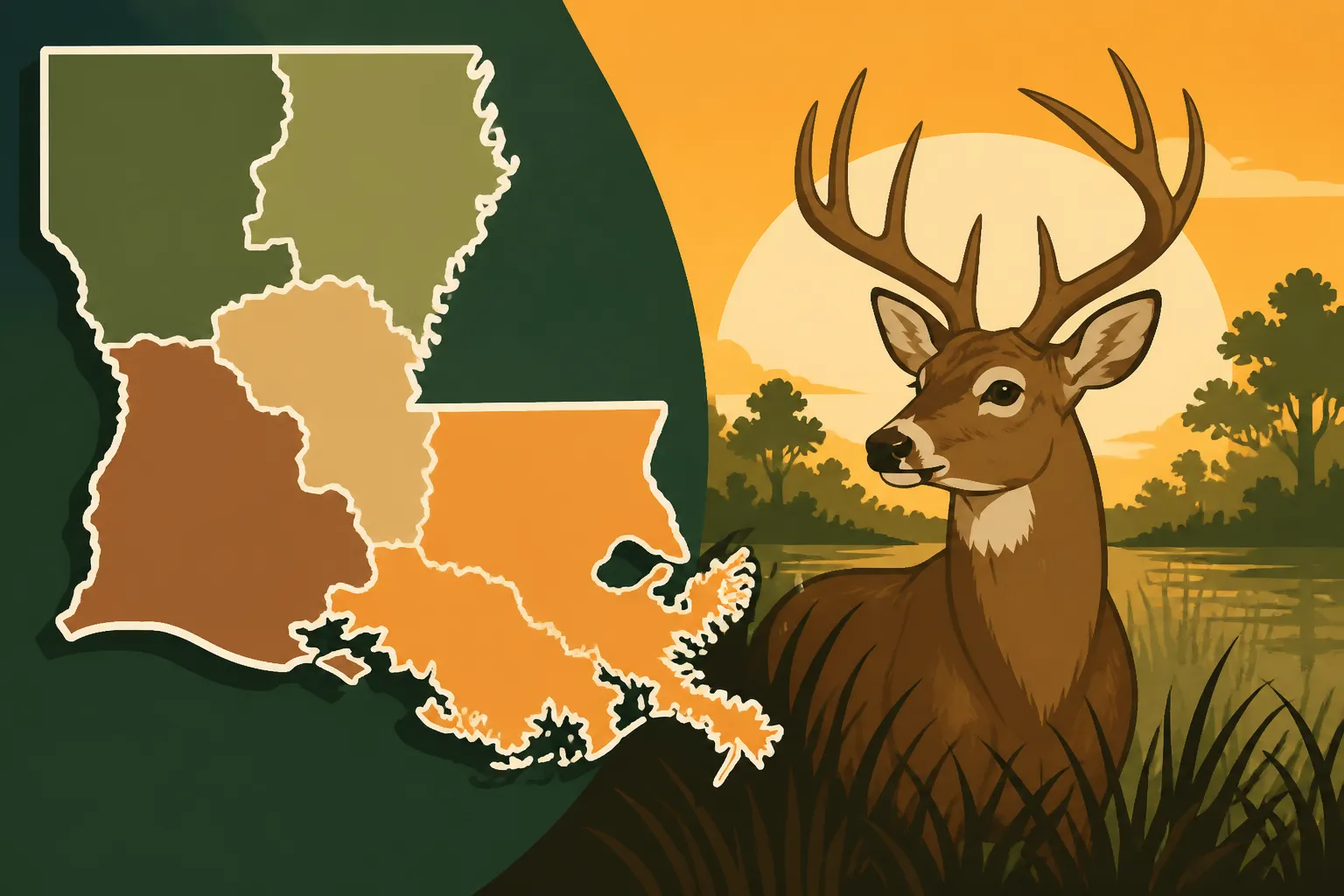
Navigating Louisiana's deer hunting landscape can feel like trying to solve a complex puzzle, especially with the state split into ten distinct deer areas, each boasting its own unique season dates, bag limits, and even antler regulations. It’s enough to make even a seasoned hunter scratch their head and wonder where to even begin planning their season. This comprehensive guide is here to untangle that complexity, breaking down the specific characteristics and hunting opportunities in each of Louisiana's deer hunting areas so you can approach your next hunt with confidence and a clear strategy.
Understanding Louisiana's Deer Hunting Area System
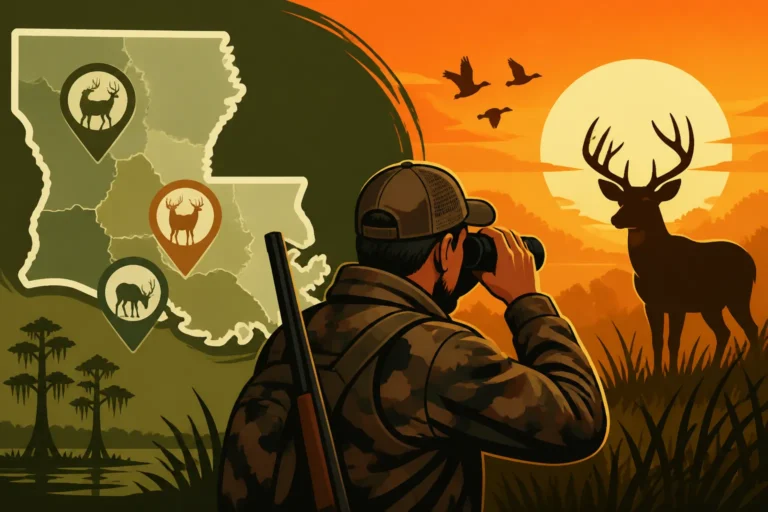
Louisiana's deer hunting areas aren't just arbitrary lines on a map; they're the result of careful wildlife management designed to address the diverse habitats, deer populations, and hunting pressure found across the state. From the deep swamps of the Atchafalaya Basin to the rolling pine hills and coastal prairies, each region presents its own set of challenges and rewards. The Louisiana Department of Wildlife and Fisheries (LDWF) implements these zones to ensure sustainable harvest, manage herd health, and offer varied hunting experiences. Ignoring these distinctions can lead to frustration, missed opportunities, or even legal issues, making a clear understanding absolutely essential for any serious deer hunter in the Bayou State.
Why Louisiana Divides Deer Zones
The primary reason for dividing Louisiana into specific deer areas is habitat diversity. Think about it: a deer herd in the vast, open coastal marsh faces entirely different environmental pressures and food sources than one living in the dense bottomland hardwoods of the Mississippi Delta, or the pine plantations of North Louisiana. These differences affect everything from deer size and antler growth to breeding cycles and population density. By tailoring season structures and bag limits to these specific ecological conditions, the LDWF can more effectively manage each regional herd, preventing overharvest in some areas while allowing for more liberal harvest in others where populations are robust or management goals require it. This localized approach allows for finer-tuned management that benefits both the deer and the hunters.
How Areas Influence Seasons and Bag Limits
Each deer area dictates specific opening and closing dates for archery, primitive firearms, and modern firearms seasons. What might be an either-sex day in one area could be a bucks-only day just a parish over. This isn't just about scheduling; it’s about aligning hunting pressure with the local deer population's reproductive cycles and overall health. For instance, areas with higher deer densities or a need to manage doe populations might have longer either-sex windows, allowing hunters more opportunities to harvest does and balance the herd’s sex ratio. Conversely, areas where the herd is still recovering or exhibiting specific management needs might have shorter windows or stricter buck-only periods. Understanding these localized rules is crucial, as violating them, even unintentionally, can result in significant penalties. It’s always best practice to consult the most current LDWF hunting regulations pamphlet and even use mapping tools like GoHunt to double-check boundaries and dates right from your phone before heading afield.
Deer Area 1: The Heart of Piney Hills and Tradition
Deer Area 1 covers a significant portion of North Louisiana, characterized by its rolling pine hills, mixed pine-hardwood forests, and agricultural lands. This area has a long and storied history of deer hunting, with many families passing down traditions through generations. The terrain can be quite varied, from steep ridges and hollows in places like Kisatchie National Forest to flatter, more open timberland and farm country. Hunters here often encounter a mix of private timber company lands, smaller private parcels, and significant public hunting opportunities.
Understanding the Season Structure in Area 1
Area 1 typically offers one of the longer archery seasons, kicking off earlier than some other parts of the state. This extended archery period is a blessing for bowhunters, providing ample opportunity to get out before the firearms seasons bring increased pressure. When the primitive firearms season rolls around, it often precedes the general firearms opener, offering another valuable window for hunters using black powder rifles or single-shot breechloaders. The modern firearms season then begins, usually with a period of bucks-only hunting, followed by either-sex days that are critical for herd management. Unlike some areas that might have a continuous either-sex window, Area 1's structure can be more segmented, so paying close attention to the specific dates for bucks and does is paramount. Many hunters in this region also participate in Deer Drives With Three or Four Hunters during firearms season, a traditional tactic to push deer out of thickets.
Tactics for Success in Area 1's Diverse Terrain
Hunting success in Area 1 often hinges on understanding how deer utilize the varied landscape. In the pine hills, deer will frequently travel ridges and transition zones between different timber types, seeking cover and food. Scouting for rub lines, scrape lines, and well-worn trails along these features can be highly effective. During the early season, focusing on natural food sources like acorns or persimmons, as well as green fields planted on private lands, is key. As the rut approaches, understanding When the Louisiana Rut Peaks by Area becomes crucial, as bucks will be more actively seeking does. Public land hunters might find success by getting off the beaten path, walking further into the timber, or utilizing areas with thicker cover that other hunters overlook. For those hunting in or around Kisatchie National Forest, understanding Treestand Setups in Kisatchie National Forest can make a huge difference, as the topography can be challenging. A solid mapping app can be invaluable here, helping you identify subtle terrain features that act as deer highways.
Deer Areas 3, 7, 8, and 10: Central and North Louisiana's Diverse Landscapes
These grouped areas represent a broad swath of Central and North Louisiana, encompassing a mix of river bottoms, agricultural fields, pine forests, and mixed hardwoods. While each area has its unique characteristics, they often share similar season structures and management objectives, particularly with their earlier firearms season starts. Area 3, for example, stretches across parishes known for their productive agriculture and river bottom habitats, while Area 10 includes parts of the Red River Valley, renowned for its fertile soils and potential for growing large-bodied deer.
Early Season Opportunities in These Zones
One of the standout features of Areas 3, 7, 8, and 10 is their generally earlier opening dates for the modern firearms season. This "early start" can be a double-edged sword: it offers hunters the first crack at deer, but it also means dealing with potentially warmer weather conditions. Hunters targeting these areas need to be prepared for the challenges of early season hunting in Louisiana, which often means strategizing around late-summer food sources that are still abundant. Scouting before the season, perhaps using tools from GoHunt to identify potential food plot locations or natural browse, can give you a significant advantage. It's also worth noting that the earlier firearm pressure might push deer into thicker cover sooner than in areas with later openings. For those looking for those first opportunities, understanding Hunting the Early-Start Deer Areas will be extremely helpful.
Navigating River Bottoms and Agricultural Edges
These areas are frequently characterized by significant river systems and extensive agricultural operations. Deer in these regions often rely heavily on the food sources provided by cultivated fields, such as soybeans, corn, and winter wheat. Hunting the edges of these fields, particularly where they meet dense timber or swampy bottoms, can be highly productive. During the rut, bucks will often cruise these edges looking for does. However, hunting these areas requires careful consideration of wind direction and entry/exit routes to avoid spooking deer that are feeding in the open. The river bottoms themselves offer incredible cover and sometimes difficult access, making them prime spots for mature bucks. Learning to read river banks and bottomland characteristics for deer sign is a skill that pays dividends here. Public lands within these areas, such as some Wildlife Management Areas (WMAs), can offer excellent hunting, but they often require specialized tactics to navigate challenging terrain and potentially higher hunter density.
Deer Areas 5, 6, and 9: The Long Haul in the Southwest and Southeast
Areas 5, 6, and 9 stretch across the southern and southeastern parts of Louisiana, encompassing incredibly diverse habitats including coastal marshes, vast pine forests, cypress-tupelo swamps, and the famed Florida Parishes. What often sets these areas apart is their remarkably long deer hunting seasons, particularly the extensive either-sex windows. This extended season provides hunters with numerous opportunities, from early archery all the way through the late winter months.
Maximizing the Long Either-Sex Window
The sheer length of the hunting season in Areas 5, 6, and 9, with their often continuous either-sex windows, is a major draw for many Louisiana hunters. This allows for flexible hunting plans, multiple trips, and ample opportunity to fill freezers and manage local deer populations effectively. Hunters in these areas have the luxury of adapting their strategies to changing weather patterns, food availability, and rutting activity throughout the season. Whether it's early season archery, mid-season primitive firearms, or late-season modern firearms, there's a window to hunt. Understanding Hunting the Long Either-Sex Window in Areas 5, 6 and 9 is paramount for making the most of these extended opportunities. This allows hunters to focus on different aspects of deer behavior throughout the season, from early-season patterns to late-season food sources.
Diverse Habitats: From Marsh to Pine to Hardwood
The habitats within Areas 5, 6, and 9 are incredibly varied, demanding a flexible approach from hunters. Area 5, for example, includes vast stretches of coastal marsh, where deer often congregate on higher ground or along natural ridges within the wetland mosaic. Hunting here can involve boat access and specialized knowledge of marsh patterns. Area 6, encompassing the Florida Parishes, is renowned for its pine forests, mixed woodlands, and fertile soils, which contribute to the potential for growing larger bucks. Many hunters specifically target Why the Florida Parishes Grow Big Bucks in this region due to consistent nutrition and good age structures. Area 9, covering much of the southeastern river parishes, includes extensive bottomland hardwoods and cypress swamps, presenting unique challenges and rewards for those willing to brave the dense cover and often wet conditions. Regardless of the specific terrain, successful hunters in these areas will focus on identifying key travel corridors, bedding areas, and seasonal food sources. Knowing the local Deer Density by Louisiana Area can also help set expectations for harvest opportunities.
Navigating Regulations and Seasons Across Areas
Understanding the overarching regulatory framework is just as critical as knowing the specific area rules. Louisiana’s hunting regulations are designed to be comprehensive, ensuring safety, sustainability, and fair chase. This includes everything from licensing requirements to specific equipment rules for different seasons and mandatory reporting procedures. Ignoring any of these can lead to legal complications, so taking the time to truly grasp the regulations is an investment in your hunting future.
Louisiana Deer Reporting Requirements and CWD Zones
One of the most crucial and sometimes overlooked aspects of Louisiana deer hunting is the mandatory harvest reporting. Every deer harvested, regardless of whether it's on private land or a WMA, must be reported to the LDWF within 72 hours. This can typically be done via their mobile app or online portal. This data is vital for wildlife biologists to monitor herd health, harvest numbers, and inform future management decisions. Additionally, hunters must be keenly aware of Louisiana's Chronic Wasting Disease Zones. CWD is a serious neurological disease affecting deer, and specific parishes, particularly those in the northeast, have been designated as CWD Management Zones. These zones come with strict regulations regarding carcass movement, baiting, and mandatory CWD testing. Hunters harvesting deer within these zones need to familiarize themselves with these additional rules to help prevent the spread of this devastating disease.
License Requirements and Primitive Firearms Rules
Before you even step foot in the woods, you'll need the proper licenses. Every hunter, resident or nonresident, must possess a valid hunting license, often with additional tags for deer and other species. Information on Louisiana Hunting Licenses and What They Cost is readily available through the LDWF. Beyond the basic license, special regulations apply to specific hunting methods. For instance, the primitive firearms season has strict definitions of what constitutes a legal primitive weapon. This usually includes muzzleloaders, single-shot breach-loading rifles (often chambered in larger calibers like .35 Whelen or .45-70), and certain shotguns. Modern inline muzzleloaders are generally permitted, but there are often restrictions on optics and bullet types. Crossbows also have specific rules, typically falling under the archery season, but with certain considerations. Always consult the official LDWF regulations to ensure your gear meets the criteria for the season you're hunting.
Strategy for Success in Different Louisiana Deer Areas
While the regulations provide the framework, successful deer hunting in Louisiana requires adapting your strategy to the specific area you're in. What works in a sprawling pine plantation won't necessarily translate to a flooded cypress swamp, and understanding these nuances is what separates consistent hunters from those who only get lucky. It's about combining knowledge of deer behavior with an intimate understanding of the local environment.
Adjusting Tactics for Habitat and Pressure
Different deer areas present different habitat types, which in turn dictate different deer behaviors and effective hunting tactics. For instance, in the dense, often wet environments of the Atchafalaya Basin or coastal swamps, deer might utilize higher ground for bedding and travel along subtle ridges, bayou banks, or old logging roads. Here, tactics like still-hunting slowly through cover or setting up on pinch points between water bodies can be highly effective. If you're going after Hunting Atchafalaya Basin Swamp Deer, boat access and waterproof gear are often necessities. In contrast, areas dominated by pine timber or open farm country might call for long-range glassing, hunting field edges, or identifying bedding cover within vast clear-cuts or thickets. The key is to observe the habitat and deduce how deer are using it for food, cover, and travel. Public lands, like many Louisiana Wildlife Management Areas, often see higher hunter pressure, meaning deer are more wary and nocturnal. This often requires getting further away from access points or focusing on mid-week hunts.
Adapting to the Rut by Area
The timing of the deer rut, the breeding season, varies significantly across Louisiana. This is a critical piece of information for any deer hunter, as buck behavior changes dramatically during this period, making them more vulnerable. While general guidelines exist, the peak of the rut can differ by several weeks or even a month from one deer area to another, and even within specific parishes. For example, the rut in the Florida Parishes (part of Area 6) tends to occur earlier in the fall, while some areas in the southwest might see peak breeding later in the winter. This means that a tactic like rattling or grunt calling, which might be highly effective during the peak rut in one area, could be completely useless if attempted at the wrong time in another. Knowing Hunting the Rut in the Early-Start Areas versus Hunting the Rut in the Long-Window Areas is essential for timing your most aggressive tactics. Consulting LDWF data or local insights for When the Louisiana Rut Peaks by Area will provide the most accurate information to plan your hunts around this crucial period.
Special Considerations for Public Land Hunters
Louisiana boasts a surprising amount of public hunting land, from expansive Wildlife Management Areas (WMAs) to sections of Kisatchie National Forest and National Wildlife Refuges. While these offer incredible opportunities, they come with their own unique set of rules, challenges, and increased hunter competition. Successfully hunting public land in Louisiana is a skill in itself, often requiring more effort and adaptability than private land hunting.
WMA Rules and Quota Hunts
Each of Louisiana's WMAs has its own specific set of rules that can deviate significantly from the general statewide regulations for a particular deer area. These WMA-specific rules cover everything from hunting dates, weapon restrictions, and bag limits to ATV usage, camping, and even whether dogs are allowed for deer hunting. Many WMAs also implement quota hunts, which require hunters to apply for a limited number of permits through a lottery system. These hunts are often highly sought after due to lower hunter density and potentially better deer quality. For WMAs, checking the individual WMA regulations is not just recommended, it’s mandatory. The LDWF website and app are excellent resources for this. For example, some WMAs in the Tensas River Basin might have different rules regarding deer drives or stand placement compared to those in the piney hills. Knowing these rules is a non-negotiable part of responsible public land hunting.
Scouting and Pressure Management on Public Land
Public lands, by their very nature, are accessible to everyone, which often translates to higher hunter pressure, especially during opening weekends and peak rut. This pressure pushes deer into thicker cover and often makes them more nocturnal. Therefore, effective scouting is paramount for public land success. Utilizing aerial maps, topographic maps, and tools like the GoHunt app to identify remote areas, hard-to-reach pockets of cover, and potential travel corridors where deer can avoid pressure is key. Look for natural funnels, pinch points, and areas with unique food sources that might not be immediately obvious. Scouting Louisiana Public Land Before Season isn't just a good idea; it's often the difference between success and frustration. Don't be afraid to walk further, explore deeper, and invest the time to find areas that other hunters might overlook. Often, just a few hundred yards off a main trail can put you in productive, less-pressured territory.
Gear and Preparations for Multi-Area Hunting
Given the sheer diversity of Louisiana's deer hunting areas, a "one-size-fits-all" approach to gear and preparation simply won't cut it. A hunter planning to chase deer from the steamy early season in Area 3 to a cold, late-season hunt in the coastal marsh of Area 5 will need a versatile setup and meticulous planning. This isn't just about your weapon; it's about clothing, navigation, recovery tools, and even how you manage your harvest in varying conditions.
Versatile Clothing and Navigation Tools
Louisiana weather is notoriously unpredictable, often swinging from warm and humid to cold and damp within a single day, especially during the longer deer seasons. Layering is your best friend. Lightweight, moisture-wicking base layers are essential for early season warmth, while waterproof and insulated outer layers become critical as winter approaches. Consider packing rain gear no matter the forecast. Footwear is also crucial; knee-high rubber boots are practically a uniform for many Louisiana hunters, offering protection against mud, water, and snakes.
For navigation, a reliable GPS unit or a smartphone with a robust hunting app like GoHunt is invaluable. These tools allow you to pinpoint your location, mark stand sites, track deer, and navigate back to your vehicle, even in the densest cover. They can also help you understand property lines and stay compliant with public land boundaries. Having a backup physical compass and map is always a smart move, especially if you venture into areas with spotty cell service.
Equipment for Diverse Hunting Scenarios
Your hunting equipment needs to adapt to the terrain and season. If you're hunting river bottoms or swamps, a sturdy climbing stand or a lightweight hang-on stand that can be easily transported by boat or through thick brush might be ideal. For open pine forests or agricultural edges, a ground blind can offer concealment and flexibility. When considering Using a Ground Blind on Louisiana Public Land, be sure to check WMA rules, as some have specific guidelines. Primitive firearms hunters will need to ensure their chosen firearm and ammunition meet the specific requirements for that season, including minimum caliber for a primitive firearms rifle. For archery hunters, a reliable bow, sharp broadheads, and perhaps even a crossbow (checking Crossbow Rules During Louisiana Archery Season is vital) will be part of the arsenal. Don't forget game recovery tools like strong ropes, a game cart (if terrain allows), and a sharp knife, especially since dragging a deer out of a swamp can be a monumental task.
Louisiana Deer Area Summary Table
To help visualize the distinct characteristics of Louisiana's diverse deer hunting zones, here's a general overview of key aspects for each grouping. Keep in mind that specific dates and rules always require consulting the current LDWF regulations.
| Deer Area Grouping | Primary Habitats | Typical Season Start (Firearms) | Key Opportunity | Rut Timing (General Peak) | Public Land Availability |
|---|---|---|---|---|---|
| Area 1 | Pine Hills, Mixed Forest, Agriculture | Early-Mid November | Extended Archery | Mid-November to Early December | Good (Kisatchie NF, WMAs) |
| Areas 3, 7, 8, 10 | River Bottoms, Agriculture, Pine | Late October – Early November | Early Firearms Access | Mid-Late November | Moderate (WMAs, NWRs) |
| Areas 5, 6, 9 | Coastal Marsh, Pine, Swamp, Hardwood | Mid-November – Early December | Very Long Either-Sex Window | Early November – Early January (varies widely) | Excellent (WMAs, Refuges) |
This table provides a snapshot, but the real depth of understanding comes from diving into the detailed LDWF regulations for each specific area and planning your scouting and hunting trips accordingly.
Disclaimer
The information provided in this guide is for general informational purposes only and is not a substitute for the official regulations issued by the Louisiana Department of Wildlife and Fisheries (LDWF). Hunting regulations, season dates, and zone boundaries can change frequently. Always consult the most current official LDWF hunting regulations pamphlet or their website before planning and engaging in any hunting activities. It is the hunter's responsibility to know and obey all applicable laws and regulations.