Donating Venison in Louisiana
As hunters, we often find ourselves blessed with a freezer full of venison after a successful season. But what happens when your freezer is overflowing, or you simply want to give back to the community that supports our hunting traditions? Many Louisiana hunters feel a deep connection to providing healthy, wild game meat, and donating that venison is a fantastic way to extend the bounty of the outdoors to those in need. This guide will walk you through the practical steps and considerations for donating venison in Louisiana, ensuring your generous contribution makes it to hungry families safely and effectively.
Why Donating Venison Matters in Louisiana
Let's be real, putting meat on the table is one of the oldest, most fundamental reasons we hunt. But sometimes, a successful season means you've got more venison than your family can reasonably consume, or maybe you're just looking for a way to give back. Donating venison isn't just about clearing out freezer space; it's a powerful way to address food insecurity right here in our Louisiana communities, offering a lean, healthy protein source that many wouldn't otherwise have access to.
Addressing Food Insecurity Locally
In a state like Louisiana, where community and caring for your neighbors run deep, the idea of sharing your harvest resonates strongly. There are countless families struggling with food insecurity, and every pound of venison donated can make a real difference. Think about it: a single deer can yield a significant amount of meat, often fifty pounds or more of boneless protein. That's enough to feed numerous meals to individuals and families who are facing tough times. It's a direct, tangible way for hunters to contribute to the well-being of their local area, extending the hunt's impact far beyond the woods or marsh.
This isn't just a feel-good gesture; it's a practical solution. Venison is an excellent source of lean protein, low in fat and packed with nutrients. For organizations providing meals, having access to such a high-quality, natural food item is incredibly valuable. It diversifies the diet of recipients and provides a healthy alternative to more processed foods. It truly connects the harvest to the plate in a meaningful way for those who need it most.
The Hunter's Ethical Responsibility
For many of us, hunting isn't just a pastime; it's a deep-seated part of our identity, steeped in tradition and an ethical understanding of the natural world. Part of that ethical framework is respecting the animal, making a clean harvest, and utilizing as much of the animal as possible. When you successfully take a deer, you've removed an animal from the landscape, and with that comes a responsibility to honor that life. Donating excess venison is a powerful extension of this ethical commitment.
It transforms a personal harvest into a communal benefit. Instead of meat potentially going unused or being wasted, it becomes a lifeline for others. This act of giving also reflects incredibly well on the hunting community as a whole. In a time when hunting faces scrutiny, demonstrating our commitment to conservation and community welfare through venison donation programs highlights the positive impact hunters have. It shows that we are responsible stewards of the land and generous members of society, using our skills and resources to help those around us. It's a way to truly live out the "fair chase" ethic, ensuring the animal's life serves its fullest purpose.
Finding a Program: Who Accepts Venison in Louisiana?
So, you've got venison, and you're ready to share the bounty. That's fantastic! The next step is figuring out where to take it. Unlike just dropping off canned goods, donating wild game requires a bit more coordination due to food safety regulations and processing needs. Not every food bank or charity is equipped to handle raw, unprocessed deer meat, so calling ahead is absolutely crucial.
State and Local Programs for Hunters
Louisiana has a few avenues for venison donation, and the landscape can change slightly, so it's always best to check current information. One of the most well-known initiatives nationally, and with a presence in Louisiana, is "Hunters for the Hungry." This organization specifically facilitates the donation of wild game, connecting hunters with approved meat processors who then prepare the venison for distribution to food banks, pantries, and other charitable feeding programs.
The beauty of a program like Hunters for the Hungry is that they often cover the processing costs or have arrangements with local butchers to make it affordable for hunters to donate. This is a huge help, as professional processing can add up, and without it, many organizations can't accept the meat. Their website or local chapter information will typically list participating processors in different regions of the state. Before you even head out for your hunt, it's smart to look into these programs, understand their requirements, and locate a participating processor near your hunting area. That way, if you make a successful harvest with the intention to donate, you know exactly where to take your deer.
Direct Donations to Food Banks and Shelters
While programs like Hunters for the Hungry are fantastic, sometimes you might be looking to donate directly to a local food bank, church pantry, or homeless shelter. This can be an option, but it comes with a very important caveat: you absolutely must call them first to confirm their specific policies and capabilities. Do not just show up with a cooler full of fresh venison, no matter how well-meaning you are.
Many food banks or shelters, especially smaller ones, might not have the proper facilities to store or process raw game meat. They often have strict health and safety guidelines they must adhere to, which can limit what they can accept. Some might only take commercially processed, vacuum-sealed, and clearly labeled ground venison or steaks. Others might not accept any wild game at all due to licensing or insurance issues. So, before you commit, pick up the phone. Explain that you're a hunter with legally harvested venison, and ask what their procedures are. In some cases, a smaller local church might have volunteers who are experienced in handling and cooking wild game, but even then, clear communication is key. Knowing which organizations near you, perhaps even in parishes like East Baton Rouge, Caddo, or Lafayette, are open to these donations can be a huge help when planning your harvest.
Preparing Your Venison for Donation
Okay, you've found a program or organization willing to accept your venison. That's a huge step! Now, the absolute most critical part: preparing the meat properly. The quality and safety of the donated venison are paramount, both for the recipients and for upholding the reputation of hunters. This isn't just about being neat; it's about food safety and ensuring the meat is truly usable.
Proper Field Dressing and Cooling
The moment your deer hits the ground, the clock starts ticking on meat quality. Proper field dressing is the first and most crucial step, especially in Louisiana's often warm climate. Get the guts out immediately. This isn't the time to dilly-dally. Remove all internal organs, making sure the cavity is as clean as possible. The goal is to cool the carcass down rapidly. Air circulation is your friend. If you're out in the woods, prop the cavity open with a stick or hang the deer to allow air to flow around it.
After field dressing, quick cooling is non-negotiable. In Louisiana, you might be Field Dressing a Deer in Warm Weather, and if it's not truly cold outside, you need to get that deer into a cooler with ice, or to a walk-in cooler, as soon as humanly possible. Don't let it sit in the sun for hours. Bacteria love warm environments, and you want to inhibit their growth to ensure the meat is safe for consumption. If the meat isn't kept cool, it can spoil quickly, making it unfit for donation. Remember, you're donating this to feed people, so treat it with the utmost care from the moment it's harvested.
Professional Processing Requirements
This is where the rubber meets the road for most venison donations. Almost every reputable donation program or food bank will require that your venison be professionally processed. This means taking your field-dressed, properly cooled deer to a state-inspected butcher shop or processing facility. They have the expertise, equipment, and cleanliness standards necessary to safely transform a deer carcass into edible cuts or ground meat.
When you take your deer to a processor for donation, specify this intention. Many processors who work with programs like Hunters for the Hungry are familiar with the requirements: boneless meat, typically ground and vacuum-sealed, and clearly labeled. This ensures that the final product is easy for food banks to store, distribute, and for recipients to cook. A processor will remove all bones, excessive fat, and any questionable areas, leaving only clean, lean venison. They'll also ensure proper packaging and freezing, which is essential for preserving the meat until it reaches its final destination. Don't try to Butchering a Deer at Camp if you intend to donate it, unless your camp is a certified processing facility. Leave it to the pros for donation.
Understanding CWD Guidelines
In recent years, the presence of Chronic Wasting Disease (CWD) in Louisiana has added another layer of critical consideration for venison donation. Louisiana's Chronic Wasting Disease Zones mean that specific rules apply to deer harvested in these areas. It is absolutely vital that you understand and follow these guidelines to prevent the potential spread of CWD and ensure the safety of any donated meat.
If you harvest a deer within a CWD management zone, mandatory testing might be required. You'll need to know Handling Venison From a CWD Management Zone. The Louisiana Department of Wildlife and Fisheries (LDWF) provides clear instructions on carcass movement restrictions and testing protocols. Many venison donation programs will not accept deer harvested from CWD zones unless they have received a negative test result. This is a non-negotiable health and safety measure. Always check the latest LDWF regulations and communicate your harvest location to the donation program or processor upfront. Transparency and adherence to these rules protect public health and the integrity of venison donation efforts. You can often find updated zone maps and testing station locations on the LDWF website or by using resources like the mapping tools found in a GoHunt subscription, which often layer public land and regulatory boundaries, helping you stay informed about potential CWD areas before you even hunt.
Making the Donation: Logistics and Best Practices
You've done the hard work in the field, respected the animal, and ensured proper processing. Now it's time for the final, rewarding step: getting that high-quality protein into the hands of those who need it. Just like every other step, a little planning and good etiquette go a long way here.
Transporting and Delivering Frozen Meat
Once your venison is professionally processed, frozen solid, and properly packaged, the next task is getting it to the donation point. This usually means transporting it in a clean, insulated cooler or freezer bags. The key here is maintaining temperature control. You want to ensure the meat stays frozen until it reaches the food bank or charity. This might seem obvious, but a quick stop on a warm Louisiana day could compromise the safety of the meat if it starts to thaw.
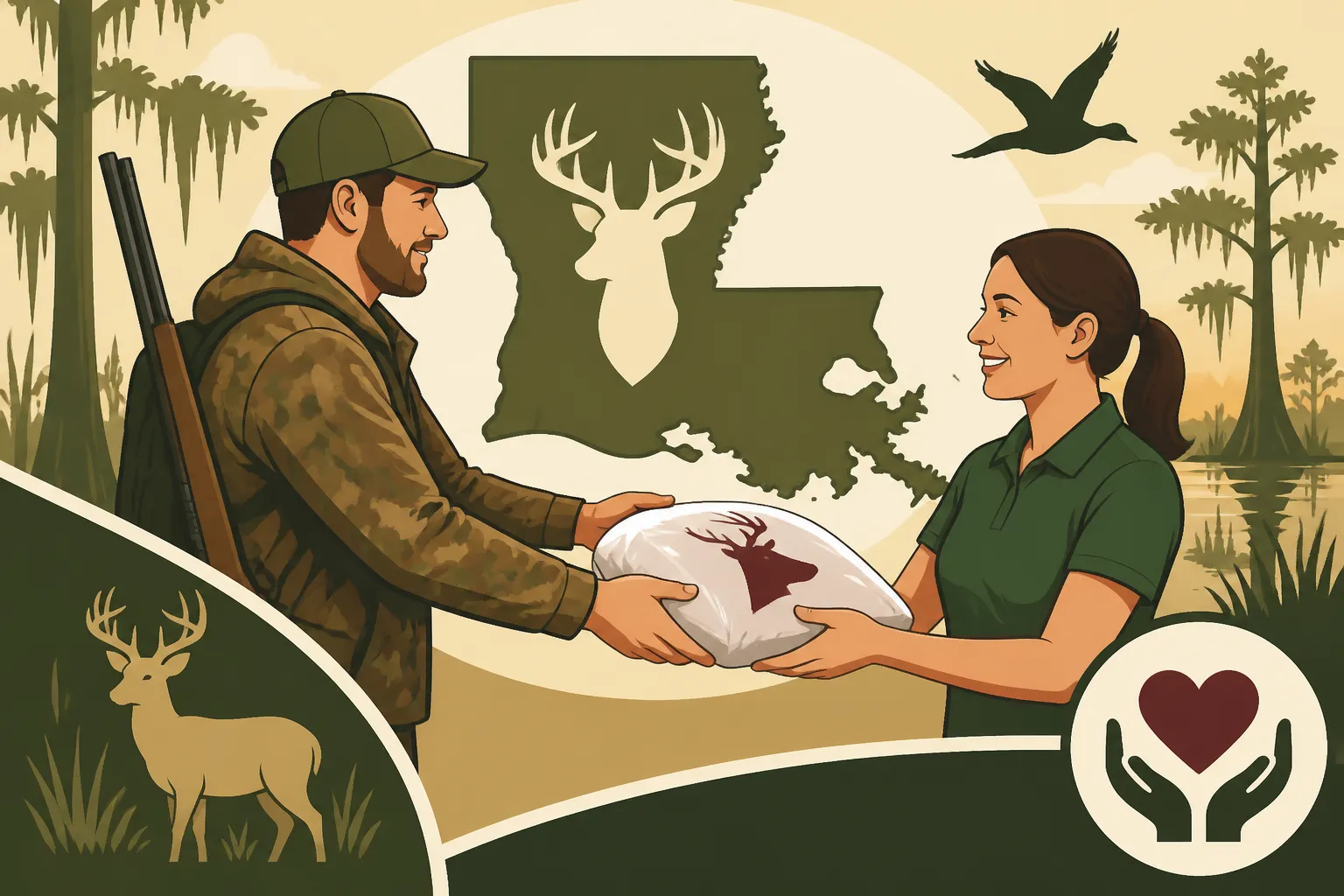
When you arrive at the designated drop-off location, whether it's a specific food bank, a church, or a Hunters for the Hungry collection point, be ready to transfer the meat efficiently. Many organizations operate on tight schedules, so being prepared and organized for the handover is a sign of respect for their time and efforts. Confirm the best time for drop-off when you initially call them to avoid any delays or issues. Remember, your goal is to make this process as smooth as possible for the volunteers and staff who will be receiving and distributing your generous donation.
Required Documentation and Reporting
This might not be the most exciting part, but it's important. Just as you have Louisiana Deer Reporting Requirements for any deer you harvest for personal consumption, donation programs often have their own internal paperwork. This documentation helps them track donations, ensure compliance with food safety regulations, and sometimes even helps hunters receive a tax-deductible receipt for their contribution.
When you drop off your venison, be prepared to provide information about your harvest, such as the date, location (if requested), and your hunter identification. The organization will typically have a form for you to fill out. This isn't just bureaucracy; it ensures accountability and allows them to maintain proper records for auditing and reporting purposes. It also helps demonstrate the impact of hunter donations. Many programs will provide you with a receipt for your donation, which can be valuable. While I can't give tax advice, such receipts often play a role if you're looking to claim a charitable deduction. Always keep a copy for your own records. This ties back to the full transparency and accountability that makes venison donation programs so successful. You'll need to show you completed your Checking a Louisiana Deer Harvest Online for your personal records anyway, so having all your documentation in order is just good practice.
Gratitude and Community Impact
Finally, take a moment to appreciate the impact of your actions. Donating venison is an incredibly generous act that directly helps alleviate hunger in our communities. It's a testament to the hunter's spirit of giving and connection to the natural world. The volunteers and staff at food banks, as well as the families who receive your venison, are genuinely grateful for such a healthy and valuable food source.
Your contribution helps feed families, provides lean protein to children, and demonstrates the positive role hunters play in society. It's a ripple effect that starts with an ethical harvest and ends with nourishment and hope. Next time you're planning your season, consider how you might incorporate venison donation into your harvest goals. Tools like GoHunt can assist in planning your hunts and understanding regulations, freeing up your mental energy to consider the bigger picture of your impact. Whether it's a deer from the Kisatchie National Forest or a buck from the Florida Parishes, every pound of venison makes a difference. This act strengthens the bond between hunters and their communities, ensuring that the bounty of Louisiana's wild places benefits everyone.
Disclaimer
This article is for general informational purposes only and does not constitute professional advice. Laws, prices and regulations vary by location and change over time. Consult a qualified professional for guidance on your specific situation.