Louisiana Mallard and Gadwall Numbers
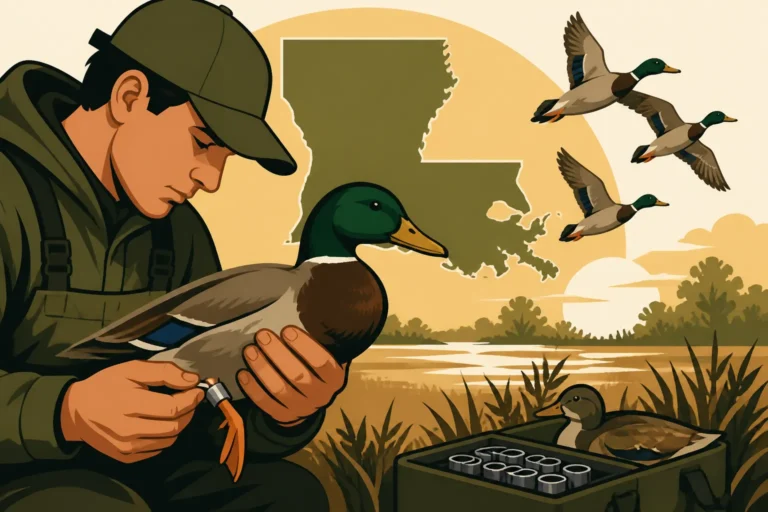
It’s a tale as old as time for Louisiana duck hunters: you spend all year dreaming of the season, picturing those mallards and gadwalls cupped and committed, only to wonder, "Are they even here this year?" The truth is, duck populations, especially for our beloved mallards and the increasingly common gadwalls, fluctuate constantly. This guide is dedicated to pulling back the curtain on what drives those numbers, how they manifest in our local marshes and timber, and what you can do to put yourself in the right place at the right time.
Understanding Mallard and Gadwall Populations in Louisiana
When you hear talk about duck numbers, it often starts with continental surveys. For us here in Louisiana, at the bottom of the mighty Mississippi Flyway, what happens thousands of miles north profoundly impacts our hunting seasons. We're a crucial wintering ground, a big green (or brown, depending on the marsh) welcome mat for birds migrating south.
The Mississippi Flyway Connection
Louisiana's position on the Mississippi Flyway means we're essentially at the terminus of a grand avian highway. Ducks breed in the prairie potholes of Canada and the northern U.S., and as winter approaches, they funnel south, often through river systems and along coastlines, directly to our bountiful wetlands. The health of these northern breeding grounds—the amount of water, the success of nesting—is the primary driver for how many birds start the journey south. If it's a dry year up north, fewer birds will be hatched, and consequently, fewer will make it to Louisiana, regardless of how good our local habitat looks. It's a complex ecological dance, and we're just one vital step in their annual migration. Understanding this connection is paramount to truly grasping our local duck numbers.
Mallards: The Green-Headed Icon
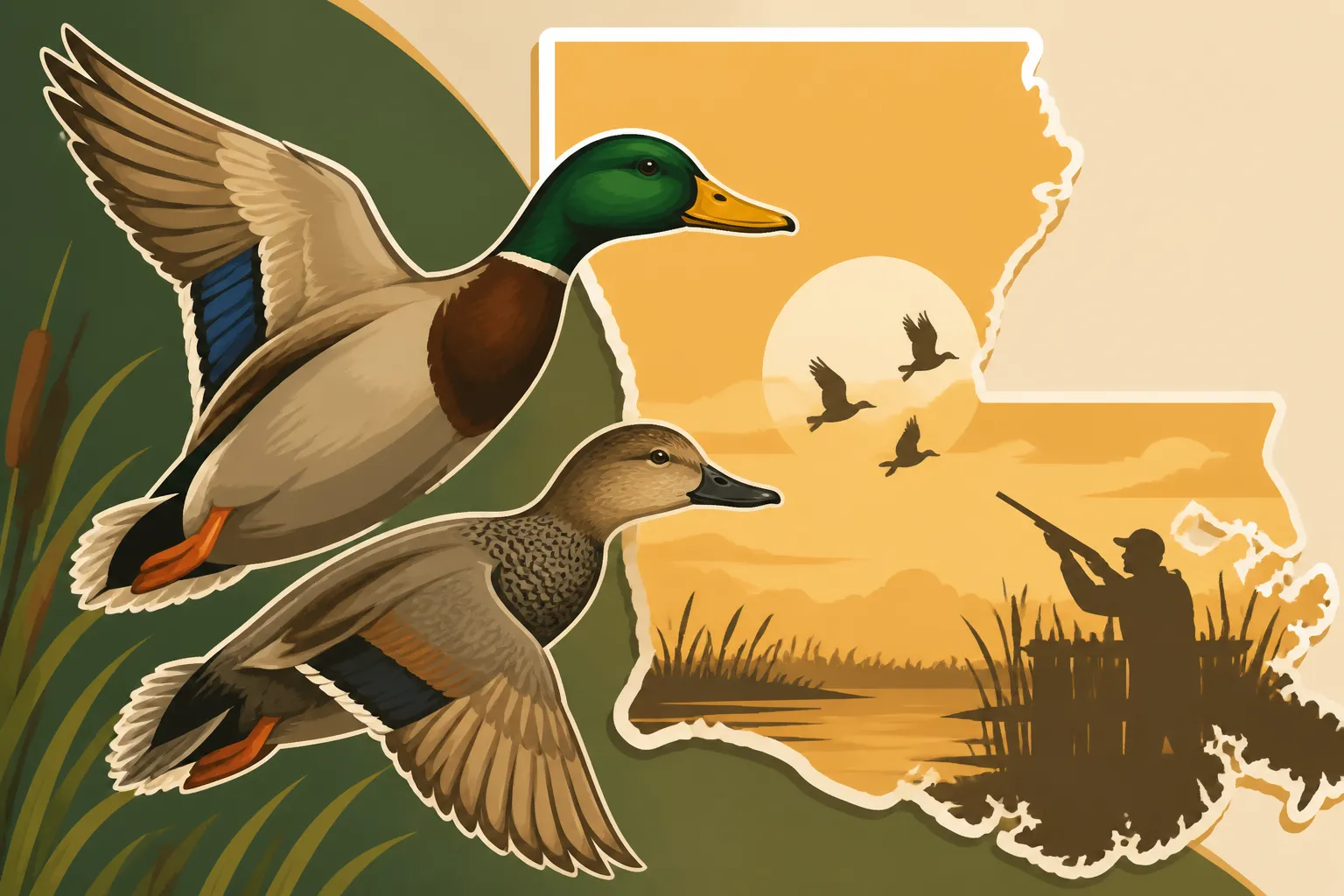
Ah, the mallard. The king of ducks for many, a true symbol of waterfowling tradition. Louisiana is a vital wintering area for mallards, particularly those that prefer flooded timber and agricultural areas like rice fields. While continental mallard populations have generally been stable or strong over many years, their distribution within Louisiana can shift dramatically based on local conditions. One year, they might be thick in the Tensas River Basin, finding refuge and food in the cypress and oak bottoms. The next, a shift in weather or water levels might push them towards the vast rice prairies. Mallards are often considered a bellwether species; their numbers and health can often tell us a lot about the overall state of the flyway. Hunters often key in on the big greenheads, making their presence or absence a hot topic around the duck blind.
Gadwalls: The Stealthy Success Story
The gadwall is a fascinating success story in the waterfowl world. While perhaps not as flashy as the mallard, these "gray ducks" have seen significant population growth over recent decades. They are incredibly adaptable and often thrive in habitats that might be less appealing to other species, including brackish marshes, open ponds, and even smaller impoundments. In Louisiana, gadwalls are incredibly abundant and often make up a significant portion of the hunter's bag. They're not as reliant on flooded timber as mallards, often preferring the shallower, more open water of the coastal marsh or even inland farm ponds. Their steady increase has made them a reliable target for many hunters, filling the skies when other species might be less numerous. They're a fantastic bird, offering challenging flight and delicious table fare.
Factors Influencing Duck Numbers in Louisiana
You've heard the old saying, "Ducks don't have calendars, they have thermometers." That's true to a degree, but there's so much more at play than just the weather when it comes to predicting how many mallards and gadwalls we'll see in Louisiana. It's a complicated stew of habitat, climate, and human influence that dictates the wintering success of these birds.
Breeding Ground Conditions Up North
This is arguably the most critical factor, yet it happens so far away from our hunting grounds. The vast prairie pothole region of the northern U.S. and Canada is often called North America's "duck factory." Here, millions of ducks, including the majority of our mallards and gadwalls, nest and raise their broods. The amount of water and the quality of nesting cover in these regions directly dictate the annual production of new ducks. If it's a wet spring up north, with abundant potholes and lush vegetation, nesting success tends to be high, leading to a strong fall flight. Conversely, drought conditions in the breeding grounds can severely curtail production, meaning fewer young birds to make the journey south to Louisiana. This is why waterfowl biologists spend so much time surveying these northern landscapes; it gives them an early indicator of what we might expect in our duck blinds.
Winter Habitat and Food Availability Down South
Even if a strong flight of birds leaves the breeding grounds, they still need somewhere to go and something to eat once they reach Louisiana. Our state offers an incredible diversity of wintering habitats: the expansive coastal marshes, vast rice and crawfish fields, and dense bottomland hardwood forests with their flooded timber. Each habitat offers different food sources – marsh grasses and seeds, waste grain in agricultural fields, and acorns in the timber.
However, these habitats aren't static. Coastal erosion eats away at the marsh, agricultural practices change, and timber often needs specific water management to flood properly. If there's a lack of available water in our prime duck hunting areas, or if food sources are depleted or inaccessible, ducks will move. They are constantly seeking the best bang for their energetic buck, meaning they'll go where food is plentiful and refuge from pressure is available. A good tool like GoHunt can help you visualize these different habitat types and understand their proximity to public lands or areas you might hunt, aiding in your scouting efforts.
Weather Patterns and Migration
The weather doesn't just affect when ducks leave the breeding grounds; it orchestrates their journey and their movements within Louisiana. A strong, early cold front pushing down from the north can kick off a mass migration, bringing a flood of birds into our state. Conversely, a mild autumn across the Midwest might see ducks lingering further north, only arriving in Louisiana much later in the season.
Once they're here, local weather plays a huge role too. Persistent north winds can push birds deeper into the marsh or force them to seek shelter in protected areas. Heavy rains can flood new areas, creating fresh feeding opportunities and scattering birds across a wider landscape, making them harder to pinpoint. Without cold weather to truly "stack" birds in certain areas, they can be spread out, making for more challenging hunting. It's why seasoned hunters always keep an eye on the long-range forecast and understand how Duck Migration Timing Through Louisiana can impact their hunts.
Regional Differences and Migration Patterns Within Louisiana
Louisiana isn't a monolithic duck hunting zone; it's a tapestry of diverse habitats, each with its own draws and challenges for mallards and gadwalls. Understanding these regional nuances is key to consistent success, as what works in the coastal marsh might be completely ineffective in a flooded timber hole further north.
Coastal Marsh Concentration
The coastal marsh is arguably Louisiana's most famous duck habitat, drawing hundreds of thousands of birds each winter. Parishes like Cameron and Vermilion are legendary, and for good reason. The sheer vastness of the marsh, with its network of ponds, bayous, and shallow sloughs, provides an immense buffet of natural forage. Gadwalls, in particular, absolutely thrive here, often congregating in massive rafts. Mallards also utilize the marsh, especially in areas where salinity is lower, and more freshwater-tolerant vegetation can grow. Hunting Cameron Parish Marsh Ducks is a prime example of how specific tactics are developed for this unique environment. Birds here often fly predictable patterns between resting and feeding areas, making scouting for flight lines critical. The dynamics of tides and water levels also play a huge role, influencing where ducks can feed and rest.
Inland Agricultural Areas
As you move away from the immediate coast and into areas with more extensive agriculture, like the southwestern rice prairies or the floodplains along major rivers, the game changes. Here, waste grain from harvested rice and corn fields becomes a primary food source. Mallards are particularly drawn to these areas, often flying miles from large reservoirs or refuges to feed in agricultural fields. Layout Blind Hunting Coastal Rice Fields is a popular tactic here, often requiring hunters to brush in meticulously to ambush birds coming to feed. Crawfish ponds, with their rich invertebrate life and often shallow, managed water levels, are also huge attractants for both mallards and gadwalls. These areas often experience different hunting pressure and bird movements compared to the marsh, with ducks keying in heavily on available food sources in rotation.
Flooded Timber and River Bottoms
In the northern and central parts of the state, particularly in the Tensas River National Wildlife Refuge Hunting areas and other river bottoms, flooded timber becomes the dominant draw for mallards. Here, the diet shifts from seeds and grain to acorns, which are a high-energy food source. Finding areas with healthy acorn crops and good water management to flood the timber can be a golden ticket for mallard hunting. Gadwalls will also use these areas, though often preferring the edges of the timber or adjacent open water. Working Flooded Timber for Mallards requires patience, keen ears, and often specialized calling techniques to entice birds down through the canopy. These areas can be incredibly productive, but they are also highly dependent on natural rainfall or active water pumping to create the necessary conditions. Hunters in these regions often use tools like GoHunt to analyze historical water level data and identify timber blocks.
Mid-Season Shifts and Pressure
Throughout the season, ducks are constantly on the move. Early in the season, birds might be widely dispersed as they first arrive. As hunting pressure mounts and food sources are depleted in readily accessible areas, ducks become warier and shift to less disturbed locations. Late-season cold fronts can bring new waves of birds, often pushing them to seek refuge in the warmest, most protected pockets of the marsh or timber. Understanding these shifts, and how hunting pressure in one area can push birds to another, is a crucial part of waterfowl hunting strategy. A great way to stay informed about these dynamics is by regularly checking official reports or even engaging in conversation with local hunters to gauge general bird movements.
| Duck Species | Primary Habitat Preference (Louisiana) | Common Forage | Migration Timing (General) | Notes for Hunters |
|---|---|---|---|---|
| Mallard | Flooded Timber, Rice Fields, Larger Ponds | Acorns, Waste Grain, Aquatic Invertebrates | Arrives Mid-Late Season, Peaks Dec-Jan | Often wary, responds well to calling in timber. Favors freshwater. |
| Gadwall | Coastal Marsh, Brackish Ponds, Shallow Impoundments | Marsh Grasses, Aquatic Plants, Seeds | Arrives Early-Mid Season, Consistent Numbers | Highly adaptable, often less pressured. Can be found in diverse habitats. |
Staying Informed and Scouting for Success
The ducks aren't just going to fly into your decoys because you wish them there. In Louisiana, successful duck hunting, especially for mallards and gadwalls, requires preparation, vigilance, and the willingness to adapt. Knowing the numbers is one thing, but translating that knowledge into a filled strap requires action.
Utilizing Data and Reports
While you won't get real-time duck counts for your specific pothole, you can leverage broader information. The Louisiana Department of Wildlife and Fisheries (LDWF) regularly publishes waterfowl reports and survey results during the season, giving hunters an idea of bird concentrations and general movements across different regions. These reports, while not precise down to the square mile, provide invaluable insights into where the majority of the birds are holding. Are they mostly in the coastal zones, or have cold fronts pushed them into inland rice fields? Are the numbers of mallards down, but gadwalls up? This kind of intelligence helps you make informed decisions about where to focus your efforts. Many hunters also use advanced mapping and scouting applications like GoHunt, which can layer habitat types, historical water data, and public land boundaries, allowing for a deeper dive into potential hunting grounds from the comfort of your home.
Boots-on-the-Ground Scouting
There's no substitute for seeing it with your own eyes. While reports give you a macro view, scouting gives you the micro. Before a hunt, take the time to drive around, boat through the marsh, or walk the edges of fields. Look for fresh duck sign – tracks in the mud, droppings, and disturbed vegetation. Most importantly, look for birds. Pay attention to their flight patterns: where are they coming from, and where are they going? Are they feeding in a specific section of a field or marsh pond? Are they trading between a timber hole and a nearby refuge? This kind of direct observation, combined with a good understanding of Wind and Thermals in Swamp Bottomland or coastal areas, allows you to predict their movements. Even if you're hunting public land, a little extra effort in scouting can mean the difference between seeing a few distant specks and working a big flock.
Adapting to Conditions
Flexibility is a waterfowl hunter's best friend. Mallards and gadwalls are constantly reacting to changing conditions. What was a hot spot last week might be barren today due to increased pressure, a shift in wind, or depleted food sources. Be ready to change your game plan. If the mallards aren't working the timber you planned on, be prepared to move to a different area or even switch gears and target gadwalls in an open marsh pond. This adaptability extends to your setup, too. Sometimes, a full spread of big decoys is perfect, while other times, a small, subtle spread might be more effective for wary birds. Understanding the nuances of Working a Fencerow for Late-Season Deer or Hunting a Green Field Planted for Deer might not seem directly applicable, but the underlying principle of adapting your strategy to conditions and observed animal behavior is universal in hunting. The more tools you have in your mental toolbox, and the more willing you are to use them, the better your chances of consistent success in Louisiana's duck blinds.
Disclaimer
This article is for general informational purposes only and does not constitute professional advice. Laws, prices and regulations vary by location and change over time. Consult a qualified professional for guidance on your specific situation.