How CWD Reached Tensas Parish
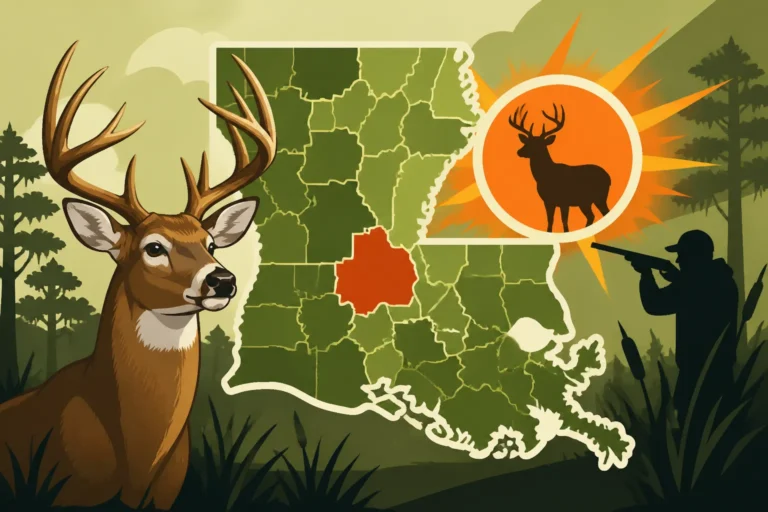
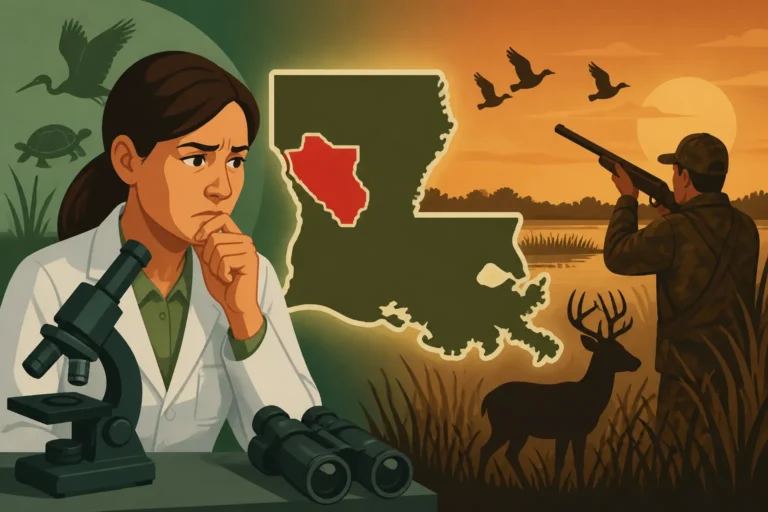
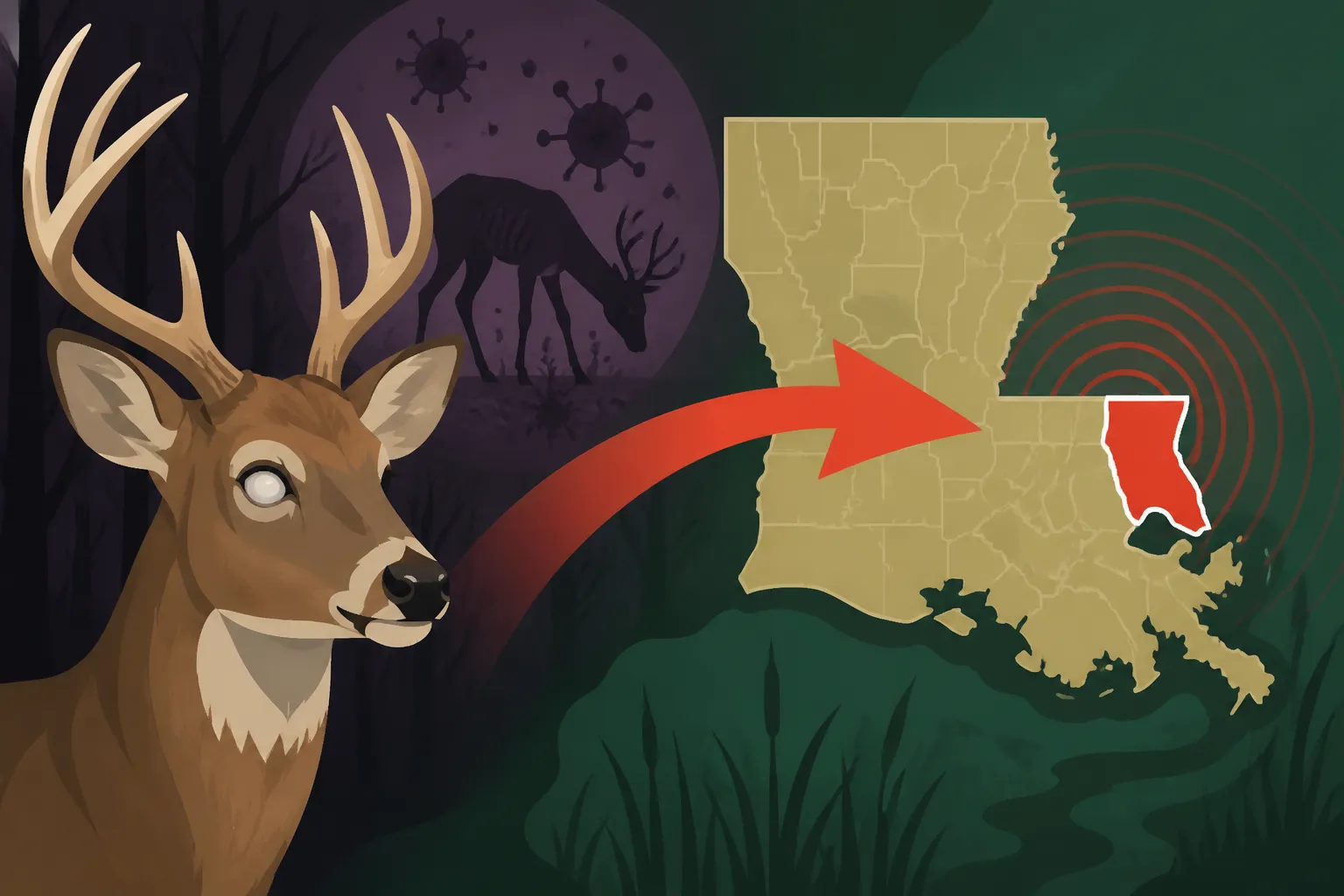
The news hit us like a punch to the gut: Chronic Wasting Disease (CWD) had finally been detected in a wild white-tailed deer in Louisiana. For years, we hunters in the Bayou State had watched with a mixture of dread and hope as this devastating neurological disease spread through deer populations in neighboring states. The first confirmed case, discovered in Tensas Parish, instantly changed the landscape of deer hunting and introduced a whole new layer of vigilance and regulation. This guide will walk you through the specifics of how CWD reached our beloved Tensas Parish, what it means for hunters, and the ongoing efforts to manage this serious threat to our deer herd.
The Unwelcome Arrival: How CWD Landed in Tensas Parish
When the Louisiana Department of Wildlife and Fisheries (LDWF) announced the first confirmed case of CWD in February 2022, it was a moment many of us had feared. This wasn't just another disease; it was a game-changer, confirmed in a pivotal deer hunting region. Understanding the initial detection and the potential pathways of introduction is crucial for grasping the severity of the situation.
The First Detection and Confirmation
The initial positive CWD sample that sent shockwaves through the hunting community came from an adult buck harvested in Tensas Parish during the 2021-2022 deer season. This particular buck was harvested by a hunter who, thankfully, participated in the voluntary CWD sampling program that the LDWF had been conducting in high-risk areas. These proactive surveillance efforts, though sometimes seen as an inconvenience by hunters, proved absolutely vital in identifying the presence of the disease.
Once the initial test at the Louisiana Animal Disease Diagnostic Laboratory (LADDL) came back presumptive positive, the sample was immediately sent to the National Veterinary Services Laboratories (NVSL) in Ames, Iowa, for confirmatory testing. This is standard protocol for CWD, ensuring that every positive case is unequivocally verified by a leading national authority. When the NVSL confirmed the positive result, it triggered an immediate and comprehensive response from the LDWF. It wasn't just a number on a report; it was a reality that forced us all to re-evaluate how we approach our cherished hunting traditions in Louisiana. The quick action and the hunter's participation in sampling underscored the critical partnership between the LDWF and the hunting public in disease monitoring.
Tracing the Potential Pathways
The immediate aftermath of a CWD detection involves a lot of speculation about how the disease might have arrived. Unlike some other wildlife diseases, CWD doesn't typically spread easily across vast geographic distances without some form of assistance. While natural deer movement is a possibility, especially from neighboring states with existing CWD populations, other factors are often considered.
One significant pathway for CWD introduction is the illegal importation of captive deer. Although Louisiana has strict regulations against importing live cervids, the black market or accidental transport of infected animals, particularly for breeding or exhibition purposes, has been a known vector in other states. These animals, often showing no visible symptoms during the long incubation period of CWD, can introduce the prion into a wild population directly or through contact at a captive facility. Another consideration, though less likely for the initial wild case, is the human transportation of infected carcasses or carcass parts from CWD-positive areas. A hunter might harvest a deer in a CWD-endemic state, bring the carcass back to Louisiana, and improperly dispose of waste, potentially introducing infected prions into the soil or local environment where other deer could then pick it up. The prions, which are the infectious agents of CWD, are incredibly persistent in the environment and can remain viable in soil for years. While the exact origin of the Tensas Parish case may never be definitively known, these potential routes highlight the insidious nature of CWD and the difficulty in containing its spread.
Understanding Chronic Wasting Disease: A Hunter's Perspective
For many hunters, CWD can sound like something abstract, a scientific term without immediate personal impact. However, understanding what CWD truly is and how it affects deer populations is critical for anyone who cares about the future of Louisiana hunting. It’s not just a concern for biologists; it’s a direct threat to our wildlife and our way of life.
What is CWD and How Does It Affect Deer?
Chronic Wasting Disease is a transmissible spongiform encephalopathy (TSE), a class of neurodegenerative diseases that affect the brain and nervous system of cervids, including white-tailed deer, elk, moose, and reindeer. It's caused by an abnormal protein called a prion, not a bacteria or a virus. What makes CWD so uniquely concerning is that these prions accumulate in the brain and other tissues, slowly eating away at the animal's neurological functions. The disease is always fatal. There is no known treatment, and once a deer contracts it, its fate is sealed.
The symptoms of CWD develop gradually, often over many months or even years, which is part of what makes it so difficult to detect early and manage. Affected deer might initially seem fine, but as the disease progresses, they start to exhibit a range of debilitating signs. These include pronounced emaciation (the "wasting" aspect), excessive drooling, lethargy, a lack of fear of humans, an altered gait, and a vacant stare. Imagine seeing a magnificent buck, once vibrant and elusive, reduced to a skeletal shadow, stumbling through the woods with no awareness of its surroundings. It's a heartbreaking sight and a stark reminder of the disease's devastating toll. The long incubation period means that infected deer can shed prions into the environment through saliva, urine, and feces for an extended time before showing symptoms, effectively contaminating the landscape for other deer.
The Long-Term Impact on Deer Populations and Hunting
The presence of CWD poses a severe long-term threat to deer populations. While it might not cause an immediate, dramatic die-off like some acute diseases, its chronic nature leads to a slow, steady decline in herd health and numbers. As more deer become infected, reproduction rates can drop, and survival rates decrease, particularly for mature bucks, which often have higher infection rates due to their wider ranging behavior and increased interaction during the rut. This can lead to an overall reduction in deer density and a skewing of the age structure of the herd.
For hunters, the impact extends beyond just seeing fewer deer. CWD can erode the very traditions we hold dear. The potential for population decline directly affects hunting opportunities, possibly leading to reduced bag limits or shorter seasons in affected areas. The necessary regulations, such as mandatory testing and carcass movement restrictions, introduce new complexities and responsibilities. There’s also the psychological impact – the constant worry about the health of the deer you’re pursuing and the ethical considerations of harvesting an animal that might be infected. The joy of a successful hunt can be overshadowed by the need to get the animal tested and the uncertainty of the results. This disease isn't just a biological challenge; it's a cultural one, forcing us to adapt and, in some cases, redefine what hunting means in a CWD-affected landscape. For a deeper dive into the disease's prevalence in specific regions, you might be interested in reading about How Many Deer Have Tested CWD-Positive in Louisiana.
Louisiana's Response: Establishing CWD Management Zones
In response to the confirmed CWD case in Tensas Parish, the LDWF quickly implemented a comprehensive strategy to manage and monitor the disease. This involved establishing specific CWD Management Zones, each with its own set of stringent regulations designed to slow the spread of the disease and gather crucial data. This swift action, though challenging for hunters to navigate, was essential for protecting the broader deer herd.
The Initial Enhanced Mitigation Zone (EMZ)
Immediately following the confirmation of CWD, the LDWF established an Enhanced Mitigation Zone (EMZ) in and around the area of the initial positive detection. This zone acts as the front line of defense, encompassing the highest-risk areas and implementing the most restrictive measures. The initial EMZ focused primarily on Tensas Parish, particularly the area surrounding the positive detection, but its boundaries are determined by a precise radius to ensure adequate coverage. You can find detailed maps and specific parish delineations for these areas through the LDWF website, which are critical for any hunter planning to venture into these regions.
Within the EMZ, hunters face significant changes to their normal routines. Perhaps the most impactful is the baiting ban; practices like supplementing deer with corn or other attractants are strictly prohibited to prevent the unnatural congregation of deer, which can facilitate prion transmission. Additionally, mandatory CWD testing is required for all deer harvested within the EMZ. This means every hunter who takes a deer must submit specific tissue samples to designated LDWF sampling locations. Furthermore, strict carcass movement restrictions are in place: only certain parts of a harvested deer (deboned meat, antlers with no brain tissue, clean hides, and skull plates with no brain tissue) are allowed to leave the EMZ. This prevents the unintentional transport of infected material to unaffected areas. For an exhaustive breakdown of the geographical areas and rules, be sure to check out Louisiana's Chronic Wasting Disease Zones and specifically The Enhanced Mitigation Zone Baiting Ban.
Expanding the Buffer Zone
Recognizing that CWD prions can spread beyond the immediate vicinity of a positive case, the LDWF also established a larger Buffer Zone surrounding the EMZ. This zone serves as an additional layer of protection and surveillance, encompassing a wider radius of parishes or portions of parishes. The regulations within the Buffer Zone are generally less stringent than those in the EMZ, but they are still crucial for early detection and preventing further spread.
In the Buffer Zone, baiting is typically still allowed, but hunters are strongly encouraged to reconsider practices that concentrate deer. While mandatory testing might not be in effect for every deer, voluntary testing is heavily promoted, and LDWF often provides convenient drop-off points for hunters to submit samples. Carcass movement restrictions might also apply, advising hunters to process their deer within the zone or adhere to the same guidelines as the EMZ if they wish to transport parts outside the zone. The purpose of the Buffer Zone is to monitor for any outward spread of the disease, allowing for a rapid response if new cases are detected. This multi-tiered approach—an intensive EMZ backed by a wider Buffer Zone—demonstrates the LDWF's commitment to containing CWD. For more on the specifics, including which practices are permitted, refer to The CWD Buffer Zone Baiting Rules.
Hunting in CWD Zones: Navigating New Realities
Hunting in a CWD Management Zone requires a significant shift in mindset and approach. The familiar routines might need to be adjusted, and new responsibilities added to your checklist. While it can feel overwhelming, adapting to these new realities is crucial for both personal compliance and the long-term health of Louisiana's deer herd.
Mandatory Testing and Carcass Regulations
One of the most immediate and impactful changes for hunters in the EMZ is the requirement for mandatory CWD testing. When you harvest a deer in this zone, you are legally obligated to submit specific tissue samples, typically from the lymph nodes or brainstem, to an official LDWF sampling station. These stations are usually set up at strategic locations like WMA check stations, designated deer processors, or even self-serve kiosks at various points within the zone. It's paramount to know the locations and operating hours of these stations before you head out. Missing the deadline or failing to submit a sample can result in penalties.
Beyond testing, the carcass movement restrictions are equally vital. To prevent the spread of prions, only certain parts of a deer harvested in the EMZ are allowed to leave the zone. This typically includes:
- Deboned meat
- Clean hides
- Antlers with no brain tissue attached (e.g., skull plates cleaned of all tissue)
- Clean skull plates with no brain material
This means that if you typically transport a whole deer carcass out of the woods to your camp or processor outside the EMZ, you’ll need to adjust your plans. Many hunters are now field-dressing and deboning their deer directly at the harvest site or using processors located within the zone. Understanding Louisiana Carcass Movement Restrictions is not just about following the law; it's a critical step in preventing CWD from spreading to new areas. Information on how to collect samples and locate testing sites is readily available through the LDWF website and their mobile application, which can be an invaluable tool. For detailed instructions on the sampling process, consult Louisiana CWD Testing for Hunters.
Adapting Hunting Strategies
The baiting ban in the Enhanced Mitigation Zone forces hunters to completely rethink their strategies for attracting deer. Gone are the days of pouring out corn or setting up mineral licks. Instead, hunters must revert to more traditional, skill-based approaches that focus on natural deer behavior and habitat. This might feel like a challenge, but it also presents an opportunity to hone your scouting and woodcraft skills.
One key adaptation is to intensely focus on identifying natural food sources. Deer will still be where the forage is, so understanding the seasonal availability of acorns, browse, and other vegetation becomes paramount. Scouting public lands with tools like GoHunt or similar mapping applications can help you pinpoint areas with good natural food sources or thick cover where deer might bed. You'll need to pay closer attention to historical timber cuts, areas with mast-producing trees like oaks and hickories, or even natural funnels between bedding and feeding areas. If you're hunting private land, consider planting food plots using approved forage rather than baiting. For instance, planting a green field planted for deer, like clover or winter wheat, can still attract deer while complying with regulations. Another strategy is to focus on sign — scrapes, rubs, and tracks — to understand deer movement patterns. This requires more time in the woods before the season and keen observation skills during the hunt. Instead of relying on a pile of corn, you'll be relying on your knowledge of the land and the deer that call it home. The shift from attraction to observation can be incredibly rewarding, pushing you to become a more skilled and connected hunter.
The Future of Deer Hunting in Louisiana with CWD
The discovery of CWD in Louisiana is undoubtedly a sobering moment, but it's not the end of deer hunting as we know it. Instead, it marks a new chapter, one that demands increased vigilance, adaptation, and collaboration from everyone involved. The future of our deer herd and our hunting heritage depends on how effectively we respond collectively.
Ongoing Monitoring and Research
The Louisiana Department of Wildlife and Fisheries (LDWF) is not alone in this fight; they are actively collaborating with state and federal agencies, universities, and wildlife disease experts to understand CWD better and develop effective management strategies. This means continuous, year-round monitoring and research efforts across the state, not just within the established CWD zones. They are conducting comprehensive surveillance, collecting samples from roadkill, opportunistic observations, and hunter-harvested deer beyond the mandatory testing areas. This helps track the potential spread and prevalence of the disease.
Research is also focused on understanding how CWD prions behave in Louisiana's unique environment, particularly in our warm, humid climate and diverse habitats. Scientists are exploring more efficient detection methods, potential mitigation techniques, and the long-term ecological impacts on our deer populations. As hunters, our cooperation in submitting samples and reporting any deer exhibiting CWD-like symptoms is invaluable to these efforts. Every piece of data helps build a clearer picture of the disease's footprint and informs future management decisions. Stay informed through the LDWF's official channels and resources like GoHunt's regulatory updates to understand the latest developments and how you can contribute to monitoring efforts.
Hunter Responsibility and Collaboration
The reality of CWD demands a heightened sense of responsibility from every hunter in Louisiana. We are the front-line observers, the stewards of the land, and our actions will directly influence the trajectory of this disease. This isn't just about following rules; it's about being an active participant in conservation. The most crucial steps include:
- Adhering to Regulations: Strictly follow all LDWF guidelines, especially those pertaining to CWD zones. This includes mandatory testing, carcass movement restrictions, and baiting bans. Ignorance of the rules is no excuse, and compliance is the cornerstone of effective disease management.
- Reporting Sick Deer: If you observe any deer displaying symptoms consistent with CWD (emaciation, drooling, neurological issues), immediately contact your local LDWF office. Do not approach or harvest the animal without consulting with wildlife officials first.
- Ethical Carcass Disposal: If you process a deer outside a CWD zone, ensure proper disposal of carcass waste. Bagging and disposing of it in a municipal landfill is the safest option. Avoid dumping carcasses in the woods where prions could potentially enter the environment.
- Stay Informed: Keep up-to-date with the latest CWD news and regulations from the LDWF. Their website and publications are excellent resources. Using comprehensive hunting tools like GoHunt can also help you track specific regulations by location, ensuring you always have the most current information at your fingertips.
- Advocate for Responsible Practices: Share knowledge with fellow hunters, educate new hunters, and encourage responsible practices within your hunting clubs and communities. This collective effort is what gives us the best chance to mitigate the impact of CWD.
The journey ahead with CWD will be challenging, but it's one we must face together. Our passion for hunting and our deep connection to Louisiana's wildlife provide the motivation to ensure that future generations can continue to experience the thrill of the hunt. Understanding your Louisiana Deer Reporting Requirements is just one piece of this larger collaborative puzzle.
Here's a quick overview of the key differences for hunting within a CWD Enhanced Mitigation Zone versus a Buffer Zone:
| Feature | CWD Enhanced Mitigation Zone (EMZ) | CWD Buffer Zone |
|---|---|---|
| Baiting | Prohibited | Generally permitted (LDWF advises against to prevent congregation) |
| Deer Testing | Mandatory for all harvested deer | Voluntary, strongly encouraged |
| Carcass Movement | Only deboned meat, clean hides, clean skull plates, clean antlers allowed out | Restrictions may apply; check LDWF guidelines for current rules |
| Primary Goal | Containment and intense surveillance | Early detection and wider monitoring |
| Specific Parishes | Tensas Parish (specific portions) and any future new detections | Surrounding parishes/portions of parishes (e.g., Franklin, Madison, etc.) |
Disclaimer
The information provided in this guide is for general informational purposes only and is not intended as legal advice or an exhaustive list of all regulations. Hunting regulations, including those related to CWD, can change frequently. Always consult the most current Louisiana Department of Wildlife and Fisheries (LDWF) hunting regulations and official CWD advisories before planning or undertaking any hunting activities. Hunters are responsible for knowing and adhering to all applicable laws and regulations.