Louisiana Nutria Control Program Rules
For folks who love Louisiana's outdoors, few things are as disheartening as seeing our precious coastal marsh disappearing, and often, the culprit is right underfoot: the nutria. These invasive rodents are wreaking havoc on our wetlands, chewing through vital plant roots and accelerating erosion at an alarming rate. This guide dives deep into the Louisiana Nutria Control Program, explaining exactly how it works, how you can participate, and why every single nutria tail makes a real difference in protecting our disappearing coast.
Understanding the Nutria Problem in Louisiana's Wetlands
When you spend time in the marshes of South Louisiana, whether you're chasing ducks or casting a line, it doesn't take long to notice the changes. Shorelines recede, once-lush pockets of vegetation turn into open water, and the very ground beneath your feet feels more fragile. This isn't just natural erosion; a significant part of this rapid deterioration is directly attributable to the voracious appetite of the nutria.
The Devastating Impact of Nutria on Coastal Ecosystems
These prolific rodents, Myocastor coypus, were originally brought to Louisiana in the 1930s for the fur farming industry. Like so many well-intentioned introductions, it quickly became a ecological disaster. When the fur market plummeted, millions of nutria escaped or were released, finding a paradise in our nutrient-rich coastal wetlands with no natural predators to keep their numbers in check. They breed year-round, with females able to produce up to three litters of four to nine young annually, reaching sexual maturity in just a few months. It's an explosion of population that our delicate marsh simply cannot sustain.
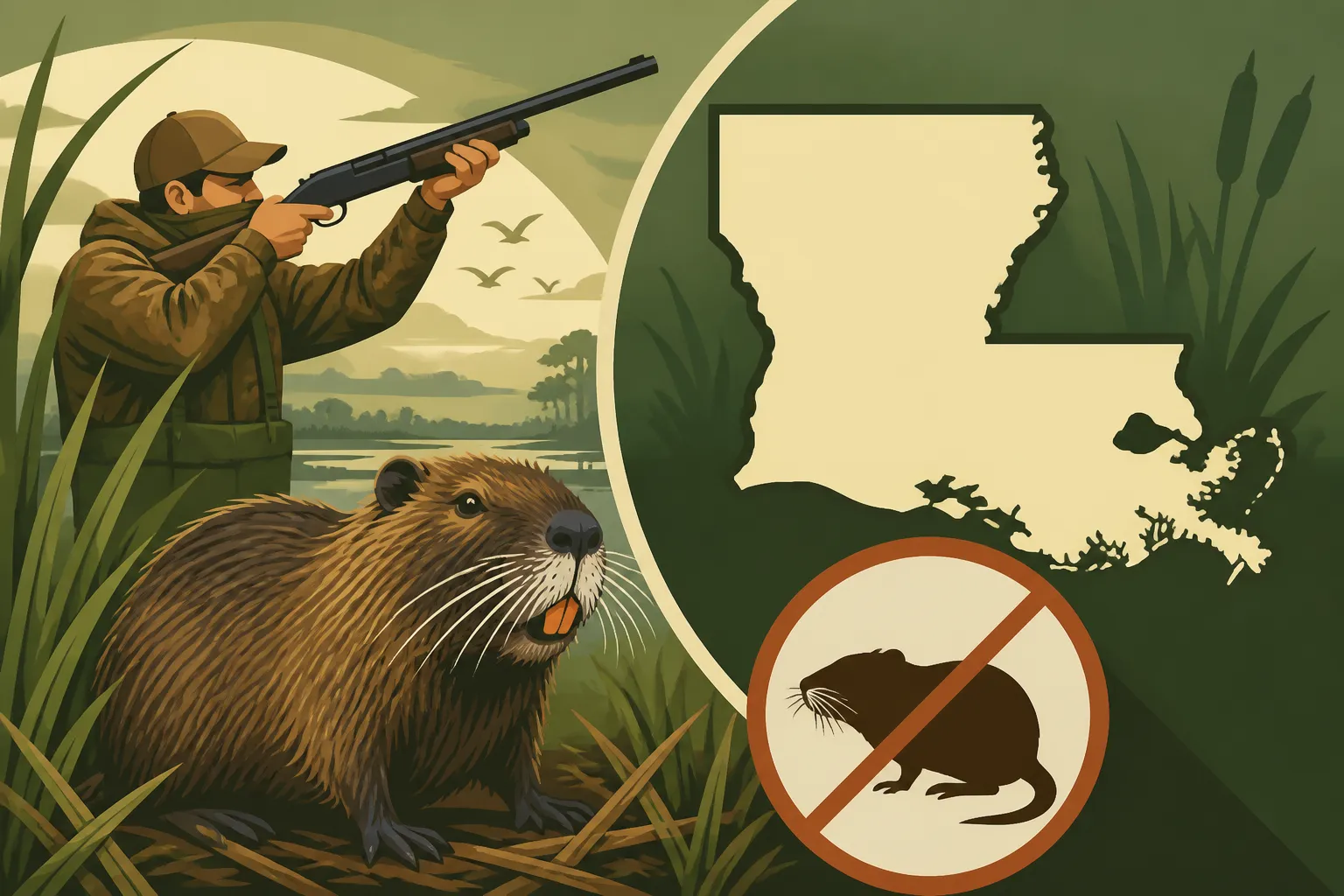
What makes nutria so destructive isn't just their numbers, but their specific feeding habits. Unlike muskrats, which clip vegetation above the waterline, nutria burrow into the marsh and consume the underground root mats of emergent plants like cordgrass and three-corner grass. These root mats are the very foundation of our marsh, holding the soil together and preventing it from washing away. When nutria "eat out" an area, they essentially destabilize the entire ecosystem, turning what was once firm, productive marsh into open, eroding mudflats and eventually open water. It’s like pulling the rug out from under the entire landscape, and the impacts ripple through the food chain, affecting everything from crabs and fish to migratory waterfowl. Many hunters have watched their favorite duck ponds or trapping lines slowly vanish due to this relentless onslaught. To truly grasp the scale of this problem, it's worth understanding the broader issue of Nutria and Louisiana Wetlands.
The sheer scale of this damage is heartbreaking for anyone who loves Louisiana. Imagine a duck blind you've hunted from for years, now sitting in open water, or a healthy stretch of marsh you once traversed by pirogue now impassable mud. This isn't just about aesthetics; it’s about habitat loss for countless species and the loss of natural storm buffers that protect our communities. Areas like the vast stretches of Terrebonne Parish and Vermilion Parish marshes have been hit particularly hard, with visible "eat-outs" scarring the landscape. These areas, vital for Louisiana Waterfowl Zones and Seasons, are literally being consumed from the roots up.
Why Traditional Trapping Alone Isn't Enough
For generations, trapping was a way of life in coastal Louisiana, and nutria were once a valuable fur commodity. Trappers would brave the elements, setting lines and bringing in pelts that provided a crucial income for their families. However, with the dramatic decline in the global fur market starting in the 1980s, the economic incentive for trapping nutria virtually disappeared. When a nutria pelt might only fetch a dollar or two, or sometimes even nothing, the immense effort, time, and expense involved in catching, skinning, and preparing hundreds or thousands of nutria simply weren't worth it.
This shift left a massive void in nutria population control. While dedicated trappers continued their efforts on a smaller scale, their individual endeavors, though commendable, simply couldn't keep pace with the nutria's explosive reproductive rate across millions of acres of marsh. The frustration was palpable; trappers knew the damage these animals were causing, but without a viable market, it became an unsustainable battle waged by a shrinking number of individuals. It's a similar challenge faced by those trying to manage Louisiana's Year-Round Hog Rule on Private Land – overwhelming numbers, diminishing returns, and the feeling of fighting a losing battle.
This is precisely where the state recognized a critical need to intervene. The nutria population had reached crisis levels, and the environmental cost of unchecked destruction far outweighed any economic disincentive. The traditional system, reliant on fur prices, had failed, and a new, innovative approach was necessary to prevent further, irreversible marsh loss. The very survival of significant portions of our coast hinged on finding a solution that would motivate trappers to re-engage, not for fur, but for the health of the ecosystem itself.
How the Nutria Control Program Works
Recognizing the urgent need for action, the Louisiana Department of Wildlife and Fisheries (LDWF), with crucial funding from federal coastal restoration efforts, implemented the Coastwide Nutria Control Program (CNCP). This isn't just about casual trapping; it's a strategic, incentivized effort designed to systematically reduce nutria populations in our most vulnerable coastal habitats.
Overview of the Coastwide Nutria Control Program CNCP
The Coastwide Nutria Control Program (CNCP) is a testament to Louisiana's commitment to its coastal future. Initiated in 2002, this program is directly funded by the Coastal Wetlands Planning, Protection and Restoration Act (CWPPRA), a federal program dedicated to reversing coastal land loss. The CNCP's primary goal is straightforward: to reduce nutria populations in the fragile coastal wetlands of Louisiana to minimize their destructive grazing and burrowing activities. It acts as an artificial market, providing a financial incentive where the fur market no longer does, essentially paying trappers to protect the marsh. This makes it a crucial component of Louisiana's broader How Nutria Damage Louisiana Marsh strategy, directly addressing the biological source of the problem.
The program focuses specifically on the coastal zone where nutria damage is most severe, encompassing a wide array of parishes from Cameron in the west to St. Tammany in the east. This targeted approach ensures that resources are concentrated where they are most needed to protect vulnerable marsh habitats. It’s a large-scale, coordinated effort, far beyond what any individual trapper or landowner could accomplish alone. The success of this program is not just measured in nutria tails collected, but in the visible recovery of marsh vegetation in areas where intense trapping has occurred.
By focusing on a continuous, high-volume harvest, the CNCP aims to keep nutria numbers below a threshold where they cause significant ecological damage. It acknowledges the complex interplay between invasive species, habitat degradation, and economic drivers. Without this program, our state would be facing an even more accelerated rate of land loss, impacting everything from commercial fisheries to prime areas for Hunting Louisiana's Coastal Marsh Parishes. It's a pragmatic solution to a persistent and costly environmental challenge.
Eligibility and Participation Requirements
Not just anyone can participate in the Nutria Control Program; there are specific criteria designed to ensure the program's effectiveness and legal compliance. First and foremost, participants must be landowners, leaseholders, or individuals designated by them, operating within the designated coastal zone parishes. This ensures that trapping occurs on legitimate property with proper permission, avoiding any trespass issues that could arise. If you lease land for hunting or other activities, you'd need the landowner's explicit permission to participate in the program on their property.
To be eligible, the property where the nutria are trapped must be located within the program's defined coastal study area, which generally covers the parishes most impacted by marsh degradation. The LDWF provides maps and resources to help potential participants determine if their land or leased property falls within these boundaries. This precision is vital for maximizing the program’s impact on the most vulnerable ecosystems. Anyone considering participation should check the latest LDWF guidelines, as these boundaries can sometimes be adjusted based on monitoring data and funding availability.
Crucially, all participants are required to possess a valid Louisiana trapping license. This is a fundamental legal requirement for anyone trapping furbearers in the state, even when participating in a control program. This ensures that trappers are aware of general trapping regulations and ethical practices. For more information on securing the necessary credentials, you'll want to review the specifics on Louisiana Trapping License Requirements. The application process for the CNCP itself typically involves submitting an application form to LDWF, providing proof of land ownership or lease, and acknowledging the program rules. Deadlines are usually set for registration each year, so it's important to stay informed and apply within the specified window to ensure your participation is approved for the trapping season.
The Incentive Payment Structure
The heart of the Coastwide Nutria Control Program is its incentive payment structure, which revitalizes trapping efforts by providing a direct financial reward for each nutria tail submitted. Currently, the program offers a payment of $6 for every nutria tail collected within the designated coastal zone. This attractive incentive motivates trappers to put in the considerable effort required to make a dent in the nutria population, transforming what was once a forgotten nuisance into a valuable contribution to coastal restoration.
The process for receiving payment is meticulously structured. Trappers collect the tails, ensuring they are properly severed, clean, and in good condition (more on this in the next section). These tails, along with a completed manifest and any required landowner consent forms, are then brought to designated LDWF drop-off points. These collection sites are typically LDWF regional offices or specific event locations held at regular intervals during the trapping season. The LDWF staff verify the tails, count them, and process the paperwork. This data collection is also crucial for tracking the program's success and identifying high-impact areas.
Payments are typically issued after the collection periods, with funds disbursed to participants who have followed all guidelines. This system removes the volatility and uncertainty of the fur market, providing a stable and reliable income stream for those actively involved in nutria control. The record-keeping is critical, so always double-check your counts and ensure all paperwork is accurately filled out. Any discrepancies or improperly prepared tails can lead to delays or rejection, which is incredibly frustrating after all that hard work. This payment model has proven remarkably effective, leading to the collection of millions of tails since the program's inception, directly correlating with measurable improvements in marsh health in many areas.
Practical Aspects of Participating in the Program
Getting involved in the Nutria Control Program isn't just about signing up; it requires practical knowledge and adherence to specific guidelines to ensure your efforts are effective, legal, and that you get paid for your hard work.
Legal Trapping Methods for Nutria
When participating in the Nutria Control Program, it's crucial to understand and utilize legal trapping methods. Louisiana regulations, generally outlined in the Louisiana Small Game Season Rules, permit a variety of tools for nutria, many of which are common for other furbearers. The most commonly used traps include wire cage traps (live traps), conibear-type body grip traps (like the #330 for nutria, though smaller sizes can also work), and snares. Each has its advantages and disadvantages depending on the terrain, water depth, and your personal preference. For instance, cage traps are excellent for avoiding non-target species, while conibears are highly effective for a quick, humane dispatch when properly placed.
Firearms can also be used to take nutria, particularly in areas where trapping might be difficult or less efficient, or to dispatch animals caught in live traps. However, the use of firearms comes with its own set of regulations regarding discharge distances from roads, dwellings, and public areas, even on private land. Always ensure you are familiar with these specific rules to avoid any legal issues. Additionally, ethical trapping practices are paramount. This includes checking your traps regularly—at least once every 24 hours, but more frequently in hot weather or if you're using kill-traps—to ensure humane treatment of animals and to prevent spoilage of tails.
Choosing the right trap for the job often comes down to experience and the specific conditions of your trapping line. Many seasoned trappers prefer conibears set in runs or near burrows, as they are quick and efficient. Snares can also be highly effective in dense vegetation or along trails. Regardless of the method, safety must be your top priority. Trapping can be dangerous, especially when deploying powerful body-grip traps. Knowing how to set traps safely, secure them properly, and avoid unintended catches is essential. Resources on Trapping Louisiana Muskrat and Nutria offer further detail on specific techniques.
Tail Collection and Submission Guidelines
Proper tail collection and submission are absolutely critical for getting paid through the CNCP. The LDWF has very specific rules to ensure accountability and prevent fraud. First, the tail must be cleanly severed from the body at the base, right where it meets the rump. It needs to be at least 8 inches long to be accepted, so a clean cut is important. Furthermore, the tail must be in good condition—meaning fresh and not excessively decomposed. In Louisiana's warm climate, this means processing your nutria soon after capture, especially if you're not planning to submit tails immediately. Many trappers will store tails in a cooler with ice or freeze them to prevent spoilage before a scheduled drop-off.
When you bring your collected tails to a designated LDWF collection site, you'll need to have them organized and ready for counting. You'll also need a completed Nutria Control Program manifest form. This form documents your name, contact information, trapping license number, the parish where the nutria were taken, and the number of tails you are submitting. If you are trapping on leased land or as a designee, you'll also need a signed Landowner Consent Form, verifying that you have permission to trap on that property and participate in the program for that location. Accuracy on these forms is crucial for smooth processing.
LDWF schedules specific drop-off days and locations, often at their regional offices across the coastal zone. It's essential to check the official LDWF website or contact them directly for the most up-to-date schedule and locations, as these can change. Common pitfalls that lead to rejected tails include tails that are too short, excessively decomposed, or missing the necessary documentation. Imagine spending days battling the marsh mosquitoes and then having your hard-earned tails refused because of a simple oversight – it's a frustration you absolutely want to avoid! So, take the time to properly prepare your tails and paperwork.
| Trapping Method | Pros | Cons | Best Use Cases |
|---|---|---|---|
| Wire Cage Traps | Humane, live capture; less risk to non-target species; easy to check | Bulky; require frequent checks for animal welfare; limited by terrain | Near residences, in areas with diverse wildlife, for dispatch at site |
| Conibear (Body Grip) Traps | Quick, humane kill; highly effective; relatively compact | Dangerous to set; risk to non-target species; requires careful placement | Nutria runs, burrow entrances, aquatic sets in isolated areas |
| Snares | Lightweight, inexpensive; good for dense vegetation; discreet | Can be less humane if not set properly; risk of non-target capture | Trails, burrow exits, dense marsh grass where other traps are difficult |
| Firearms | Instant dispatch; no trap setting required; mobile | Requires accuracy and safe backstop; limited by legal discharge rules; may scatter animals | Supplemental to trapping, dispatching caught animals, open water areas |
Note: Always check current LDWF regulations for specific trap size requirements, setback rules, and other legal stipulations for each method.
The Impact of Your Efforts and What It Means for Louisiana
Participating in the Coastwide Nutria Control Program isn't just about earning a few dollars; it's a direct, tangible contribution to the survival of Louisiana's coast. Every single nutria tail you collect represents one less invasive rodent gnawing away at the roots of our precious marshland. It's a direct act of conservation, a hands-on effort to literally hold our land together. When thousands of trappers remove hundreds of thousands of nutria, the collective impact becomes truly monumental.
Areas where the CNCP has been most active have shown clear signs of marsh recovery. Vegetation begins to regrow, providing crucial habitat for fish, shrimp, crabs, and the myriad of migratory birds that depend on our wetlands. This program directly supports biodiversity and strengthens the natural defenses against storm surge and sea-level rise. Your efforts contribute to preserving traditional ways of life—not just trapping, but also fishing, shrimping, and waterfowl hunting—which are inextricably linked to a healthy marsh ecosystem. It's a way for individuals to directly participate in the monumental task of coastal restoration, making a difference that scientists and state agencies can measure.
The Nutria Control Program provides a sustainable model where economic incentive aligns with environmental benefit. It empowers local residents, many of whom have deep ancestral ties to the marsh, to become active stewards of their environment. By participating, you're not just trapping a pest; you're helping to ensure that future generations of Louisianans will still have marshes to hunt, fish, and call home. Your work helps support the incredible natural heritage that defines our state and its unique culture.
Disclaimer
The information provided in this guide is for general informational purposes only and is subject to change. Always consult the official Louisiana Department of Wildlife and Fisheries (LDWF) regulations and guidelines for the most current and accurate rules regarding the Nutria Control Program, trapping licenses, and any other hunting or trapping activities. State regulations can change, and it is the hunter's or trapper's responsibility to stay informed and comply with all applicable laws.