Applying for the Louisiana Bear Lottery
It's a dream for many Louisiana hunters: drawing one of those coveted black bear lottery tags. The reality is, with a limited number of permits available each year, getting one feels like hitting the jackpot. The application process itself can feel like navigating a maze if you're not familiar with the specific requirements and deadlines set by the Louisiana Department of Wildlife and Fisheries (LDWF). This comprehensive guide is here to demystify the entire process, walking you through everything you need to know about applying for the Louisiana Bear Lottery, from understanding the species' remarkable comeback to the precise steps you'll take to throw your hat in the ring.
Understanding Louisiana's Black Bear Recovery and Lottery
For decades, the idea of hunting black bears in Louisiana seemed like a far-fetched fantasy. Our native black bear population faced severe threats, leading to significant declines. But thanks to incredible conservation efforts, the Louisiana black bear has made a remarkable comeback, allowing for limited hunting opportunities through a tightly controlled lottery system.
The Journey of Bear Conservation in Louisiana
The story of the Louisiana black bear is truly one of resilience and dedicated conservation. Once widespread across the state, their numbers plummeted drastically in the 20th century due to habitat loss, unregulated hunting, and human encroachment. By the 1980s, the species was federally listed as threatened under the Endangered Species Act, a stark reminder of how close we came to losing this iconic animal. Over the past few decades, however, concerted efforts by the LDWF, federal agencies, and private landowners have focused on habitat restoration, protection, and reintroduction programs. These initiatives helped reestablish critical corridors and expand their range, particularly in the bottomland hardwood forests that black bears call home. Today, seeing a black bear lumbering through a Louisiana swamp or timber tract is no longer a rare sight, a testament to the success of these programs. The state's recovery efforts were so successful that in 2016, the Louisiana black bear was officially delisted, a monumental achievement that paved the way for careful management strategies, including the reintroduction of a limited hunting season.
The Purpose of a Limited Lottery System
With the species thriving once more, the LDWF introduced a lottery system for bear hunting tags. This isn't just about offering a hunting opportunity; it's a critical management tool designed to maintain a healthy and sustainable bear population while minimizing human-bear conflicts. A limited lottery ensures that only a small, scientifically determined number of bears are harvested each year, preventing overhunting and safeguarding the progress made in conservation. It allows biologists to control the harvest based on population estimates, cub production, and habitat health. For hunters, it means the chance to pursue a truly unique big game animal, but it also comes with a significant responsibility to understand and abide by strict regulations. The lottery system also reflects the ethical commitment to hunting as a conservation tool, ensuring that every bear taken contributes to data vital for ongoing management. Without this careful control, the recovery could be jeopardized, which is why patience and adherence to the system are paramount for any aspiring bear hunter.
Where Louisiana Black Bears Range Today
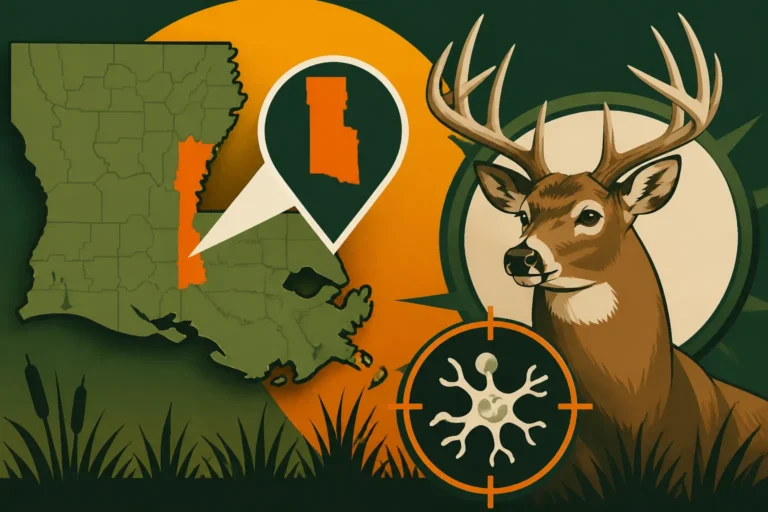
Understanding where the bears are is key, not just for hunting but for appreciating their recovery. Louisiana is home to three distinct subpopulations of black bears, each with its unique characteristics and primary habitat. The largest and most robust population resides in the Tensas River Basin, particularly within the vast bottomland hardwood forests of northeastern Louisiana. This area, with its dense cover, abundant food sources, and expansive tracts of timber, provides ideal bear habitat. You'll find bears here across multiple parishes, extending into parts of Madison, Tensas, and Concordia. Another significant population is found in the Atchafalaya Basin, the nation's largest freshwater swamp. Here, bears navigate cypress-tupelo swamps, hardwood ridges, and bayous, adapted to a more aquatic environment. These bears are often seen near the edges of the basin, venturing into surrounding agricultural areas. Finally, a smaller, but growing, subpopulation exists in the coastal wetlands of south-central Louisiana, particularly around the West Atchafalaya Basin Floodway and the coastal parishes like St. Mary and Terrebonne. These bears are uniquely adapted to brackish environments and marshlands. When applying for the lottery, the available tags are often allocated with these specific population densities and ranges in mind. Knowing about these Louisiana's Three Bear Subpopulations can help you understand the dynamics of the lottery and where your best chances might lie.
Eligibility and Requirements for the Bear Lottery
Applying for the Louisiana Bear Lottery isn't as simple as just filling out a form; there are specific hoops you need to jump through to ensure you're qualified. These requirements are in place to ensure responsible hunting practices and to uphold the integrity of the conservation efforts that brought bears back to our state.
Who Can Apply
First and foremost, eligibility for the Louisiana Bear Lottery is generally restricted to residents of Louisiana. This prioritization reflects the state's investment in the bear recovery program and ensures that local hunters, who often contribute directly to habitat conservation through license purchases and local advocacy, are given the primary opportunity. While there are sometimes limited opportunities for non-residents in certain specialized hunts, the general bear lottery is a resident-only affair. Beyond residency, there are age requirements: applicants must typically be at least 10 years old by the date of the hunt, but youth hunters usually need to be accompanied by a licensed adult mentor. Crucially, every applicant, regardless of age, must possess a valid Louisiana hunting license. This includes a basic hunting license and any necessary stamps or endorsements for big game. It's not enough to just buy it on the application day; you need to ensure all your licenses are current and active well before the application window closes.
Mandatory Bear Hunter Training
One of the most significant and non-negotiable requirements for participating in the Louisiana Bear Lottery is completing a mandatory bear hunter education course. This isn't just a suggestion; it's absolutely essential. The LDWF takes the safety and ethical harvesting of bears very seriously, and this course is designed to equip hunters with the specialized knowledge needed for a successful and responsible bear hunt. The course covers a wide range of topics, including bear biology and behavior, habitat identification, tracking techniques, ethical shot placement (which is distinct from deer), bear recovery protocols (like field dressing and dealing with bears in the field), and, perhaps most importantly, how to identify and avoid taking sows with cubs. Misidentifying a bear could lead to serious legal repercussions and undermine conservation efforts. The course typically involves both classroom instruction and a practical component. You'll want to check the LDWF website for scheduling and locations well in advance, as these courses fill up quickly. Skipping this step means you simply cannot participate, even if you draw a tag. Understanding Attending the Mandatory Bear Hunter Course is the first critical step after deciding to apply.
Required Licenses and Permits
Before you even think about submitting your lottery application, you need to make sure your basic hunting credentials are in order. At a minimum, every applicant must possess a valid Louisiana Basic Hunting License. This is your foundation. But for big game like bears, you'll also need to ensure you have the appropriate Big Game Hunting License add-on. For those successful in the lottery, a specific bear tag will be issued. This tag is unique to you and must be carried at all times during your hunt. Furthermore, if you intend to hunt on Wildlife Management Areas (WMAs) where bear hunting is allowed (which are often the designated areas for lottery hunts), you will also need a WMA Access Permit. It's easy to overlook these smaller details, but forgetting one could invalidate your hunt or lead to penalties. The GoHunt Louisiana portal, which we'll discuss next, often allows you to verify and purchase all these necessary licenses and permits in one go, simplifying the process. Always double-check the current hunting regulations for any updates to license requirements before applying each year.
The Application Process: Step-by-Step Guide
The Louisiana Bear Lottery application process is a structured sequence of steps, and missing any one of them can mean missing out on your chance. From specific dates to online portals, attention to detail is crucial.
When and How to Apply
The application window for the Louisiana Bear Lottery is generally specific and relatively short, often opening in late spring or early summer and closing a few weeks later. These dates are announced well in advance by the LDWF, so it's critical to mark your calendar and stay vigilant. Typically, applications are submitted online through the Louisiana Department of Wildlife and Fisheries' official licensing and permitting portal, often accessible via the GoHunt Louisiana platform. This online system is designed to streamline the process, allowing you to enter your personal information, confirm your eligibility, and pay the application fee securely.
Here's a general breakdown of the process:
- Check Dates: First, confirm the exact Louisiana Bear Lottery Application Window for the current year on the LDWF website. These dates are non-negotiable.
- Access the Portal: Navigate to the LDWF's official online licensing system. You'll typically log in with an existing account or create a new one if you're a first-time applicant.
- Select the Bear Lottery: Find the specific application for the "Black Bear Lottery." Be careful not to confuse it with other special lottery hunts.
- Complete Application Fields: Fill out all required personal information accurately. This includes your name, address, contact details, and current hunting license numbers.
- Pay the Application Fee: There is a non-refundable Louisiana Bear Lottery Application Fee associated with each application. Ensure you have a valid payment method ready. This fee helps cover the administrative costs of running the lottery and supports conservation efforts.
- Review and Submit: Before clicking that final "submit" button, take a moment to meticulously review all the information you've entered. Errors can lead to disqualification.
- Confirmation: You should receive a confirmation email or a transaction number once your application is successfully submitted. Keep this for your records.
It’s often a good idea to apply earlier in the window rather than waiting until the last minute, just in case you encounter any technical issues or have questions that need to be addressed by LDWF staff.
Understanding Drawing Odds and Past Seasons
Unlike some western states that utilize complex preference point systems, the Louisiana Bear Lottery, given its relatively new status and limited tags, generally operates as a random draw. This means every eligible application submitted during the open window has an equal chance of being selected for a tag, regardless of how many times you've applied in the past. There are no "points" to accumulate to increase your odds year after year, which simplifies the process but also means luck plays a significant role.
The drawing odds are directly influenced by two main factors: the total number of tags issued for a specific season and management zone, and the total number of eligible applications received. For instance, if the LDWF decides to issue 10 tags statewide and 1000 people apply, your odds are roughly 1 in 100. These numbers fluctuate annually based on bear population assessments and management goals. The LDWF often publishes post-draw statistics, showing how many applications were received and how many tags were issued in each zone. Reviewing these past results can give you a realistic idea of the competition and the likelihood of drawing a tag. For example, if a particular zone consistently receives hundreds of applications for only a handful of tags, you know the odds are incredibly slim, reinforcing the "lottery" aspect of the hunt. Understanding that this is a true lottery, rather than a system where long-term application builds advantage, helps manage expectations for hopeful hunters.
What Happens After Application
Once you've submitted your application and the window closes, the waiting game begins. This period can be filled with anticipation and a bit of anxiety, as you hope your name will be drawn from the pool of applicants. The LDWF will conduct the random draw, usually a few weeks or months after the application period ends, depending on their internal processing schedule.
Notification of drawing results is typically handled in one of two ways:
- Email Notification: Many applicants receive an email directly from the LDWF informing them of their draw status, whether successful or unsuccessful. This is usually the quickest way to find out.
- Online Portal Check: The official LDWF licensing portal, often the same platform used for the GoHunt application, will also update with draw results. You can log into your account to check your status. It’s always a good idea to check the portal even if you don’t receive an email, just in case it landed in a spam folder.
If you are one of the lucky few to draw a tag, congratulations! The notification will usually include details about your assigned hunt zone, the specific hunt dates, and any further instructions. At this point, you'll need to confirm your acceptance of the tag (if required) and ensure all necessary physical tags are either mailed to you or available for print. If you don't draw a tag, it can be disappointing, but remember that the limited nature of these hunts is crucial for conservation. It just means you'll have to try again next season, armed with the knowledge of how the system works. Regardless of the outcome, understanding this notification process helps to alleviate some of the post-application uncertainty.
Maximizing Your Chances and Preparing for the Hunt
While the bear lottery is largely a game of chance, there are ways to ensure your application is flawless and to prepare diligently should you be lucky enough to draw a tag. Proper preparation is paramount for a successful and ethical bear hunt.
Tips for Successful Application
Even with a lottery, you can take steps to ensure your application is as strong as it can be. The biggest tip for successful application is accuracy and timeliness. There's nothing worse than having your application rejected or overlooked due to a simple error or missing a deadline. First, confirm the Louisiana Bear Lottery Application Window every year. Do not rely on past years' dates, as they can shift. Apply early in the window to avoid last-minute technical glitches or forgotten details.
Secondly, double-check all your personal information on the GoHunt Louisiana portal. Is your current address correct? Are your hunting license numbers accurate? Any discrepancies could cause issues. Ensure all required licenses are valid before applying. This means your basic hunting license and big game endorsements must be up-to-date. If you wait until you draw, it might be too late, or you might face unnecessary stress. Finally, carefully read all instructions provided by the LDWF regarding the bear lottery. Sometimes there are specific questions or declarations that need to be addressed. Understanding the different zones and tag allocations can also be beneficial, even if you can't choose a specific zone – it helps you comprehend the odds. A well-prepared and accurately submitted application is your best shot at getting into the drawing, so don't rush it.
What to Do If You Draw a Tag
If you receive that glorious notification that you've drawn a Louisiana bear tag, the real work and excitement begin! This isn't the time to sit back; it's time to spring into action. Your immediate next steps are crucial for a successful hunt.
- Confirm and Accept: First, follow any instructions to confirm or accept your tag. This might involve an additional step on the GoHunt platform or simply acknowledging receipt of your tag.
- Study Regulations: Immerse yourself in the current Louisiana hunting regulations booklet, specifically the section on bear hunting. Pay close attention to legal weapons, ammunition types, blaze orange requirements, and any specific rules for your assigned hunt zone or WMA. This is also where you'll find crucial details on Louisiana Bear Legal Harvest Rules.
- Physical Preparation: Bear hunting, especially in the thick cover of Louisiana's bottomlands or swamps, can be physically demanding. Start a conditioning routine if you haven't already. You'll likely be walking long distances, potentially through challenging terrain, and the physical effort of tracking and recovering a bear is significant.
- Gear Check: Ensure all your hunting gear is in top condition. This includes your firearm or bow, optics, tracking equipment, and field dressing supplies. Make sure your weapon is sighted in and you are proficient with it at various distances.
- Scouting (If Possible): If your schedule and the WMA rules allow, try to scout your assigned hunt area. Look for bear sign, natural food sources (like acorns or persimmons), bedding areas, and travel corridors. Understanding Spot-and-Stalk Tactics for a Bear Lottery Tag can be incredibly helpful during this phase, as pre-season scouting is often key to identifying potential ambush points or travel routes. Even if you can't physically scout, use aerial maps and topographical features to familiarize yourself with the terrain.
- Consider a Guide: For many first-time bear hunters, or even experienced hunters unfamiliar with Louisiana's bear country, considering a guided hunt is a smart move. A knowledgeable local guide can significantly increase your chances of success and ensure you have a safe and ethical hunt. This might involve researching Finding a Guide Once You Draw a Bear Tag who specializes in bear hunts in your allocated zone.
This intensive preparation will not only increase your odds of success but also enhance your overall hunting experience, transforming a lottery win into a memorable and ethical harvest.
Understanding Legal Harvest Rules
Drawing a bear tag is just the beginning; knowing exactly what constitutes a legal harvest is absolutely critical for an ethical and lawful hunt. Louisiana has very specific regulations designed to protect the recovering bear population, especially vulnerable segments like breeding sows and their cubs.
The most important rule, and one heavily emphasized in the mandatory bear hunter training, is the prohibition against harvesting sows with cubs or any bear under a certain weight. While the exact weight can vary by regulation cycle, the general principle is to avoid taking young bears that are still dependent on their mothers. This means you must be able to visually distinguish between a mature, solitary bear and a smaller bear, or a sow accompanied by offspring. This is where your bear hunter education course truly pays off, teaching you how to judge a bear's size and behavior. You'll learn about tell-tale signs to look for, such as body proportions, head shape, and cub presence. In fact, understanding Judging a Legal Bear Versus a Cub is probably the most crucial skill a lottery winner needs to master. The LDWF is very strict on this, and accidental harvests of illegal bears carry severe penalties, including fines and license revocations. Therefore, if there is any doubt about the legality of a bear, the only ethical choice is to let it walk.
Additionally, successful hunters are typically required to report their harvest to the LDWF within a very short timeframe, often within 24 to 48 hours. This reporting process provides vital biological data that helps the department manage the population, including information on the bear's sex, estimated age, and location of harvest. You'll likely need to bring the bear, or specific parts of it, to an LDWF check station for biological sample collection. These rules are not bureaucratic hurdles; they are fundamental to the ongoing health and sustainability of Louisiana's black bear population. Adhering to them ensures that your hunt contributes positively to the species' future. Being prepared for Passing on a Cub or Sow With Cubs is a testament to a hunter's ethical commitment.
Alternative Approaches and Important Considerations
While the lottery offers a chance for individual hunters, the broader scope of bear management and hunting ethics involves community, expertise, and responsible practice.
Mentoring New Bear Hunters
The limited nature of the Louisiana Bear Lottery means that many hunters who draw a tag might be pursuing a bear for the very first time. This creates a fantastic opportunity for experienced hunters to give back to the hunting community through mentorship. If you've been fortunate enough to hunt bears in other states, or if you simply have extensive knowledge of big game hunting in dense cover, offering guidance to a lottery winner can be incredibly rewarding. Mentorship can involve everything from helping them understand the intricacies of Basin Tactics for Louisiana Swamp Deer (many of which apply to bears), to advising on gear choices, discussing ethical shot placement, or even accompanying them on scouting trips.
A good mentor doesn't just share knowledge; they instill a deep respect for the animal and the regulations. They can help navigate the unique challenges of bear hunting in Louisiana's often-rugged terrain, such as dealing with dense undergrowth, understanding wind thermals in a swamp, or the physical demands of tracking a large animal through difficult cover. This direct, hands-on guidance can make all the difference between a frustrating, potentially unsafe experience and a successful, ethical hunt. It’s also an excellent way to ensure that the rich traditions of hunting and conservation are passed down to the next generation, fostering a community of responsible and knowledgeable bear hunters who will protect the species for years to come.
The Role of Outfitters
For many hunters, especially those new to bear hunting or unfamiliar with the specific challenges of Louisiana's terrain, booking a guided hunt can be an invaluable decision. Even with a lottery tag in hand, navigating vast WMAs, deciphering fresh sign, and executing a successful bear recovery can be daunting. This is where professional outfitters step in. A reputable Louisiana bear outfitter will possess deep knowledge of the local bear population, their habits, preferred food sources, and travel patterns within their permitted hunting grounds.
Outfitters can provide crucial resources, including access to prime hunting areas (if they operate on private land, which can sometimes be an advantage over public land), specialized equipment for tracking and recovery, and, most importantly, experienced guides who can interpret bear sign and make crucial decisions in the field. They can assist with everything from pre-hunt scouting to ensuring you meet all legal requirements and helping with the physically demanding task of field dressing and extracting a bear. While there's an additional cost involved, understanding What a Guided Bear Hunt Costs in Louisiana can help you budget appropriately for this investment. It can transform a challenging hunt into a more manageable and higher-odds endeavor. If you draw that coveted tag and feel overwhelmed, researching Booking a Louisiana Bear Hunt Guide might be your best next step, ensuring you have the best possible chance at a safe and successful harvest with expert assistance.
Bear Hunting Ethics and Responsibility
Hunting bears in Louisiana carries a unique weight of ethical responsibility, perhaps more so than hunting deer or small game, primarily due to the species' recent recovery and its iconic status. Every hunter who pursues a bear, especially one awarded through a limited lottery, becomes an ambassador for both the species and the sport. Ethical bear hunting goes beyond simply following the law; it encompasses a deeper respect for the animal, its habitat, and public perception.
This means exercising extreme patience and shot discipline. Never take a shot if you are unsure of the target, its sex, or the presence of cubs. A wounded bear is a dangerous situation, and a misplaced shot can lead to an unrecovered animal, which is a waste of a precious resource and reflects poorly on hunters as a whole. It also means committing to thorough tracking and recovery efforts, even if it's late, raining, or in difficult terrain. Every effort should be made to retrieve the animal. Furthermore, being mindful of your actions and appearance in the field is important. Bear hunting, while supported by conservation science, can sometimes draw scrutiny from non-hunting segments of the public. Demonstrating professionalism, respect for wildlife, and adherence to regulations helps reinforce the positive image of hunters as conservationists. Ultimately, the future of Louisiana's bear hunting opportunities rests on the collective ethical behavior and responsibility of every hunter fortunate enough to draw a tag.
| Louisiana Bear Lottery Key Information | Details |
|---|---|
| Application Window | Typically late spring/early summer (Exact dates vary annually; check LDWF website) |
| Eligibility | Louisiana Residents only (generally); minimum age requirements (10+ with mentor for youth); valid LA Basic Hunting License + Big Game add-on. |
| Mandatory Training | Required for all bear hunters; covers biology, ethics, shot placement, cub identification. |
| Application Fee | Non-refundable fee (varies, check current regulations). |
| Application Method | Primarily online via LDWF/GoHunt Louisiana portal. |
| Draw System | Pure random draw (no preference points currently). |
| Legal Harvest Rules | Strictly no sows with cubs; minimum weight/size restrictions; immediate reporting required; check station validation. |
| Required Permits | Basic Hunting License, Big Game License, Bear Tag, WMA Access Permit (if hunting WMA). |
| Post-Draw Notification | Email and/or status update on online portal. |
Disclaimer
The information provided in this guide is intended for general informational purposes only and is subject to change. Hunting regulations, season dates, and lottery rules are set by the Louisiana Department of Wildlife and Fisheries (LDWF) and can be modified at any time. It is the sole responsibility of the hunter to consult the most current official LDWF hunting regulations and obtain all necessary licenses and permits before applying for the Louisiana Bear Lottery or participating in any hunting activity. Failure to comply with all state and federal regulations may result in penalties.